SanDisk Retreats 9%, Micron and Western Digital Fall 7% as Election and Memory Price Worries Weigh
Memory stocks are buckling under a convergence of election fallout and pricing pressure even as AI data-center demand stays strong, leaving SanDisk investors caught between record revenue and a deepening selloff.


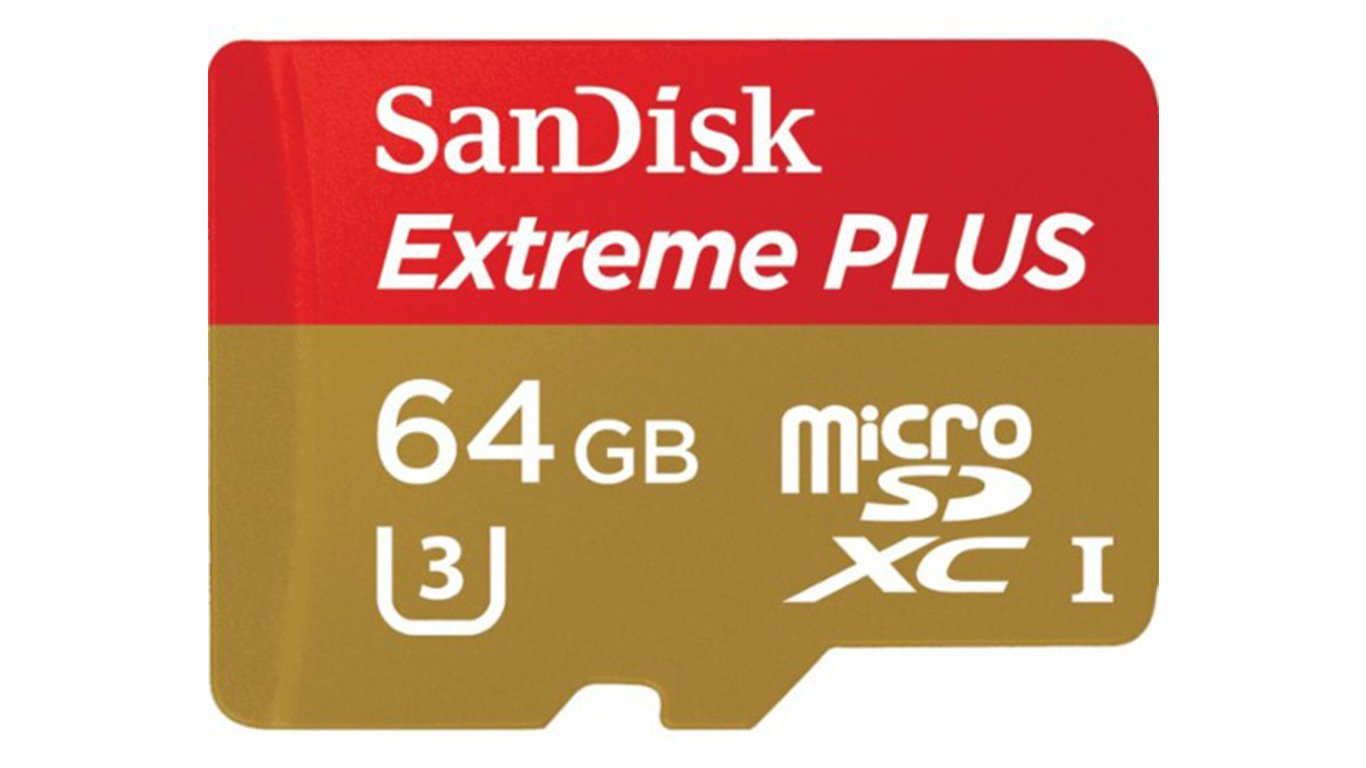
Memory and storage stocks are giving back ground while the broader tech market rallies, and SanDisk (NASDAQ:SNDK | SNDK Price Prediction) is leading the retreat. SanDisk stock is at $1,023.92, down 9% in morning trading. The selloff comes days after the company reported its Q1 FY2027 revenue of $11.03 billion on October 29, up 377.9% year over year.
Tech stocks as a group are moving the other way. The Invesco QQQ Trust (NASDAQ:QQQ), which tracks the NASDAQ 100, is up 2%. SanDisk stock is still up 353% year to date (YTD) after the slide, leaving shareholders with large gains to protect.

Election Results and Memory Price Warnings Weigh on SanDisk
Micron Technology (NASDAQ:MU) shares slipped as investors digested the Democratic wave in the November 3 midterm elections and signs that rising memory prices are hitting some areas of the hardware market. Election results also raised concerns about AI infrastructure spending, including fears that the Texas governor’s race could lead to a data center moratorium in that state. For SanDisk, whose growth leans heavily on AI data-center customers, both threads matter directly.
Kioxia, SanDisk’s manufacturing joint venture partner, issued a conservative December-quarter forecast on November 2 that pressured memory stocks. That outlook carried a warning, as Kioxia’s chief financial officer said AI data center demand remains robust and next year’s planned output is sold out. SanDisk management described a similar split on its post-earnings call, saying the consumer market is adjusting to higher pricing after consumer revenue fell 29% sequentially to $397 million.
What Micron, Western Digital and Seagate Say About SanDisk’s Slide
Micron stock is at $793.59, down 7%; the company sells NAND alongside its dynamic random-access memory (DRAM) business. Committed volume offers some support, since Micron management said on September 30 that it has “more than 75% of our shipments committed for the year.” On a YTD basis, Micron stock is up 190%.
Western Digital (NASDAQ:WDC) stock is at $322.80, also down 7%. The company now sells hard disk drives (HDDs) after separating its flash business, though it still holds an ownership interest in SanDisk. Chief financial officer Kris Sennesael noted on October 22 that the company uses “some DRAM and some NAND inside our hard disk drives,” which makes memory an input cost. Over the past month, Western Digital stock is down 19%.
Seagate Technology (NASDAQ:STX) stock is trading at $559.02, down 8%, which cuts against the idea that hard drive makers are protected from the selloff. Like Western Digital, Seagate is a pure-play HDD maker, but its drop lands in line with SanDisk’s. Management at Seagate has stated the vast majority of its nearline exabyte supply is allocated under long-term agreements through calendar 2028.
Flash, DRAM and Hard Drives Give Each Stock a Different Risk Profile
SanDisk is a pure-play NAND flash company, selling enterprise solid-state drives (SSDs) for AI infrastructure along with edge and consumer storage, and that focus gives SanDisk the most direct exposure to flash pricing in the group, in both directions. Micron makes DRAM, high-bandwidth memory (HBM) and NAND. Its results rest on several memory markets, with HBM tied closely to AI accelerators (the suppliers behind that expansion, from power to networking, are the subject of our free AI infrastructure report, here).
Western Digital and Seagate sit at the other end of the storage chain. Both sell mass-capacity hard drives to hyperscale cloud customers, and Seagate’s roadmap centers on its Mozaic platform built on heat-assisted magnetic recording (HAMR). Hard drive makers aren’t as exposed to NAND pricing changes as SanDisk or Micron, though they still buy memory chips as components.
Can AI Demand Outrun Memory Price Worries for SanDisk?
SanDisk now faces the question of whether AI data-center demand keeps absorbing higher NAND prices as consumer and PC buyers pull back. Bulls can point to management’s comment that the company’s long-term New Business Model (NBM) pipeline “exceeds our supply throughout the end of the decade.” SanDisk’s guidance calls for revenue of $12.2 billion to $12.6 billion in Q2 FY2027.
On the other hand, a conservative Kioxia outlook, softer consumer demand and election-driven doubts about data-center spending show how quickly sentiment can turn against SanDisk and a memory group that has run this far. It’s not a bad idea to stay conservative in your share position sizing while the memory pricing debate plays out.
Contact [email protected] for any questions or corrections.
David Moadel is financial writer specializing in stocks, ETFs, options, precious metals, and Bitcoin. David has written well over 1,000 articles for leading online publications, helping investors understand markets, income strategies, and risk.His work has appeared in The Motley Fool, InvestorPlace, U.S. News & World Report, TipRanks, ValueWalk, Benzinga, Market Realist, TalkMarkets, Finmasters, 24/7 Wall St., and others.With a master’s degree in education, David has taught at the elementary, high school, and college levels. That teaching background shapes his writing style: clear, educational, and practical. David has also built a loyal social-media audience by providing trustworthy financial content on YouTube, X/Twitter, and StockTwits.