SanDisk Surges 7% as Memory Stocks Rebound From Kioxia Selloff; Micron and Western Digital Rise 4%
Kioxia spooked memory investors on Monday, but buyers are already rushing back into flash storage names. The real question is whether Apple's warning about surging memory costs or Kioxia's cautious outlook tells the truer story about where NAND prices are…

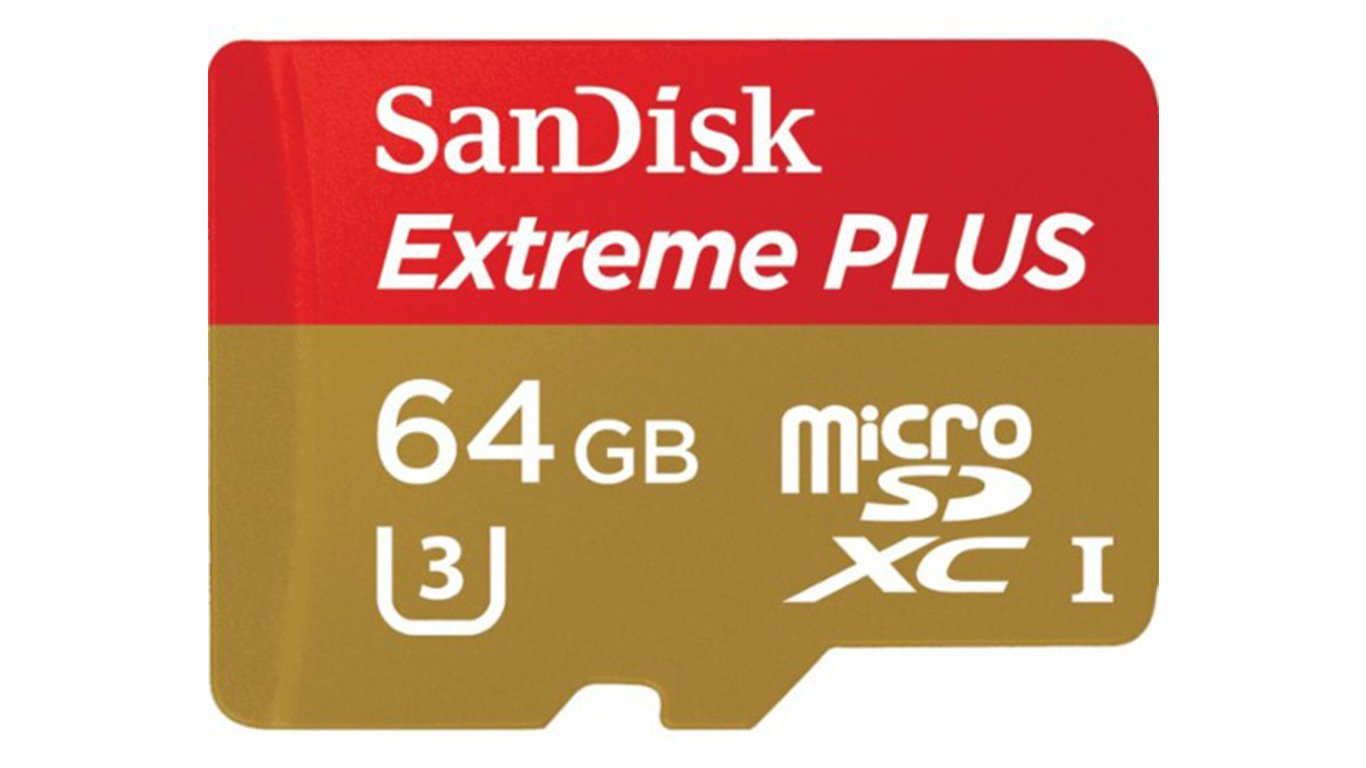
Memory stocks are recovering part of Monday’s losses, and SanDisk (NASDAQ:SNDK | SNDK Price Prediction) is leading the bounce. SanDisk stock is at $1,149.60 early in the session, up 7%. The flash memory maker closed at $1,075.08 on Monday, November 2, after a cautious outlook from its manufacturing partner Kioxia pulled the whole group lower.

Micron Technology (NASDAQ:MU) is climbing too. Western Digital (NASDAQ:WDC) is also higher, so this looks like the sector moving together as buyers come back after a steep pullback. Even with the gain, SanDisk stock is down 35% over the past month.
What Kioxia Said That Rattled Memory Stocks
Kioxia makes flash wafers with SanDisk through the Flash Ventures joint venture. It guided its December-quarter profit flat and said NAND price gains slowed sharply. Shares of the Japanese chipmaker plunged in Tokyo on Monday, and U.S. memory names followed. Kioxia’s management described prices as leveling off, which cooled hopes that the pricing rise would keep going.
SanDisk lists its reliance on Kioxia among the risks in its regulatory filings, so the partner’s outlook carries extra weight. Management sounded more positive on the company’s October 29 earnings call: “We expect pricing to continue to increase modestly throughout the year.”
What the Peer Group Says About SanDisk
Micron stock is at $864.57, up 4%. Meanwhile, Western Digital stock is at $351.04, up 4%. Both peers are rising less than SanDisk. The gap may come down to how directly each company is exposed to Kioxia’s message about NAND prices.
How SanDisk’s Business Differs From Micron and Western Digital
SanDisk is a pure play on NAND flash and solid-state drives (SSDs), selling through its Datacenter, Edge and Consumer segments. By contrast, Micron sells dynamic random-access memory (DRAM), NAND, NOR flash and high-bandwidth memory into cloud, PC, phone and automotive markets. Western Digital, which separated from SanDisk, now focuses on hard disk drives for hyperscalers and enterprises and keeps an ownership interest in SanDisk.
That setup gives SanDisk the most direct exposure to NAND prices, whether they rise or fall. Each peer benefits from the same AI storage demand through a different product line, which could soften the blow when flash pricing weakens.
Why Buyers May Be Returning to SanDisk
SanDisk’s contract book may be one reason buyers are stepping back in. Roughly half of the company’s fiscal 2027 bits and two-thirds of its fiscal 2028 bits are committed under long-term agreements. Those agreements include customer prepayments and deposits. In Q1 FY2027, the company’s revenue reached $11.03 billion, up 377.9% year over year. Management also told analysts that “Our NBM pipeline exceeds our supply throughout the end of the decade.”
Analyst views are divided. Wedbush rates SanDisk Outperform with a $2,000 price target, set before the company’s 8-for-1 stock split takes effect on November 19. Wells Fargo cut its target to $1,300 from $1,550 on October 30, and Fox Advisors downgraded the stock to Equal-Weight on Monday.

Apple Signals Memory Costs Are Still Climbing
A signal from the buyer side arrived Monday night. On the earnings call from Apple (NASDAQ:AAPL), CEO John Ternus spoke. He called memory pricing “unprecedented” and said memory purchase pricing keeps rising beyond December. Apple COO Sabih Khan noted the company raised its purchase obligations by $33 billion in the June to September quarter to improve memory supply.
That message could be a boost for memory sellers like SanDisk, as Apple’s comments point to costs that keep climbing while Kioxia says price gains are slowing.
What Comes Next for SanDisk After the Kioxia Scare
Chip stocks are trying to steady after a turbulent Monday, with results from Advanced Micro Devices (NASDAQ:AMD) and the midterm elections coming up. Investors will be watching whether SanDisk’s Q2 FY2027 revenue guidance of $12.2 billion to $12.6 billion holds up now that Kioxia is signaling slower price gains.
Bulls see multiyear contracts and Apple’s spending as signs that demand still exceeds supply for SanDisk. The bears see an early sign in Kioxia’s comments. The pricing cycle may be topping out, and SanDisk could take the biggest hit of the three companies if that happens. A cautious approach may make sense while the NAND pricing debate plays out.
Contact [email protected] for any questions or corrections.
David Moadel is financial writer specializing in stocks, ETFs, options, precious metals, and Bitcoin. David has written well over 1,000 articles for leading online publications, helping investors understand markets, income strategies, and risk.His work has appeared in The Motley Fool, InvestorPlace, U.S. News & World Report, TipRanks, ValueWalk, Benzinga, Market Realist, TalkMarkets, Finmasters, 24/7 Wall St., and others.With a master’s degree in education, David has taught at the elementary, high school, and college levels. That teaching background shapes his writing style: clear, educational, and practical. David has also built a loyal social-media audience by providing trustworthy financial content on YouTube, X/Twitter, and StockTwits.