Copper Just Crashed 5% a Day After Druckenmiller Said He’s Short

This post may contain links from our sponsors and affiliates, and Flywheel Publishing may receive compensation for actions taken through them.
Comex front-month copper settled at about $5.67 a pound on Wednesday, November 18, 2026, which was down 5.1% from Tuesday’s $5.98. It was the lowest close since April 7, 2026, and the metal’s worst day in more than a year.
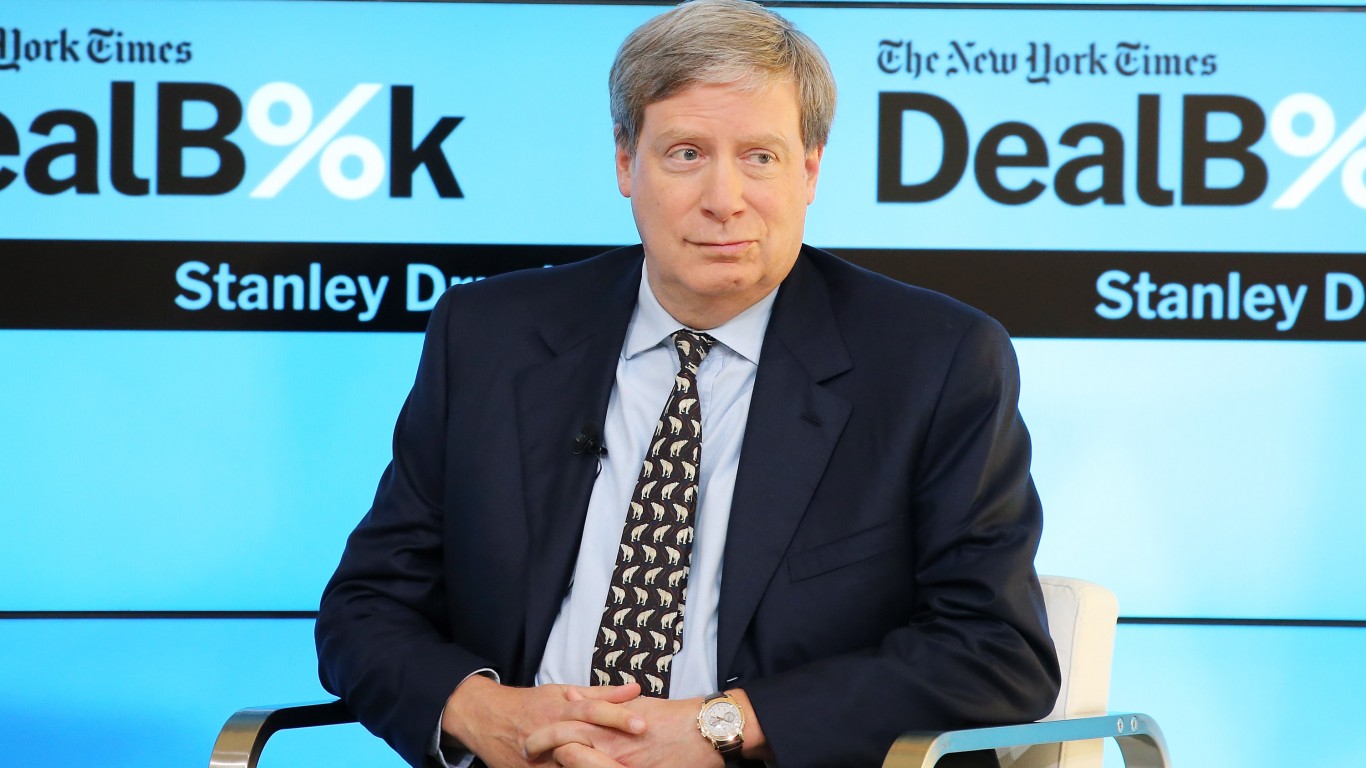
The drop came a day after Stanley Druckenmiller spoke. He told the TomorrowX conference on November 17 that he is short copper and sees a risk that the economy disappoints in the second half of 2027. He did not disclose the size of the position or when he took it, and no source says his remarks caused the selling.
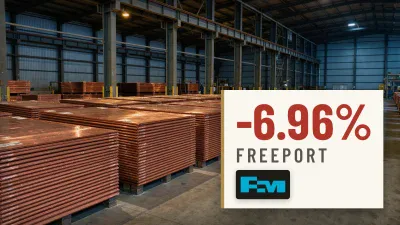
Freeport-McMoRan (NYSE:FCX | FCX Price Prediction) fell 6.96% to $51.45. The United States Copper Index Fund (NYSEARCA:CPER) lost 5.22% to $34.11. Futures traders and physical buyers now disagree about where the copper price should be, and that split matters for anyone holding copper-linked stocks or funds.
Why Copper Fell So Fast on November 18
The dollar climbed to a 19-month high after hawkish comments from Fed Governor Christopher Waller, and traders began pricing in a possible rate hike next month. Weak Chinese data added to the pressure. Doubts about AI data-center spending did too, because copper wiring and grid equipment have been central to the AI demand story (we covered seven of the suppliers behind that expansion, from power to cooling to networking, in a free report you can grab here).
In London, three-month copper was down 5.5% at $12,502.50 a metric ton by noon, its fifth straight loss. Saxo Bank strategist Ole Hansen said AI worries set off the selling, but he pointed to an inflation scare and higher borrowing costs as the bigger force.
The slide was already underway before Druckenmiller spoke. Comex settled at about $6.27 on November 11, and the metal is now down about 16.7% from its about $6.80 settle on September 9. One-day drops this sharp often reflect traders unwinding long positions, and that kind of selling can fade once those positions are closed.
Freeport Falls Harder Than the Metal
Freeport dropped more than copper did because of operating leverage, meaning profits move faster than prices once costs are fixed. Its 2026 outlook assumes fourth-quarter copper at $6.50/lb[1], and each 10-cent move in copper changes cash flow by $75 million.
At about $5.67, copper is well below that assumption. But Freeport also expects copper sales of 3.7 billion pounds in 2027 (+23%)[1] as Grasberg recovers, and that volume growth helps offset a lower price.
Southern Copper (NYSE:SCCO) fell about 5.9% to $146.21, a smaller loss than Freeport’s. CPER holds copper futures rather than mining shares. It pays no dividend, earns nothing, and takes losses or gains each time it rolls into the next contract.
Physical Buyers Are Still Paying Up
China’s copper import premium reached a record $360 a ton, and Shanghai exchange inventories fell to their lowest since December 2023. Buyers who need actual metal are paying more for it even as futures traders sell.
Overnight, Comex held about $5.67, while London copper rose as much as 1.7% to $12,645. A bottom would be confirmed by a Comex close back above $5.98, and a break below the intraday low of $5.63 would signal that the bounce has failed.
What Could Drive Freeport Stock From Here
Freeport closed at $51.45 even as volumes grow and physical copper remains tight. Southern Copper held up better on the day, but Freeport has the clearer volume catalyst in the Grasberg recovery, while CPER provides short-term exposure to copper prices but pays no income and carries roll costs. Freeport pays a quarterly dividend of $0.15[1].
The main risks are a Fed hike at the December 8-9 meeting, a stronger dollar, and the slowdown Druckenmiller expects in 2027. If Comex closes below $5.63 after that meeting, the case for copper bottoming out weakens considerably.


Contact [email protected] for any questions or corrections.
Omor Ibne Ehsan is a writer at 24/7 Wall St. He is a self-taught investor with a focus on growth, cyclical, and dividend equities that have strong fundamentals, value, and long-term potential. He also has an interest in high-risk, high-reward investments such as penny stocks.