Peter Thiel Now Has as Much Money in an Argentine Oil Stock as in Amazon. It’s Down 23% Since September 30

This post may contain links from our sponsors and affiliates, and Flywheel Publishing may receive compensation for actions taken through them.
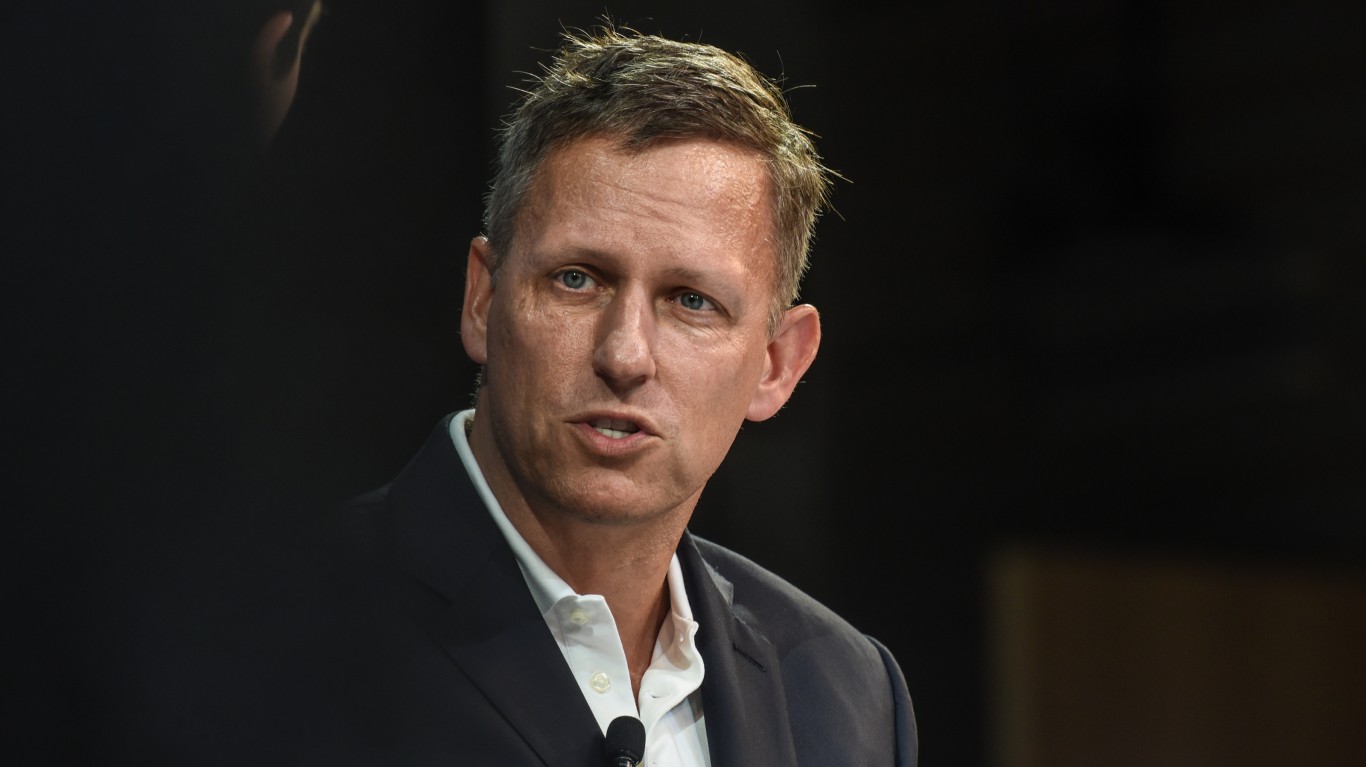
Peter Thiel’s hedge fund now has as much money in an Argentine oil producer as it has in Amazon. Thiel Macro LLC’s 13F filing for the third quarter, sent to the SEC on Monday, shows 1,886,835 American depositary shares of Vista Energy (NYSE: VIST), the Vaca Muerta shale driller, worth $123.3 million on September 30. The fund bought 697,043 of those shares during the quarter, a 59% increase. Its Amazon (NASDAQ: AMZN) stake, 495,000 shares that it did not touch, was worth $123.3 million the same day. The two positions were $24,583 apart on a $460.2 million book, tied for second place behind the iShares Semiconductor ETF at $161.0 million.
Adding to Vista until it matched Amazon reads as a bet that Vaca Muerta’s growth will outrun the price of oil; the limit is that a 13F shows what the fund held on September 30 and nothing about what it has done in the seven weeks since, when Brent crude fell 25% and Vista fell 23%.
Vista closed at $65.35 on September 30 and at $50.18 at Thursday’s close, so the stake the filing describes is now worth about $94.7 million, $28.6 million less, about $29 million. Amazon went from $249.15 to $257.37 over the same stretch, and the Amazon stake is worth about $127.4 million. The tie has become a $32.7 million gap.
What Vista is
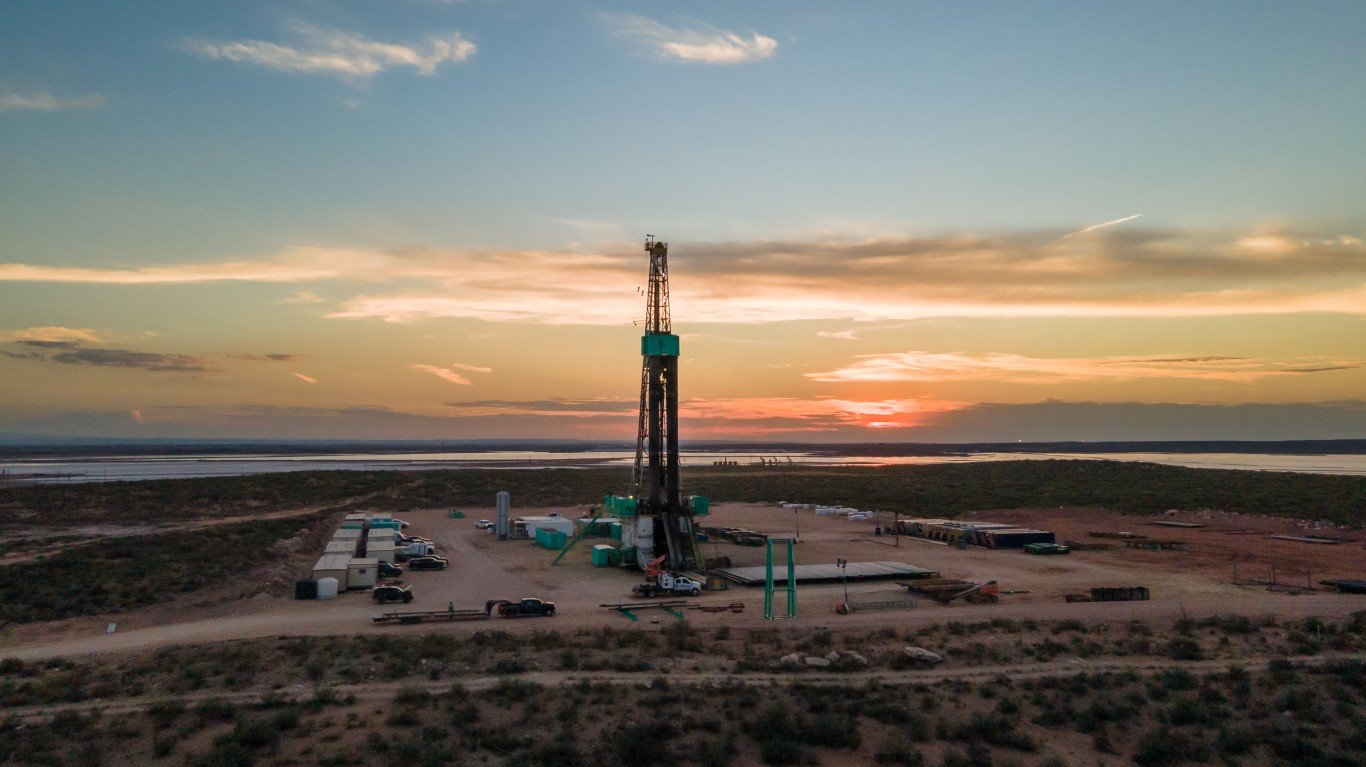
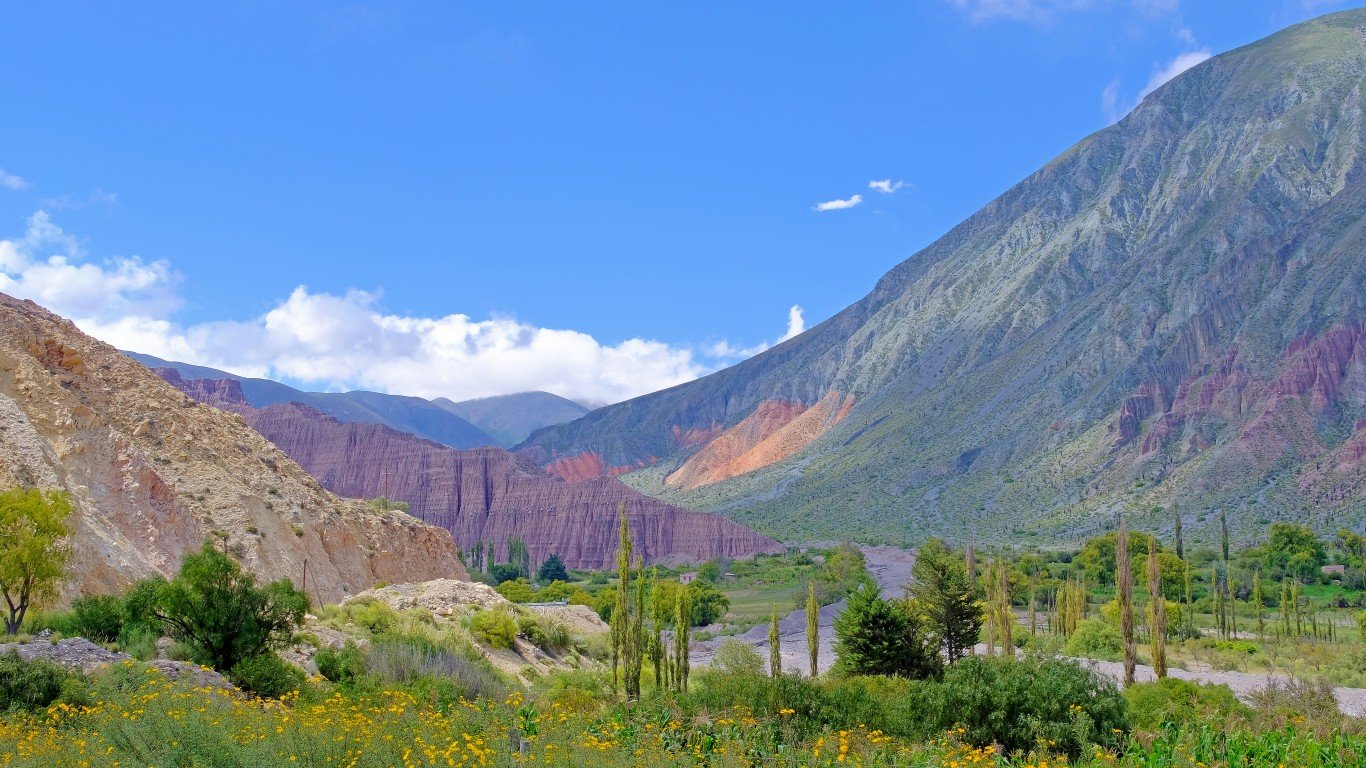
Vista Energy was founded in 2017 by Miguel Galuccio, who had run YPF, Argentina’s state-controlled oil company, and it is incorporated in Mexico and listed in New York. It drills horizontal shale wells in Vaca Muerta, a formation in Neuquén province in Argentine Patagonia that the US Energy Information Administration ranks as the world’s second-largest shale gas resource and fourth-largest shale oil resource. Thiel’s fund first disclosed a Vista position in its June 30 filing, 1,189,792 shares worth $75.9 million, which Reuters reported in August as about 1% of the company. After the third-quarter purchase the fund owns about 1.7% of Vista’s 110,617,402 shares, based on the count in the company’s August buyback filing. At $50.18 a share the whole company is worth about $5.6 billion.
The company’s third quarter, reported on October 28, was its biggest. Production averaged 169,023 barrels of oil equivalent a day, up 33% from a year earlier and 8% from the second quarter, with oil at 147,126 barrels a day. Revenue was $1.234 billion, up 75%, adjusted EBITDA was $841.5 million, up 78%, and free cash flow was $334.2 million after $459.7 million of capital spending. Vista connected 25 new wells in the quarter and exported 9.9 million barrels of oil, 56% more than a year earlier. Net debt was 1.12 times adjusted EBITDA, and the company bought back $55.4 million of its own shares under a $150 million plan for the year.
Part of the growth was bought. In May, Vista closed its purchase of Equinor’s stakes in two Vaca Muerta blocks, Bandurria Sur and Bajo del Toro, and the third quarter was the first to count them in full. The rest came from the drill bit. Chief executive Miguel Galuccio told analysts the company is running at a pace of 100 wells a year and repeated its target of 185,000 barrels of oil equivalent a day for 2027, 9% above the third quarter, against 158,000 for this year. He also said output would be flat in October and November.
Why an investor might bet on Argentine shale
The case rests on growth that the big US shale basins no longer offer. Argentina pumped a record 916,200 barrels of oil a day in July, according to its Energy Secretariat, and Vaca Muerta supplied 643,100 of them, 26.4% more than a year earlier and about 70% of the country’s output. Vista’s third-quarter lifting cost was $4.7 a barrel of oil equivalent, and with a realized oil price of $84.2 a barrel in the quarter, the margin on each barrel was wide. The constraint has been getting the oil out: Galuccio said Vista’s pipeline capacity is 180,000 barrels a day, leaving 36,000 barrels a day of room for the next year’s growth.
The other half of the case is the country. Argentina’s monthly inflation rate was 25.5% in December 2023 and 2.2% in October, according to INDEC, the national statistics agency, with prices still up 33.1% over twelve months. Thiel’s interest in the country is on the record: Reuters reported that he met Argentina’s president in April, and The New York Times reported in May that he had bought a home in Buenos Aires and moved his family there for a time. His fund’s first Vista purchase came in the quarter of that visit, and the second added 59% to it.
What has gone wrong since September 30
Oil. Brent crude was $115.91 a barrel on September 30, reached $135.51 on October 2, and was still $120.15 on October 30. By November 10 it was $90.16, a 25% drop in eleven days that market reports tied to hopes for an end to the conflict between the United States and Iran, which had lifted prices all year. Exports were 72% of Vista’s revenue last quarter, at prices tied to Brent, so its shares followed. The stock had risen to $74.84 on October 23, when the filing’s Vista stake would have been worth $141.2 million, and has since fallen 33%. It is still up 3.1% for the year.
The filing does not say what Thiel paid. Vista closed between $60.36 and $78.95 during the third quarter, so the 697,043 shares bought in it cost somewhere in that range. Nor does it say whether the fund has bought or sold since. The next filing, for December 31, is due in mid-February.
What it means if you own Vista, or follow Thiel
Vista is a single-country, single-basin oil producer, and its shares carry three risks at once: the price of oil, Argentina’s currency and politics, and the execution of a drilling program that has to add about 16,000 barrels of oil equivalent a day in fifteen months. The reward is a company growing production by a third a year at a lifting cost under $5, buying back its own stock, and paying down debt. Thiel Macro is a concentrated fund of five positions, so a 26.8% weight means something different there than it would in a retirement account. A holder who copied the position at its September 30 weight would have lost 23% on that slice in seven weeks, and would now have to decide whether the oil price or the production growth is the number that matters.
The plain reading of the filing is that one of Silicon Valley’s best-known investors was willing to put as much money into an Argentine driller as into Amazon. Whether he still holds it, nobody outside the fund will know until February.
Contact [email protected] for any questions or corrections.
I've been writing about stocks and personal finance for 20+ years. I believe all great companies are tech companies in the long run, and I invest accordingly.