TSLL 2X Tesla ETF Is Down 50% in 2026: Can It Double to $20 from Here?

This post may contain links from our sponsors and affiliates, and Flywheel Publishing may receive compensation for actions taken through them.
Leverage has cut far deeper into the fund built to double Tesla‘s (NASDAQ:TSLA | TSLA Price Prediction) daily moves than into the automaker’s own stock in 2026. Direxion Daily TSLA Bull 2X ETF (NASDAQ:TSLL) shares are trading at $9.89 midday on Thursday, down 1.1%. The fund is down 50.46% year to date (YTD).
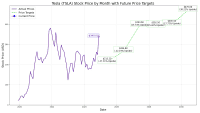
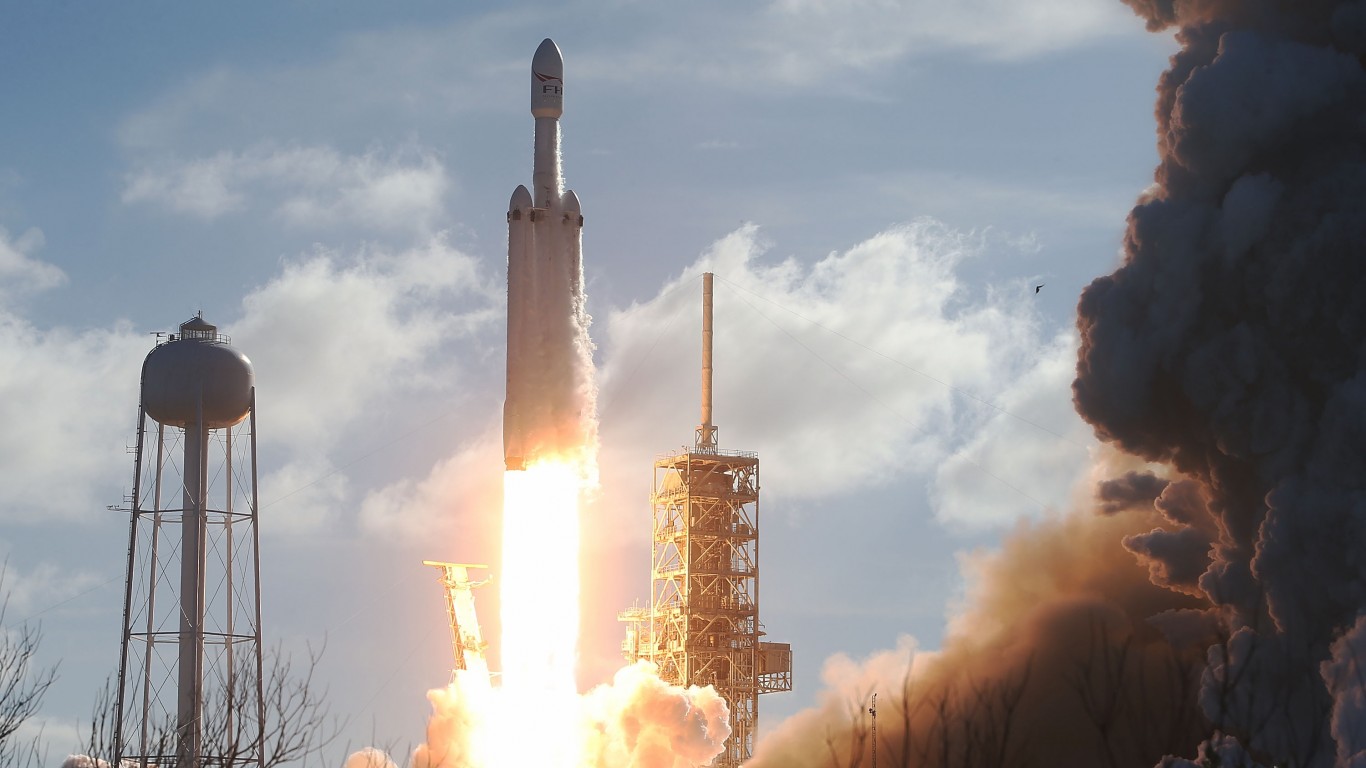
Tesla stock is at $381.45, down 16.11% YTD, and it’s slipping alongside the fund. SpaceX (NASDAQ:SPCX), the other public company tied to Tesla CEO Elon Musk, is trading at $140. SPCX shares are down 7% over the past month.

The bigger question for the Direxion fund is what it would take to get back to $20. It finished 2025 at $18.67 and last traded above $20 in August 2022, at $20.39.
How Daily Resets Turned Tesla’s Slide Into a Deeper Loss
Direxion’s fund seeks twice Tesla’s return each day, then resets its leverage before the next session. Across weeks and months, each gain or loss compounds on a new base, so the fund’s return can drift far from twice what Tesla delivered.
Volatile, sideways trading widens that drift, a drag known as volatility decay. When Tesla swings down and then back up, the fund loses more on the drops than it recovers on the rebounds, and volatility decay helps explain why the ETF has fallen far more than twice Tesla’s YTD loss would suggest. A return to $20 would need a strong, steady Tesla rally, and a volatile path could leave the fund behind even if Tesla stock ends higher.
China Output and a SpaceX Tie-Up Feed the Bull Case
October 21[1] brought Tesla’s Q3 2026 report, with adjusted earnings per share (EPS) of $0.48 beating the $0.4511 estimate on revenue of $28.05 billion. Musk struck an positive tone on the earnings call: “Demand is growing rapidly for our vehicles. It’s exceeding our production by a significant margin.”[2]

Citing Chinese state media, Reuters reported on November 19 that Musk said Tesla will keep increasing production in China. The comments followed a meeting with Ren Hongbin of the China Council for the Promotion of International Trade during Musk’s trip with the U.S. delegation for the APEC gathering. Gigafactory Shanghai has grown its deliveries through October and handles a large share of Tesla’s global output. Tesla puts the plant’s installed annual capacity at more than 950,000 vehicles[3].
A bigger strategic swing could follow, since Musk stated Tesla and SpaceX would probably be better together. Independent director committees are exploring a deal that could reportedly be announced in December or early 2027.
Tesla, SpaceX and a Leveraged Fund Follow Different Models
Tesla builds vehicles, Megapack batteries and Full Self-Driving (FSD) software, and it’s pushing into Robotaxi fleets and the Optimus humanoid robot, while SpaceX makes money from launches, Starlink connectivity and a fast-growing artificial intelligence (AI) business that includes Grok and Cursor.
Direxion’s ETF is a trading tool that amplifies Tesla’s daily moves, with no operating business of its own. That means a SpaceX deal or a China production gain reaches the fund only through Tesla stock, and the leverage magnifies the result either way.
Merger Hurdles and Leverage Risk Shape the Bear Case
The bears start with Tesla’s spending. Tesla’s Q3 operating income fell 55.8%[1] year over year to $718 million. Research and development (R&D) spending rose to $2.76 billion[1] from $1.63 billion for autonomy, Optimus and AI computing. Chief financial officer Vaibhav Taneja framed it on the call: “We are in a huge investment cycle to set us up for the future.”[2]

Bank of America (NYSE:BAC) warned that China could be the biggest regulatory hurdle to a Tesla and SpaceX merger. That is because a deal would place the Shanghai factory under a major U.S. defense contractor. Leverage adds its own risk, since a sharp Tesla drop would hit the Direxion fund twice as hard on a daily basis.
Bullish investors can point to Tesla’s largest passenger vehicle backlog in four years[1] and its $45.45 billion in cash. Those strengths matter, though the fund needs a steady climb to benefit.
Who the Direxion ETF Is Built For
Direxion’s TSLL fund is designed for short-term traders who track their positions daily. Long-term buy-and-hold investors face volatility decay, which can erode value even if Tesla stock recovers.
The next test for Tesla is whether its China production push and a possible SpaceX deal can lift its stock in a steady rose. Any push by the Direxion TSLL ETF back toward $20 could hinge on how smoothly that climb unfolds.
Contact [email protected] for any questions or corrections.
David Moadel is financial writer specializing in stocks, ETFs, options, precious metals, and Bitcoin. David has written well over 1,000 articles for leading online publications, helping investors understand markets, income strategies, and risk. His work has appeared in 24/7 Wall St., The Motley Fool, InvestorPlace, U.S. News & World Report, TipRanks, ValueWalk, Benzinga, Market Realist, MarketScreener, TalkMarkets, Finmasters, and others. With a master’s degree in education, David has taught at the elementary, high school, and college levels. That teaching background shapes his writing style: clear, educational, and practical. David has also built a loyal social-media audience by providing trustworthy financial content on YouTube, X/Twitter, and StockTwits.