Bloom Energy Tumbles 10% Despite BMO Upgrade With $230 Target; FuelCell Energy Slides 7%, Plug Power Drops 3%

This post may contain links from our sponsors and affiliates, and Flywheel Publishing may receive compensation for actions taken through them.
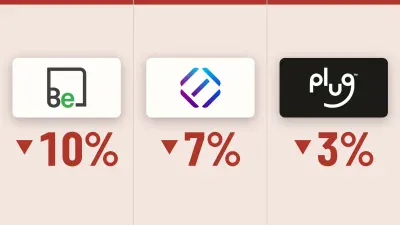
An analyst upgrade usually gives a stock some lift. Yet, Bloom Energy (NYSE:BE) stock is sliding as Wall Street sells off artificial intelligence (AI) infrastructure names. Bloom Energy stock is at $150.96, down 10% in morning trading. The upgrade from BMO Capital Markets, which moved the shares to Outperform from Market Perform on November 20, gave Bloom Energy an early boost that faded as the broader market sold off.
BMO Capital Markets paired that call with a lower price target, trimming it to $230[1] from $260. Even after the slide, Bloom Energy stock is still up 74% year to date (YTD), though it has given back a large slice of that run in recent sessions. Wall Street’s AI selloff is doing much of the damage, with the S&P 500 on track for its longest losing streak since 2020, and chip, neocloud and AI infrastructure stocks taking heavy hits.
Why BMO Warmed Up to Bloom Energy
Before the upgrade, BMO Capital Markets had questioned Bloom Energy on three fronts: whether its technology was proven at large scale, whether a higher-cost power source holds up once grid availability improves, and how much the company leans on U.S. data center demand. In its note, the firm stated those debates remain open. What changed is the setup, since the shares have pulled back and large projects are now supplying the execution evidence BMO wanted, which the firm said makes the risk-reward more attractive.
One of those projects is with Nebius Group (NASDAQ:NBIS | NBIS Price Prediction), where Bloom Energy delivered the first block of power in New Jersey after planning-board approvals[2]. Recent results also back the operating story. Bloom Energy’s Q3 2026[3] revenue jumped 138.1% year over year to $1.24 billion, while its adjusted earnings of $0.94 per share topped the $0.67 consensus.
For the full year 2026, management raised its revenue outlook for the third time, to $4.4 billion to $4.6 billion[3]. Founder and CEO KR Sridhar of Bloom Energy noted on the call that “our backlog is continuing to expand faster than our revenue.”[2]
FuelCell and Plug Power Follow Bloom Energy Lower
FuelCell Energy (NASDAQ:FCEL) stock is at $7.03, down 7%, moving with the broader weakness in fuel cell names. Over the past month, FuelCell stock has dropped 43%. Unlike Bloom Energy, FuelCell remains loss-making, and its Q3 FY2026[4] revenue fell 29.4% year over year as a $17 million charge tied to its Fit Energy agreement deepened the loss.
Plug Power (NASDAQ:PLUG) stock is at $1, down 3%, a milder decline than either Bloom Energy or FuelCell. On a YTD basis, Plug Power stock has lost 49%, leaving it near multi-year lows. Deployments of Plug Power’s GenDrive units grew 110%[5] to 1,136 in Q3 2026, though the company still runs operating losses.
Three Different Paths to Fuel Cell Power
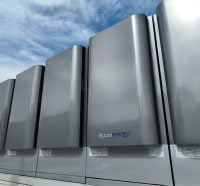
Bloom Energy builds solid oxide fuel cell Energy Servers that sit on-site and deliver always-on electricity, mostly to hyperscalers and AI data centers, and the company is now profitable as it scales. Speed is the core of that pitch, since modular servers let Bloom Energy add power in blocks while customers wait on the grid.
FuelCell targets the same data center demand with carbonate fuel cell platforms built as large, standardized blocks for utility-scale, behind-the-meter power, though it’s still early in its commercial ramp. Plug Power runs a hydrogen ecosystem instead, selling GenDrive fuel cells for forklifts, GenEco electrolyzers that produce green hydrogen, and hydrogen fuel delivery. That mix ties Plug Power more closely to industrial and clean fuel demand than to the AI buildout driving Bloom Energy (we profiled seven of the power, cooling, and networking suppliers riding that same buildout in a free report you can grab here).
Can Bloom Energy’s Upgrade Hold Up Against the AI Selloff?
The bulls can point to BMO’s view that the pullback has created a better entry point, backed by rising guidance and large projects showing Bloom Energy can deliver at scale. The bears counter that AI power names may keep falling with the wider AI trade regardless of fundamentals, and Bloom Energy’s big run this year leaves room for more profit taking. Bloom Energy’s next test is whether its execution on large data center projects can outweigh the market’s appetite for selling anything tied to AI spending.
Other risks for Bloom Energy include a slowdown in AI capital spending, tariffs, permitting delays and tighter financing for data center projects. Traders may prefer to keep their exposure smaller until the AI infrastructure selloff resolves.
Contact [email protected] for any questions or corrections.
David Moadel is financial writer specializing in stocks, ETFs, options, precious metals, and Bitcoin. David has written well over 1,000 articles for leading online publications, helping investors understand markets, income strategies, and risk. His work has appeared in 24/7 Wall St., The Motley Fool, InvestorPlace, U.S. News & World Report, TipRanks, ValueWalk, Benzinga, Market Realist, MarketScreener, TalkMarkets, Finmasters, and others. With a master’s degree in education, David has taught at the elementary, high school, and college levels. That teaching background shapes his writing style: clear, educational, and practical. David has also built a loyal social-media audience by providing trustworthy financial content on YouTube, X/Twitter, and StockTwits.