Ford And GM Saved By US Government, Again

This post may contain links from our sponsors and affiliates, and Flywheel Publishing may receive compensation for actions taken through them.

Ford (NYSE: F) CEO Jim Farley has told the public, the government, and anyone else who will listen to him that if Chinese EVs enter the US market, the company he runs will be ruined. Earlier this year, he said competition with Chinese cars in the American market would be “devastating.” Last year, he told The Detroit Free Press that Chinese cars were an “existential threat” and, if they were sold here, it would “put us all out of business.” Presumably, he meant the two flagship automakers primarily: his company and GM (NYSE: GM).
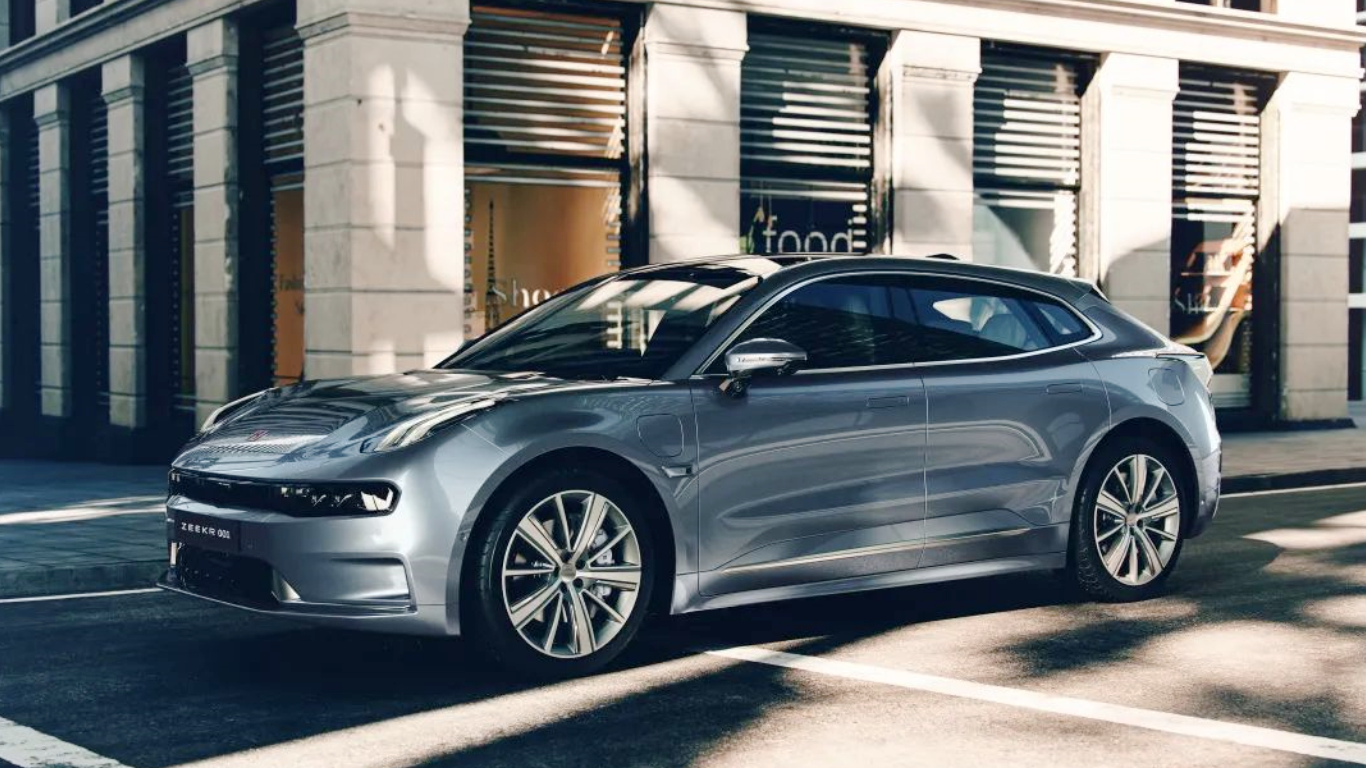
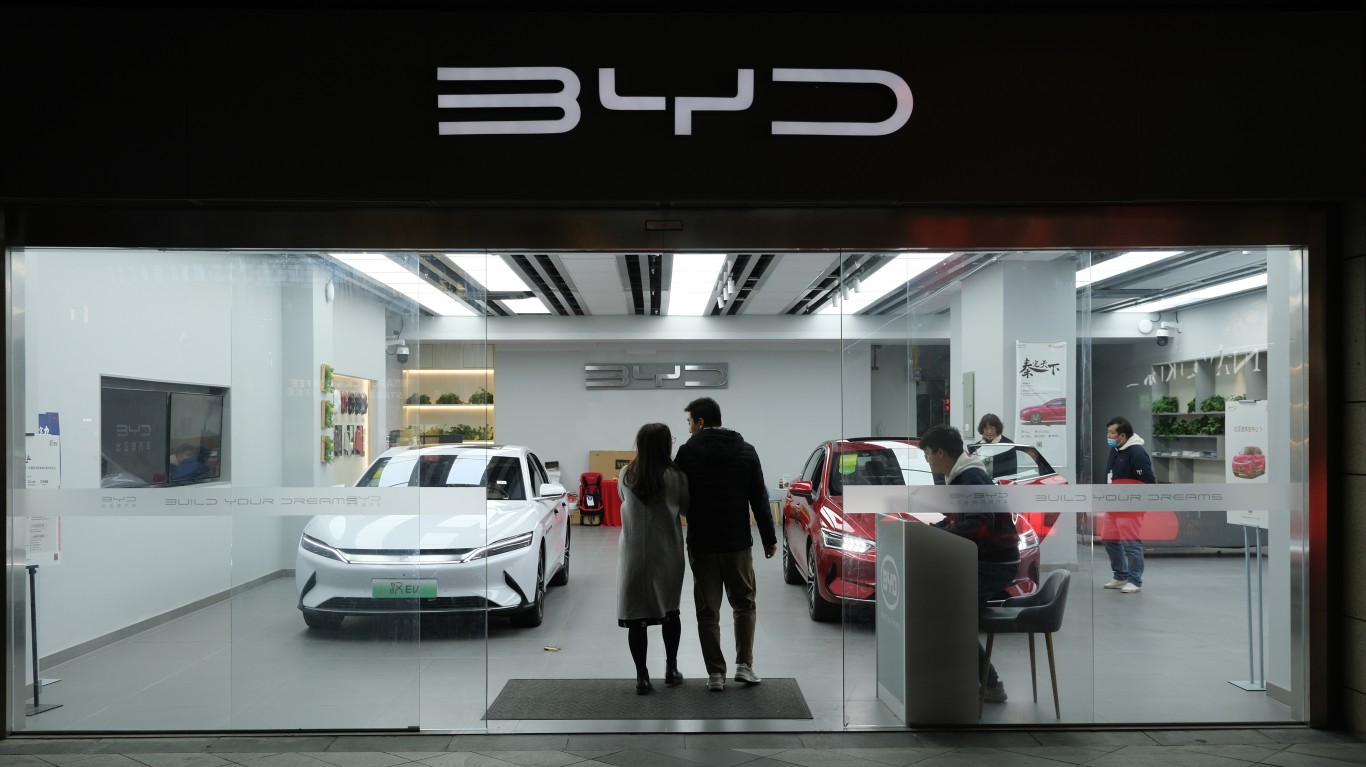
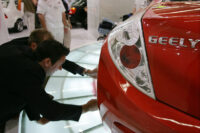
While the federal government has blocked the sales of cars from Chinese companies led by BYD and Geely, Congress, and probably President Trump, want to make the moat even wider. New legislation would prohibit cars, and some cars with Chinese parts, from entering the market. The primary block, The Wall Street Journal reported, “would have prohibited manufacturers that are more than 15% owned by Chinese entities from selling cars equipped with technology that can transmit data.” Mercedes falls into the “China parts” category because some of its cars use Chinese technology. It appears Mercedes will negotiate itself out of the quandary.
As a warning to Ford and GM, BYD, in particular, has had tremendous success in Europe where it outsells Tesla. Its month-over-month growth, compared with the same month last year, has been triple-digit. Ford and GM only have to look across the Atlantic to see a terrible future.
Ford and GM also need protection for another reason. The Chinese car market is the largest in the world based on unit sales. The US and EU follow. EVs sell like hotcakes in China. EVs are 22% of EU car registrations so far this year. BYD’s path into the EU is because of this EV sales trend. Unfortunately for GM and Ford, their sales in China and Europe are tiny. They are trapped inside the US, in terms of revenue and profits.
China won’t find a promising market in America yet. In the US market, EV sales are only about 5% of new car sales. If BYD and Geely enter the American market soon, they would have to wait for high unit sales.
There are two primary arguments about Chinese EVs. One is that US consumers should be able to buy the best cars, no matter where they are made. Chinese EVs have been described as technologically advanced and inexpensive. The other side of the argument is that Chinese EV companies have been built with Chinese government aid. That means that if they compete with Ford and GM, it is not a level playing field.
Ford and GM cannot count on the federal government’s help forever. It is only a matter of time before Chinese EVs could cripple their sales in their home market. Since neither company sells any meaningful number of cars elsewhere, the protection is even more important.
Contact [email protected] for any questions or corrections.
Douglas A. McIntyre is the co-founder, chief executive officer and editor in chief of 24/7 Wall St. and 24/7 Tempo. He has held these jobs since 2006.
McIntyre has written thousands of articles for 24/7 Wall St. He is an expert on corporate finance, the automotive industry, media companies and international finance. He has edited articles on national demographics, sports, personal income and travel.
His work has been quoted or mentioned in The New York Times, The Wall Street Journal, Los Angeles Times, The Washington Post, NBC News, Time, The New Yorker, HuffPost USA Today, Business Insider, Yahoo, AOL, MarketWatch, The Atlantic, Bloomberg, New York Post, Chicago Tribune, Forbes, The Guardian and many other major publications. McIntyre has been a guest on CNBC, the BBC and television and radio stations across the country.
A magna cum laude graduate of Harvard College, McIntyre also was president of The Harvard Advocate. Founded in 1866, the Advocate is the oldest college publication in the United States.
TheStreet.com, Comps.com and Edgar Online are some of the public companies for which McIntyre served on the board of directors. He was a Vicinity Corporation board member when the company was sold to Microsoft in 2002. He served on the audit committees of some of these companies.
McIntyre has been the CEO of FutureSource, a provider of trading terminals and news to commodities and futures traders. He was president of Switchboard, the online phone directory company. He served as chairman and CEO of On2 Technologies, the video compression company that provided video compression software for Adobe’s Flash. Google bought On2 in 2009.