INTW 2X Intel ETF Jumps 26% in a Day: Should Investors Ride This Leveraged Intel Fund Back to $10?

This post may contain links from our sponsors and affiliates, and Flywheel Publishing may receive compensation for actions taken through them.

Traders in leveraged chip funds are seeing how quickly a 2x product can swing when the whole semiconductor sector rallies at once. The GraniteShares 2x Long INTC Daily ETF (NASDAQ:INTW) is at $5.51 in the afternoon session, up 26%. Intel (NASDAQ:INTC | INTC Price Prediction) stock is at $58.18, up 13%.
GraniteShares designed the ETF to deliver twice Intel’s daily return, which is why the fund’s gain is roughly double Intel’s move. The product is a derivative vehicle that uses swaps to create that 2x exposure, and it resets its exposure daily.
Jensen Huang’s Return Sparks a Chip Rally
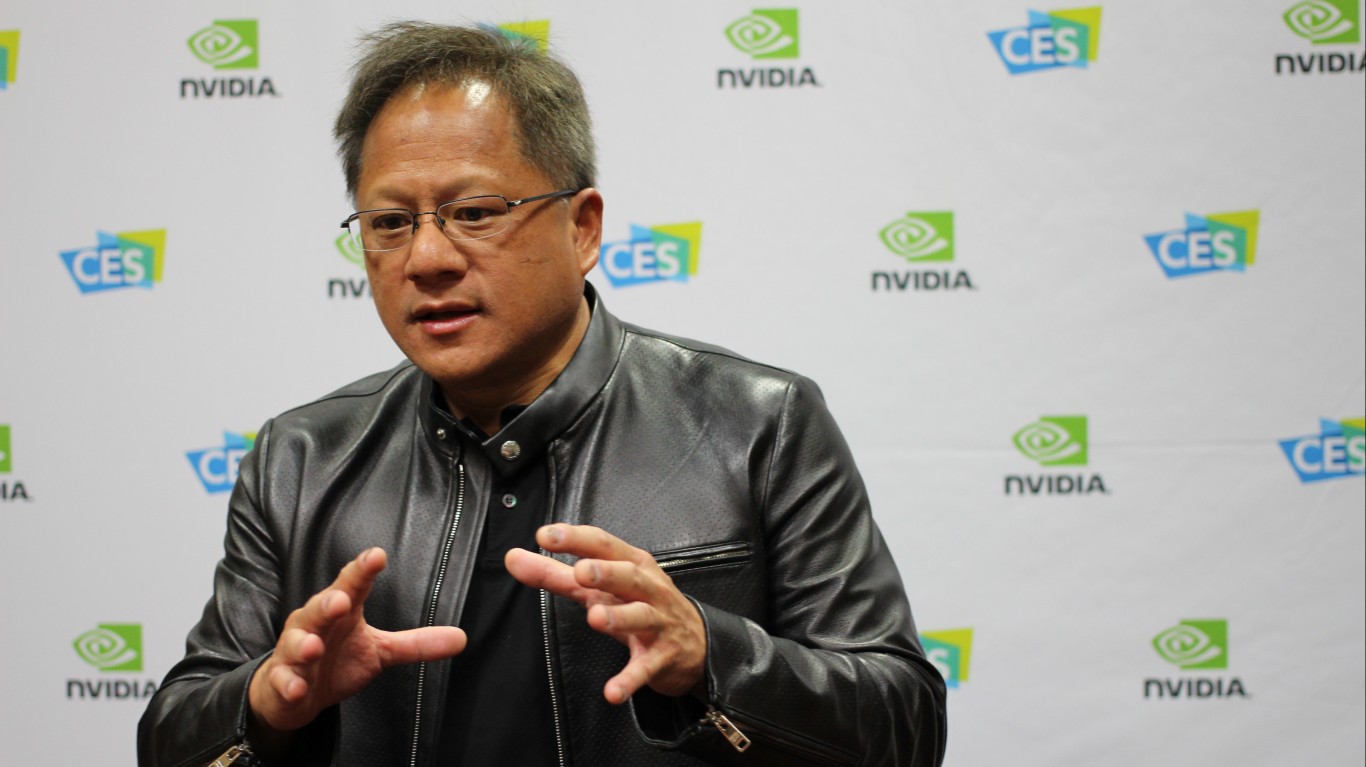
NVIDIA (NASDAQ:NVDA) said on November 23 that Jensen Huang has been reinstated as president and CEO, effective immediately, after a unanimous board vote. Huang’s return ends a leadership transition under interim CEO Colette Kress. That transition came alongside an ongoing board investigation, and it had rattled chip investors and pushed some money into rival names.
The reinstatement triggered a broad semiconductor rally. Advanced Micro Devices (NASDAQ:AMD) is among the chipmakers caught up in the rally. Buyers are returning to chipmakers across the board after a punishing stretch, and Intel’s gain fits that sector-wide pattern (we reverse-engineered what the biggest chip winners looked like early in a free playbook you can grab here).
How Intel’s Business Differs From NVIDIA and AMD
Intel is the only one of the three that both designs its chips and runs its own factories, selling x86 processors for PCs and servers and operating Intel Foundry, which builds chips for Intel’s own products and for outside customers.
NVIDIA runs a full-stack accelerated computing platform built around its GPUs and CUDA software, with its business concentrated in AI data centers, while AMD competes on two fronts, selling Instinct AI accelerators against NVIDIA and EPYC server processors against Intel, while it outsources manufacturing to third-party foundries.
Can the Leveraged Intel Fund Climb Back to $10?
A month ago, on October 21, the GraniteShares ETF traded at $18.30. Intel slid steeply in the weeks that followed, and the fund’s daily 2x reset magnified each down day, pushing it below $10.
Getting the INTW ETF back to $10 would take Intel recovering a meaningful part of its recent slide. Intel’s supporters can point to its fundamentals: the company’s Data Center and AI revenue grew 78%[1] year over year (YoY) in Q3 2026, and CEO Lip-Bu Tan stated the company’s “immediate priority is to unlock additional supply to meet extraordinary demand for our Xeon family.”[2]

For their part, the bears have their own evidence. Management guided Intel’s Q4 2026 revenue to $15 billion to $16 billion[1], implying a sequential decline, and expects the PC slowdown to continue at least through the first half of 2027. Foundry losses remain heavy too, with Intel Foundry posting a $1.85 billion[1] operating loss in Q3.
Why a 2x Intel Fund Can Lag Intel Over Time
Intel stock is up 58% year to date (YTD). The GraniteShares ETF, built to double Intel’s daily moves, is up just 2% YTD.
That gap comes from the daily reset. The fund rebuilds its 2x exposure every day. Because of that, a string of big up and down sessions compounds on a constantly shifting base, and choppy trading can steadily erode returns even when Intel ends higher over the stretch.
Funds like this are generally built for short-term trading, and their returns over months or years can vary sharply from twice Intel’s return. For retirement-minded savers who hold for long periods, the result can look very different from double the stock’s performance, in either direction.
What Comes Next for Intel and Its Leveraged Fund
Broader markets are surging as Huang’s return lightens the mood following the prior week’s AI-driven selloff. An inflation report, the PCE gauge preferred by the Fed, arrives November 25, and U.S. markets close November 26 for Thanksgiving.
Intel now faces a question: can the chip rally hold once the NVIDIA headlines fade, and can the company ease the supply constraints limiting its Xeon sales? By design, the GraniteShares ETF is structured for short-term exposure to sector moves, while Intel shares track the turnaround story without a daily reset.
Volatility cuts both ways for a 2x product, and a reversal in Intel could drag the fund down at twice Intel’s daily pace. Whether the chip rally has staying power remains the key open question for the INTW ETF.
Contact [email protected] for any questions or corrections.
David Moadel is financial writer specializing in stocks, ETFs, options, precious metals, and Bitcoin. David has written well over 1,000 articles for leading online publications, helping investors understand markets, income strategies, and risk. His work has appeared in 24/7 Wall St., The Motley Fool, InvestorPlace, U.S. News & World Report, TipRanks, ValueWalk, Benzinga, Market Realist, MarketScreener, TalkMarkets, Finmasters, and others. With a master’s degree in education, David has taught at the elementary, high school, and college levels. That teaching background shapes his writing style: clear, educational, and practical. David has also built a loyal social-media audience by providing trustworthy financial content on YouTube, X/Twitter, and StockTwits.