Anthropic’s a Consumption Engine, Not a Seat-Based SaaS App, and I’m Buying That

This post may contain links from our sponsors and affiliates, and Flywheel Publishing may receive compensation for actions taken through them.

I have added shares of Anthropic (NASDAQ:ANT) in every session since it started trading, and each dip draws my attention back to the business. The stock closed at $87.64 on November 23, down 9.81% from the $97.17 level of November 19. To me, that pullback lowers the valuation of a leading AI consumption engine. This position sits in the growth part of my long-term portfolio, where I want decades of compounding.
Metered Revenue Keeps Pulling Me Back
Seat-based software grows when a customer hires another person. Anthropic grows when Claude does more work. Every agent run, coding session and API call adds to the meter. Consumption-based revenue rose from $288 million, or 75% of total revenue, in 2024 to $3.8 billion, or 83%, in 2025. In the first half of 2026 it reached $13.1 billion, or 80%. Management expects consumption to remain “the substantial majority of total revenue for the foreseeable future.”
Three Data Points Behind My Conviction
First, scale. On its November 17[1] earnings call, NVIDIA (NASDAQ:NVDA | NVDA Price Prediction) said Anthropic’s annualized revenue reached $81 billion at the end of October. That run rate compares with a market value of roughly $677.5 billion.
Second, cheaper tokens drive more usage. Token prices fell nearly 60% since May[1], yet weekly token volume on OpenRouter grew 35x year over year. Agentic workloads now make up about 80% of tokens[1]. Agents run longer and consume more. A seat license tops out at headcount, while a meter keeps running as long as the work does.
Third, access to compute. NVIDIA “expanded Anthropic’s access to NVIDIA Grace Blackwell and Vera Rubin capacity through cloud providers” and keeps tuning future chips for Anthropic’s workloads. Anthropic’s S-1 describes a loop where enterprise revenue “helps us to fund the compute, research, and talent needed to improve Claude.”
Why My Money Goes Here Instead of NVIDIA
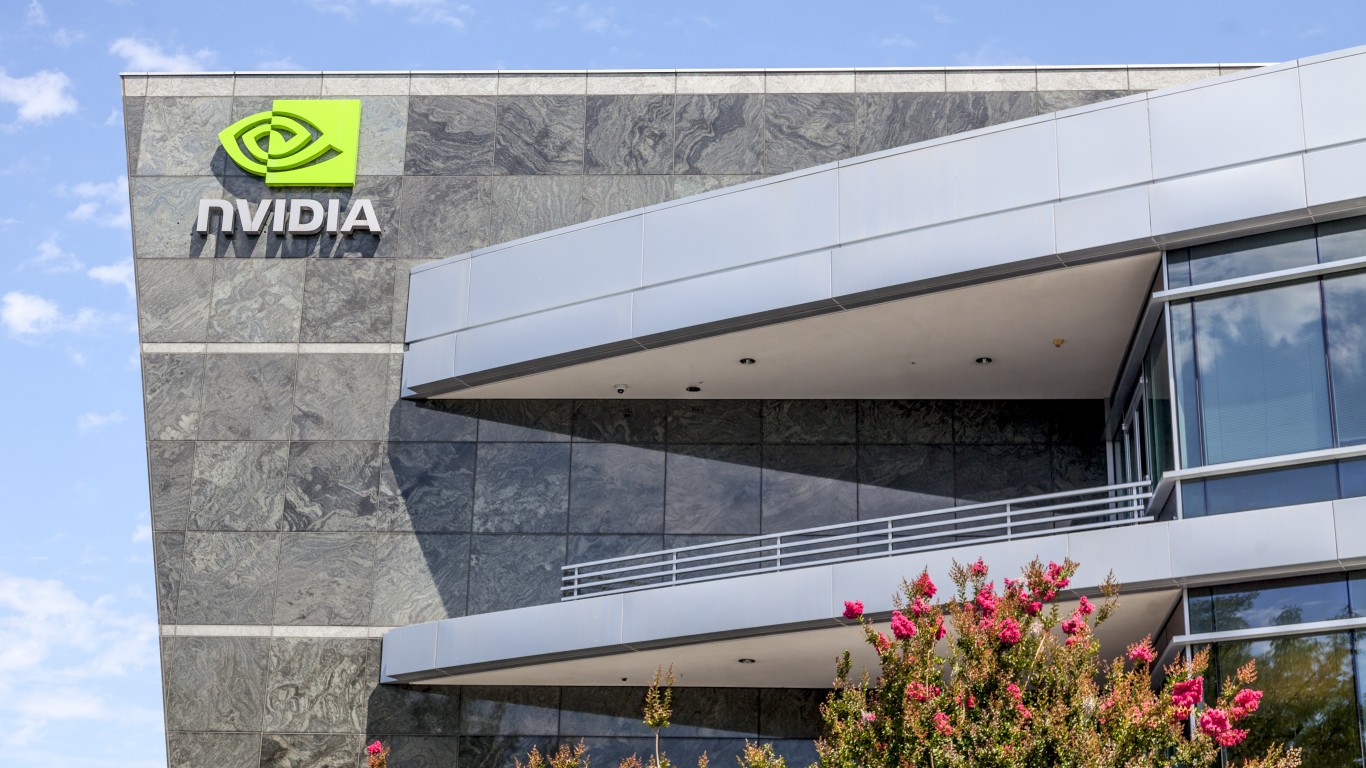
The obvious alternative is NVIDIA, which reported fiscal Q3 revenue of $115.84 billion[2], up 103.21% from a year earlier. That growth is significant. Its balance sheet also carries $390 billion[2] in supply commitments and guarantee exposure of up to $118 billion. It guided fourth-quarter gross margin down to 71.0% to 72.0%[2] during the Rubin ramp. Leadership turmoil added volatility. The company reinstated Jensen Huang as CEO after his resignation, and the stock jumped 31.48% in Monday’s session. NVIDIA expects frontier labs to supply about 15% of its data center revenue this year[1]. The labs creating that demand look like the better holding.
Risk I Refuse to Ignore
Anthropic’s own filing warns that recent growth may reflect “early-stage adoption dynamics” and that the growth rate will decline over time, possibly faster than management expects. Its compute commitments stretch out to 2045. If token prices fall faster than volume grows, those fixed costs will squeeze margins. I also have only three sessions of trading history to judge the stock.
Demand still keeps outpacing supply. NVIDIA says its compute remains “fully utilized across every hyperscaler and neocloud we serve,”[1] and cloud industry backlog reached $2.5 trillion, up from $2 trillion three months earlier. Falling prices have so far pulled in more usage.
What Keeps Anthropic’s Meter Running
Anthropic released Claude 5.5[1], and each stronger model takes on more tasks for customers. More tasks mean more tokens, and more tokens mean more revenue. While the world keeps feeding work into Claude, that meter keeps running. That search for the lab, or the chip company, or the infrastructure name that compounds for a decade is the exercise we walked through in a free playbook on spotting the next monster tech winner early: here.
Contact [email protected] for any questions or corrections.
Alex Sirois is a financial writer with experience spanning both retail and institutional investing. He has written for InvestorPlace and held roles at BNY Mellon and Bernstein, giving him a perspective that bridges Main Street portfolios and Wall Street analysis.
Alex holds an MBA from George Washington University and has built his career across multiple industries, including e-commerce, education, and translation — a breadth of experience that informs how he breaks down complex financial topics for everyday investors. His writing is conversational, actionable, and grounded in long-term, buy-and-hold investing principles.
At 247 Wall St., Alex focuses on delivering analysis that is both accessible and useful, with a clear emphasis on helping readers make more informed decisions with their money.