Billionaire David Einhorn’s Greenlight Has Nearly 18% of Its $3.55 Billion Portfolio in One Homebuilder

This post may contain links from our sponsors and affiliates, and Flywheel Publishing may receive compensation for actions taken through them.
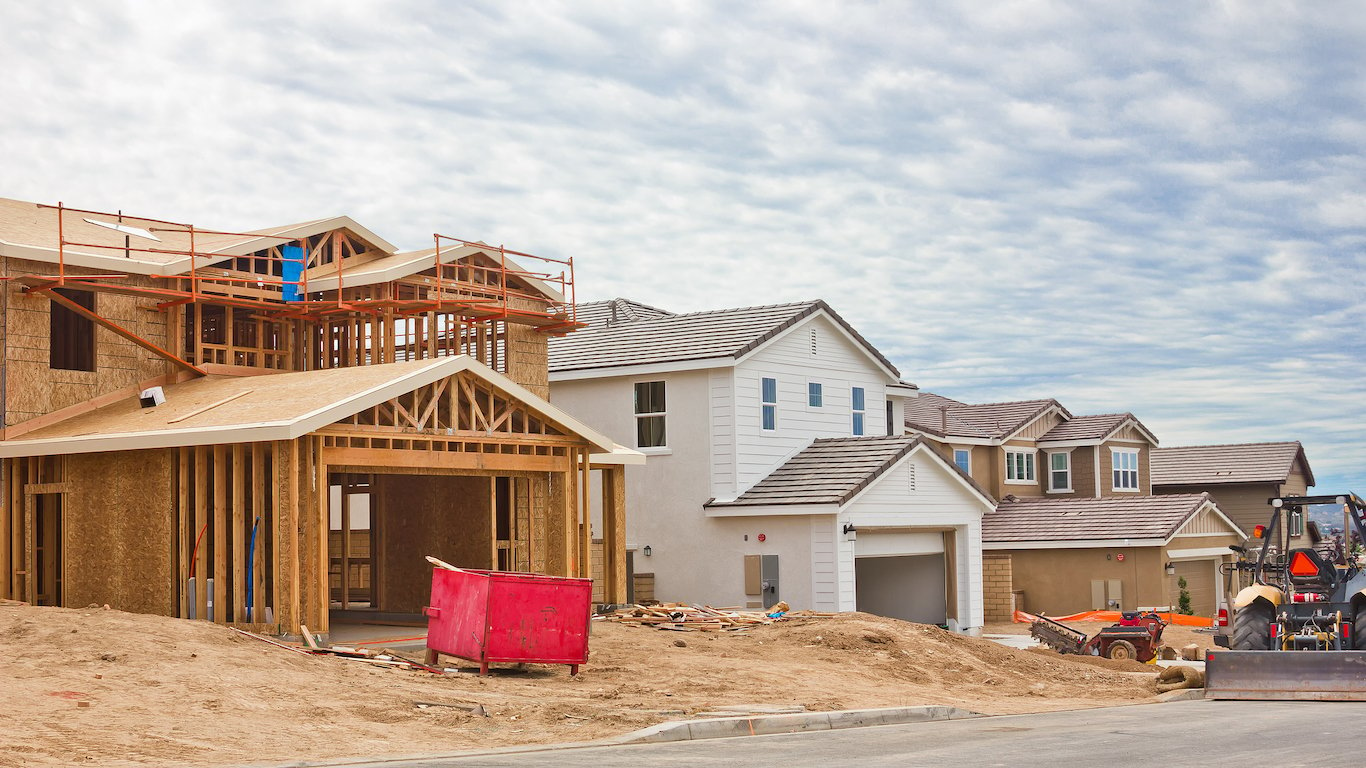
David Einhorn’s Greenlight Capital ended the third quarter with Green Brick Partners (NYSE:GRBK) as its largest disclosed holding. The Texas homebuilder made up 17.61% of a reported $3.55 billion portfolio as of September 30, 2026, according to Greenlight’s 13F filing on November 16, 2026.
Greenlight held 9,467,383 shares, the same count as the prior quarter. The reported share count remained unchanged, so changes in its portfolio weight reflect its market value relative to the rest of the reported holdings.
Greenlight Added Shares in Two Other Names
In the same quarter, Greenlight raised its PG&E (NYSE:PCG | PCG Price Prediction) stake by 50.8% to 10,000,000 shares. It also more than doubled its Comcast (NASDAQ:CMCSA) position, a 109.8% increase to 2,823,060 shares. The filing gives no reasons for either trade. Both positions are much smaller than the Green Brick stake.
Green Brick’s Margins and Balance Sheet Point to the Thesis
Green Brick’s filings show the case for owning it. The company owned 40,869 lots in the third quarter, up 11.4% from a year earlier. Management credits that self-developed land base for margins it calls the highest among public peers.
Homebuilding debt-to-total-capital fell to 13.1%[1], and book value per share rose 14% to $46.10. Trailing return on equity was 14.5%[1], compared with a peer median of 6.2% reported by management.
The latest quarter was lighter. EPS came in at $1.35[2], missing the $1.43 consensus. Revenue was $448.20M[2], short of the $475.52M estimate. Homebuilding gross margin narrowed by 410 bps[2] to 28.0%, and backlog revenue fell 17.0%.
Co-CEO Jim Brickman said there is still room to give: “We do not want to give up any margin, but we have a lot to give if we need to and still remain very profitable.”[1] The company also bought back 264,215 shares for about $17.9M.
Shares recently traded at $57.57. That is down 10.63% over the past month and 8.12% year to date, but up 119.06% over five years.
How Much Risk Comes With Concentration
A 13F discloses qualifying U.S.-listed securities, including stocks and certain options, and is generally due within 45 days of quarter-end. It omits short positions, other assets, and the fund’s overall strategy, so it doesn’t show Greenlight’s total exposure.
Keeping one name at 17.61% fits a value investor who lets a high-conviction holding grow and doesn’t trim it back. Inside a hedge fund, other positions can offset that risk.
An everyday retirement account usually has nothing to offset it. A stake that large in one homebuilder links results to mortgage rates and Texas housing demand. Brickman described the market as one with “deteriorating market conditions”[2], and the cancellation rate rose to 8.2% from 6.7%.
Why the Thesis Matters More Than the Trade
Greenlight’s position is worth studying, but the weighting is hard to copy. The case for Green Brick rests on owned land, low leverage, and returns above peers, all visible in public filings. The fund’s actual move this quarter was to hold Green Brick unchanged while adding to PG&E and Comcast.
Copying a 17.61% weight in a cyclical builder means taking on single-stock risk that most retirement portfolios avoid.
Anyone following the thesis should track incentives, gross margin, and order trends in the next earnings report, and check whether Greenlight’s next 13F still shows the same share count.
Contact [email protected] for any questions or corrections.
David Beren has been a Flywheel Publishing contributor since 2022. Writing for 24/7 Wall St. since 2023, David loves to write about topics of all shapes and sizes. As a technology expert, David focuses heavily on consumer electronics brands, automobiles, and general technology. He has previously written for LifeWire, formerly About.com. As a part-time freelance writer, David’s “day job” has been working on and leading social media for multiple Fortune 100 brands. David loves the flexibility of this field and its ability to reach customers exactly where they like to spend their time. Additionally, David previously published his own blog, TmoNews.com, which reached 3 million readers in its first year. In addition to freelance and social media work, David loves to spend time with his family and children and relive the glory days of video game consoles by playing any retro game console he can get his hands on.