Dan Sundheim’s Fund Still Has More Than Half of Its $32 Billion Stock Portfolio in One Stock

This post may contain links from our sponsors and affiliates, and Flywheel Publishing may receive compensation for actions taken through them.
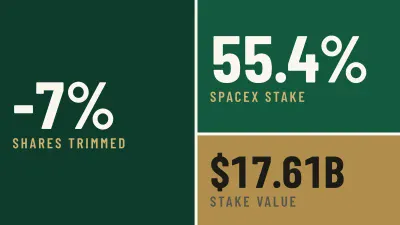
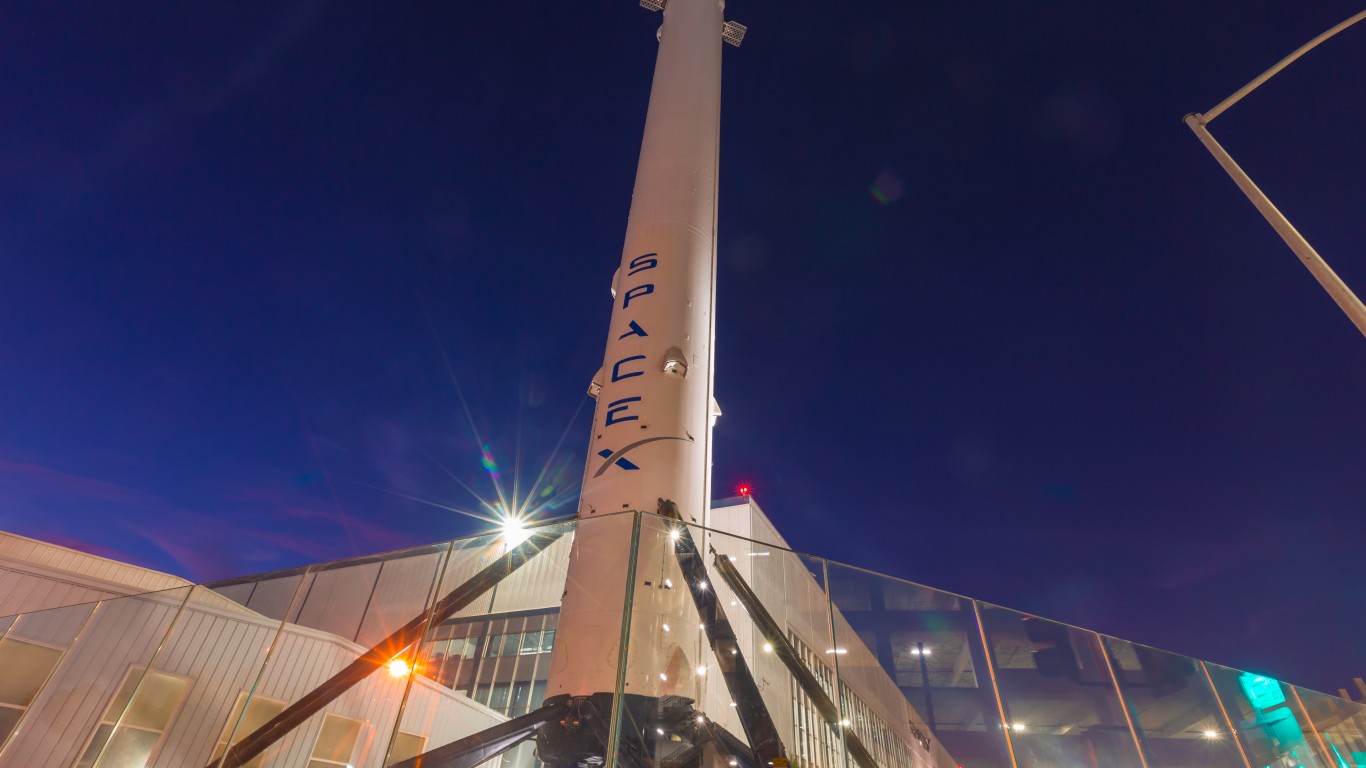
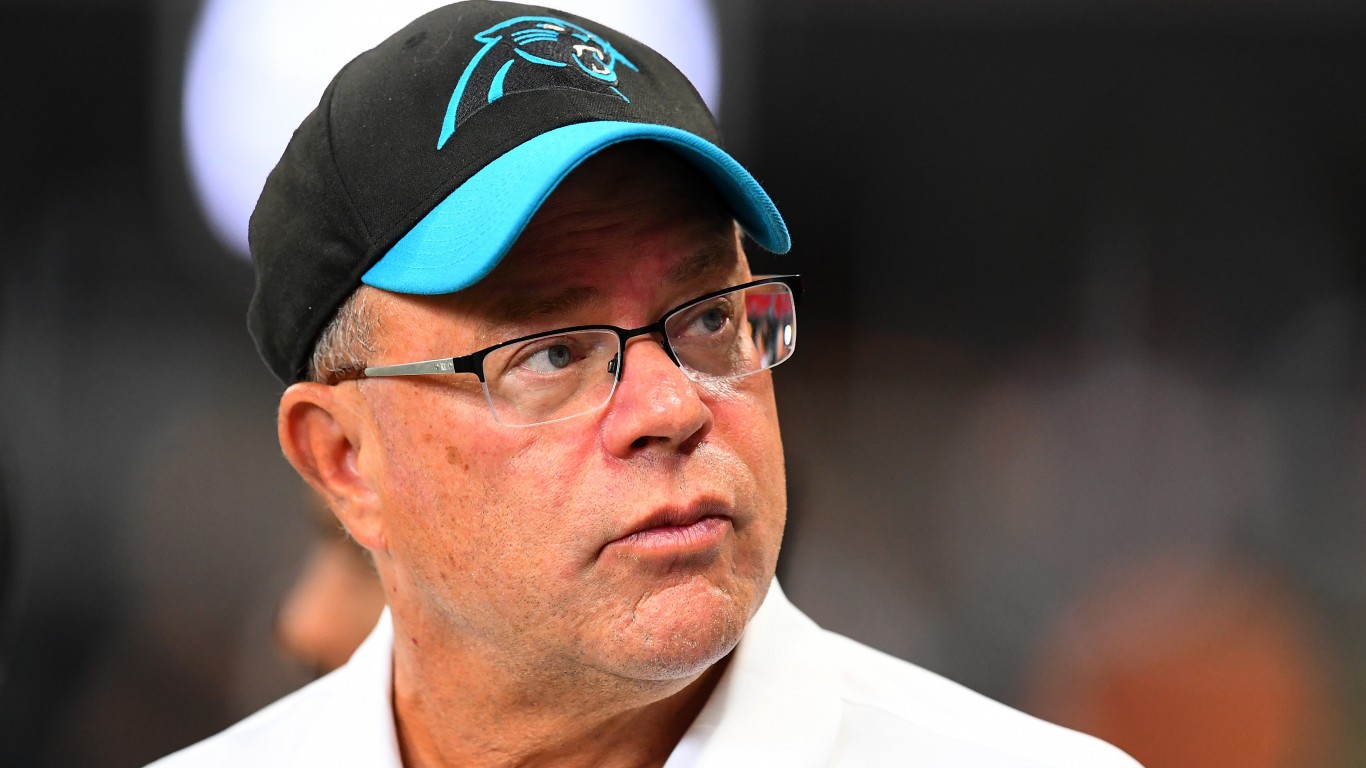
Dan Sundheim’s D1 Capital Partners cut its SpaceX (NASDAQ:SPCX | SPCX Price Prediction) position by 7%[1] during the third quarter. Even after that sale, the stock made up 55.4% of the fund’s $31.82 billion in reported holdings at Sept. 30. Those figures come from D1’s 13F, the quarterly summary of U.S.-listed holdings that large managers file with the SEC. This one was filed on Nov. 16, and it covers the fund’s book. Sundheim’s personal wealth is a separate matter.
A 7% Trim That Barely Dented the Concentration
In August, our coverage found D1 holding 126,042,232 SpaceX shares, or 62% of its reported holdings. By quarter-end, the count had dropped to 116,750,062[2] shares, worth $17.61 billion. Over the quarter, the stake lost $3.92 billion[3] in value. About $2.52 billion of that came from SpaceX’s falling share price, and roughly $1.40 billion came from the shares D1 sold.
D1’s next-largest disclosed position, Maplebear (NASDAQ:CART), made up about 3.06% of reported holdings. D1 also has a big company in the stock. NVIDIA (NASDAQ:NVDA) reported 130,472,925 shares, and of 23 tracked institutional investors, 15 added shares while 6 cut.
Why Sundheim Still Holds Most of His Stake
SpaceX’s October 20[4] earnings report backs up the bull case. Third-quarter revenue reached $14.60 billion[4], beating the $13.02 billion consensus, and the company moved to GAAP net income of $4.40 billion from a $1.10 billion net loss a year earlier.
The Super Intelligence segment, which holds the AI and infrastructure business, brought in $7.60 billion[4], up 830% year over year. Cloud deals, the Cursor acquisition, and Grok adoption drove that growth. Connectivity revenue rose 69%[4] to $5.20 billion, and Starlink reached 13.6 million consumer subscribers.
The risks are just as real as the growth. The Cursor deal added $1.2 billion[4] of stock-based compensation in the third quarter alone. Spending is huge: second-quarter capex hit $18.37 billion[4], with $15.83 billion going to AI compute (the power, cooling, and networking suppliers taking in that spend are the subject of our free AI infrastructure report, here).
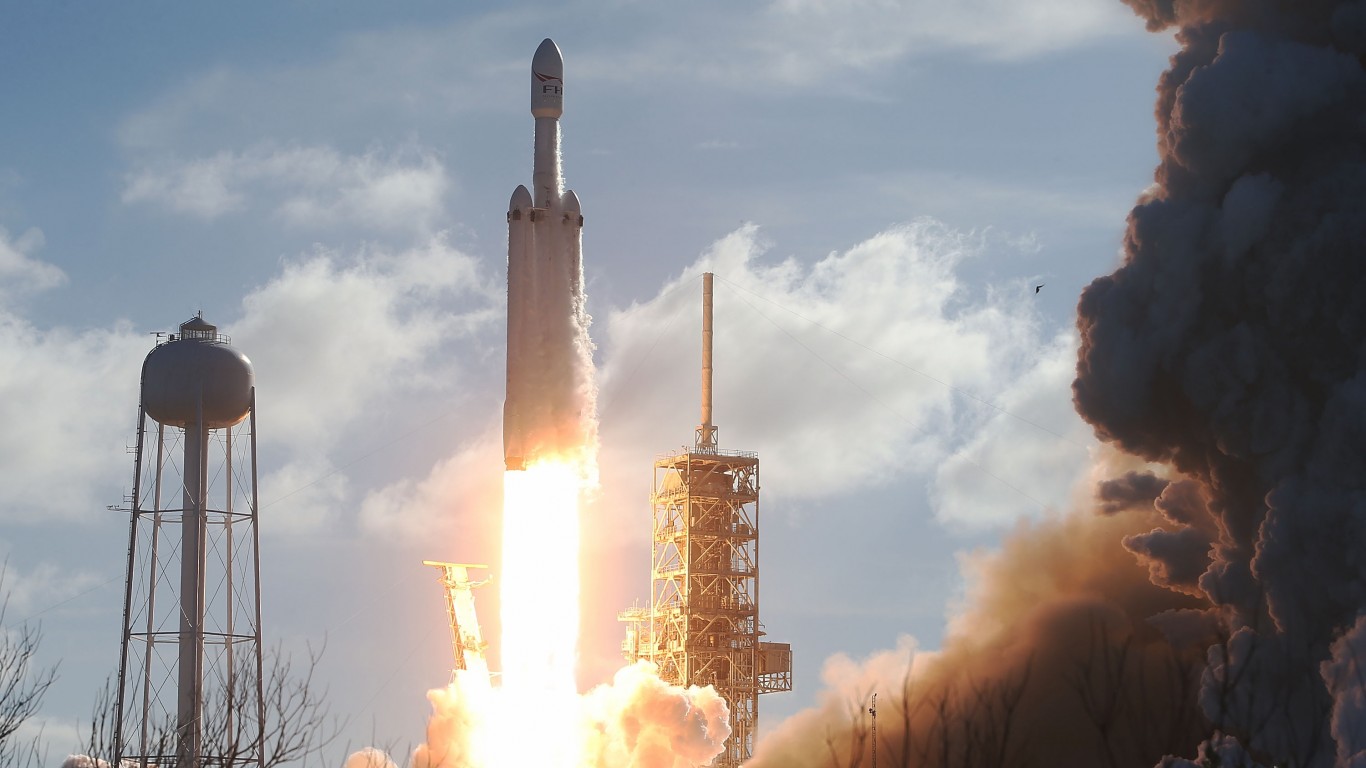
The 800 MHz spectrum purchase behind Starlink Mobile also faces regulatory risk before its expected close in the first half of 2027.
What Retirement Investors Should Take From the Filing
The market hasn’t paid up for the story lately. SpaceX traded at $142.51 in premarket trading today. That’s down 11.46% from $160.95 on June 12, and down 2.41% over the past month. The company’s market cap stands at $1.92 trillion. Barron’s noted this week that SpaceX’s latest rocket win wasn’t enough to lift the stock.


The filing also comes with a lag. Managers report 13F positions about 45 days after quarter-end, so nobody outside the fund knows the size of D1’s stake today.
Follow the Thesis, Skip the Sizing
D1’s filing is worth studying. Sundheim sold 7%[1] and still kept more than half the book in one name, which shows deep conviction in SpaceX’s AI, Starlink, and launch businesses. A hedge fund can handle a quarterly swing like $3.92 billion[3]. A retirement account is built for steadier compounding.
The useful part is the thesis. Track Starlink subscriber growth and AI segment revenue, and watch whether heavy capex turns into lasting profit. Copying a 55.4% allocation would leave most retirement savers exposed to a single bad quarter.
Contact [email protected] for any questions or corrections.
David Beren has been a Flywheel Publishing contributor since 2022. Writing for 24/7 Wall St. since 2023, David loves to write about topics of all shapes and sizes. As a technology expert, David focuses heavily on consumer electronics brands, automobiles, and general technology. He has previously written for LifeWire, formerly About.com. As a part-time freelance writer, David’s “day job” has been working on and leading social media for multiple Fortune 100 brands. David loves the flexibility of this field and its ability to reach customers exactly where they like to spend their time. Additionally, David previously published his own blog, TmoNews.com, which reached 3 million readers in its first year. In addition to freelance and social media work, David loves to spend time with his family and children and relive the glory days of video game consoles by playing any retro game console he can get his hands on.