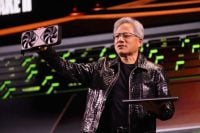
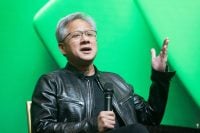
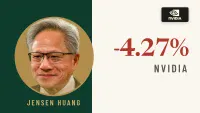
NVIDIA Retreats 2% as Blackwell Rack Reportedly Turns Up in Shanghai; Broadcom and Taiwan Semiconductor Rise 2%: Can StoneX’s $270 Target Survive Export Scrutiny?

This post may contain links from our sponsors and affiliates, and Flywheel Publishing may receive compensation for actions taken through them.
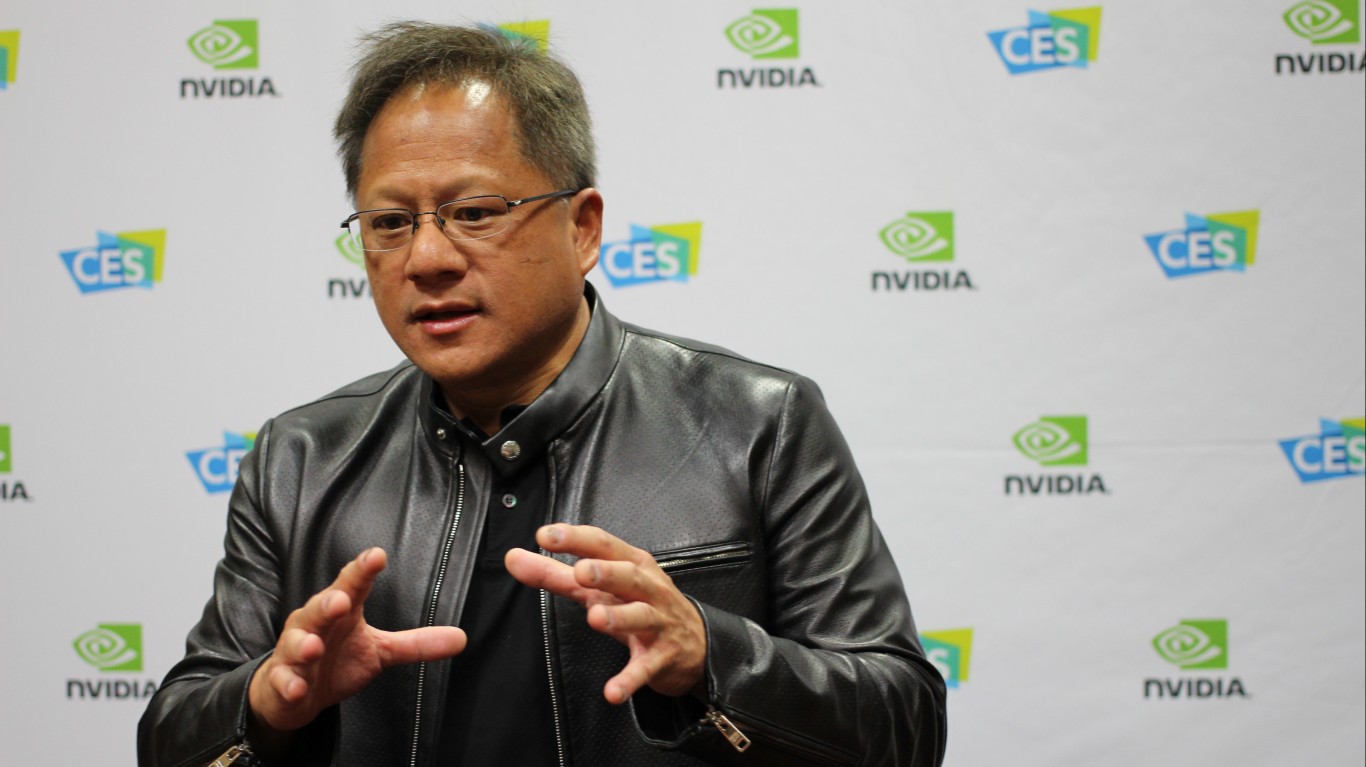
Fresh export-control headlines are testing the analyst upgrades that have piled up behind NVIDIA (NASDAQ:NVDA | NVDA Price Prediction) since Jensen Huang’s return as CEO. NVIDIA stock is at $146.84, down 2%, after giving back an early gain in the morning session. A Bloomberg report placing one of the company’s Blackwell Ultra racks in a Shanghai data center is adding to Washington’s scrutiny of chip diversion to China.
Chip stocks tied to the same AI build-out are rising. Broadcom (NASDAQ:AVGO) stock is at $306.53, up 2%. Taiwan Semiconductor Manufacturing (NYSE:TSM) stock is at $347.88, also up 2%. In the holiday-shortened session, technology is leading a broad rally after weeks of worry over AI spending.
What Bloomberg Found in Shanghai
Chinese loan filings reviewed by Bloomberg for a November 27 report show that a GB300 NVL72 rack holding 72[1] of NVIDIA’s Blackwell Ultra chips sat at the Yangtze River Delta Project in Shanghai. The site is linked to Megaspeed founder Alice Huang, and Bloomberg reported that a Megaspeed service provider pledged the rack as collateral for a CN¥96 million ($14 million)[1] loan. Bloomberg said it found no evidence Megaspeed itself sent hardware there, and the company has denied misconduct.
Following the rack’s serial number led Bloomberg to Gigabyte Technology, which declined to name the buyer. Jensen Huang argued in May 2025 that NVIDIA’s Grace Blackwell systems were too big to move quietly, saying buyers are “not going to be putting that into your pocket or your backpack anytime soon.” The Shanghai report tests that claim.
Export pressure is building on another front. The Financial Times reported on November 26 that NVIDIA told manufacturing partners to stop AI server shipments to Malaysia, Singapore, Thailand and Indonesia as Washington tightens export controls. Congress also has Jensen Huang scheduled for a closed-door House interview on December 1 and a public Senate Banking Committee hearing on December 3.
What the Upgrades Say About NVIDIA’s Value
Bernstein upgraded NVIDIA to Outperform with a $200[2] price target after Jensen Huang’s return. Oppenheimer analyst Rick Schafer also upgraded the stock to Outperform with a $250[2] target, calling the return “a win for AI and a win for investors.” StoneX went further, upgrading NVIDIA to Buy with a $270 price target, the highest of the three.
NVIDIA trades at a forward price-to-earnings (P/E) multiple of 10x[3], according to Koyfin, with analyst projections meaning 62% upside. That’s a low multiple for a company whose Q3 FY2027 revenue of $115.84 billion[4] rose 103.2% year over year.

A quieter risk sits in NVIDIA’s customer base. The company now requires neocloud customers to secure funding and activate data centers before its purchase commitments kick in. Colette Kress stated on the November 17 earnings call, “We have supported the development of this ecosystem, and we will continue to be disciplined and selective in our support.”
How Broadcom and Taiwan Semiconductor Stack Up Against NVIDIA
On a year to date (YTD) basis, NVIDIA ranks last of the three. NVIDIA stock is down 21% YTD. Broadcom stock is down 11% YTD. Taiwan Semiconductor stock is up 15% YTD, the only gain in the group.
The Bloomberg report centers on NVIDIA hardware and a rack following to Gigabyte Technology. December 9[5] brings Broadcom’s Q4 FY2026 earnings report, a separate test for that stock. As the contract manufacturer for both chip designers, Taiwan Semiconductor is moving in step with Broadcom.
Three Different Ways to Profit From AI Hardware
NVIDIA sells complete AI systems, from chips to full racks, and server makers such as Gigabyte Technology put together much of that hardware. That partner chain is where diversion risk can creep in.
Broadcom designs custom accelerators for a short list of hyperscalers and frontier AI labs, then pairs them with Ethernet networking chips and VMware software. The company’s chips are co-developed around each customer’s own AI models.
Taiwan Semiconductor builds the silicon for both companies as a dedicated contract foundry. Export exposure for the foundry runs through its customers and its own plants in China, the U.S. and Japan.
NVIDIA’s Upgrade Case Heads to Capitol Hill
Investors will soon learn whether Jensen Huang can satisfy lawmakers on diversion next week. Management’s word that demand “continues to meaningfully outstrip supply”[6] gives the bulls their strongest support, along with three upgrades led by StoneX. The bears counter with a rack in Shanghai, stopped shipments across Southeast Asia and the chance of tighter rules.
Tighter controls could pressure the upgrade case, while clear answers in Washington might support it. Waiting for clarity could be a prudent policy for investors while Washington’s scrutiny of NVIDIA plays out.
Contact [email protected] for any questions or corrections.
David Moadel is financial writer specializing in stocks, ETFs, options, precious metals, and Bitcoin. David has written well over 1,000 articles for leading online publications, helping investors understand markets, income strategies, and risk. His work has appeared in 24/7 Wall St., The Motley Fool, InvestorPlace, U.S. News & World Report, TipRanks, ValueWalk, Benzinga, Market Realist, MarketScreener, TalkMarkets, Finmasters, and others. With a master’s degree in education, David has taught at the elementary, high school, and college levels. That teaching background shapes his writing style: clear, educational, and practical. David has also built a loyal social-media audience by providing trustworthy financial content on YouTube, X/Twitter, and StockTwits.