Ripple Is Valued at $50 Billion While XRP Trades at $1: Is XRP Undervalued?
Ripple just got valued at $50 billion while the token powering its entire network trades for $1, and the math behind that gap reveals something surprising about what investors actually think XRP is worth.

This post may contain links from our sponsors and affiliates, and Flywheel Publishing may receive compensation for actions taken through them.
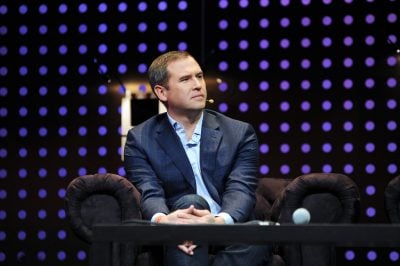
Ripple was valued at $50 billion in March, when the company bought back $750 million of its own shares. That was 25% higher than the $40 billion valuation it raised at in November, and the business has kept growing since.
However, the XRP (CRYPTO:XRP) price has fallen from $1.38 in March to $1 today. So Ripple keeps getting more valuable while the token it built keeps looking cheaper, which is why so many holders think XRP is undervalued. But does Ripple’s valuation actually prove it?
How Ripple Got to a $50 Billion Valuation
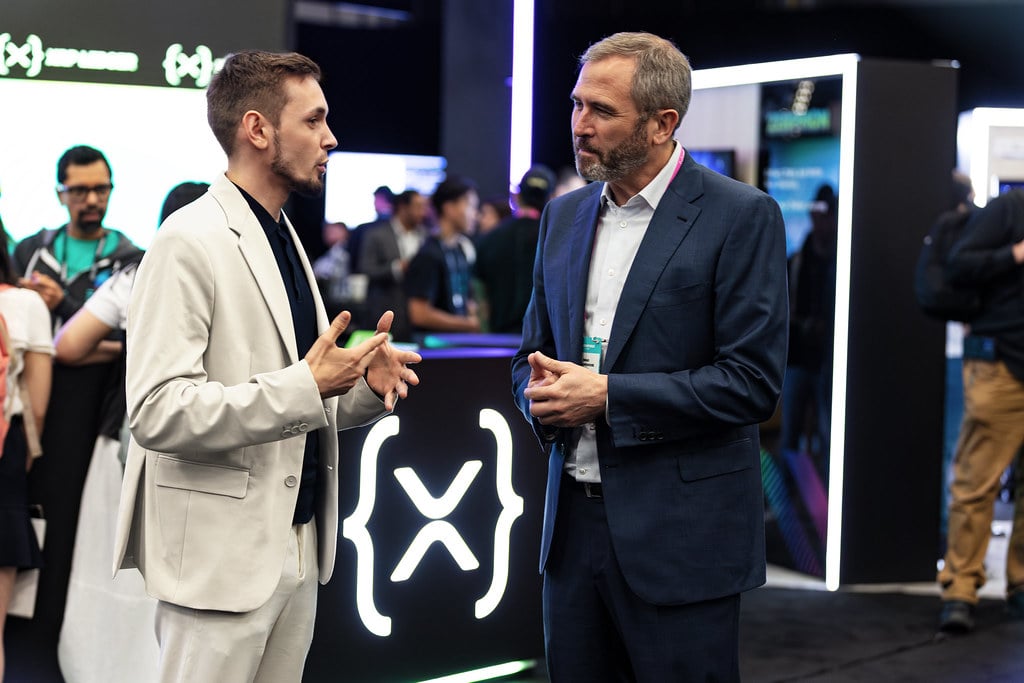
Ripple’s valuation has climbed fast while the XRP price fell. The company was worth near $15 billion in March 2025 and around $28 billion by that June. By September it was offering to buy back shares at $40 billion, and in November it raised $500 million at that same $40 billion valuation from investors including Citadel Securities and Fortress Investment Group.
Then in March this year, Ripple began a $750 million buyback that valued it near $50 billion. That is the company buying its own shares back from investors and staff, and whatever price it agrees to pay becomes the valuation. The $50 billion was a 25% jump in four months, agreed during a downturn that had knocked more than 40% off Bitcoin and 30% to 40% off XRP.
However, that valuation gets negotiated with a small group of funds rather than set by everyone buying and selling in the open. So it only updates when Ripple does another deal, and the market can move a long way in between.
Moreover, XRP traded around $1.38 when the $50 billion was agreed, and Ripple has not been valued again ever since. XRP has fallen about 27% since March, so the $50 billion is a March number being compared against an August price.
What Ripple’s Business Is Actually Worth Without XRP
Ripple CEO Brad Garlinghouse said in June that the company expects to end 2026 earning at an annual pace of $1 billion, and he specifically left out the XRP on Ripple’s balance sheet. That is a target Ripple is working toward rather than money it has already made, but it tells us what the company thinks its business earns without its native token.
Moreover, Ripple’s customers are corporate treasury departments rather than retail traders, and more than $100 billion has moved through its payment network since launch. Ripple Prime, the institutional brokerage it bought as Hidden Road for $1.25 billion in April 2025, has seen revenue triple since integration.
Beyond that, RLUSD has grown to a $1.57 billion market value, the company holds 75 regulatory licences globally, keeps more than $1 billion in cash, and has spent roughly $4 billion buying companies since 2025.
However, $1 billion a year against a $50 billion valuation means investors are paying 50 times what Ripple earns, which is steep even for a company growing this fast.
Why Ripple’s $50 Billion Price Implies a Discount on XRP
Ripple controls between 38 billion and 40 billion XRP, which is close to 40% of the 100 billion tokens that will ever exist. Most of that is held in escrow, a locked account Ripple set up in 2017 so it could not flood the market, and the rest is in wallets it can spend from.
At the $1.38 XRP price when the valuation was agreed, those holdings were worth between $52 billion and $55 billion, while the entire company, business included, was priced at $50 billion.
That only adds up if the investors valued Ripple’s XRP at well under $1.38 a token. Had they priced it at market, the tokens alone would have been worth more than the $50 billion they paid, and everything else Ripple owns would have counted for nothing.
The reason for that discount is that Ripple cannot actually sell 38 billion tokens. Trying would crash the XRP price long before the company got through them, so the escrow releases 1 billion a month and locks 70% to 80% straight back. Only 200 million to 300 million reaches the market, worth around $200 million to $300 million at today’s prices.
Is XRP Undervalued?
Ripple’s valuation cannot answer that, and it actually suggests the opposite. The investors who priced the company at $50 billion marked its XRP well below the open market XRP price, which is the opposite of calling the token cheap.
However, that valuation does say Ripple’s business is worth paying for. Revenue at Ripple Prime has tripled, Fortune 500 treasuries are moving real money through the network, and none of it depends on what XRP does this quarter.
Ripple’s own shareholders seem to agree. A September 2025 offer to buy back $1 billion of stock at $40 billion drew the lowest participation of any tender the company had run, meaning holders would rather keep the equity than sell at that price.
So the XRP price only moves when people buy the token, through the ETFs or through institutions settling payments in it, and none of that follows automatically from Ripple becoming a bigger company.
Contact [email protected] for any questions or corrections.
Sam Daodu is a crypto analyst who's spent nearly a decade making blockchain understandable—no easy task when most whitepapers read like fever dreams. He writes for 24/7 Wall St., covering Bitcoin, altcoins, and crypto market analysis for investors. Before crypto, he was a tech writer (back when explaining "the cloud" was peak innovation). Since 2018, he's written for CoinTelegraph, Yahoo Finance, The Block, Cryptonews, Zypto, Rain, and more—basically anywhere people want crypto news without the headache. Sam runs MacLabs Marketing, a content agency for crypto brands tired of sounding like AI wrote their website. He also publishes free crypto education on his site for Web3 enthusiasts who think "gas fees" is a typo. When he's not writing or staring at charts, Sam's either: - Watching anime (currently convinced One Piece has better tokenomics than most altcoins) - At the gym sculpting himself into a Greek god - Listening to the music your mum warned you only bad boys listen to Connect: LinkedIn | Email | MacLabs Marketing