Cardano or XRP: Which Is the Better Investment Under $2 by 2030?
Both Cardano and XRP sit under $2, but one has lost nearly 70% of its value over the past year while the other commands ten times the market cap. Picking the wrong one before 2030 could be a costly mistake.

This post may contain links from our sponsors and affiliates, and Flywheel Publishing may receive compensation for actions taken through them.

Cardano (CRYPTO:ADA) is trading around $0.25, while XRP (CRYPTO:XRP) is priced at approximately $1.53, meaning both options are well beneath $2. To hit $2, Cardano would need to increase eightfold, while XRP needs only a roughly 31% rise.
Recently, Cardano has shown stronger gains, but XRP has experienced less loss over the past year. If an investor can only choose one of these cryptocurrencies to hold until 2030, which is the better option: Cardano or XRP?
Cardano Has Rallied Harder but Lost More Over the Past Year
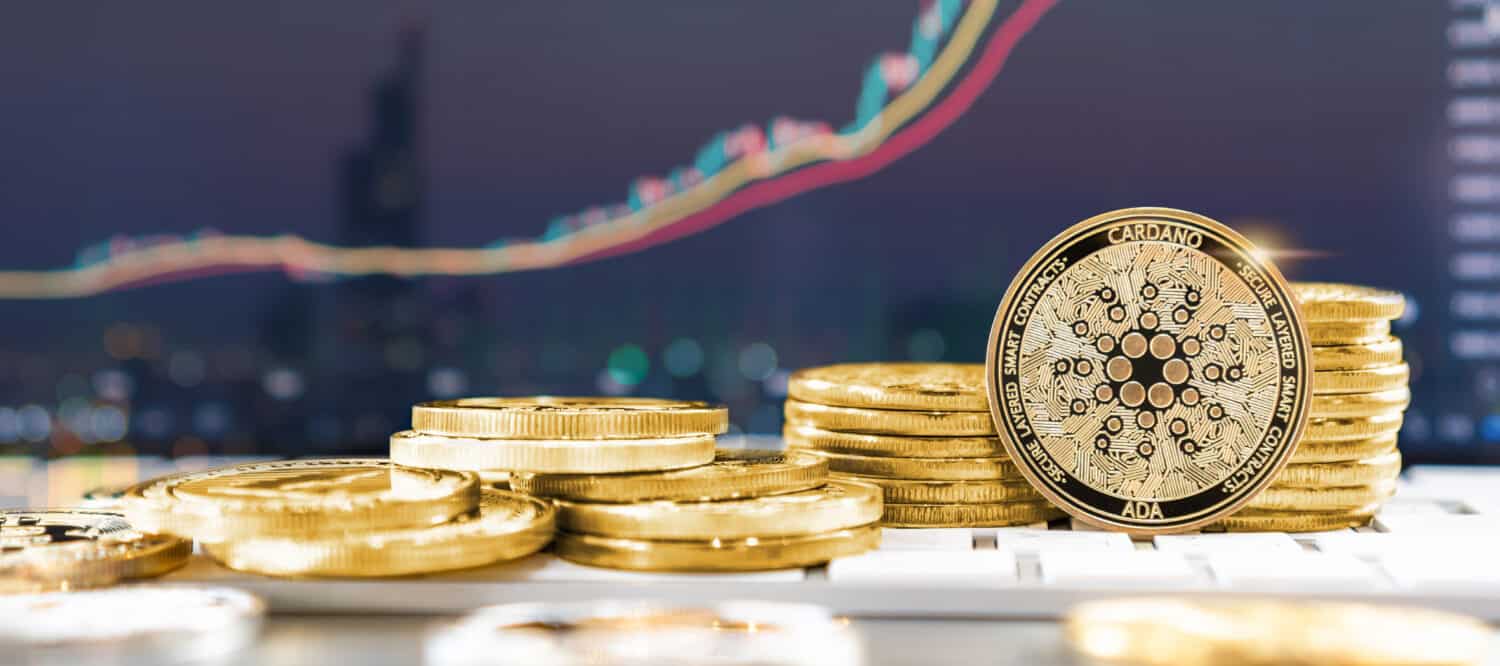
Cardano operates as a proof-of-stake blockchain, where ADA holders help confirm transactions by locking their tokens and earning rewards in return. Over the last three months, ADA has surged by 77%, including a 24% rise in the past month. In comparison, XRP has registered gains of 46% over three months and 10% over the last month.
However, Cardano has underperformed over longer periods; it is down 24% for 2026 and a staggering 68% over the past year. Anyone who purchased ADA when it was near $0.77 a year ago is now facing a loss of over two-thirds of their investment. Additionally, ADA is currently trading about 92% lower than its all-time high of $3.10 from September 2021.
XRP Has Lost Less and Carries 10 Times Cardano’s Market Value

XRP runs on the XRP Ledger, a blockchain designed for quick and cost-effective payment settlements, including cross-border transactions. XRP has experienced a loss of only 17% in 2026 and 46% over the last year, both of which are better results than Cardano’s.
Moreover, XRP boasts a significantly larger market capitalization—about $97 billion—with approximately 63 billion coins in circulation. In contrast, Cardano’s roughly 37 billion ADA are valued at around $9.4 billion. This difference means that large buy orders in XRP can be executed with less impact on its price. Additionally, U.S. XRP ETFs have taken in approximately $1.75 billion since their inception.
Cardano and XRP Both Keep Adding New Supply
Both cryptocurrencies continue to add to their supply. Cardano has a capped supply of 45 billion ADA, meaning about 8 billion more tokens can still be released. XRP, on the other hand, is capped at 100 billion, with Ripple unlocking up to 1 billion XRP from escrow each month, adding several hundred million new coins to the market every month.
Investors in both cryptocurrencies will need to absorb this new supply over the coming years. If Cardano reaches $2, it would have a market cap of about $74 billion, while XRP would stand at around $126 billion. Ultimately, a strong performance in a single quarter, such as Cardano’s recent 77% gain, does not offset its significant 68% loss over the past year.
Cardano vs. XRP: Which Is the Better Buy Under $2 for 2030?
When considering the two investments under $2, XRP appears to stand out as the better choice for a long-term hold until 2030. It has experienced smaller losses over both 2026 and the past year and possesses ten times the market value of Cardano. While Cardano may continue to rise in the near term, one quarter of strong performance cannot overshadow a 68% decline.
In summary, if you have to choose between Cardano and XRP for long-term investment potential under $2 by 2030, XRP offers a more reliable chance to withstand the volatility of the crypto market. That said, this outlook could change if Cardano manages to climb back above its starting price of about $0.33 from the beginning of the year, approximately 32% higher than its current price, or if XRP drops below $1.50.
Contact [email protected] for any questions or corrections.
Sam Daodu is a crypto analyst who's spent nearly a decade making blockchain understandable—no easy task when most whitepapers read like fever dreams. He writes for 24/7 Wall St., covering Bitcoin, altcoins, and crypto market analysis for investors. Before crypto, he was a tech writer (back when explaining "the cloud" was peak innovation). Since 2018, he's written for CoinTelegraph, Yahoo Finance, The Block, Cryptonews, Zypto, Rain, and more—basically anywhere people want crypto news without the headache. Sam runs MacLabs Marketing, a content agency for crypto brands tired of sounding like AI wrote their website. He also publishes free crypto education on his site for Web3 enthusiasts who think "gas fees" is a typo. When he's not writing or staring at charts, Sam's either: - Watching anime (currently convinced One Piece has better tokenomics than most altcoins) - At the gym sculpting himself into a Greek god - Listening to the music your mum warned you only bad boys listen to Connect: LinkedIn | Email | MacLabs Marketing