Chainlink at $100 or XRP at $10: Which Is More Likely?
Chainlink and XRP both need roughly the same multiple to hit their targets, but the dollar figures behind those moves tell a very different story about which one actually has a shot.

This post may contain links from our sponsors and affiliates, and Flywheel Publishing may receive compensation for actions taken through them.
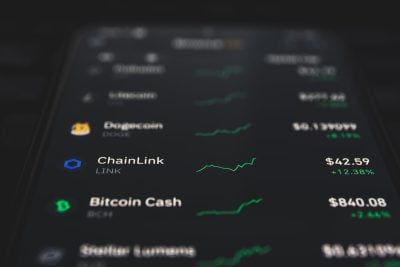
Chainlink (CRYPTO:LINK) is currently priced at $14.16, so it needs to climb roughly 7 times to hit the $100 mark. On the other hand, XRP (CRYPTO:XRP) is at $1.53 and would require about a 6.5x increase to reach $10. Both cryptocurrencies have grown recently, with Chainlink up 24% and XRP up 10% over the past month.
So, which is more likely: Chainlink reaching $100 or XRP hitting $10? Although the required multiples are similar, the underlying dollar amounts differ significantly.
Chainlink at $100 Would Be Worth About $75 Billion, XRP at $10 About $629 Billion
For Chainlink to hit $100, its market value would shoot up to around $75 billion. Currently, Chainlink has about 748 million LINK tokens in circulation, leading to a market value of roughly $10.6 billion.
In contrast, XRP, which has about 63 billion coins currently in circulation, has a market value near $97 billion. If it reached $10, XRP’s value would skyrocket to about $629 billion, representing over a fifth of the entire $2.9 trillion crypto market.
While Chainlink needs a slightly larger percentage increase, XRP’s market value would have to rise by more than $500 billion, making it a heavier lift.
Both Chainlink and XRP Would Have to Beat Their Record Highs

Both cryptocurrencies are still trading well below their previous record highs. Chainlink reached nearly $53 in May 2021, making the climb to $100 nearly double its highest price. XRP, on the other hand, peaked at around $3.84 in January 2018, and even considering its July 2025 high of roughly $3.65, reaching $10 would be more than 2.5 times its record.
Both coins also face the reality of being down compared to where they were last year. Chainlink has dropped 32% from approximately $21, and XRP is down a staggering 46% from about $2.82. Many current holders may be inclined to sell as prices recover towards their previous levels.
Chainlink Has Outpaced XRP in 2026
Over the past three months, Chainlink outperformed XRP significantly, doubling in value with a 96% increase, while XRP only rose 46%. Year-to-date, Chainlink is up 16%, whereas XRP remains down 17%. Recent partnerships, like Chainlink’s agreement with Infosys, have given investors additional reasons to pay attention to the token.
Chainlink also benefits from a capped supply, with a maximum of 1 billion tokens, which means only about 250 million more tokens could be added to circulation. In contrast, XRP has a cap of 100 billion tokens, and Ripple continues to release up to 1 billion XRP from escrow each month, adding a few hundred million new coins to the market every month after it locks the rest back up.
Which Is More Likely, Chainlink at $100 or XRP at $10?
In summary, Chainlink reaching $100 seems more achievable than XRP hitting $10, though both scenarios are still challenging. Chainlink requires significantly less growth in terms of market value, has been trending stronger in 2026, and faces less pressure from new supply. Meanwhile, XRP needs to grow by over $500 billion in market value.
Even institutions like Standard Chartered predict a bright future, forecasting Chainlink at $200 and XRP at $28 by 2030, which puts these targets years away.
If we ask ourselves, which is more likely: Chainlink at $100 or XRP at $10? The evidence points toward Chainlink having the better chance. For it to achieve this target, however, it first needs to recover above $20, which is about 41% above its current price. Conversely, XRP would need to sustain its value above $2—approximately 31% higher—before the path to $10 becomes realistic. A decline back towards lower price points could jeopardize Chainlink’s chances of reaching $100.
Contact [email protected] for any questions or corrections.
Sam Daodu is a crypto analyst who's spent nearly a decade making blockchain understandable—no easy task when most whitepapers read like fever dreams. He writes for 24/7 Wall St., covering Bitcoin, altcoins, and crypto market analysis for investors. Before crypto, he was a tech writer (back when explaining "the cloud" was peak innovation). Since 2018, he's written for CoinTelegraph, Yahoo Finance, The Block, Cryptonews, Zypto, Rain, and more—basically anywhere people want crypto news without the headache. Sam runs MacLabs Marketing, a content agency for crypto brands tired of sounding like AI wrote their website. He also publishes free crypto education on his site for Web3 enthusiasts who think "gas fees" is a typo. When he's not writing or staring at charts, Sam's either: - Watching anime (currently convinced One Piece has better tokenomics than most altcoins) - At the gym sculpting himself into a Greek god - Listening to the music your mum warned you only bad boys listen to Connect: LinkedIn | Email | MacLabs Marketing