An Analyst Says Dogecoin Falls to $0.05 in 2027 While Whales Spend $110 Million Buying It. Who Is Right?
Whales just poured over $100 million into Dogecoin while one analyst insists the coin is headed for a painful collapse. The data tells two very different stories, and only one side can be right.

This post may contain links from our sponsors and affiliates, and Flywheel Publishing may receive compensation for actions taken through them.

An analyst’s forecast published on September 30, 2026, suggests that Dogecoin (CRYPTO:DOGE) may fall to $0.05 in 2027, which would be about 47% lower than its current price. Interestingly, during that same week, large investors—known as whales—purchased approximately 1.14 billion DOGE, totaling around $110 million, in just four days, according to on-chain analyst Ali Martinez.
So, what’s the verdict? Will Dogecoin really drop to $0.05, or are the whales ahead of the curve on a potential recovery? As of now, Dogecoin trades near $0.095, showing a 15% increase over the past month. The answer largely hinges on whether demand from these large purchases can keep pace with the new coins Dogecoin continues to produce daily.
Dogecoin’s Five-Year Slide Backs the $0.05 Prediction

Historical data backs the forecast for a drop to $0.05. Dogecoin peaked at approximately $0.73 on May 7, 2021, but it has since declined by about 87%. Although there have been moments when buyers pushed the price higher, these rallies consistently fell short of repeating that 2021 high.
Supply dynamics also support this bearish view. With around 156 billion coins currently in circulation and no maximum supply limit, miners add roughly 5.3 billion new DOGE annually. At the current price of $0.095, this translates to new supply worth about $500 million each year, or around $1.4 million daily—an amount buyers must absorb just to maintain the current price level.
However, for Dogecoin to drop to $0.05, more than a gradual downward trend is needed. At that price point, Dogecoin’s total market value would drop from about $14.8 billion to $7.8 billion, requiring holders to sell about $7 billion worth of coins into a market that may have limited demand. So far, this kind of significant drop in buy pressure has not been seen in recent trading activity.
Whales Bought 2.6 Months of New Dogecoin in Four Days

Whales’ large purchases stand out against this backdrop. The 1.14 billion DOGE accumulated by these major players amounts to roughly 80 days’ worth of mining output, meaning they absorbed about 2.6 months of new coins within just four days.
However, the metrics used to track whale purchases may not paint a complete picture. Large transfers from exchange wallets are often categorized as buying, but these transactions could reflect storage moves or transfers between custodians rather than actual market purchases. Furthermore, if these whales decide to sell during the next price rally, their buying could quickly turn into additional supply.
On the other hand, every sale requires a buyer on the opposite end. While the $110 million reflects a significant change in Dogecoin ownership near the $0.095 mark, it doesn’t conclusively prove that buyers outnumber sellers over the longer term.
Dogecoin ETFs Hold $15.5 Million, a Fraction of Whale Buying
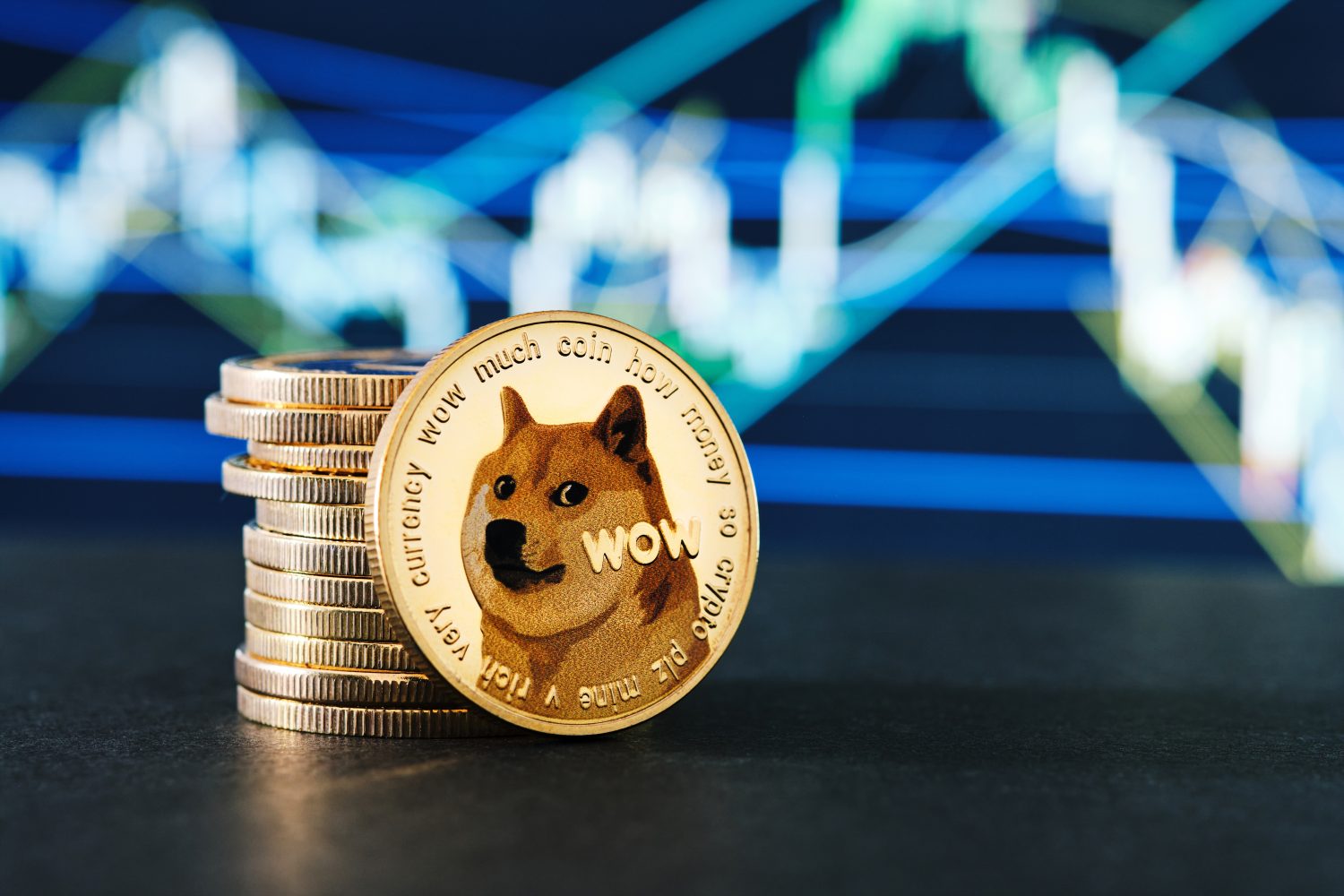
Fund activity provides a clearer signal of market sentiment. U.S. Dogecoin exchange-traded funds (ETFs) recently reported a record inflow of $2.89 million, bringing their total holdings to about $15.5 million. However, this amount only represents roughly 0.1% of Dogecoin’s overall market value, and the record week’s inflow equals less than 3% of the whale purchases.
Adding to this uncertainty, Bitwise has announced plans to close its Dogecoin ETF on October 14, limiting investors’ options for holding the coin.
On another front, developers are making moves to attract attention. DogeOS recently launched its Chikyū public testnet, allowing developers to trial Ethereum-style applications using tokens currently without a market value. The initiative’s real impact will depend on a successful rollout and sustained user engagement.
Dogecoin Has Slipped Back Below $0.10 After a Short Squeeze
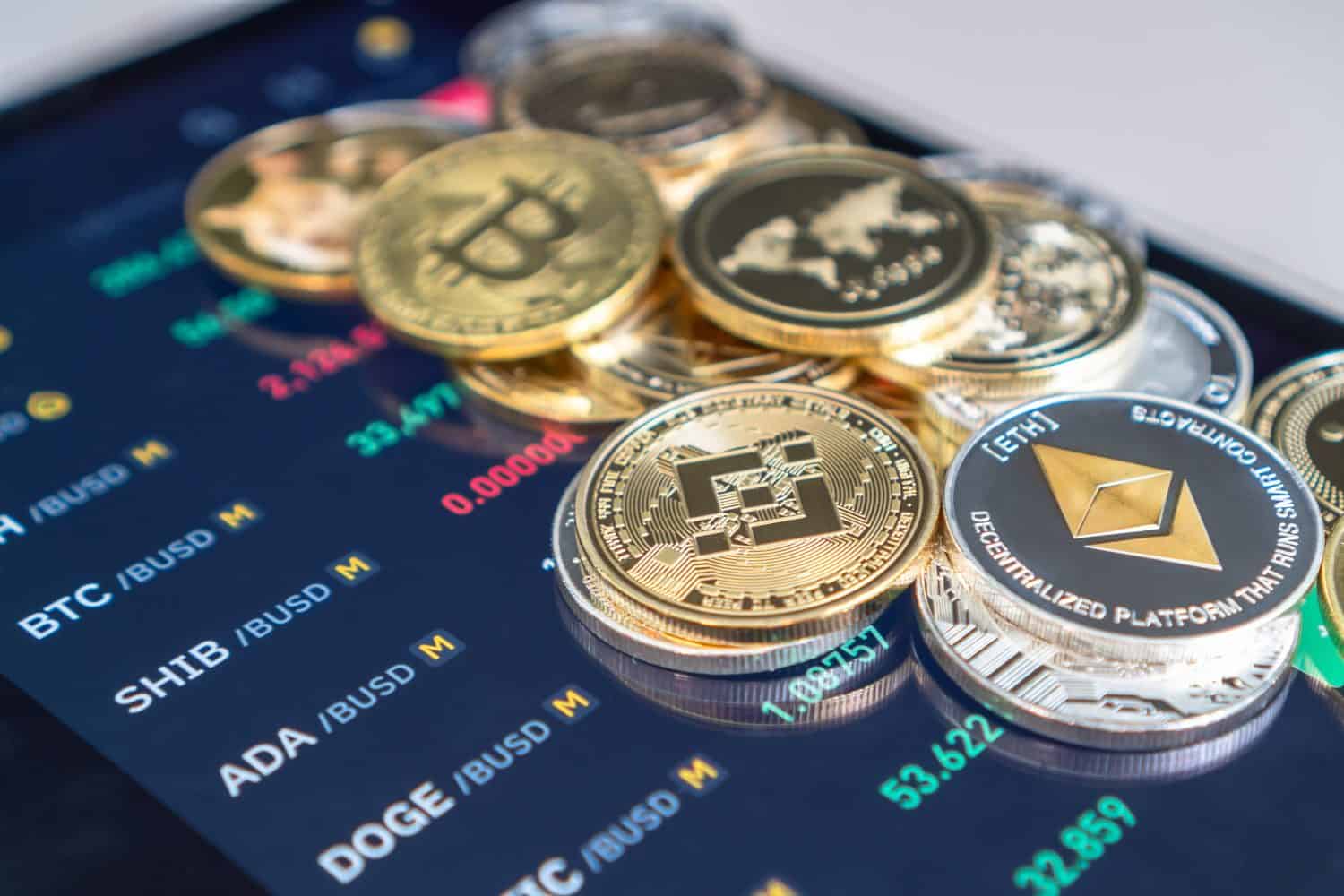
Price movements offer the quickest way to gauge market sentiment. Following a short squeeze, Dogecoin briefly climbed back above $0.10 in late September, but it has since retreated to around $0.095—roughly 5% below that level.
Investors who bought around the $0.10 mark are now approaching a break-even point, and many could sell as soon as they recover their initial investment. Thus, each attempt for Dogecoin to rise above $0.10 may face fresh selling pressure. A daily close above this level would indicate that whale demand has absorbed that selling pressure.
Will Dogecoin Fall to $0.05, or Are the Whales Right?
For now, whales appear to have the upper hand in the near term, but their position is not guaranteed. The $0.05 prediction requires a significant 47% decline alongside approximately $7 billion in selling pressure, while recent trends show more buying interest than selling. However, the $110 million bought by whales is only a small fraction of the $500 million that miners introduce yearly, and Dogecoin’s dramatic decline from its 2021 peak supports the analyst’s bearish view.
Ultimately, will Dogecoin fall to $0.05? A consistent daily close above $0.10, combined with continued long-term buying and further ETF inflows, could suggest that the whales are interpreting the market correctly. On the other hand, a slip below $0.09 while fund inflows appear to wane, might lend weight to the analyst’s prediction.
Contact [email protected] for any questions or corrections.
Sam Daodu is a crypto analyst who's spent nearly a decade making blockchain understandable—no easy task when most whitepapers read like fever dreams. He writes for 24/7 Wall St., covering Bitcoin, altcoins, and crypto market analysis for investors. Before crypto, he was a tech writer (back when explaining "the cloud" was peak innovation). Since 2018, he's written for CoinTelegraph, Yahoo Finance, The Block, Cryptonews, Zypto, Rain, and more—basically anywhere people want crypto news without the headache. Sam runs MacLabs Marketing, a content agency for crypto brands tired of sounding like AI wrote their website. He also publishes free crypto education on his site for Web3 enthusiasts who think "gas fees" is a typo. When he's not writing or staring at charts, Sam's either: - Watching anime (currently convinced One Piece has better tokenomics than most altcoins) - At the gym sculpting himself into a Greek god - Listening to the music your mum warned you only bad boys listen to Connect: LinkedIn | Email | MacLabs Marketing