Walmart-Backed OnePay Now Sells Solana and Arbitrum. Does a Retail App Listing Influence Price?
Walmart's payments app OnePay quietly added Solana and Arbitrum to its crypto lineup, and months later both tokens surged dramatically. But figuring out whether the listing deserves any credit reveals something surprising about how retail crypto access actually works.

This post may contain links from our sponsors and affiliates, and Flywheel Publishing may receive compensation for actions taken through them.
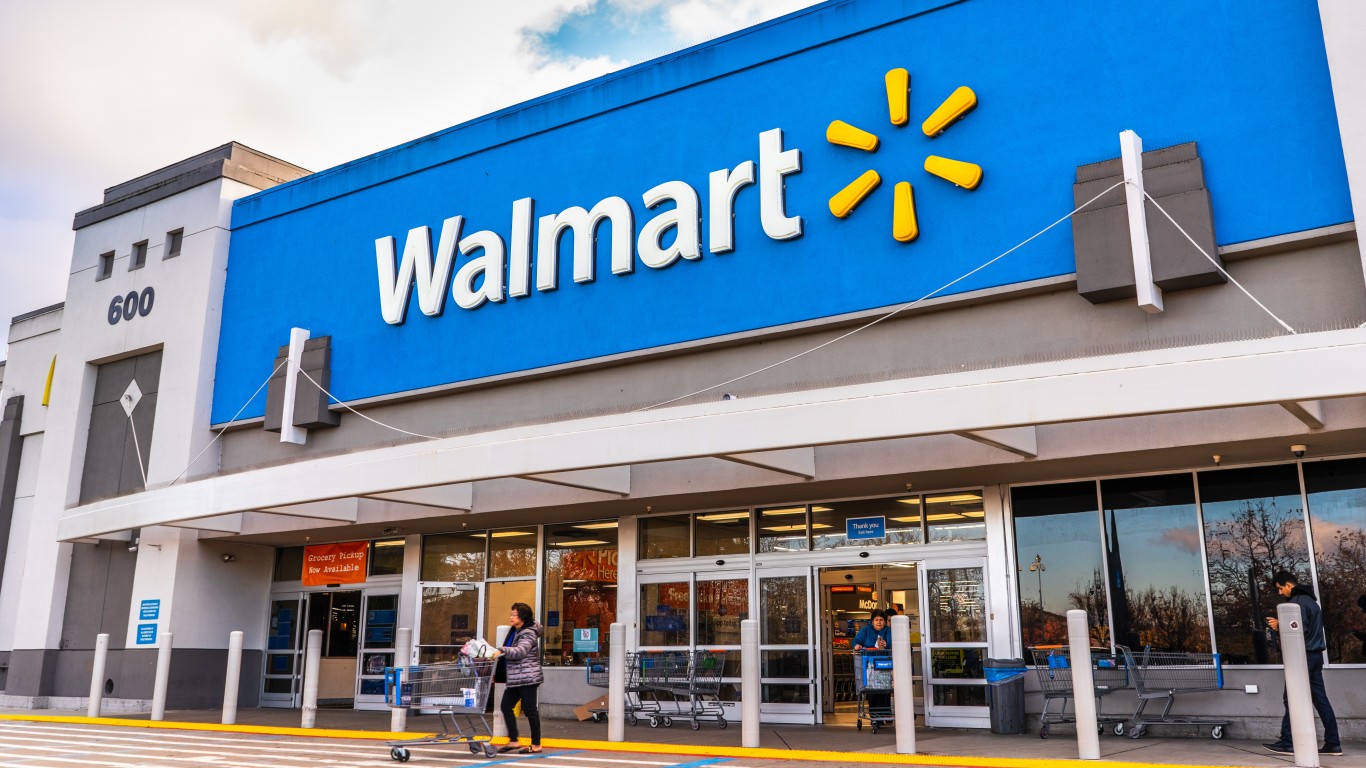
OnePay, a payments app backed by Walmart (NASDAQ:WMT | WMT Price Prediction), began selling Solana (CRYPTO:SOL) and Arbitrum (CRYPTO:ARB) in late March 2026, about six months before both tokens rallied in September. Thus, the OnePay crypto listing alone offers only a limited explanation for the price surges that followed months later.
By the end of September, Arbitrum rose about 137% over the month, reaching around $0.20. Meanwhile, Solana’s price climbed to $118, marking a 66% gain over the preceding 60 days. This raises the question: does a token’s presence in a Walmart-supported app affect its price, or did these rallies have different origins?
OnePay Added Solana and Arbitrum in March, Six Months Before Their Rallies
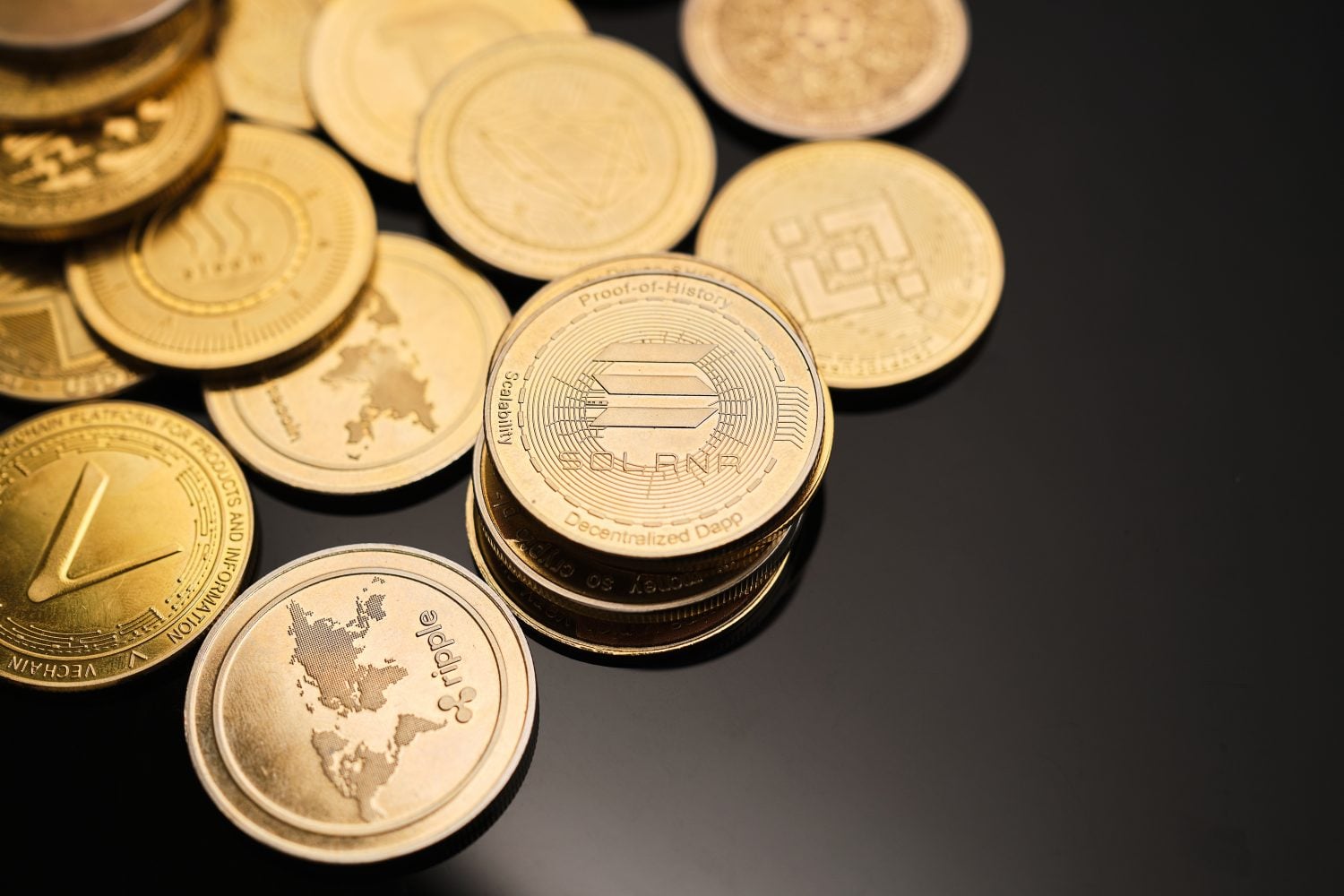
OnePay began its crypto trading services in January, initially offering Bitcoin and Ethereum. In late March, the app introduced Solana, Cardano, Bitcoin Cash, and PAX Gold. On March 27, it listed Arbitrum, Sui, and Polygon. According to general manager Ron Rojany, OnePay selects assets based on factors like demand, liquidity, regulatory clarity, and long-term utility.
After the listing, Arbitrum’s price rose about 5% on March 29 and 30, reaching about $0.09; however, this coincided with a broader altcoin market increase, suggesting a minor, short-lived bump rather than a substantial change.
Arbitrum Fell to a Record Low Three Months After the OnePay Listing

Three months after being listed on OnePay, Arbitrum fell about 24% to a record low of $0.0705 on June 26, as the cryptocurrency market faced its third consecutive quarter of losses. Importantly, OnePay users could still buy the token during this period, but the listing did not stop the price decline.
An investor who invested $1,000 in Arbitrum immediately after the listing would have seen their holdings drop to roughly $760 by June’s low, but would have recovered to around $2,200 by the end of September.
Despite this recovery, Arbitrum still trades about 91% below its all-time high of $2.39 from January 2024. The 137% September rebound suggests buyers likely entered the market on bargain opportunities or as short sellers closed their trades.
Solana’s price trajectory followed a similar path, with a 48% increase over 90 days and a 66% increase over the last 60 days. However, it declined in July before buyers returned, and it remains about 60% below its peak of $293 recorded on January 19, 2025.
The OnePay Listing Makes Solana and Arbitrum Easier to Buy, Not More Wanted
A listing on a platform like OnePay mainly improves accessibility, making it easier for users to buy a token. It does not directly translate to increased demand, which reflects how many people want a token and the amount of investment they are willing to make.
OnePay simplifies the process for someone already interested in buying Solana, eliminating the need for them to create an account on a separate cryptocurrency exchange. However, it doesn’t provide any new incentive for ownership.
Additionally, OnePay has not disclosed how many customers are actually trading crypto on its platform, as Rojany has refrained from sharing user figures. In contrast, Solana attracts buyers through larger channels, such as spot Solana ETFs or tokenized stocks traded on its network.
Did the OnePay Crypto Listing Move Solana or Arbitrum’s Price?
Ultimately, the OnePay crypto listing does not appear to have significantly impacted the prices of Solana or Arbitrum on any chart. The addition of both tokens occurred in March, but Arbitrum subsequently dropped to a record low, and the price rallies emerged six months later. Instead, Solana’s price movements seem to align more closely with larger buyers, like investment funds that hold substantial amounts.
As for the OnePay listing, any slow uptick in interest remains hidden since the app does not provide user statistics. Small transactions take time to accumulate in meaningful ways.
If OnePay begins to release growing numbers of crypto trades each quarter, it may suggest that the listing is attracting new buyers. However, if Arbitrum’s price trends back toward its $0.0705 low by the end of October, it would indicate that the recent price jump was merely temporary and that the listing may not have played a significant role in sustaining its value.
Contact [email protected] for any questions or corrections.
Sam Daodu is a crypto analyst who's spent nearly a decade making blockchain understandable—no easy task when most whitepapers read like fever dreams. He writes for 24/7 Wall St., covering Bitcoin, altcoins, and crypto market analysis for investors. Before crypto, he was a tech writer (back when explaining "the cloud" was peak innovation). Since 2018, he's written for CoinTelegraph, Yahoo Finance, The Block, Cryptonews, Zypto, Rain, and more—basically anywhere people want crypto news without the headache. Sam runs MacLabs Marketing, a content agency for crypto brands tired of sounding like AI wrote their website. He also publishes free crypto education on his site for Web3 enthusiasts who think "gas fees" is a typo. When he's not writing or staring at charts, Sam's either: - Watching anime (currently convinced One Piece has better tokenomics than most altcoins) - At the gym sculpting himself into a Greek god - Listening to the music your mum warned you only bad boys listen to Connect: LinkedIn | Email | MacLabs Marketing