Bitcoin, Ethereum, and Solana ETFs All Saw Outflows on the Last Day of the Quarter. What Happened?
Billions poured into Bitcoin funds throughout September, then something shifted on the very last trading day of the quarter. The answer reveals a hidden pattern that repeats every three months across crypto markets.


On September 30, 2026, the final trading day of the third quarter, investors withdrew $148.7 million from U.S. spot Bitcoin (CRYPTO:BTC) funds, according to SoSoValue data. Ethereum (CRYPTO: ETH) funds saw outflows of $59.6 million, while Solana (CRYPTO: SOL) funds lost $11.1 million on the same day.
This marked an abrupt end to a nine-day trend of inflows into Bitcoin funds, which had brought in about $3.1 billion. Interestingly, XRP (CRYPTO: XRP) funds saw no change, with net inflows recorded at zero. So, did investors lose faith in crypto as the quarter wrapped up, or was it a seasonal adjustment?
One Fidelity Fund Accounted for Most of the Bitcoin ETF Outflow
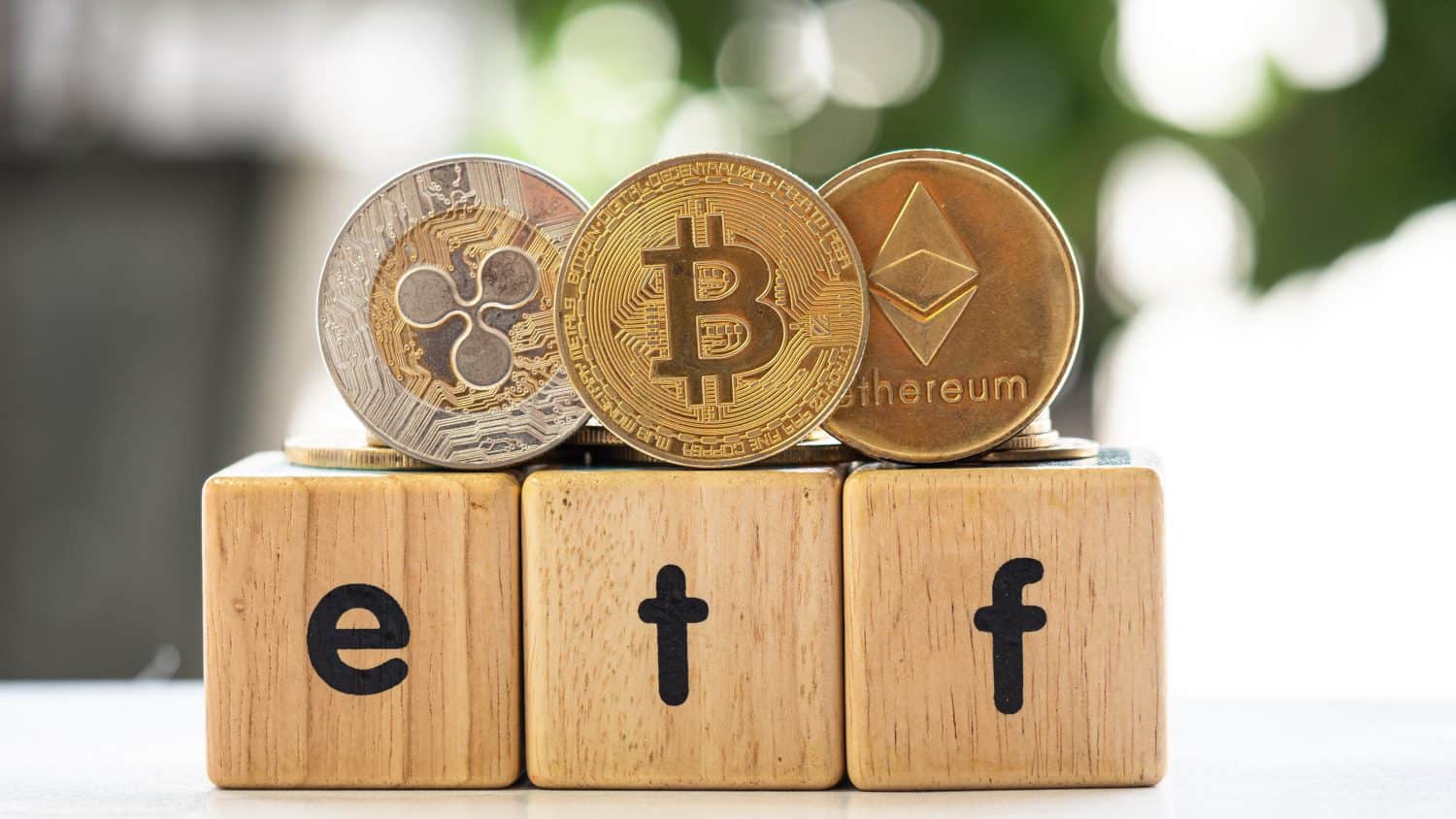
When we break down the Bitcoin outflows, the picture changes. The Fidelity Wise Origin Bitcoin Fund (CBOE: FBTC) alone accounted for $125.6 million of the outflows, representing about 84% of the total. Other Bitcoin funds lost roughly $23 million combined.
These funds had a strong month overall. In September, U.S. spot Bitcoin ETFs collected around $2.7 billion, with an impressive $2.4 billion coming in just one week leading up to September 25.
Despite the outflows, total assets for these funds still rose to about $108 billion that day, largely because the Bitcoin they held gained value, driven by market prices rather than cash inflows and outflows.
Quarter-End Rebalancing Likely Drove the Crypto ETF Outflows
Many institutional investors, including pension funds and financial advisors, maintain fixed allocations across asset classes. At the end of each quarter, they often readjust their holdings to keep their portfolios balanced. This means they sell off assets that have grown too large and add to those that haven’t performed as well.
As the last quarter closed, Bitcoin rose about 36%, Ethereum gained about 57%, and Solana grew around 48%. Managers holding these assets likely trimmed their crypto positions, not necessarily out of negativity, but to maintain target allocations as the new quarter began.
Similar patterns emerged at the end of the previous quarter; on June 30, 2026, Bitcoin funds saw outflows of $222.6 million, an even larger figure than on September 30. These two quarter-end comparisons suggest a consistent trend, though we’ll need to watch through December 31 for confirmation.
Bitcoin ETFs Bounced Back on October 1 While Ethereum ETFs Kept Losing Money

On the first trading day of the new quarter, October 1, the market split. Bitcoin funds welcomed back $102.7 million, primarily driven by $196 million flowing into BlackRock’s iShares Bitcoin Trust. XRP funds also posted a small gain, adding $4.1 million.
Conversely, Ethereum funds lost an additional $55.4 million, marking their third consecutive day of outflows. Solana funds followed suit, losing $5.9 million. These figures may vary slightly by source, as different trackers can report different totals.
This suggests investors are reallocating funds, favoring Bitcoin and XRP while trimming investments in Ethereum and Solana. This behavior suggests a rotation between cryptocurrencies rather than a general exit from the market.
What Drove the Crypto ETF Outflows on the Last Day of the Quarter?
The primary drivers of the September 30 outflows were likely quarter-end rebalancing and a substantial withdrawal from one major Fidelity fund, not a loss of confidence in crypto itself. Bitcoin funds rebounded quickly on October 1, and their total assets remained solid even on the outflow day.
However, Ethereum’s ongoing struggles raise questions; if outflows from Ethereum continue into October, we may be seeing a shift in investor sentiment rather than a simple seasonal adjustment.
Contact [email protected] for any questions or corrections.
Sam Daodu is a crypto analyst who's spent nearly a decade making blockchain understandable—no easy task when most whitepapers read like fever dreams. He writes for 24/7 Wall St., covering Bitcoin, altcoins, and crypto market analysis for investors. Before crypto, he was a tech writer (back when explaining "the cloud" was peak innovation). Since 2018, he's written for CoinTelegraph, Yahoo Finance, The Block, Cryptonews, Zypto, Rain, and more—basically anywhere people want crypto news without the headache. Sam runs MacLabs Marketing, a content agency for crypto brands tired of sounding like AI wrote their website. He also publishes free crypto education on his site for Web3 enthusiasts who think "gas fees" is a typo. When he's not writing or staring at charts, Sam's either: - Watching anime (currently convinced One Piece has better tokenomics than most altcoins) - At the gym sculpting himself into a Greek god - Listening to the music your mum warned you only bad boys listen to Connect: LinkedIn | Email | MacLabs Marketing