Coinbase Stock vs. Bitcoin: Which Investment Performs Better?
Coinbase has long been pitched as the smart, stable way to ride crypto without holding it directly, but the numbers behind that pitch tell a very different story about which bet actually holds its value.

This post may contain links from our sponsors and affiliates, and Flywheel Publishing may receive compensation for actions taken through them.
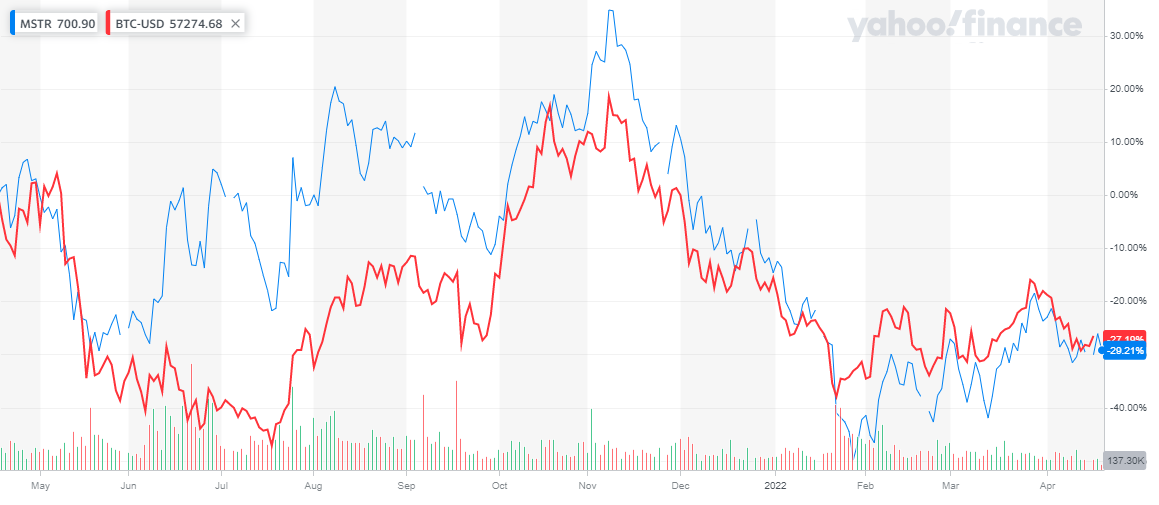
Over the last year, Coinbase (NASDAQ: COIN | COIN Price Prediction) has seen its shares fall by 51%. In contrast, Bitcoin (CRYPTO: BTC) has fallen 30%. This difference prompts a deeper look into the Coinbase stock versus Bitcoin debate. Many investors often view Coinbase as a more stable option for gaining exposure to cryptocurrency, particularly for retirement accounts.
As of October 2, 2026, Coinbase shares were priced at $183, while Bitcoin was trading around $86,189 as of October 5. So which investment has proven better for owning crypto, and which is more suitable for long-term investing?
Coinbase Shares Lag Behind Bitcoin Over One Year and Five

The gap in performance is significant. Over the past year, Coinbase’s stock lost 51%, whereas Bitcoin declined by 30%. This means that an investor who put $10,000 into each a year ago would now have approximately $4,900 in Coinbase shares and about $7,000 in Bitcoin.
A longer timeframe reveals an even bleaker picture for Coinbase. Over the past five years, its shares have fallen 21%, and they have fallen 19% so far in 2026. Meanwhile, Bitcoin’s value rose from around $51,500 in early October 2021, up about 67%, even after a recent 32% drop from its peak of $126,080.
Short-term numbers align with this trend. Over the last month, Coinbase shares increased by 4.6%, while Bitcoin gained about 6%. However, over the past week, Coinbase stock fell 6.2%, including a 3.3% drop on October 2, while Bitcoin rose 3.6%.
Business Risks Make Coinbase Stock More Volatile Than Bitcoin

When you hold Bitcoin, you own a single asset whose price fluctuates. In contrast, owning Coinbase stock means you’re investing in a business. Coinbase’s revenue depends on how much customers trade—trading activity correlates with crypto price movements. Additionally, Coinbase faces various challenges such as operational costs, fierce competition, and regulatory scrutiny that Bitcoin does not.
These extra complexities help explain why Coinbase’s stock can decline more sharply. When cryptocurrency prices fall, trading activity typically declines, reducing Coinbase’s revenue. The stock may also suffer even if Bitcoin’s price is stable. Furthermore, neither Coinbase nor Bitcoin pays dividends, meaning they don’t generate regular income for investors.
That said, Coinbase can also benefit from conditions that Bitcoin cannot. During a strong crypto market rally, increased trading volume can boost Coinbase’s earnings significantly, sometimes leading its stock to rise faster than Bitcoin’s price.
Spot Bitcoin ETFs Challenge Coinbase’s Retirement Account Advantage

Historically, one of the main benefits of investing in Coinbase was the convenience it offered. Investors could include its shares in an IRA or brokerage account, while owning Bitcoin directly required a self-custody wallet or a custodian service.
However, the introduction of spot Bitcoin ETFs has changed this landscape. These funds hold Bitcoin and trade like regular stocks, allowing retirement savers to gain exposure to Bitcoin within the same accounts that can hold Coinbase shares. Additionally, states such as Indiana are now adding crypto options to public retirement plans. In fact, Coinbase acts as a custodian for many of these funds, earning fees in both scenarios.
Is Coinbase Stock or Bitcoin the Better Way to Own Crypto?
Given the current performance, Bitcoin appears to be the better option for owning cryptocurrency. It has lost less over the past year, has gained value over the last five years, and carries no associated business risks, while Coinbase stock has declined. For those investing in retirement accounts, a spot Bitcoin ETF now offers the benefits of Bitcoin without the custody complications that made Coinbase appealing in the past.
This conclusion challenges the perception that Coinbase is the safer investment route, as its stock has shown larger swings in value both up and down. The outcome could change if Coinbase outperforms Bitcoin during a future crypto market rally, potentially showcasing how the business can add returns beyond simply holding the coin. Until then, will the Coinbase stock versus Bitcoin conversation continue to favor Bitcoin?
Contact [email protected] for any questions or corrections.
Sam Daodu is a crypto analyst and the editor of 24/7 Wall St.'s Crypto Desk, where he covers Bitcoin, XRP, Ethereum, Solana and the altcoins investors search for most. His work focuses on price levels, spot ETF flows, on-chain data and the regulatory decisions that move crypto markets, written so a first-time buyer and a seasoned trader can both use it.
Sam has written about crypto professionally since 2019 and has published more than 2,000 articles. Before joining 24/7 Wall St., he wrote for crypto media outlets and Web3 companies and ghostwrote for crypto founders and token launches. His analysis is syndicated on Yahoo Finance, MSN and AOL and has been cited by other crypto news sites. He also founded MacLabs Marketing, a content and personal branding agency for crypto founders and executives.
When he isn't reading charts, Sam is usually at the gym or watching One Piece, a series he maintains has better tokenomics than most altcoins.