Can Stellar Reach $1 After Sharing XRP’s Label?
The CFTC just gave Stellar the same regulatory label as XRP, but a shared classification and a real-world payroll partnership may not be enough to close the enormous gap between where XLM trades now and the milestone investors are chasing.

This post may contain links from our sponsors and affiliates, and Flywheel Publishing may receive compensation for actions taken through them.

Stellar (CRYPTO: XLM) is currently priced around $0.20, and holders are curious whether Stellar can reach $1 after the Commodity Futures Trading Commission (CFTC) placed it in the same regulatory category as XRP (CRYPTO: XRP). However, achieving this price won’t be easy, as it requires navigating both market conditions and price movements.
As of October 8, 2026, Stellar has declined in value, trading at about $0.20. Over the past day, it dropped by 3.9% and by 12.3% over the week. This decline has been steeper than XRP’s, which fell by 6.5%.
What a $1 Stellar Price Would Mean for Its Market Cap
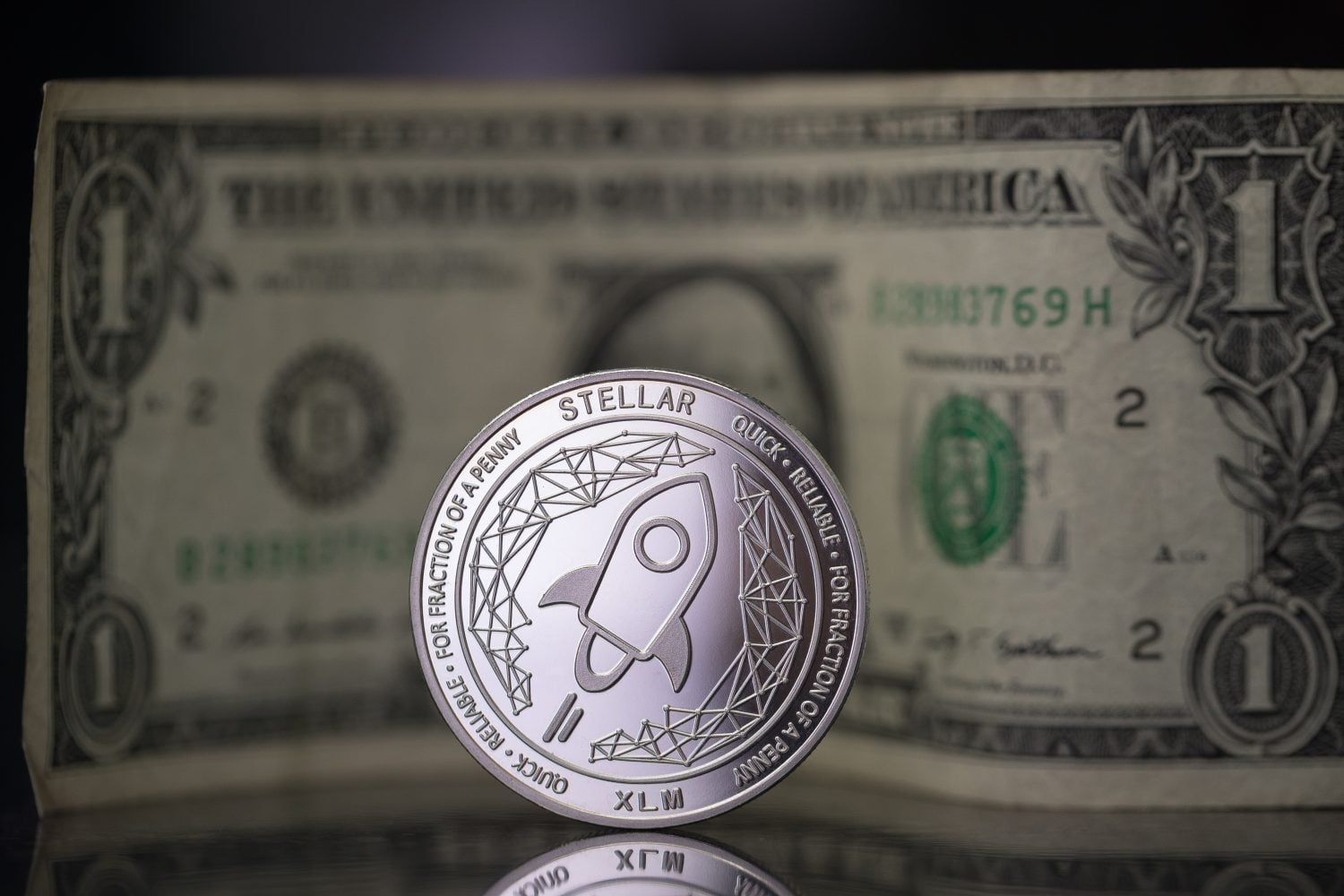
To discuss Stellar’s potential to hit $1, we need to consider its market value, or market cap. The market cap is calculated by multiplying the coin’s current price by the total number of coins in circulation. Currently, Stellar’s market cap is nearly $7 billion, with about 35 billion XLM in circulation.
If XLM were to reach $1, that would mean a market cap of about $35 billion, five times its current value. Even then, Stellar would still trail XRP, which has a market cap of around $89 billion at its current price of $1.41.
The Stellar Development Foundation has also influenced these numbers. After burning 55 billion XLM in November 2019, they capped the total supply at 50 billion. However, the foundation continues to release coins into circulation, suggesting that if all 50 billion XLM ultimately came to market, a $1 price would mean a network value of $50 billion.
Another challenge for Stellar is its price history. The coin reached an all-time high of $0.88 back in January 2018, meaning it would need to rise over 340% just to get back to that peak—and $1 is even higher.
The CFTC’s Commodity Label Lowers Stellar’s Legal Risk but Adds No Buyers

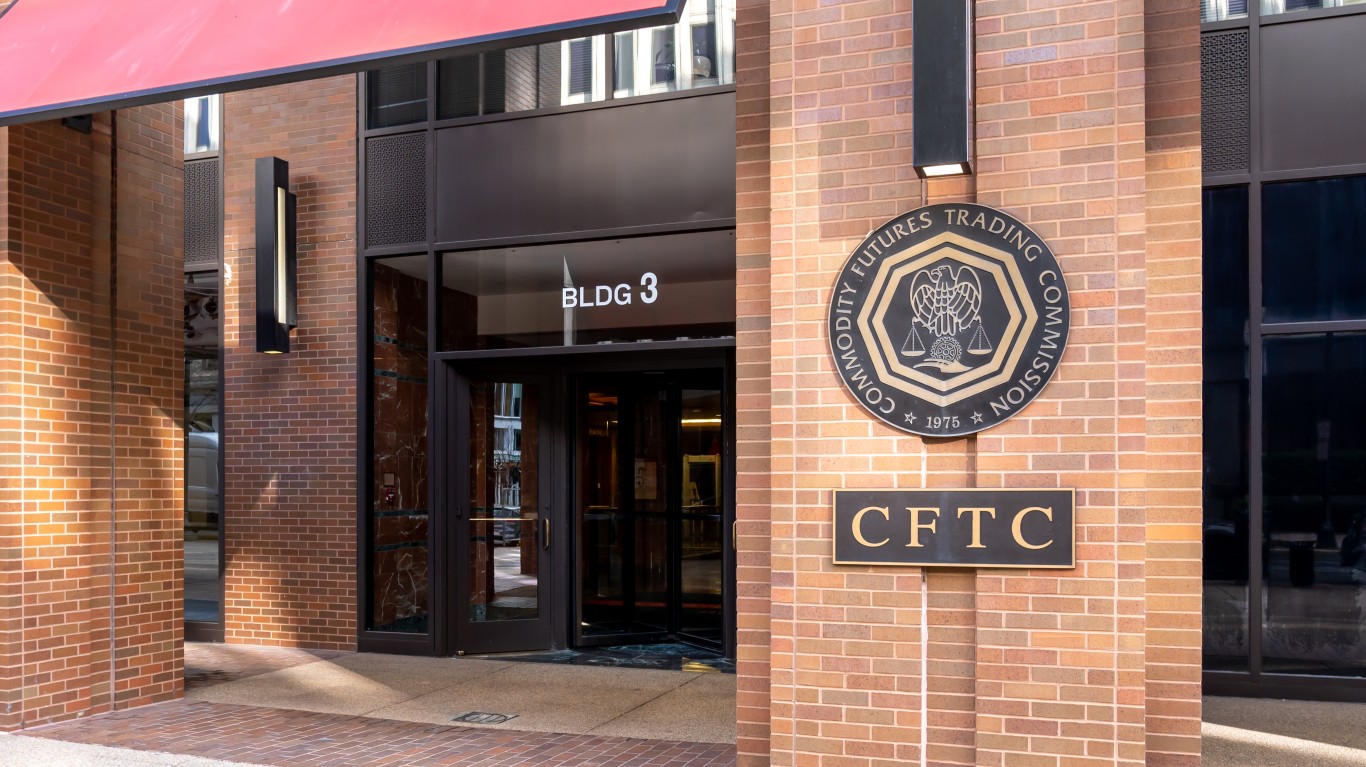
In proposed rules reported on October 5, the CFTC recognized Stellar as a digital commodity alongside XRP, Bitcoin, Ethereum, Solana, and Tezos. This classification treats these assets more like commodities (such as gold or wheat) rather than securities.
However, while this recognition lowers the risk of Stellar being classified as an unregistered security, which could lead to lawsuits and delistings, the decision is still a draft and may change before the final rules are established.
It’s important to note that just being labeled as a commodity does not guarantee new buyers will flock to the coin. Despite XRP enjoying the same status and the backing of Ripple’s substantial balance sheet, it still fell 6.5% over the past week. Stellar lacks a comparable structure, such as a US spot ETF like the ones XRP has, which further limits its market appeal right now.
Stellar Payroll Runs on USDC, Which Limits Demand for XLM
Stellar does have practical use cases. For instance, Zebec, a payroll company, uses Stellar to process payroll, and as of September 10, it partnered with MoneyGram to let workers cash out their wages at locations in over 170 countries.
However, these payments are made in USDC, a stablecoin, instead of XLM. While each transaction incurs a small XLM fee, this doesn’t necessarily create significant demand for XLM, since there’s no clear indication of how much payroll is being processed on the Stellar network.
Can Stellar Reach $1, and What Would It Take?
Reaching the $1 mark seems unlikely for Stellar without a substantial increase in demand for XLM. Although the commodity label reduces legal uncertainty and the partnership with MoneyGram shows Stellar’s payment-processing capabilities, neither factor alone can generate the additional $28 billion in value required for a $1 price with the current supply.
To make significant progress, buyers would need to stop the current 12.3% downward trend and push XLM beyond its previous all-time high of $0.88. A US spot Stellar ETF or reported payment volume in XLM—rather than USDC—could create a stronger demand channel for the coin. Until one of these elements comes into play, Stellar may continue to mirror broader market trends, similar to XRP, despite its recent regulatory label.
Contact [email protected] for any questions or corrections.
Sam Daodu is a crypto analyst who's spent nearly a decade making blockchain understandable—no easy task when most whitepapers read like fever dreams. He writes for 24/7 Wall St., covering Bitcoin, altcoins, and crypto market analysis for investors. Before crypto, he was a tech writer (back when explaining "the cloud" was peak innovation). Since 2018, he's written for CoinTelegraph, Yahoo Finance, The Block, Cryptonews, Zypto, Rain, and more—basically anywhere people want crypto news without the headache. Sam runs MacLabs Marketing, a content agency for crypto brands tired of sounding like AI wrote their website. He also publishes free crypto education on his site for Web3 enthusiasts who think "gas fees" is a typo. When he's not writing or staring at charts, Sam's either: - Watching anime (currently convinced One Piece has better tokenomics than most altcoins) - At the gym sculpting himself into a Greek god - Listening to the music your mum warned you only bad boys listen to Connect: LinkedIn | Email | MacLabs Marketing