Zcash News: The NU7 Upgrade Could Leave 22,309 ZEC Stuck for Good. Should Holders Worry?
Zcash's upcoming NU7 upgrade is set to freeze a chunk of ZEC in place, potentially forever, and coinholders already voted to let it happen. Whether that decision signals a maturing protocol or a governance gamble worth worrying about depends on…

This post may contain links from our sponsors and affiliates, and Flywheel Publishing may receive compensation for actions taken through them.

The upcoming Zcash NU7 upgrade may make 22,309 Zcash (CRYPTO: ZEC) permanently unspendable. Developers will finalize their decision on the mainnet upgrade on October 20, 2026, after evaluating how NU7 performed on the test network. If they approve, the upgrade is scheduled to take effect on November 5.
As of October 19, ZEC is trading around $1,166, down 10.8% over the past week and 25.9% over the past month, and about 63.5% below its all-time high. The coins at risk, valued at approximately $26 million, make up only 0.13% of the total circulating supply. So, should Zcash holders be worried about the NU7 upgrade?
What the Zcash NU7 Upgrade Freezes and What It Leaves Untouched

Zcash’s original shielded pool, Sprout, lets users send and receive coins while keeping details private. Launched in 2016, Sprout has declined in usage as newer pools—Sapling and Orchard—offer faster, more efficient transactions.
The proposal behind the current changes, ZIP 2003, notes that Sprout transactions can only be recorded in version four of the protocol. Because versions five and six do not support Sprout, disabling version four in the NU7 upgrade will prevent future transactions involving Sprout funds.
However, these funds will still exist on the ledger; ZIP 2003 clarifies that it does not “unissue, burn, or otherwise make Sprout funds permanently unavailable.” This leaves open the possibility of a future recovery tool or an updated version four process. It also warns, though, that the ability to spend Sprout funds “may never be re-enabled.”
ZEC Coinholders Supported the Sprout Cutoff
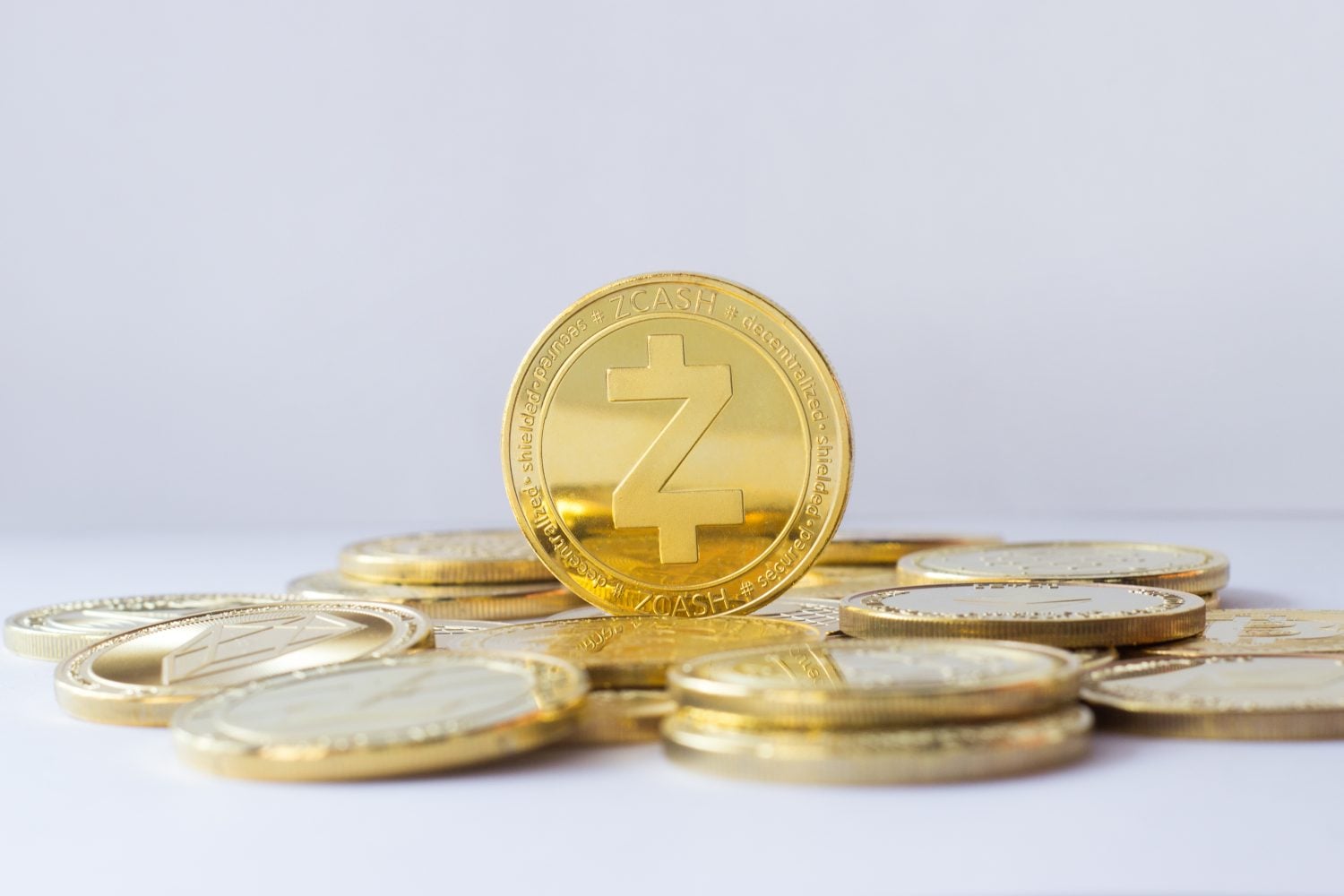
ZEC holders have already agreed to this change. The Zcash Foundation said the Sprout pool held less than 23,000 ZEC when the NU7 proposal was put to a vote. Coinholders backed disabling version four during the upgrade. In September 2026, the Zcash Foundation, Shielded Labs, Project Tachyon, ZODL, and Valar Group published a joint reading of the poll results.
The NU7 upgrade is a technical change without commercial implications, making Zcash’s protocol simpler and more secure. It also promises faster block times, meaning transactions could confirm more quickly after the upgrade is active.
Zcash cryptographer Sean Bowe, who says protocol engineers across Zcash want Sprout gone, believes Sprout is “pure technical debt” that poses unnecessary security risks. He supports its removal, especially after the discovery and resolution of a Sprout counterfeiting bug earlier in 2026.
NU7’s Sprout Cutoff Is a Cleanup That Brings No New Buyers

The Sprout cutoff is necessary, as ZIP 2003 aims to simplify Zcash’s rules and reduce potential vulnerabilities. Importantly, this change does not compel any exchanges, wallets, or institutions to hold or manage additional ZEC.
The proposal also does not promise a recovery plan for the affected funds. The coinholder poll stated that the “disposition of the affected funds is out of scope for this poll.” While some holders may want the unspendable coins destroyed or repurposed into mining rewards, others prefer to retain ownership, and Bowe has suggested exploring recovery options in future upgrades, though this remains only a proposal.
Leaving Sprout also requires effort. ZIP 2003 notes that retiring the zcashd software rendered the only remaining software for Sprout wallet features obsolete. Furthermore, moving funds from Sprout could reveal transaction amounts on the public blockchain, potentially exposing individual holders’ identities if done hastily.
By comparison, Zcash’s privacy-oriented competitor, Monero (CRYPTO: XMR), has risen 11.1% over the past week, while ZEC has fallen 10.8%. NU7’s primary advantage is its promise of faster block confirmation times. The planned Sprout changes were well publicized during ZEC’s 25.9% decline over the past month, suggesting larger market forces beyond this pool, which makes up only 0.13% of the supply, may have influenced the price drop.
Should ZEC Holders Be Worried About the Zcash NU7 Upgrade?
Most ZEC holders can likely put aside concerns about price fluctuations, as the main issue is governance. The 22,309 ZEC at risk will remain counted as issued, and holders will get a slightly more secure network without attracting new buyers. However, the decision sets a precedent since coinholders voted to freeze a legacy pool without a detailed plan for its unspendable funds. Bowe has also suggested discussing Sapling’s retirement in the future.
The crucial test comes on October 20. If the developers confirm activation with version four disabled and ZEC’s value drops sharply as a result, we may need to reevaluate our governance-not-price view. Conversely, if the cutoff is deferred or if a recovery tool is introduced, it could alleviate some concerns. Until then, holders with Sprout funds can keep their coins spendable by transferring them into one of the newer, supported pools before November 5.
Contact [email protected] for any questions or corrections.
Sam Daodu is a crypto analyst who's spent nearly a decade making blockchain understandable—no easy task when most whitepapers read like fever dreams. He writes for 24/7 Wall St., covering Bitcoin, altcoins, and crypto market analysis for investors. Before crypto, he was a tech writer (back when explaining "the cloud" was peak innovation). Since 2018, he's written for CoinTelegraph, Yahoo Finance, The Block, Cryptonews, Zypto, Rain, and more—basically anywhere people want crypto news without the headache. Sam runs MacLabs Marketing, a content agency for crypto brands tired of sounding like AI wrote their website. He also publishes free crypto education on his site for Web3 enthusiasts who think "gas fees" is a typo. When he's not writing or staring at charts, Sam's either: - Watching anime (currently convinced One Piece has better tokenomics than most altcoins) - At the gym sculpting himself into a Greek god - Listening to the music your mum warned you only bad boys listen to Connect: LinkedIn | Email | MacLabs Marketing