Zcash NU7 Is Live. Where Could ZEC Be by 2030?
Zcash just tripled its block speed and froze thousands of coins, yet ETF investors pulled money out right before the switch flipped. What did the upgrade really change, and what would ZEC still need to chase a 2030 rally?

This post may contain links from our sponsors and affiliates, and Flywheel Publishing may receive compensation for actions taken through them.

Zcash (CRYPTO: ZEC) is a privacy-focused cryptocurrency that lets users conceal the sender and transaction amount. On November 6, 2026, at 02:34 UTC, Zcash activated its NU7 network upgrade at block 3,543,405. This change reduced the time to create new blocks from 75 seconds to 25. Additionally, approximately 12,224.21 ZEC from Zcash’s original Sprout pool has now been frozen.
After the upgrade, ZEC saw a notable price surge. ZEC traded at $1,350.25 around 16:00 UTC, up 9.06% in 24 hours and 6.39% over the past week, with a market cap of around $22.99 billion, making it the 10th-largest cryptocurrency.
However, ETF investors remained cautious, with the Zcash ETF (NYSEARCA: ZCSH) showing a net outflow of $11 million on November 5, reversing a $3.4 million inflow the day before, according to Farside.
So, can a faster, more efficient Zcash support a higher ZEC price prediction for 2030?
What’s New in NU7
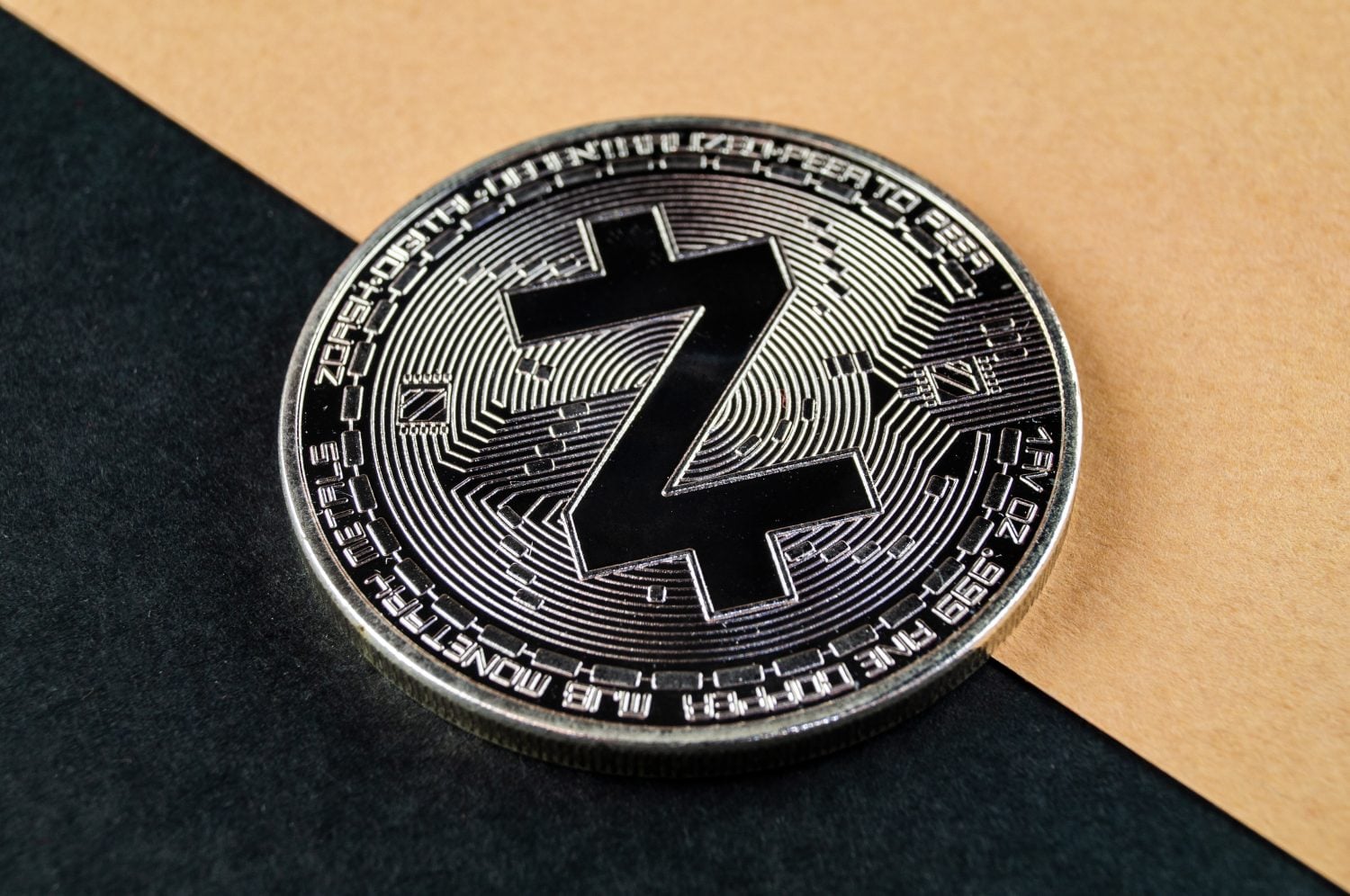
Zcash has no single owner; the core engineering teams developed the NU7 upgrade and receive compensation in newly minted coins. Since November 2025, ZIP 1016 has allocated 12% of block rewards to a fund directed by coin holders, linking the developers’ budget directly to ZEC’s price.
NU7 has changed how quickly blocks are created and the rewards miners earn for discovering them. The target block time has been cut from 75 seconds to 25 seconds, while the block subsidy has dropped from 1.5625 ZEC to 0.52083333 ZEC. The next halving, which will reduce that subsidy, will now happen at block 6,132,390.
Additionally, NU7 introduced the Network Sustainability Mechanism, which reserves a portion of transaction fees for future use. Sixty percent of transaction fees will funnel into this reserve, which held 369.0261 ZEC as of November 6. The fund is set to start paying miners around 2031.
Furthermore, NU7 has rendered older transaction formats invalid, allowing only version 4 transactions to access funds in Sprout, Zcash’s original shielded pool. The 12,224.21 ZEC that’s frozen remains on the ledger, valued at about $16.51 million, making up roughly 0.0718% of the 17,025,481 ZEC currently in circulation.
Why NU7 Doesn’t Cause a Supply Squeeze or Create New Demand
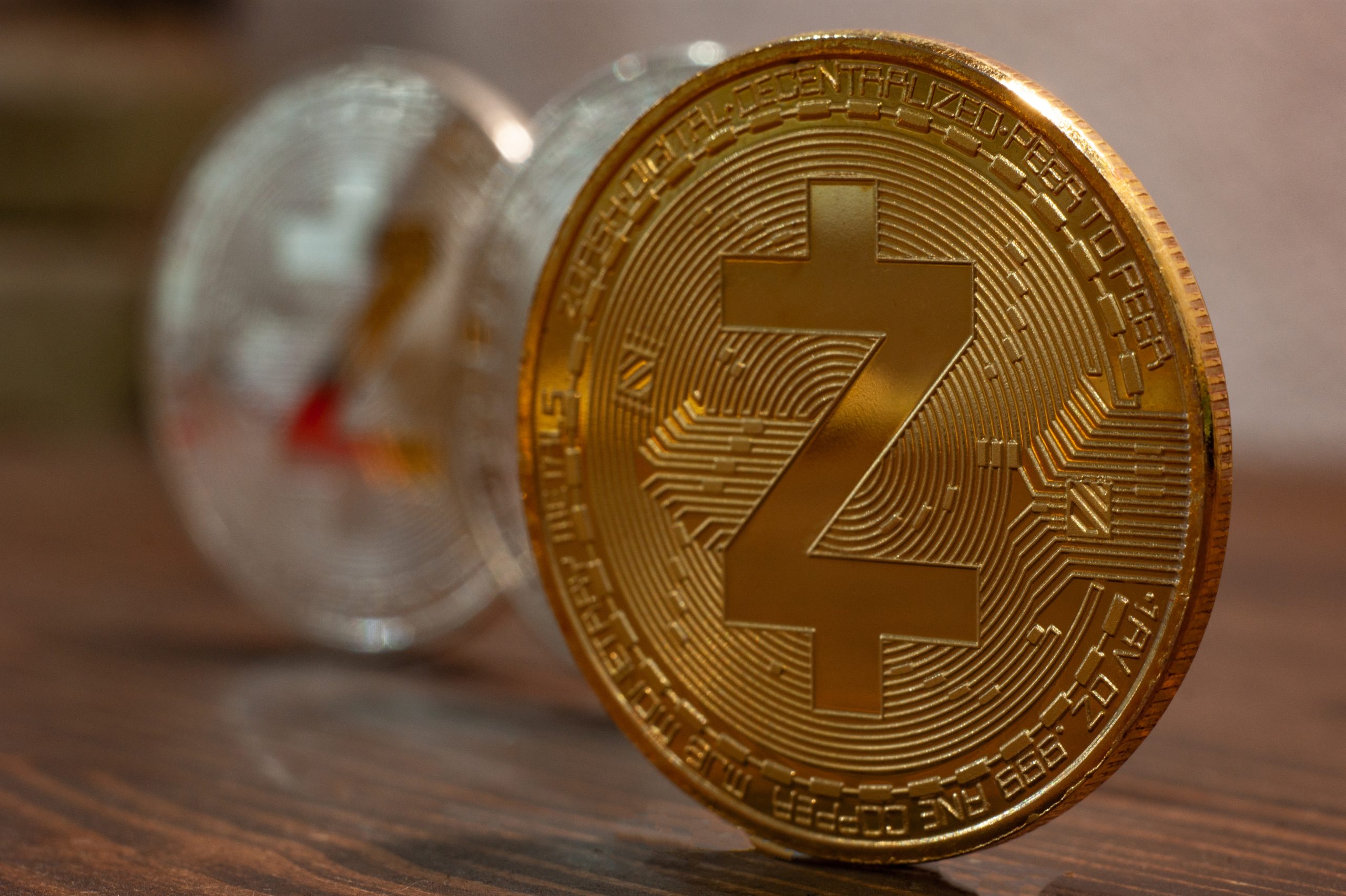
While the subsidy cut may seem like a supply restriction at first glance, it aligns with the decrease in block time. As a result, the network still generates about 75 ZEC per hour, matching the output before NU7. The halving timing also aligns with this change, so the issuance schedule remains unchanged.
Moreover, exchanges, payment companies, wallets, and funds haven’t committed to adopting ZEC or facilitating payments through it because of NU7. Faster block times only support price increases if there’s actual demand for the network.
This caution is reflected in ETF flows, as evidenced by the outflow occurring just before the upgrade, reversing the previous day’s inflow.
In terms of its competitive landscape, NU7 does not alter Zcash’s position against Monero (CRYPTO: XMR). Monero anonymizes every transaction by default, while Zcash lets users choose between transparent and shielded addresses, a feature that remains intact with NU7. Speed was seldom a primary factor for buyers when choosing between privacy coins.
The NU7 Price Bounce Isn’t a New High for Zcash
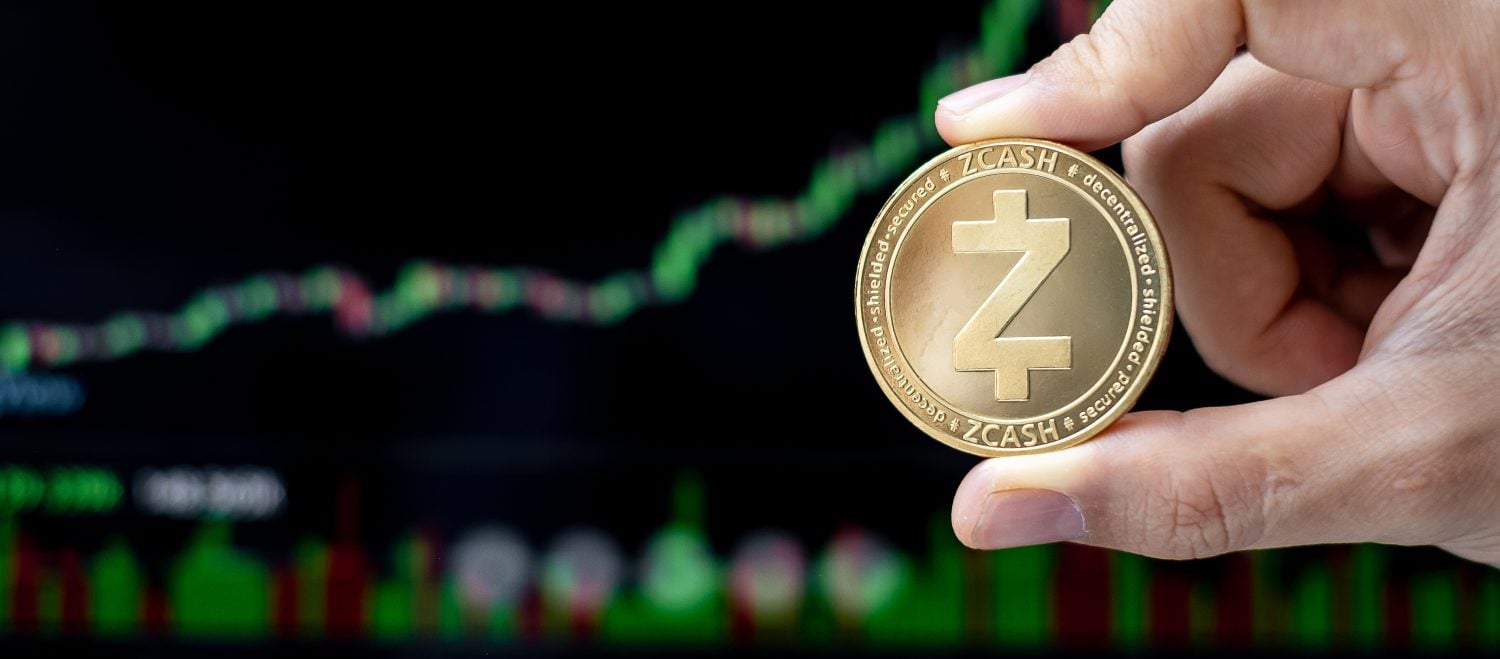
On the price chart, the bounce following NU7 appears to be a recovery from a dip. Still, ZEC is trading below its one-year high of about $1,653, reached on September 26, 2026. Over the past 30 days, ZEC is up just 1.76%, meaning it has regained some value but has yet to reach new highs.
Currently, ZEC is trading above its 20-day moving average of $1,227.31 and its 50-day average of $1,318.78, suggesting bulls have built some short-term momentum.
Calculating Zcash’s Price Prediction for 2030

Any prediction regarding Zcash’s price in 2030 hinges on two unknowns: future demand and future supply. The table below uses the current circulating supply of 17,025,481 coins. While supply will indeed increase by 2030, it will never exceed 21,000,000, suggesting that actual market values may be higher than those shown. Each row begins with the price of $1,350.25.
| Scenario Price | Multiple of Live Price | Change Needed | Market Value at Current Supply |
|---|---|---|---|
| $1,500 | 1.11x | +11.09% | $25.54 billion |
| $2,000 | 1.48x | +48.12% | $34.05 billion |
| $3,191.93 (2016 high) | 2.36x | +136.4% | $54.34 billion |
| $5,000 | 3.7x | +270.3% | $85.13 billion |
Currently, ZEC is trading 57.7% below its 2016 high of $3,191.93, a price recorded on its first day of trading, October 28, 2016, when very few coins were in circulation. Thus, this figure primarily represents initial trading enthusiasm.
For the $2,000 scenario to materialize, ZEC would need a 48.12% increase, resulting in a market value of around $34.05 billion. A return to the 2016 high would require a 136.4% jump, while reaching $5,000 would necessitate a market cap of $85.13 billion, one fueled by years of demand that NU7 alone does not create.
Does NU7 Provide ZEC a Path to Growth?
The NU7 upgrade enhances Zcash’s infrastructure, with faster block times, a fee reserve set to commence in 2031, and improved code, but it does not inherently create the demand needed for ZEC’s price to rise significantly.
Contact [email protected] for any questions or corrections.
Sam Daodu is a crypto analyst and the editor of 24/7 Wall St.'s Crypto Desk, where he covers Bitcoin, XRP, Ethereum, Solana and the altcoins investors search for most. His work focuses on price levels, spot ETF flows, on-chain data and the regulatory decisions that move crypto markets, written so a first-time buyer and a seasoned trader can both use it.
Sam has written about crypto professionally since 2019 and has published more than 2,000 articles. Before joining 24/7 Wall St., he wrote for crypto media outlets and Web3 companies and ghostwrote for crypto founders and token launches. His analysis is syndicated on Yahoo Finance, MSN and AOL and has been cited by other crypto news sites. He also founded MacLabs Marketing, a content and personal branding agency for crypto founders and executives.
When he isn't reading charts, Sam is usually at the gym or watching One Piece, a series he maintains has better tokenomics than most altcoins.