Zcash News: NU7 Would Set Aside 60% of Fees. Could the Upgrade Turn ZEC Around?
Zcash's NU7 upgrade locks away a chunk of transaction fees and triples transaction speed, but whether those changes give ZEC holders any reason to buy in is a much harder question to answer.

This post may contain links from our sponsors and affiliates, and Flywheel Publishing may receive compensation for actions taken through them.

The upcoming Zcash NU7 upgrade aims to allocate 60% of transaction fees into a reserve for future block rewards. Zcash (CRYPTO:ZEC) developers are expected to decide on October 20, 2026, whether to launch this upgrade on the mainnet—the platform where ZEC is actively traded. They will also determine the specific block height for its implementation, which is yet to be announced.
Zcash is a privacy-focused cryptocurrency designed to conceal the sender and transaction amount. Under the NU7 plan, miners will retain the remaining 40% of fees, while the reserved fees will be withheld from circulation until release.
ZEC is trading at about $1,135, down 0.4% over the last 24 hours, 7.3% over the past week, and 21.5% over the past month. The currency is also down 64.5% from its all-time high. So can adjusting how Zcash distributes its fees lead to a turnaround for ZEC?
NU7 Will Hold 60% of Zcash Fees Until 2031
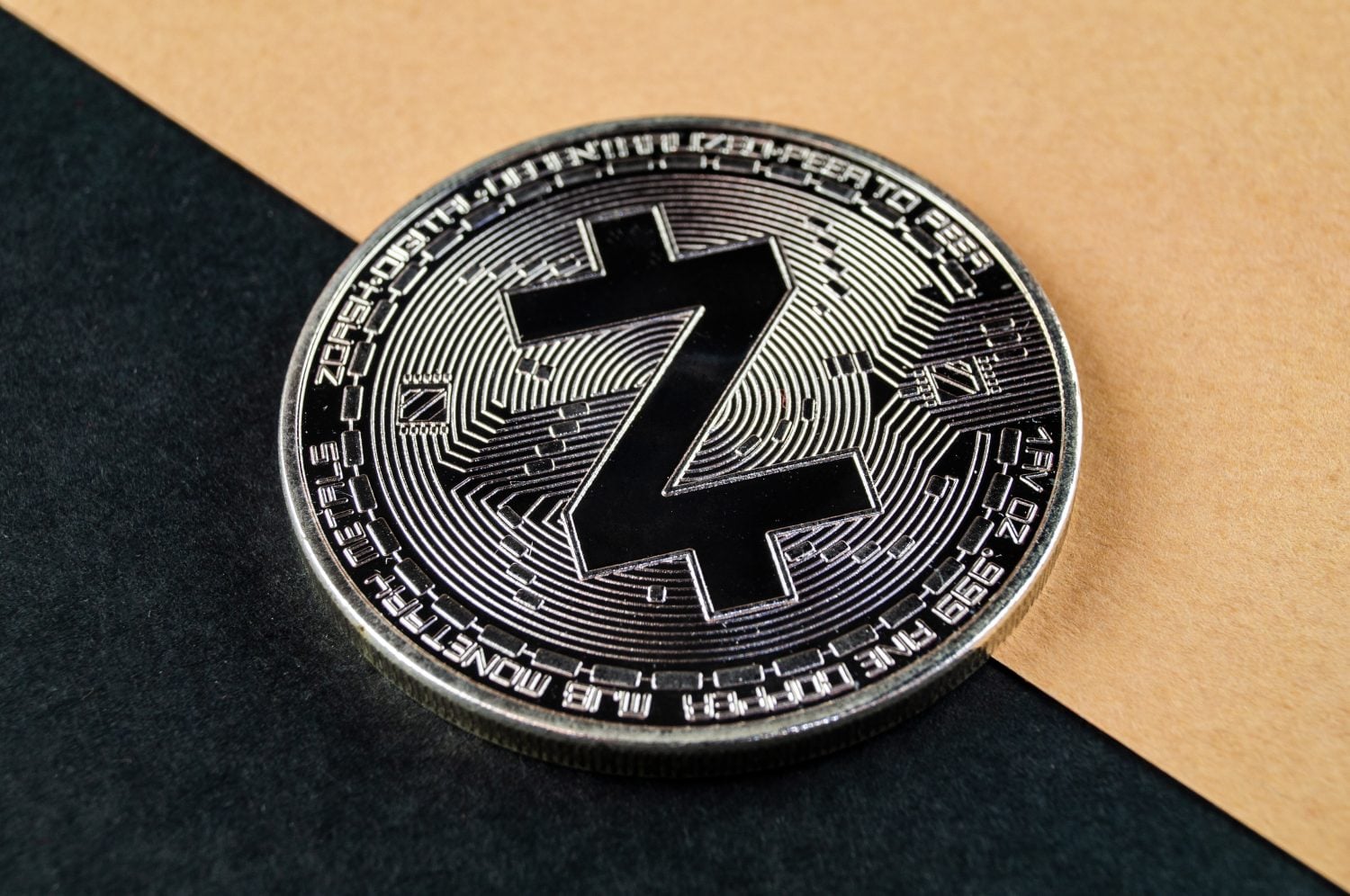
Zcash is governed by a group of independent organizations, and the NU7 upgrade emerged from discussions among the Zcash Foundation, Project Tachyon, Valar, ZODL, and Shielded Labs. These groups reached a unanimous decision after extensive community polling.
In the coinholder vote, about 2.4 million ZEC participated, about 66% of the eligible pool, with 98.9% supporting the retention of the existing halving schedule (the planned reduction in the number of new coins created with each block). Additionally, 96.6% agreed on a February 2031 start date for releasing the reserved fees back to miners as rewards.
Since the fees held in reserve will not reach miners until 2031, fewer coins will circulate in the market during that time. However, ZEC’s total supply is capped at 21 million, so the only supply change NU7 makes is the timing of fee distribution.
NU7 Also Shortens Zcash Block Times to 25 Seconds
One of NU7’s major technical updates is reducing the target time between blocks from 75 seconds to 25 seconds. This shorter block time means transactions can be confirmed about three times faster on average, improving payment and deposit speeds at exchanges.
Typically, faster block production would create more coins. However, NU7 mitigates this by dividing each block’s subsidy by three and extending the halving intervals by the same factor. This keeps the daily issuance of new coins consistent. Additionally, the timing for funding streams—sources of new coins that support Zcash development—will be adjusted to align with the quicker blocks.
NU7 is already operational on the testnet, a practice network where coins have no value. It was introduced there on October 4, at block 4,465,026, ahead of its original launch schedule. Although engineers are targeting November 5 for the mainnet release, they may postpone it if any issues arise during testing.
The Fee Reserve Does Little for ZEC Supply
The fee reserve’s size is the limiting factor here. While NU7 maintains a steady daily block subsidy, most ZEC has historically come from this subsidy rather than fees. The developers have not disclosed how much ZEC they will withhold daily from the reserve.
Furthermore, the upgrade does not automatically attract new users. Exchanges, wallet providers, merchants, and investment funds have not yet announced plans tied to the NU7 upgrade. Quicker block times will only benefit users if exchanges reduce the number of confirmations they require for deposits.
The upgrade’s support comes primarily from its developers. Sean Bowe, a key contributor, initiated a forum discussion on September 17, stating, “NU7 is proceeding!” Although this message included a timeline for upcoming work, it doesn’t directly indicate strong demand for ZEC.
Can the Zcash NU7 Upgrade Revitalize ZEC?
While NU7 is a significant upgrade for Zcash, its potential to boost ZEC’s price seems limited. Zcash may deliver faster transactions and give miners a buffer against future halving events, but ZEC holders are left with only a short-term reduction in fee coins entering the market and no increase in buyers. Quicker confirmations help only if usage grows enough to drive up fees, and network upgrades often don’t drive that growth.
The October 20 review is an early indicator. If developers confirm the mainnet launch and NU7 goes live on November 5, the following week’s price could show how much the market values the upgrade, and a post-launch price drop might suggest the fee reserve didn’t have the hoped-for impact. If the review pushes back the activation date, ZEC will likely continue to reflect privacy-coin trends and futures trading.
Contact [email protected] for any questions or corrections.
Sam Daodu is a crypto analyst who's spent nearly a decade making blockchain understandable—no easy task when most whitepapers read like fever dreams. He writes for 24/7 Wall St., covering Bitcoin, altcoins, and crypto market analysis for investors. Before crypto, he was a tech writer (back when explaining "the cloud" was peak innovation). Since 2018, he's written for CoinTelegraph, Yahoo Finance, The Block, Cryptonews, Zypto, Rain, and more—basically anywhere people want crypto news without the headache. Sam runs MacLabs Marketing, a content agency for crypto brands tired of sounding like AI wrote their website. He also publishes free crypto education on his site for Web3 enthusiasts who think "gas fees" is a typo. When he's not writing or staring at charts, Sam's either: - Watching anime (currently convinced One Piece has better tokenomics than most altcoins) - At the gym sculpting himself into a Greek god - Listening to the music your mum warned you only bad boys listen to Connect: LinkedIn | Email | MacLabs Marketing