Zcash Dropped 10.7%, Twice Ethereum’s Fall and Three Times XRP’s. Can Its Upgrade Turn It Around?
Zcash just suffered the worst crash among major cryptocurrencies, and a looming network upgrade is forcing certain holders to act before their coins become permanently unspendable. Whether the selloff was a fluke or a warning sign depends on what happens…

This post may contain links from our sponsors and affiliates, and Flywheel Publishing may receive compensation for actions taken through them.
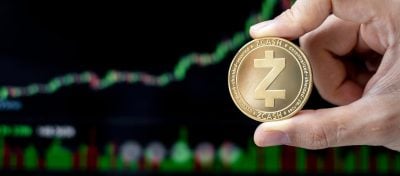
Zcash (CRYPTO: ZEC) took a significant hit in the 24 hours to October 15, 2026, falling 10.7% to $1,100—marking the largest decrease among the 26 cryptocurrencies tracked by 24/7 Wall St. In contrast, Ethereum (CRYPTO: ETH) fell 4.7%, while XRP (CRYPTO: XRP) fell 3.5%, underscoring Zcash’s steeper decline.
According to investment platform Pluang, leveraged traders forced liquidations drove the drop. Additionally, this selloff comes just days before developers are set to decide whether to activate the Zcash NU7 upgrade. This upgrade presents a deadline for certain holders, as cryptocurrency held in an outdated part of the network will become unspendable once the switch goes live.
So, will the NU7 upgrade give Zcash a much-needed boost, or will the market overlook it?
Forced Liquidations, Not the Upgrade, Drove Zcash’s Decline
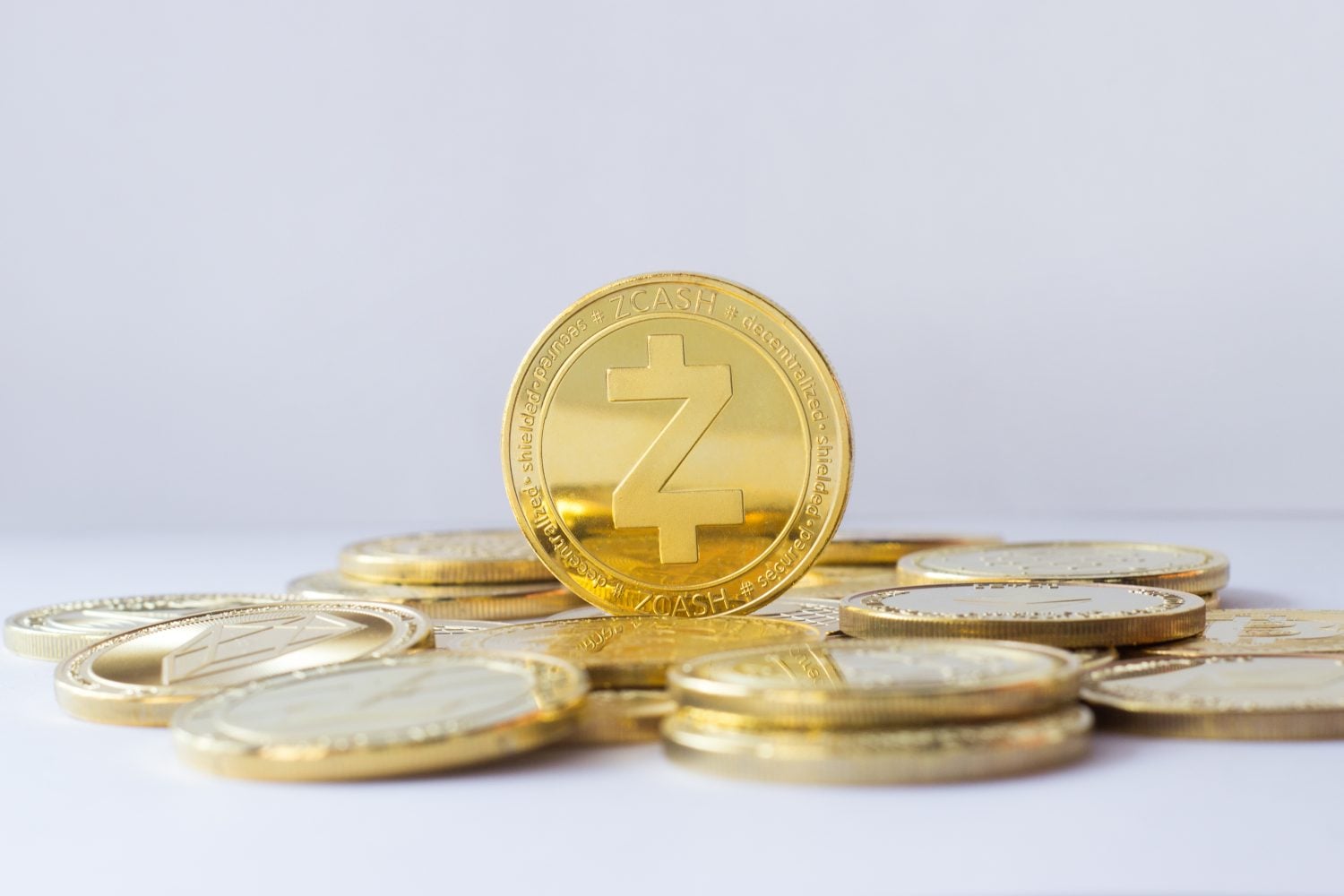
Zcash’s 10.7% drop was 2.3 times worse than Ethereum’s and 3.1 times the decline XRP saw. Over the week, it has lost 10.3% in value and is currently trading 65.5% below its October 2016 record high.
Leveraged trading involves borrowing funds, which can create significant financial risk. A liquidation occurs when an exchange forcibly closes a leveraged position because losses have reduced the trader’s collateral below the required level. These forced sales tend to push prices down further and can trigger a chain reaction of additional liquidations, what traders call a cascading effect.
This cascading effect tends to inflict the most damage in markets where traders hold high levels of leverage and where order books lack depth, meaning there aren’t many buyers at each price level. Zcash’s steep drop during this market-wide liquidation event mainly reflects the size of traders’ leveraged positions, rather than a direct reaction to the upgrade news.
Importantly, the NU7 upgrade activated on the testnet on October 4, well before this drop.
NU7 Makes Zcash Faster and Changes How It Pays Miners

The testnet acts as a trial version of a blockchain, allowing upgrades to be tested with coins that have no monetary value. For Zcash, the NU7 upgrade was successfully activated on its testnet at block 4,465,026 on October 4.
This upgrade introduces two key changes: speed and funding mechanisms.
First, Zcash reports that NU7 will reduce the time it takes to generate a new block—where confirmed transactions are grouped—from 75 seconds to 25 seconds. This means faster payments for current users but doesn’t automatically create new demand for the coin.
Second, the upgrade introduces a Network Sustainability Mechanism that reallocates a portion of transaction fees to fund future block rewards for miners who secure the network. This adjustment changes the way Zcash finances its ongoing security.
Sprout Holders Face a Deadline Before NU7 Goes Live
One critical aspect of the NU7 upgrade is that it will deactivate version 4 transactions, an older format. When this happens, any ZEC held in the Sprout shielded pool will become unspendable unless holders migrate it prior to mainnet activation. The Sprout shielded pool keeps transaction amounts and balances private, and it is the original version.
ZEC holders in Sprout should act immediately to move their coins out before the mainnet upgrade activates. Wallet providers can help customers check the status of their holdings and offer guidance on migrating them efficiently. Those who wait for the final decision might find themselves pressed for time.
The Zcash Foundation says developers will review the testnet’s performance on October 20 and set the mainnet activation timeline, expected around November 5—though final approval will depend on the review outcome.
Can the Zcash NU7 Upgrade Turn the Price Around?
In our view, while the NU7 upgrade may improve the Zcash network, it’s unlikely to reverse the ongoing selloff on its own. Faster transaction processing benefits current users, the sustainability mechanism redistributes fees, and shutting down version 4 transactions is more about network maintenance and requires holders to act—none of which directly generates new buying interest.
It’s hard to find solid evidence of how previous upgrades to privacy coins have influenced their market prices. Current holders worry that any recovery will depend more on trader behavior than on technical improvements. If leveraged positions are cleared out, further waves of forced selling might be less likely.
If developers approve the NU7 upgrade on October 20 and Zcash maintains its price above $1,100 leading into November 5, it could suggest the market is viewing the upgrade positively. Conversely, if the price drops below that level after approval, it may suggest that leverage and broader market trends are the primary drivers. Either way, the Sprout deadline still applies.
Contact [email protected] for any questions or corrections.
Sam Daodu is a crypto analyst and the editor of 24/7 Wall St.'s Crypto Desk, where he covers Bitcoin, XRP, Ethereum, Solana and the altcoins investors search for most. His work focuses on price levels, spot ETF flows, on-chain data and the regulatory decisions that move crypto markets, written so a first-time buyer and a seasoned trader can both use it.
Sam has written about crypto professionally since 2019 and has published more than 2,000 articles. Before joining 24/7 Wall St., he wrote for crypto media outlets and Web3 companies and ghostwrote for crypto founders and token launches. His analysis is syndicated on Yahoo Finance, MSN and AOL and has been cited by other crypto news sites. He also founded MacLabs Marketing, a content and personal branding agency for crypto founders and executives.
When he isn't reading charts, Sam is usually at the gym or watching One Piece, a series he maintains has better tokenomics than most altcoins.