Mesh and Visa Now Let You Spend Crypto at 175 Million Locations Without a Crypto Card. How Does It Work?
Visa just opened 175 million merchants to crypto spenders, but the real catch has nothing to do with card readers or wallet apps. Every tap at checkout could quietly trigger a tax bill most users never see coming.

This post may contain links from our sponsors and affiliates, and Flywheel Publishing may receive compensation for actions taken through them.
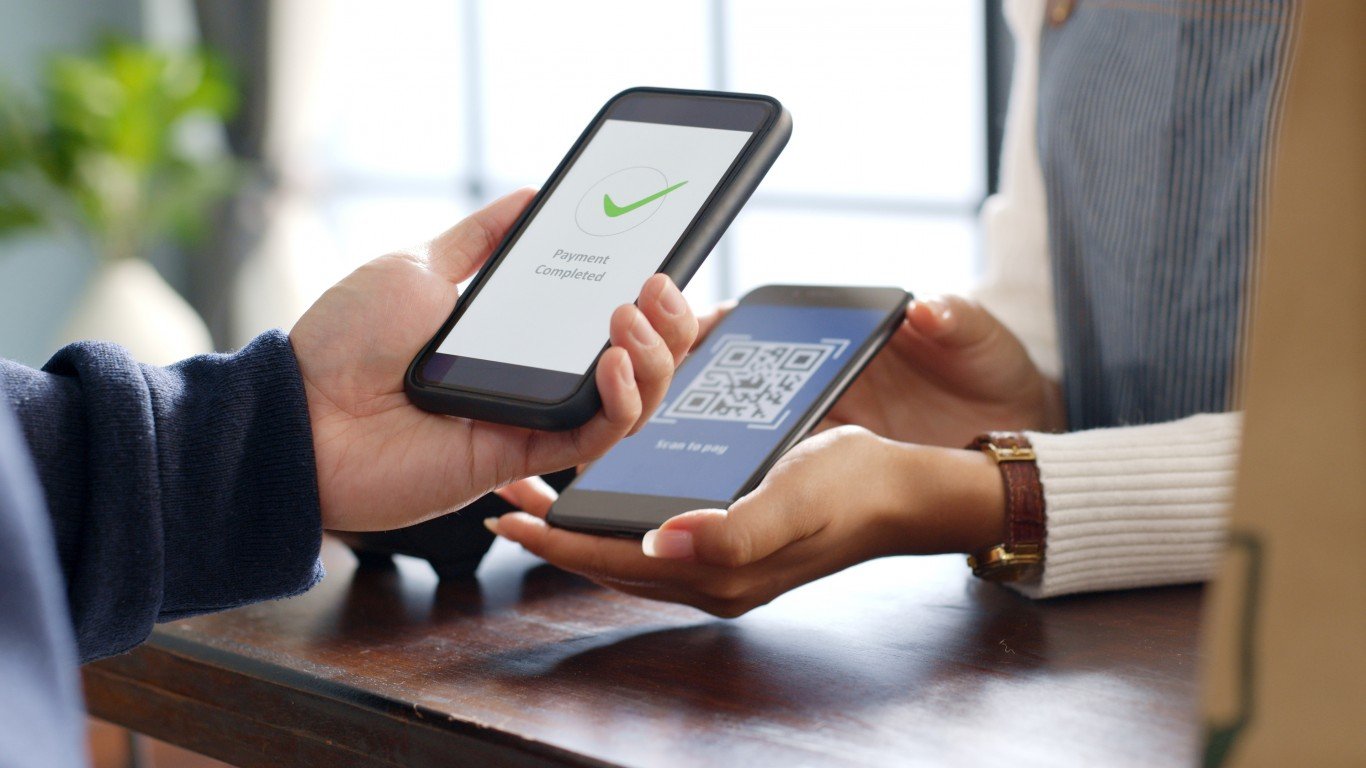
Mesh and Visa (NYSE:V | V Price Prediction) have teamed up to let users spend crypto and stablecoin balances held in wallet apps at more than 175 million merchants worldwide, without needing a separate crypto card. The company announced this significant development on October 19, 2026.
Many crypto holders have never spent their digital assets in stores. Until now, converting crypto to cash often required selling coins, waiting for the funds to transfer to a bank, or signing up for a crypto debit card linked to a specific exchange.
While the checkout process is straightforward under this new arrangement, tax considerations can catch new users off guard. Here’s what to expect at checkout and what tax implications may follow.
How Mesh and Visa Crypto Payments Work at Checkout

The wallet app takes care of most of the payment process. According to the announcement, the participating wallet app sets up a Visa card behind the scenes. Users can tap a standard contactless terminal or check out online without selling, transferring, or preloading any funds.
When it’s time to pay, Mesh determines how the purchase is funded—crypto, a stablecoin (a token designed to maintain a steady $1 value), or regular dollars. The merchant receives the payment as a standard Visa transaction, requiring no additional hardware and ensuring cashiers see a typical card payment.
| Item | Details |
|---|---|
| Who’s behind it | Mesh, a crypto payments network, in partnership with Visa |
| Where it works | At Visa merchants in over 200 countries and territories |
| What users need | A participating wallet app, with no separate crypto card necessary |
| What merchants receive | A standard payment processed through Visa |
| Launch timing | Not yet announced |
Mesh Has Not Named the Coins, Fees or Launch Countries Yet

Mesh has not yet specified which cryptocurrencies it will support, any applicable fees, or which countries it will include in the initial rollout. Users should check their wallet apps to confirm three critical details before buying.
- Supported balances. Some wallets may allow only stablecoin spending, while others may enable more volatile cryptocurrencies like Bitcoin (CRYPTO:BTC).
- Conversion costs. Take a close look at the total fees, as even a small spread can add up. For example, a 1% spread on a $500 purchase would add an extra $5 to the cost.
- Funding preferences. Mesh will allocate funds from crypto, stablecoins, or cash, and this choice could impact users’ tax liabilities.
Every Crypto Purchase Counts as a Sale at Tax Time

The IRS classifies cryptocurrencies as property. As a result, spending crypto is a taxable event, similar to selling it. The IRS states that “an exchange of digital assets for property, goods, or services” constitutes a taxable transaction. According to Form 1040 instructions, you must report any disposal through payment on Form 8949 and Schedule D.
For instance, if someone purchases a $1,000 laptop using Bitcoin bought at $500, they owe taxes on the $500 gain, even if they haven’t converted any crypto to cash. At the 15% long-term capital gains rate (for assets held over a year), the laptop adds about $75 to their tax bill. Coins held for a year or less are taxed at the regular income tax rate, which is usually higher.
Additionally, a purchase can lock in a loss. For example, if Bitcoin trades at about $81,000, down from $111,000 a year earlier, selling coins bought at the higher price would realize a capital loss that could offset other capital gains.
Stablecoins largely avoid these complexities, as tokens like USD Coin (CRYPTO:USDC) usually maintain a value close to $1. However, these transactions still count as disposals, and the IRS requires taxpayers to keep detailed records of every sale, exchange, or disposal of virtual currency and its fair market value.
Who Stands to Gain from Mesh Visa Crypto Payments?
Mesh and Visa’s new setup benefits individuals who hold stablecoins, receive payments in them, or frequently make cross-border transactions and prefer to spend directly without cashing out first. Stablecoins simplify tax tracking and suit everyday purchases. However, long-term crypto holders may find it more advantageous to keep their investments separate and use a traditional card for payments.
Tax tracking is the cost. Each purchase with a coin that has risen in value may create a gain to report. Small purchases add up fast over a year, so frequent spenders of appreciated coins will likely require tax software. If Mesh and its partners publish clear coin and fee lists at launch, this could become one of the easiest ways to spend crypto—as long as users know the tax owed on each transaction.
Contact [email protected] for any questions or corrections.
Sam Daodu is a crypto analyst who's spent nearly a decade making blockchain understandable—no easy task when most whitepapers read like fever dreams. He writes for 24/7 Wall St., covering Bitcoin, altcoins, and crypto market analysis for investors. Before crypto, he was a tech writer (back when explaining "the cloud" was peak innovation). Since 2018, he's written for CoinTelegraph, Yahoo Finance, The Block, Cryptonews, Zypto, Rain, and more—basically anywhere people want crypto news without the headache. Sam runs MacLabs Marketing, a content agency for crypto brands tired of sounding like AI wrote their website. He also publishes free crypto education on his site for Web3 enthusiasts who think "gas fees" is a typo. When he's not writing or staring at charts, Sam's either: - Watching anime (currently convinced One Piece has better tokenomics than most altcoins) - At the gym sculpting himself into a Greek god - Listening to the music your mum warned you only bad boys listen to Connect: LinkedIn | Email | MacLabs Marketing