Coinbase Holds 30% of All USDC. Does That Make USDC Safer or Riskier After the Binance Hack?
Circle froze 800 million USDC within hours of the Binance hack, proving it can lock any wallet at will. With Coinbase now custodying nearly a third of all USDC, the question of where you hold your stablecoins just got a…

This post may contain links from our sponsors and affiliates, and Flywheel Publishing may receive compensation for actions taken through them.
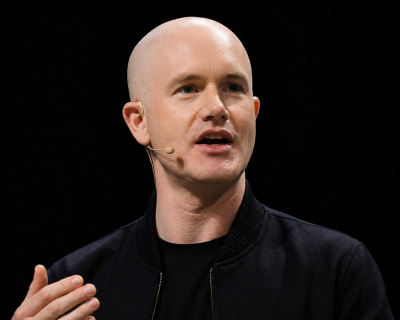
Coinbase (NASDAQ: COIN | COIN Price Prediction) holds around 30% of all USDC (CRYPTO: USDC) in circulation, according to Chief Financial Officer Alesia Haas, and customers stored a record average of $22 billion in USDC within Coinbase products in the third quarter. This information came to light on the same day as the significant theft at Binance. That raises a simple question. Is USDC safe?
In response to the Binance hack, Circle Internet Group (NYSE: CRCL), the issuer of USDC, froze over 800 million USDC associated with the attack, according to chief executive Jeremy Allaire. When Circle freezes an address, it blocks that wallet from moving tokens, preventing the thieves from cashing out but not returning the stolen assets to Binance.
USDC, designed to maintain a value of $1, saw minimal fluctuation, trading at $0.9996, after closing at $0.9990 on October 29—its lowest close in 90 days. Meanwhile, the stocks took a hit, with Circle dipping 6.5% to $75 in premarket trading and Coinbase falling 6.2% to $151. However, Coinbase’s drop was influenced by its earnings report as well as the hack.
Who Owns the $22 Billion in Coinbase’s USDC?

The $22 billion figure represents customer balances, not Coinbase’s own funds. This amount includes USDC held by retail customers, institutional partners, and various platforms, with Coinbase acting as the custodian that safeguards these assets.
A significant portion of this amount traces back to one partner, Hyperliquid, a decentralized derivatives exchange. Circle announced that about 90% of Hyperliquid’s USDC was held on Coinbase’s platform as of the end of June. Altogether, Hyperliquid makes up around 6% of Coinbase’s total USDC share.
Coinbase receives compensation for holding this USDC and reported $307 million in stablecoin revenue in the third quarter, up 5% from the previous quarter. The company says it gets about 50% of USDC’s economics. This income comes from the interest Circle earns on the reserves backing each USDC token, which it shares with distributors through a revenue-sharing agreement.
In August, Circle confirmed that its agreement with Coinbase had been renewed under the same terms. Most of Circle’s income comes from these reserve earnings, and its reserve return rate fell by 66 basis points (0.66 percentage points) from the previous year to 3.5%. As interest rates fall, both companies earn less from these reserves.
Did Coinbase’s Hack Response Change the Risk for USDC?

Following the Binance heist, Coinbase made statements about its own security and offered assistance, but it did not address the safety of USDC or make commitments to customers or partners. Chief executive Brian Armstrong said Coinbase is blocking transactions to compromised wallets, but the company never clarified whether the hack has changed USDC’s risk.
Coinbase’s management emphasized that they are “asset agnostic,” signaling a willingness to support other high-quality regulated stablecoins. Moreover, Circle and Coinbase compete in stablecoin payment infrastructure.
Market share is another reason to doubt USDC’s strength. As of the second quarter, USDC held 27% of the stablecoin market, down from 29% in the third quarter of 2025 and 28% in the fourth quarter of that same year. This indicates that rival issuers, like Tether, command the majority of the market.
USDC’s total market value is about $71.3 billion, below the $73.3 billion Circle reported at the end of June. If supply continues to decrease while balances at Coinbase remain stable, Coinbase’s share of USDC could grow larger.
What Backs USDC, and What Can Circle Freeze?
Circle operates under a federal trust bank charter granted by the Office of the Comptroller of the Currency and holds various licenses and registrations, which place it under regulatory supervision. The majority of USDC’s reserves are held in the Circle Reserve Fund, an SEC-registered government money market fund that invests primarily in cash and short-term government debt, with the reserve also receiving third-party assurance.
Coinbase’s third-quarter report highlighted a few areas of concern, including stablecoin revenue that moves with interest rates, a decline in off-platform USDC balances, and rising fourth-quarter marketing costs to attract USDC deposits, driven by USDC rewards.
Circle also identified a risk related to rapid redemption requests —swaps of USDC back into dollars—which could create significant challenges for Circle if many customers withdraw from Coinbase at once. However, Circle successfully managed an average of $1.9 billion in daily minting and redemption during the second quarter.
The freeze on 800 million USDC benefited Binance, as its customers now rely on the exchange’s SAFU emergency fund and Circle’s freezes. However, this situation highlighted Circle’s ability to freeze any USDC address. Moving USDC into a personal wallet does not exempt it from this control, because the freeze power is built into the token’s code.
Is USDC Safer or Riskier With 30% on Coinbase?
Coinbase’s 30% likely makes USDC a bit riskier for people who keep it on the exchange, but it leaves each USDC’s $1 value unchanged. Exchange risk covers USDC kept at a platform that gets breached, and Coinbase is not immune, since its third-quarter results included $18 million in net recoveries from an earlier data theft. Self-custody avoids that risk but puts security on the holder, who keeps the keys.
The companies gain more than the token does, since USDC holders get no price upside. A Coinbase share above 30% with circulation under $73.3 billion when Circle reports on November 4 would suggest rising concentration risk, and a USDC close below $0.9987, its lowest close in a year, would show traders treating the fallout as a Circle problem. So is USDC safe on Coinbase?
Contact [email protected] for any questions or corrections.
Sam Daodu is a crypto analyst and the editor of 24/7 Wall St.'s Crypto Desk, where he covers Bitcoin, XRP, Ethereum, Solana and the altcoins investors search for most. His work focuses on price levels, spot ETF flows, on-chain data and the regulatory decisions that move crypto markets, written so a first-time buyer and a seasoned trader can both use it.
Sam has written about crypto professionally since 2019 and has published more than 2,000 articles. Before joining 24/7 Wall St., he wrote for crypto media outlets and Web3 companies and ghostwrote for crypto founders and token launches. His analysis is syndicated on Yahoo Finance, MSN and AOL and has been cited by other crypto news sites. He also founded MacLabs Marketing, a content and personal branding agency for crypto founders and executives.
When he isn't reading charts, Sam is usually at the gym or watching One Piece, a series he maintains has better tokenomics than most altcoins.