Chainlink Now Streams Prices for $40 Trillion of Asian Stocks. So Why Is LINK Still 79% Below Its All-Time High?
Chainlink just expanded its oracle network to cover a staggering slice of Asian stock markets, yet LINK holders have almost nothing to show for it. The reason comes down to a disconnect between what Chainlink sells and what actually drives…

This post may contain links from our sponsors and affiliates, and Flywheel Publishing may receive compensation for actions taken through them.

Chainlink (CRYPTO: LINK) announced that its APAC Equities Streams now cover more than $40 trillion of Asian stock markets. Despite this significant development, the Chainlink LINK price is trading 79% below its all-time high.
The data streams provide share pricing for countries such as China, Japan, South Korea, Taiwan, and Hong Kong, including major companies like Taiwan Semiconductor Manufacturing (NYSE: TSM | TSM Price Prediction), Tencent, Samsung, SK Hynix, and BYD. These real-time price feeds are currently available on crypto trading platforms, such as Lighter and Jupiter.
Chainlink operates as an oracle network, meaning it supplies external data, like stock prices, directly to blockchains, enabling various crypto applications to use that information. Just a day before the APAC feeds announcement, Chainlink launched its Chainlink 24/7 service, which provides pricing for stocks and commodities even on weekends and holidays. The service launched with lending protocol Aave as its initial partner.
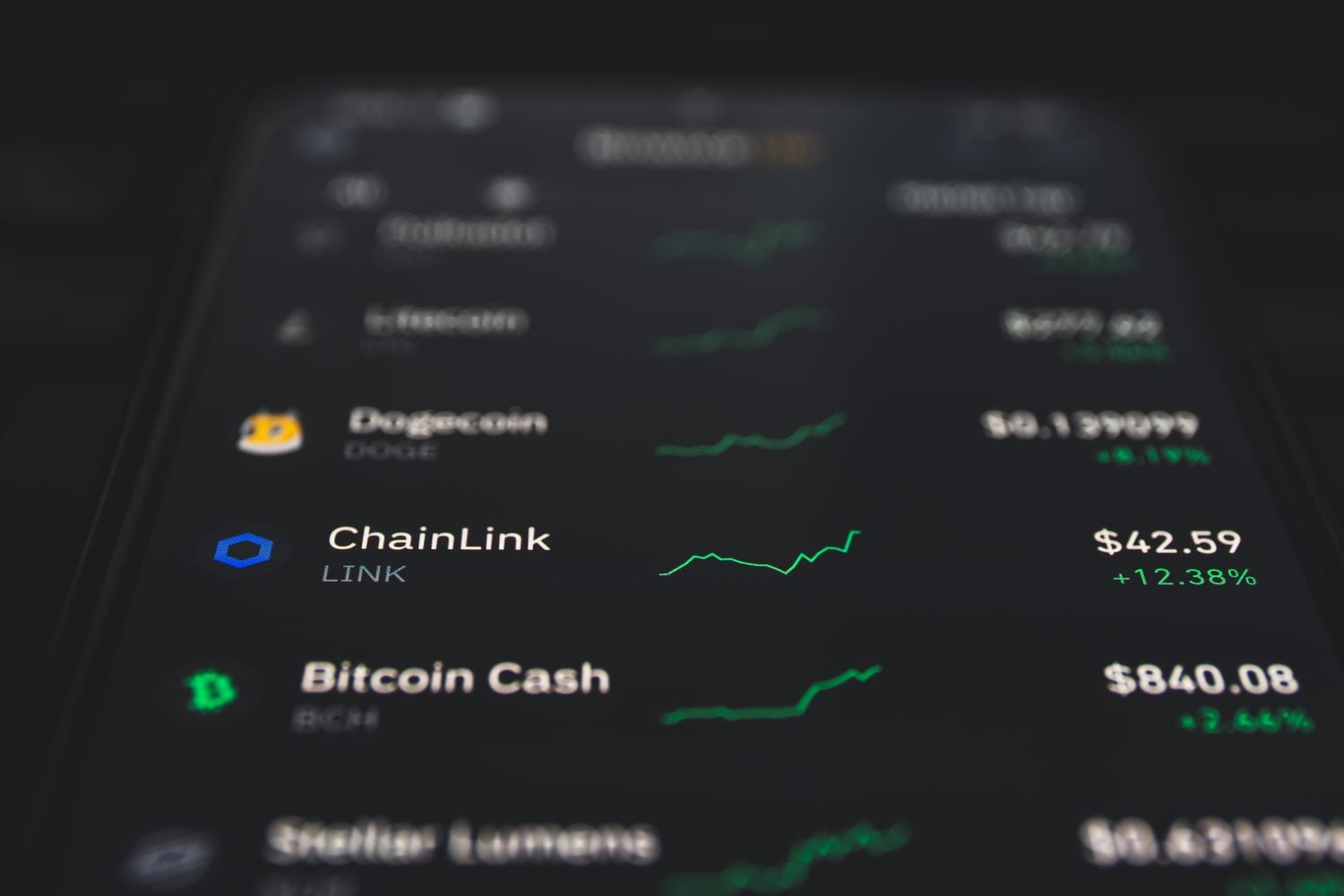
However, the LINK token saw minimal movement in response to these launches. As of November 3, LINK trades at $11.12, down 0.2% in the last 24 hours and 22.3% over the past 30 days. This price is about 79% below its peak of $52.70 in May 2021, making it the 17th most valuable cryptocurrency by market cap.
Chainlink Offers Asian Stock Prices to Crypto Platforms
Chainlink’s Data Streams are high-frequency price products, as the company states in its developer documentation. The APAC version covers major stock indices and individual stocks during the trading hours of each home exchange. Notably, Korea and Japan are quote-only markets, meaning their feeds report only prices and do not provide the last traded price. In contrast, the feeds from China, Hong Kong, and Taiwan include actual trade data.
These price feeds are primarily sold to crypto trading platforms. When a platform utilizes Chainlink’s feed, it can leverage the prices to value contracts tied to Asian stocks, allowing users to trade on stock price movements without needing a brokerage account in cities like Taipei or Seoul. The Chainlink 24/7 service addresses the weekend trading gap, ensuring that platforms like Aave have live pricing for stock-linked collateral even when traditional exchanges are closed.
The $40 trillion mentioned refers to the combined market value of the stocks being quoted, not the trading volume or any fees paid to Chainlink. For instance, TSMC alone is valued at approximately $2.1 trillion, yet TSMC has no relationship with Chainlink, which prices TSMC’s shares independently.
Chainlink charges for its Data Streams through subscriptions, and its billing page invites clients to reach out for pricing details. However, Chainlink Labs, the organization behind the network, does not release audited revenue figures, making it difficult for outside investors to assess the financial value of these subscriptions.
Chainlink Customers Can Pay Without Buying LINK

The announcements regarding the APAC feeds and Chainlink 24/7 do not specify what currency customers use to pay for the service, which is a critical detail for LINK holders. If platforms like Lighter, Jupiter, or Aave choose to pay in traditional currencies or stablecoins—cryptocurrencies pegged to the dollar—they can access the feeds without buying LINK tokens.
Chainlink’s solution, known as Payment Abstraction, lets users pay fees in other assets, which are then converted into LINK tokens and deposited into the Chainlink Reserve—a smart contract on the Ethereum blockchain. When the reserve was launched in August 2025, Chainlink stated, “We do not expect any withdrawals from the Reserve for multiple years.”
This reserve creates a demand for LINK tokens funded by customer activity; however, Chainlink has not disclosed how much revenue from the APAC or 24/7 services is processed through Payment Abstraction. Thus, the link between new feed introductions and increased LINK purchases remains an assumption.
Another factor impacting LINK’s price is its supply. Approximately 767 million LINK tokens are currently in circulation out of a maximum of 1 billion. This results in a market cap of around $8.5 billion, with a fully diluted value—if every token were traded—of about $11.1 billion. The 0.77 ratio indicates that tokens still outside of circulation might eventually enter the market and dampen any buying pressure from the reserve.
LINK Still Acts Like a More Volatile Bitcoin
Over the past 30 days, LINK has dropped 22.3%, while Bitcoin (CRYPTO: BTC) has fallen 10.5%. Over the past year, LINK has fallen 27.3%, mirroring Bitcoin’s drop. This trend helps explain why a new feed launch has little impact on LINK’s price. A comparison between Chainlink and Bitcoin reveals a close correlation between the two.
On October 1, LINK closed at $14 but hit its lowest close for the month at $10.60 on October 29. At present, LINK is trading below its 20-day average of $11.79 and its 50-day average of $12.62, yet remains above its 200-day average of $10.04.
The stocks that Chainlink is pricing also haven’t influenced LINK’s price. While TSMC’s shares have risen by 35.3% this year, LINK is down 9.2%. Importantly, Chainlink continues to generate subscription revenue regardless of how these stocks are performing.
Moreover, all the clients mentioned are crypto platforms, and traditional Asian exchanges and brokerages have yet to come on board, similar to previous efforts with Chainlink’s tokenization initiatives in Japan.
Can the Chainlink LINK Price Rise on $40 Trillion of Coverage?
For now, the answer appears to be no. The launches of the APAC feeds and Chainlink 24/7 have certainly added more clients and a wider range of pricing data, strengthening Chainlink’s appeal to financial institutions, as evidenced by its recent engagement with DTCC. However, LINK’s price recovery depends on more than these recent developments.
Contact [email protected] for any questions or corrections.
Sam Daodu is a crypto analyst and the editor of 24/7 Wall St.'s Crypto Desk, where he covers Bitcoin, XRP, Ethereum, Solana and the altcoins investors search for most. His work focuses on price levels, spot ETF flows, on-chain data and the regulatory decisions that move crypto markets, written so a first-time buyer and a seasoned trader can both use it.
Sam has written about crypto professionally since 2019 and has published more than 2,000 articles. Before joining 24/7 Wall St., he wrote for crypto media outlets and Web3 companies and ghostwrote for crypto founders and token launches. His analysis is syndicated on Yahoo Finance, MSN and AOL and has been cited by other crypto news sites. He also founded MacLabs Marketing, a content and personal branding agency for crypto founders and executives.
When he isn't reading charts, Sam is usually at the gym or watching One Piece, a series he maintains has better tokenomics than most altcoins.