Is Stellar (XLM) Oversold After Falling 10% in a Week?

This post may contain links from our sponsors and affiliates, and Flywheel Publishing may receive compensation for actions taken through them.

Stellar (CRYPTO: XLM) has reached a one-year low just as its Bell upgrade went live, prompting many investors to question whether Stellar is oversold. The token trades at about 12.3 cents, below its November 20 low of 12.7 cents and down 10% in just a week.
This downturn is more pronounced than the broader market. XLM fell 7.5% in the last 24 hours, while Bitcoin (CRYPTO: BTC) dropped 4.2% and Ethereum (CRYPTO: ETH) fell 5.4%. Many holders had hoped the upgrade would boost prices, but selling pressure took over instead.
Currently, XLM is 86% below its all-time high of about 88 cents, set in January 2018, and is only about 2% higher than its trading price three years ago. So with the upgrade live and the price at a one-year low, is Stellar oversold?
Stellar Trades About 32% Below Its 200-Day Average

A moving average reflects an asset’s average closing price over a specified period, helping traders assess market trends. When a coin trades significantly below its averages, it suggests sellers have pushed the price down faster than usual, leading traders to consider it oversold.
Currently, Stellar is trading approximately 12% below its 20-day average of around 14 cents and 32% beneath its 200-day average of around 18 cents. Its 50-day average of about 17 cents also looms above, signaling a downward trend across short-, medium-, and long-term horizons.
In the week ending November 22, Stellar hit a low of 12 cents, its lowest weekly low since at least December 2024 and just 2% below its current price.
Stellar Rebounded After Two of Its Three Deep Dips in 2026

This year, Stellar has seen three significant dips, with two leading to sharp recoveries. For instance, in the week ending May 24, the price fell to around 14 cents but then surged to a high of 29.8 cents the following week, marking a 114% increase, and ultimately closed at 26 cents. By June 21, it was still trading at 21 cents.
The August dip followed a similar pattern, with the price closing at 15.6 cents in the week ending August 16 before bouncing back to a peak of 22.3 cents the next week, a 43% rise, and then finishing the week of September 13 at 17.7 cents.
In contrast, February’s dip did not lead to a lasting recovery. After briefly touching 13.6 cents during the week ending February 8, Stellar rebounded 25% to close at 17 cents a week later, only to settle at 14.8 cents by the week of March 8. So Stellar rebounded sharply within a month after two of its three dips this year and gave back most of its bounce after the other.
Stellar’s Bell Upgrade Went Live as XLM Fell
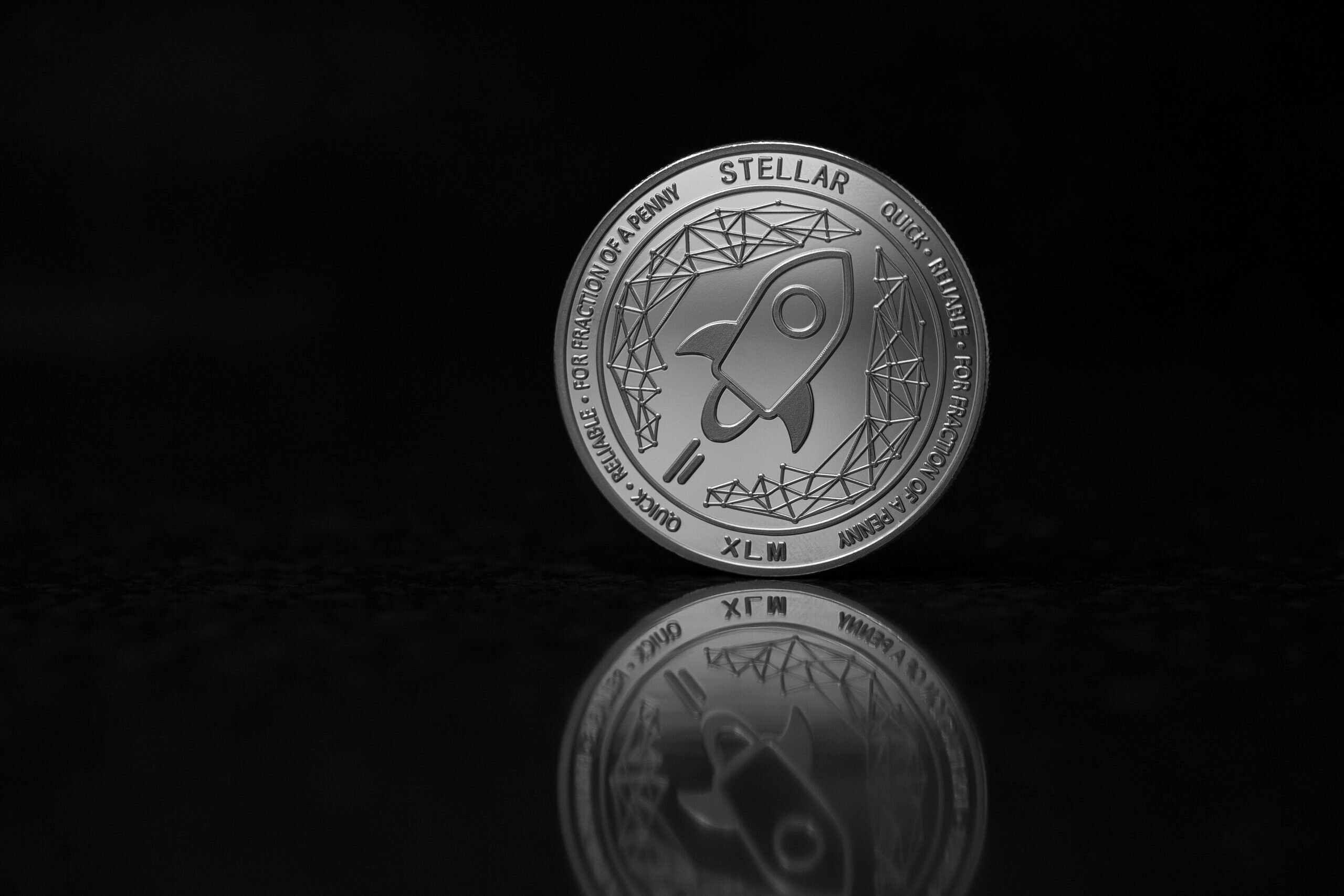
The Bell upgrade, also known as Protocol 30, was rolled out on November 23 at 17:00 UTC after receiving approval from Stellar’s validators, the network’s transaction-confirming computers. This upgrade introduces smart accounts, essentially code-governed wallets that let companies set specific spending and approval rules. It also enhances security by supporting quantum-safe signatures, designed to protect against future quantum computer attacks on encryption.
According to the Stellar Development Foundation, Bell also incorporates post-quantum signature checks within smart contracts and starts work on ledger close times measured in milliseconds. Furthermore, Ondo’s USDY, a yield-bearing dollar token backed by short-term U.S. Treasuries and worth over $2.3 billion, now moves between Stellar and Ethereum. The growth of tokenized assets like USDY drives most long-range targets for Stellar, including whether it can reach $1 by 2030.
Nevertheless, the benefits of such upgrades typically unfold over months as businesses adapt. In the short term, XLM’s performance remains closely tied to Bitcoin, which has dropped 23% over the past month. Stellar’s current market value stands at about $4.4 billion, ranking 20th among cryptocurrencies, which seems distant from a potential $20 billion market valuation by 2030.
Stellar Looks Oversold, but Bitcoin Still Sets the Direction
Indeed, Stellar appears oversold, trading 12% below its 20-day average, 32% beneath its 200-day average, and below its lowest closing price in the past year. Additionally, it has bounced back from two of the three significant price declines in 2026, a pattern we also weighed when we asked which payment token could double first in 2027.
However, oversold conditions can persist for extended periods. A weekly close above the 20-day average near 14 cents, about 15% higher, could signal a reversal. But if Stellar closes the week below 12 cents, February’s pattern could repeat: a brief bounce followed by further declines, and Bell probably won’t change that until Bitcoin stabilizes. So is Stellar oversold enough to bounce on its own, or does it need Bitcoin first?
Contact [email protected] for any questions or corrections.
Sam Daodu is a crypto analyst and the editor of 24/7 Wall St.'s Crypto Desk, where he covers Bitcoin, XRP, Ethereum, Solana and the altcoins investors search for most. His work focuses on price levels, spot ETF flows, on-chain data and the regulatory decisions that move crypto markets, written so a first-time buyer and a seasoned trader can both use it.
Sam has written about crypto professionally since 2019 and has published more than 2,000 articles. Before joining 24/7 Wall St., he wrote for crypto media outlets and Web3 companies and ghostwrote for crypto founders and token launches. His analysis is syndicated on Yahoo Finance, MSN and AOL and has been cited by other crypto news sites. He also founded MacLabs Marketing, a content and personal branding agency for crypto founders and executives.
When he isn't reading charts, Sam is usually at the gym or watching One Piece, a series he maintains has better tokenomics than most altcoins.