Why Is XRP Falling Again After Its Jensen Huang Rally?

This post may contain links from our sponsors and affiliates, and Flywheel Publishing may receive compensation for actions taken through them.

XRP (CRYPTO: XRP) is falling again, just one day after hitting $1.02 on the Jensen Huang rally. On November 23, 2026, Nvidia (NASDAQ:NVDA | NVDA Price Prediction) reinstated Huang as CEO, sparking a stock rally. However, XRP has since lost all of its gains.
Currently, XRP is trading around 91 cents, down 6% in the last 24 hours and just above its November 20 close, its lowest close in a year. Since the beginning of 2026, XRP has plummeted about 50%, and it’s now 75% below its all-time high of $3.65 from July 17, 2025. So, why is XRP falling again, and what kept it from holding onto its brief rally?
Bitcoin Gave Back Its Nvidia Rally, and XRP Fell Harder
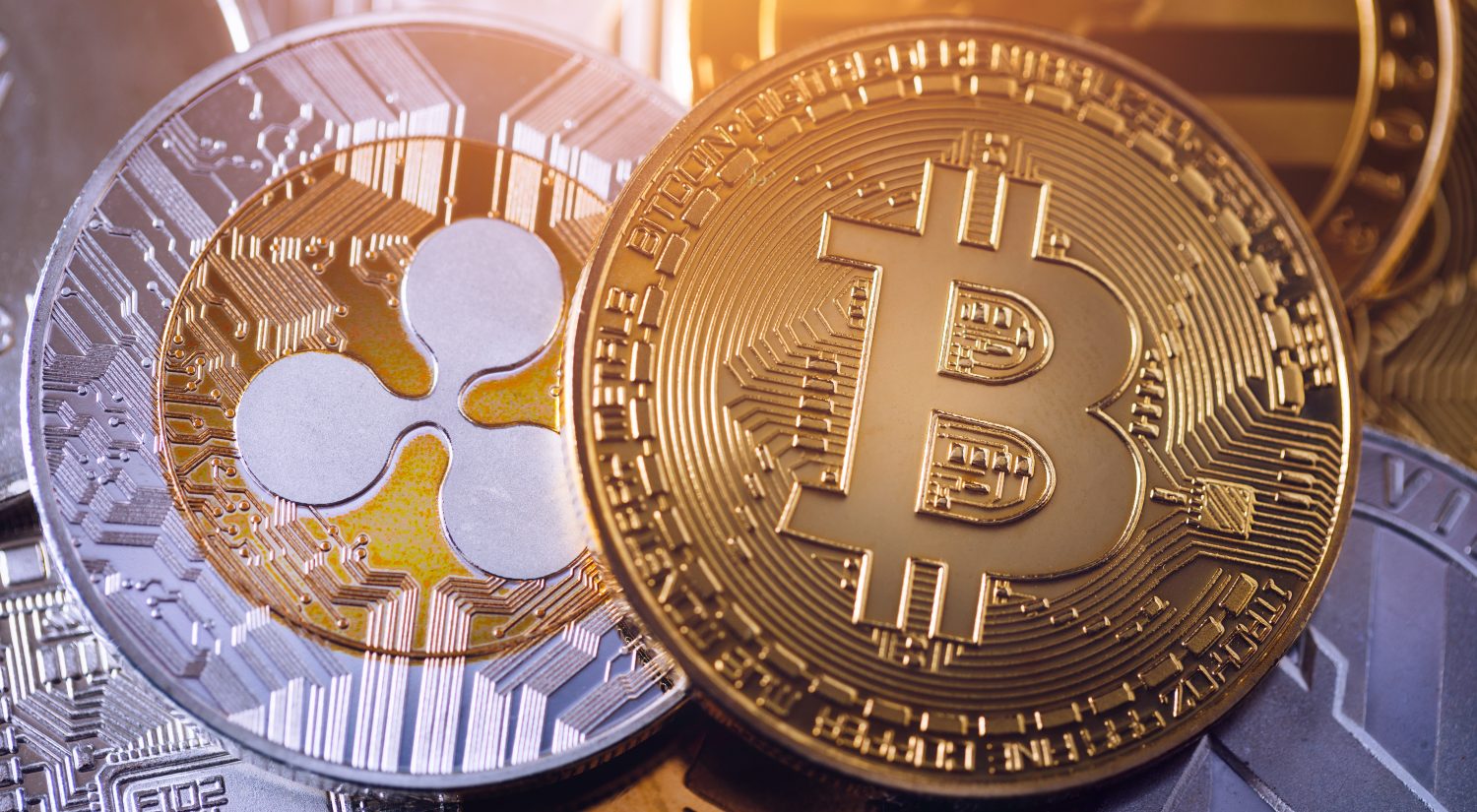
The overall crypto market often moves in sync with Bitcoin (CRYPTO: BTC). After the Nvidia news, Bitcoin climbed to $64,534 but dropped to an intraday low of $59,300 on November 24, as Nvidia shares gave back part of their rally. Because XRP typically follows Bitcoin’s trends, the decline hit XRP’s price even harder.
Nvidia’s stock influences the crypto market by shaping investors’ risk appetite, meaning how willing they are to own volatile assets. Huang’s earlier departure had sent the stock market into a correction, a drop of at least 10% from a peak. While his return led to a big rally, technology stocks turned lower on November 24, and traders who had chased the Huang bounce in crypto probably exited their positions too.
In the same 24 hours, XRP fell 6%, Ethereum (CRYPTO: ETH) fell 5.4%, Bitcoin fell 4.2%, and Solana (CRYPTO: SOL) fell 7%. Since Bitcoin and Ethereum have deeper buyer bases, including large U.S. spot ETFs, they can absorb selling better. In contrast, traders cutting risk tend to sell smaller coins like XRP and Solana first, which leads to bigger price drops.
Fund Buyers Stayed Away, and the Fed Sounded Hawkish
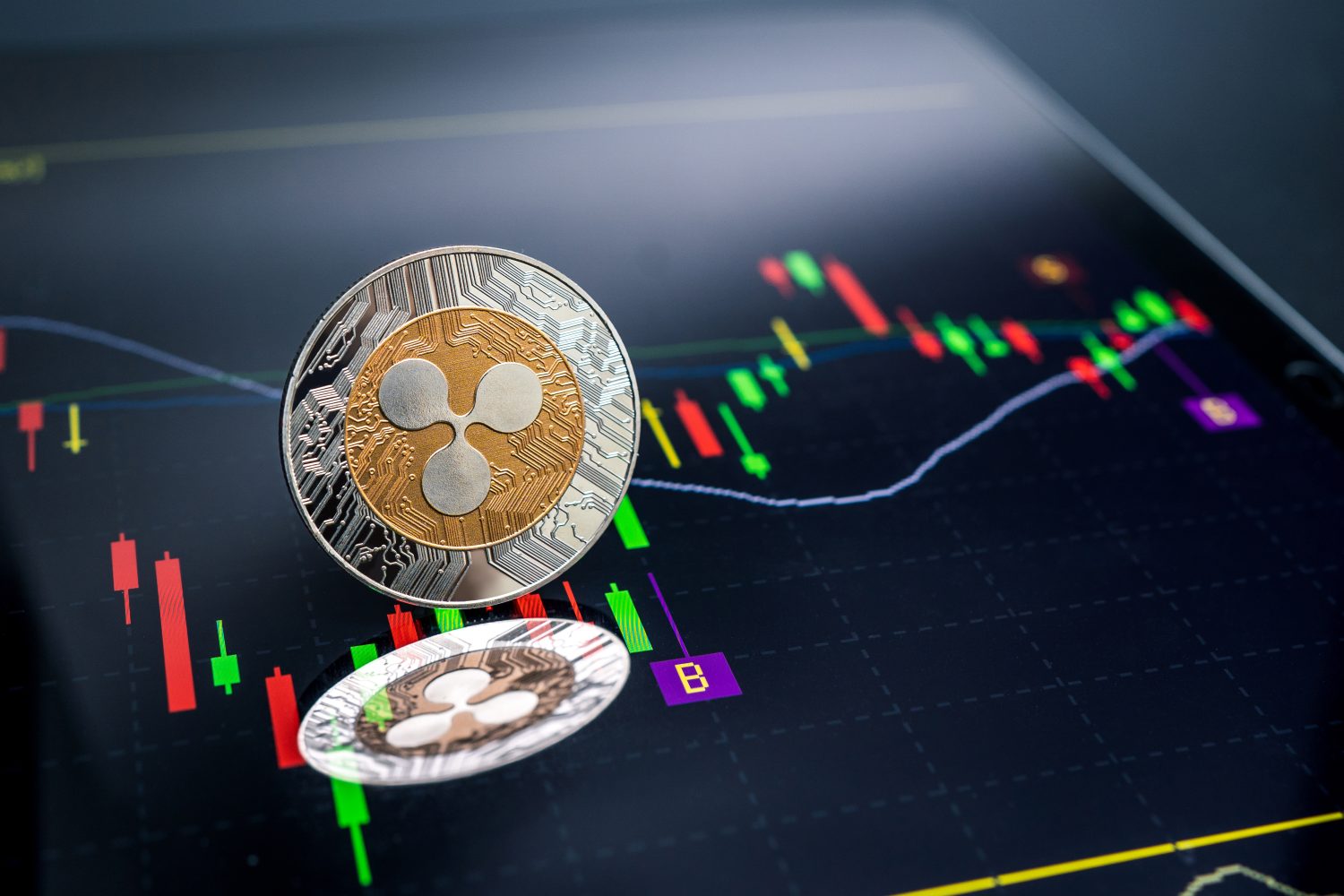
Fund investors didn’t back the rally. U.S. spot XRP funds, which hold XRP for investors, recorded net outflows of $2.5 million on November 23, the same day XRP peaked at $1.02. While that amount is small next to the $1.04 billion the funds hold, it shows the rally didn’t attract new fund money.
Additionally, XRP holders spent November absorbing news that former Ripple CTO David Schwartz sold most of his XRP, which hasn’t helped confidence in the coin.
Adding to the pressure, New York Fed President John Williams indicated on November 23 that higher interest rates are likely over time as policymakers seek to bring inflation back to the Federal Reserve’s 2% target. The Fed’s target range is 3.75% to 4%, and it will decide again on December 9. Rising rates can make cash and bonds more appealing than zero-yield assets like XRP.
XRP Failed at $1 and Trades Below All Three Key Averages
XRP traded above $1 on the afternoon of November 23 (UTC) but slipped back below it, closing under 94 cents for the day. Round numbers like $1 can act as resistance, a price where sellers have shown up before, as we saw when XRP last fell below $1.
Furthermore, XRP is trading below its 20-day moving average of $1.03 (13% higher), its 50-day average of $1.21 (33% higher), and its 200-day average of $1.24 (36% higher). These averages track XRP’s closing prices over different periods, and trading below all three signals a downtrend on short, medium, and long time frames.
The selling came in bursts. XRP’s trading volume peaked at 13:00 UTC, when it fell below 92 cents, and selling picked up again around 14:30 UTC, when the U.S. stock market opened. By mid-afternoon UTC, XRP had dropped below 91 cents.
XRP Probably Can’t Hold Its One-Year Low Without a Fresh Catalyst
In our view, the Huang rally was a temporary bounce fueled by the stock market’s mood, without fresh fund buying. The spike to $1.02 doesn’t signal a trend reversal, since XRP hasn’t reclaimed $1 or its 20-day average. Nvidia’s investigation into Huang and government inquiries are continuing, so tech stocks could swing again. If the Fed raises rates on December 9, XRP could stay under pressure.
The next rally could hold if XRP closes above its $1.03 20-day average while U.S. spot XRP funds post net inflows. However, if XRP closes below its 91-cent November 20 close before the Fed’s decision, it could set a new one-year closing low and stretch the downtrend into 2027, as XRP’s history after past 70% drops shows can happen.
Contact [email protected] for any questions or corrections.
Sam Daodu is a crypto analyst and the editor of 24/7 Wall St.'s Crypto Desk, where he covers Bitcoin, XRP, Ethereum, Solana and the altcoins investors search for most. His work focuses on price levels, spot ETF flows, on-chain data and the regulatory decisions that move crypto markets, written so a first-time buyer and a seasoned trader can both use it.
Sam has written about crypto professionally since 2019 and has published more than 2,000 articles. Before joining 24/7 Wall St., he wrote for crypto media outlets and Web3 companies and ghostwrote for crypto founders and token launches. His analysis is syndicated on Yahoo Finance, MSN and AOL and has been cited by other crypto news sites. He also founded MacLabs Marketing, a content and personal branding agency for crypto founders and executives.
When he isn't reading charts, Sam is usually at the gym or watching One Piece, a series he maintains has better tokenomics than most altcoins.