SIL vs. SILJ: Silver Miners and Senior Stability or Junior Leverage After the $120 Break and $60 Consolidation Test?
Silver's violent swing from $120 to the $60 consolidation zone split silver equity investors into two camps with very different survival odds. The fund you choose now determines whether you hold streaming cash flow through the turbulence or junior leverage…

This post may contain links from our sponsors and affiliates, and Flywheel Publishing may receive compensation for actions taken through them.
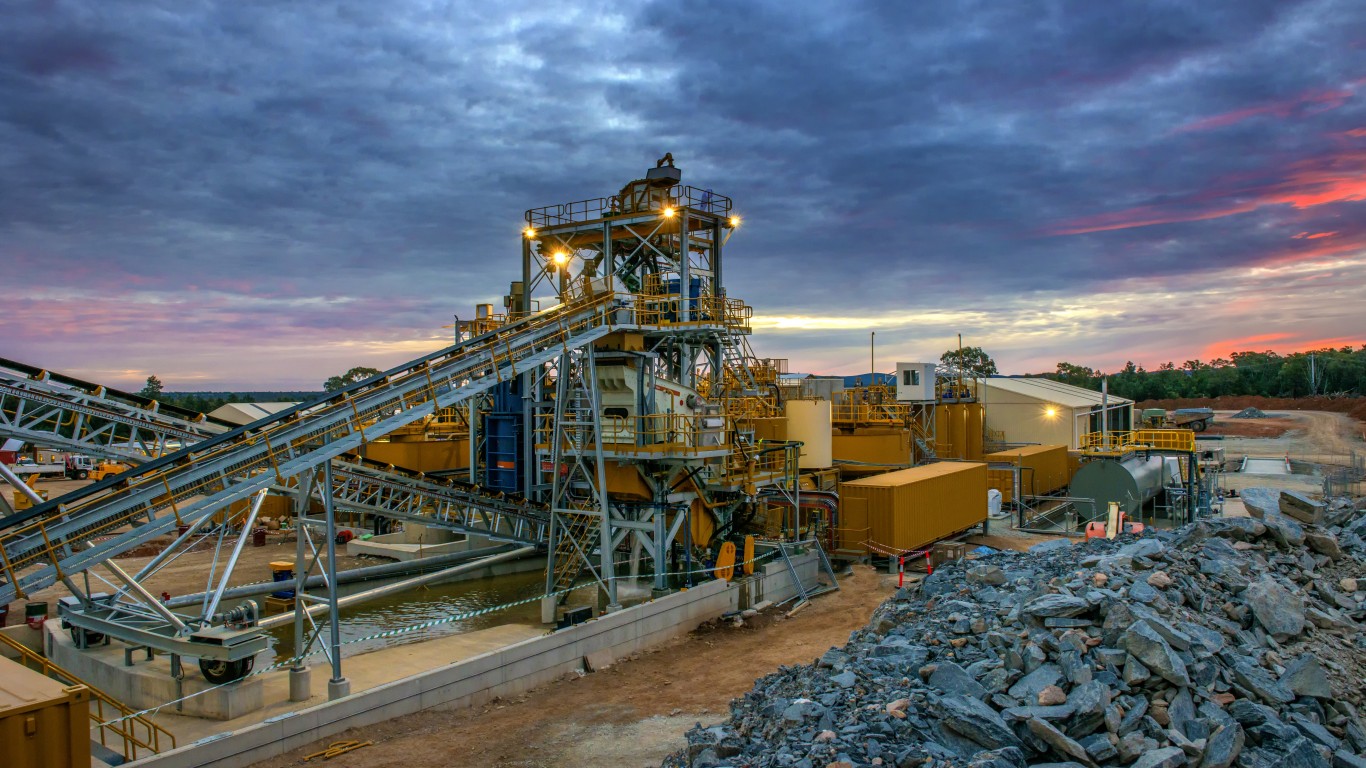
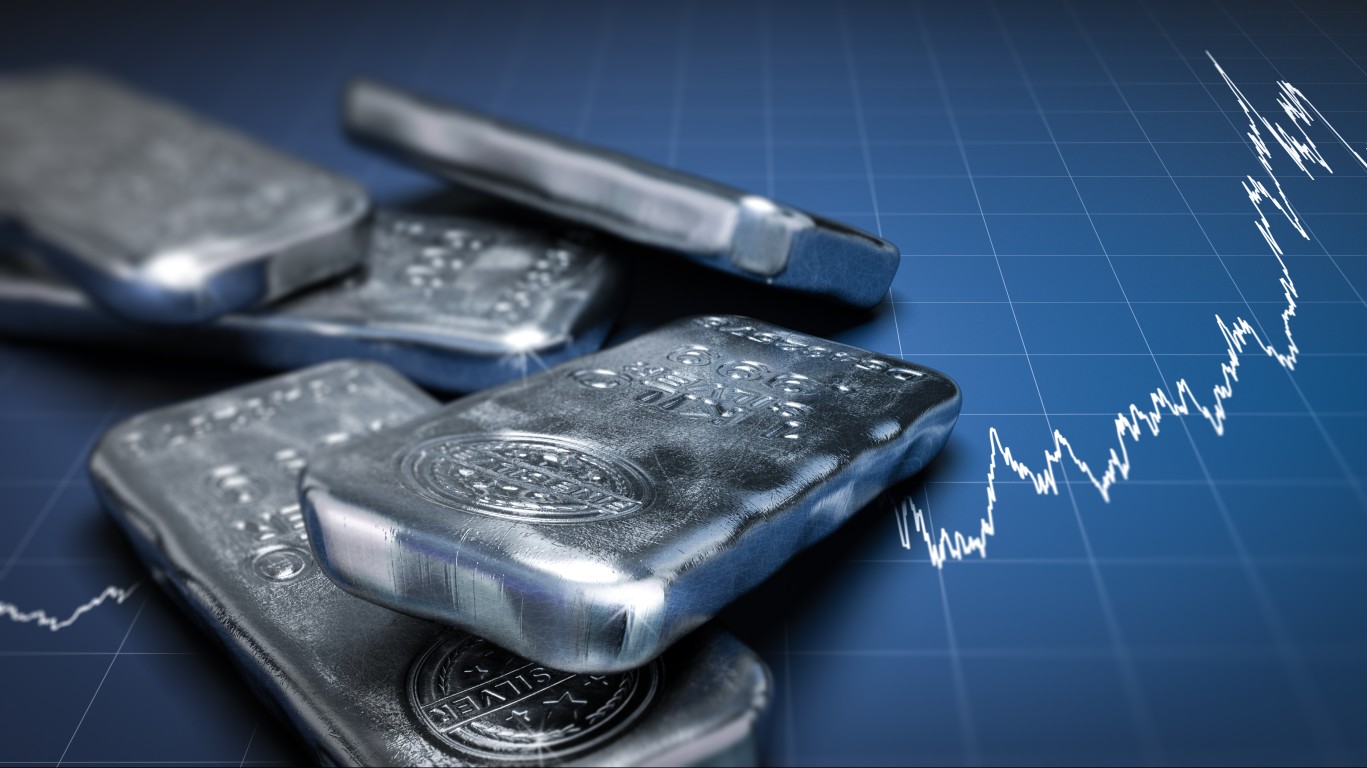
Silver’s run above $120 an ounce and its subsequent pullback toward the $60 range forced silver equity investors into a decision they have avoided during quieter years: senior producer stability through Global X Silver Miners ETF (NYSEARCA:SIL) or junior explorer leverage through Amplify Junior Silver Miners ETF (NYSEARCA:SILJ). Their structures diverge sharply. One holds a streaming giant that behaves more like a financial than a miner. The other holds development-stage names whose share prices move on drill results and financing terms. That structural gap produced a 71.19% one-year return for SILJ against 57.34% for SIL, and it will produce a wider gap on the way down.
What Each Fund Is Actually Betting On
SIL is a bet on cash flow discipline at scale. Its top position is Wheaton Precious Metals at 22.30%, a streaming company that buys future production at fixed low prices. That single holding removes operational risk from nearly a quarter of the portfolio. Add Pan American Silver at 12.16%, Coeur Mining at 7.26%, and Fresnillo at 5.43%, and roughly half the fund sits in cash-generating majors with balance sheets built to survive a silver price roundtrip.
SILJ is a bet on the exploration and development pipeline. The Prospector Junior Silver Miners Index targets small-cap explorers and pre-production names. Very few holdings generate meaningful free cash flow. When silver rises, junior net asset values reprice violently because reserves become economic overnight. When silver falls, financing evaporates and equity holders take the loss. This is torque.
Where The Difference Shows Up
The last twelve months captured both sides of that torque. During the run to $120, SILJ outpaced SIL meaningfully. Since the peak, both funds have retraced: SIL is down 8.46% year to date and SILJ down 8.10%, but the intra-week volatility has been sharper in the junior book. SIL fell 4.8% over the past week; SILJ fell 4.86%. On a five-year basis SIL is up 91.56% against SILJ’s 87.77%, evidence that junior torque cuts both ways across a full cycle.
The Practical Comparison
| Metric | SIL | SILJ |
|---|---|---|
| Net Assets | $5.29 billion | Reported at $8.07 million (fact sheet) |
| Expense Ratio | Not disclosed in filing | 0.76% |
| 1-Year Return | 57.34% | 71.19% |
| YTD Return | -8.46% | -8.10% |
| Top Holding Weight | Wheaton 22.30% | Diffuse junior book |
The size difference matters. SIL’s multi-billion-dollar asset base delivers tight spreads and deep liquidity. SILJ trades small-cap names where the fund itself can be a meaningful holder, which means creation and redemption pressure can move the underlying.
The China Catalyst
A near-term wildcard sits on the calendar. China is ending silver futures trading in favor of physical delivery on July 24, a structural shift that removes paper hedging capacity and, according to that view, pushes prices upward. If physical demand tightens supply, SILJ’s exploration-heavy book benefits disproportionately because marginal reserves reprice first.
The Verdict
SIL fits the investor who wants silver exposure with a survival-first portfolio: streaming cash flow, geographic diversification, and majors that can outlast a bad cycle. SILJ fits the investor who has already decided silver is going higher and wants amplified upside, accepting that a failed $60 consolidation could cut the fund harder than the metal itself. For most allocators, SIL is the core position. SILJ is the trade around it.
Contact [email protected] for any questions or corrections.
After 15 years on Wall Street with 7 of them as Director of Corporate and Municipal Bond Trading for a NYSE member firm, I started my own project and corporate finance consultancy. Much of the work involves writing business plans, presentations, white papers and marketing materials for companies seeking budgetary allocations for spinoffs and new initiatives or for raising capital for expansion or startup companies and entrepreneurs. On financial topics, I have been published under my own byline at The Motley Fool, 247wallst.com, DealFlow Events’ Healthcare Services Investment Newsletter and The Microcap Newsletter, among others. Additionally, I have done freelance ghostwriting writing and editing for several financial websites, such as Seeking Alpha and Shmoop Financial. I have also written and been published on a variety of other topics from music, audiophile sound and film to musical instrument history, martial arts, and current events. Publications include Copper Magazine, Fidelity (Germany), Blasting News, Inside Kung-Fu, and other periodicals.