This $39 Billion Fund Yields 10% and Owns Nvidia. So What’s the Catch?
JEPQ pays a 10% yield, owns Nvidia, and keeps climbing alongside the Nasdaq. Before you move your retirement savings in, you need to understand the silent cost hiding inside every monthly distribution check.

This post may contain links from our sponsors and affiliates, and Flywheel Publishing may receive compensation for actions taken through them.
The JPMorgan Nasdaq Equity Premium Income ETF (NASDAQ:JEPQ) is doing something that should not really work, paying roughly a 10.5% distribution yield while its share price grinds toward record territory in a Nasdaq-100 rally. JEPQ shares recently traded near $60, up about 8.5% year-to-date, and the fund still owns NVIDIA (NASDAQ:NVDA | NVDA Price Prediction) alongside the rest of the megacap tech cohort. For income-hungry investors watching the 10-year Treasury sit at 4.54%, JEPQ looks like the answer to a prayer. It is a trade with real trade-offs.
JEPQ holds a defensive slice of the Nasdaq-100, tilted toward lower-volatility names but still anchored by the tech giants. It then sells upside through equity-linked notes that write out-of-the-money call options on the index. The premiums collected become the monthly distribution. When tech grinds higher slowly, JEPQ collects premium, and the underlying stocks appreciate. When tech rips, JEPQ collects the same premium but the options get called away near the strike, which caps participation in the rally.
The Yield Is Real. So Is the Opportunity Cost.
The distributions are not marketing. JEPQ has paid every month for its entire history. The trailing 12-month total is $6.26 per share, and the July 2026 payment was $0.63658. Those checks are variable, not fixed. The February 2024 distribution was $0.34167, roughly half the most recent one, because option premium tracks volatility. Calm markets pay less; jumpy markets pay more.
Year to date through July 10, JEPQ returned 8.5% in total, while the Invesco QQQ Trust (NASDAQ:QQQ), which tracks the same index JEPQ tracks, returned 16.3%. Over one year, JEPQ is up 22% against QQQ’s 29%. Add the JEPQ distributions back, and the gap narrows but does not close. Over five years, JEPQ is up 85% in price versus QQQ’s 102%, and QQQ’s number does not include its dividend either.
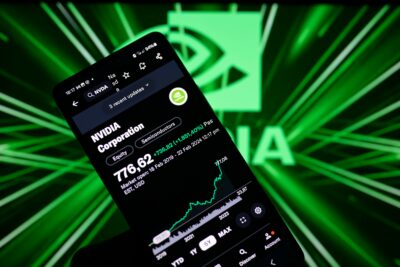
NVIDIA shows the cost best. NVIDIA is up 8% year-to-date and 24% over the past year. Every time NVIDIA runs, JEPQ’s calls get called against those gains. The fund converts what would have been NVIDIA capital appreciation into an option premium check that lands in your account in the first week of the month.
The Recovery Problem Nobody Mentions
Premium-income ETFs have an asymmetry that shows up in drawdowns. When the Nasdaq falls, JEPQ falls with it (the option premium cushions a little, but not much). When the Nasdaq rebounds, JEPQ participates only up to the call strike. You take most of the downside and a fraction of the upside on the way back. In a sideways or slowly-rising market, this is fine, even good. In a sharp V-shaped recovery, it is punishing, and the fund can take years to reclaim old highs that QQQ retook in months.
Distributions are largely taxed as ordinary income rather than qualified dividends, which makes JEPQ a natural fit for IRAs and a lousy one for high-bracket taxable accounts. The 0.35% expense ratio is fair for an actively managed options-overlay product, though meaningfully higher than QQQ’s cost.
Who Should Actually Own This
JEPQ makes sense as a 5% to 15% sleeve for retirees and near-retirees who need Nasdaq-flavored exposure but want the return in cash, monthly, rather than in eventual capital gains. It also works for investors who genuinely want to spend the distributions rather than reinvest them, because reinvesting a 10% yield into a capped-upside vehicle is a slow way to underperform the index it draws from.
Younger investors trying to compound for 20 or 30 years should own QQQ or a broad-market fund instead. Trading away tech’s long-run upside for monthly checks you do not need is the wrong direction on the risk-return curve. The catch is what you give up to earn that yield.
Contact [email protected] for any questions or corrections.
Omor Ibne Ehsan is a writer at 24/7 Wall St. He is a self-taught investor with a focus on growth, cyclical, and dividend equities that have strong fundamentals, value, and long-term potential. He also has an interest in high-risk, high-reward investments such as penny stocks.