Personal Finance Expert Warns Buy Now, Pay Later Can Reach “100% APR” as 29% of Customers Use It to Buy Groceries
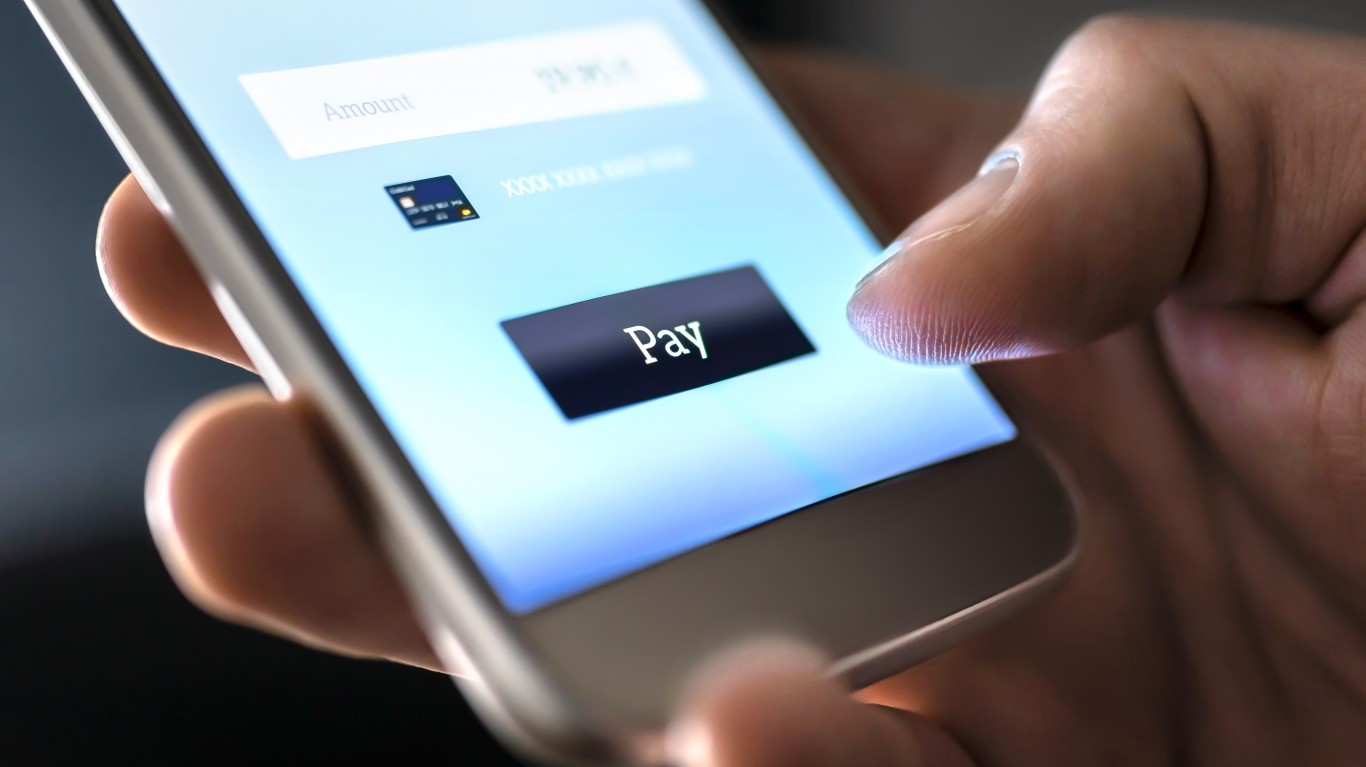
A financial tool pitched as a flexible, interest-free way to split purchases is quietly reshaping how millions of Americans pay for groceries and rent, and the fee structures buried in the fine print can turn a small shortfall into something…

This post may contain links from our sponsors and affiliates, and Flywheel Publishing may receive compensation for actions taken through them.

On a July 13 CNBC segment titled Buy Now, Stress Later?, correspondent Sharon Epperson delivered a warning about what buy now, pay later is becoming: “29% of buy now, pay later users said they used these short-term installment loans to buy groceries, more than double the rate of two years ago.”
When a product designed for one-off discretionary purchases becomes a tool for paying necessary living expenses like food, rent, or car repairs, it’s easy for missed payments to turn into a trap.
Buy Now, Pay Later Could Become Payday Lending With Better Branding
Epperson reported that about 47% of BNPL users say they have been late on a payment in the last year. She added that missed payments “can be due every two weeks in some plans, is costly, with interest and financing fees up to 36%.”
An analyst on the segment put a sharper number on the downside: “When you start to fall behind on buy now, pay later, that can make a small loan turn into something that looks more like a payday loan. It’s the equivalent of an interest rate of 100% APR or more, because you have these late fees that stack on top of each other.”
The classic BNPL pitch is pay-in-four: a $200 purchase split into four $50 installments over six weeks at 0% interest. It’s a pretty good deal, but the problem comes if a consumer misses a payment. A $7 late fee on a $50 installment payment that was only supposed to be outstanding for two weeks is a big penalty in percentage terms. Annualized, that fee structure reaches the triple-digit effective APR the analyst described. Stack a second missed payment on top and the fee-to-principal ratio worsens.
The product has also in many ways changed into a short-term loan with interest. Epperson noted that “Most people traditionally know about the pay in four plan… four regular payments over six weeks or so. But what many companies have done now… as many as 36% are now interest-bearing buy now, pay later plans where you may have biweekly payments.” More than a third of BNPL loans now carry stated interest rates, sometimes as high as 36%, on top of late-fee mechanics.
One Borrower’s Story Shows How the BNPL Trap Tightens
The segment featured BNPL user Ashley Reed describing exactly how the loop tightens: “I can’t get caught up, and then when I do pay it, and something else comes up… now I’ve spent all my money, now I need groceries. So okay, let me go use the buy now, pay later to get groceries. So it’s like that balance is never going away.”
When 18% of customers use BNPL for car repairs and 13% to pay rent, the loan fills a gap that a savings account used to fill.
Key Takeaways
A few details can help determine whether a buy now, pay later plan is useful or likely to become expensive. The first is the type of plan being offered, since the traditional pay-in-four model may carry no interest, while longer-term options can charge rates as high as 36%. The late-fee structure also matters because even a small flat fee can translate into a high effective borrowing cost on a short-term installment.
The purchase itself may be the most important consideration. BNPL tends to work best for discretionary purchases that could already be covered with cash, while using it for groceries, rent, or car repairs may indicate that regular income is no longer covering essential expenses. Tracking active plans and their due dates in one place can also make overlapping payments easier to manage. If several plans are already open, pausing before adding another may help prevent biweekly payments from piling up.
BNPL can provide convenient short-term financing, especially at 0% interest rates, but when it becomes a recurring way to cover basic living expenses, missed payments and stacked fees can make a small loan turn expensive very quickly.
Contact [email protected] for any questions or corrections.
Thomas Richmond is a financial writer and content strategist with 5+ years of experience covering stocks and financial markets. He has published over 500 articles focused on individual stock analysis, helping investors better understand business fundamentals, stock valuations, and long-term opportunities.
Thomas previously served as a Content Lead at TIKR, a stock research platform, where he helped scale the company’s blog to hundreds of articles per month and contributed to a weekly newsletter reaching more than 100,000 investors.
Outside of work, Thomas enjoys weight lifting and soccer.