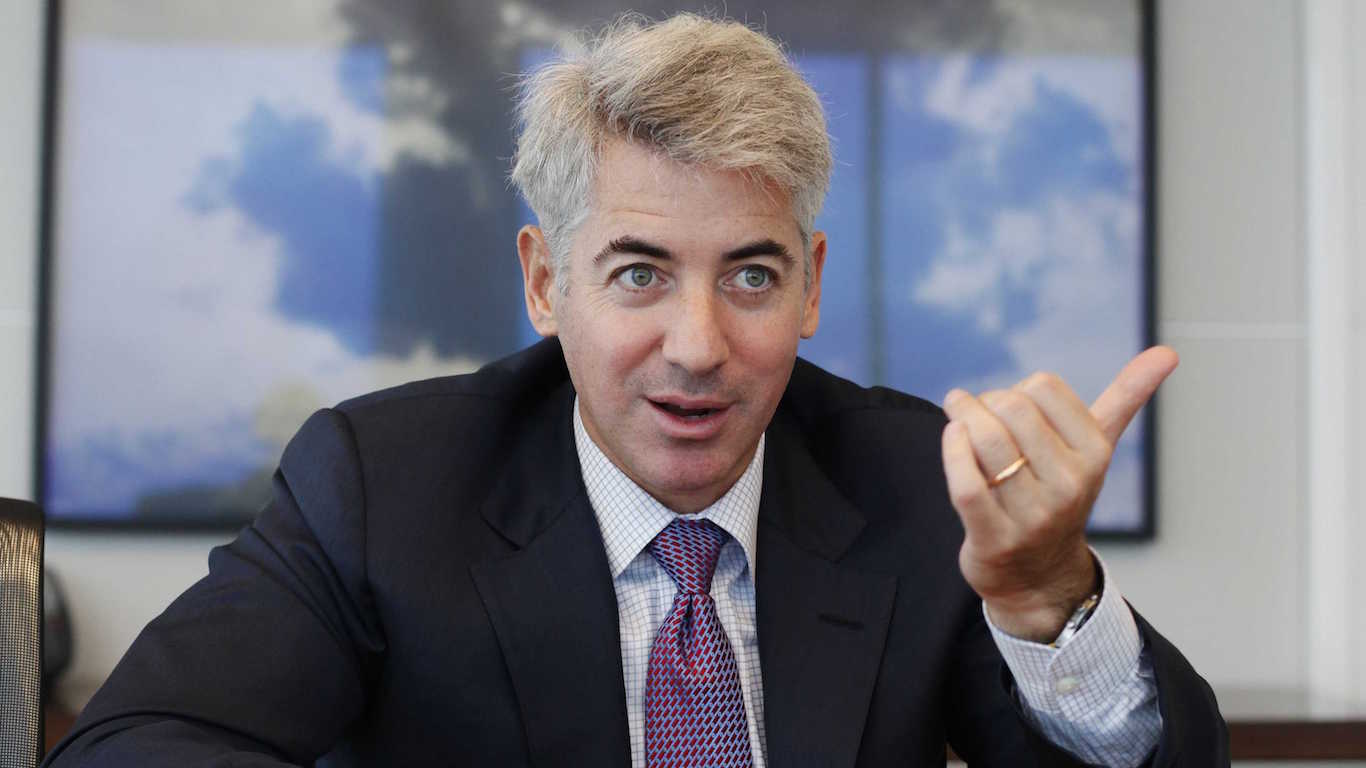
You Don’t Need Pershing Square to Own Bill Ackman’s Favorite Stocks. Here’s the Backdoor
Bill Ackman charges a steep 2% fee for access to his concentrated portfolio, but two low-cost Vanguard ETFs quietly hold many of his highest-conviction bets for a fraction of the price.

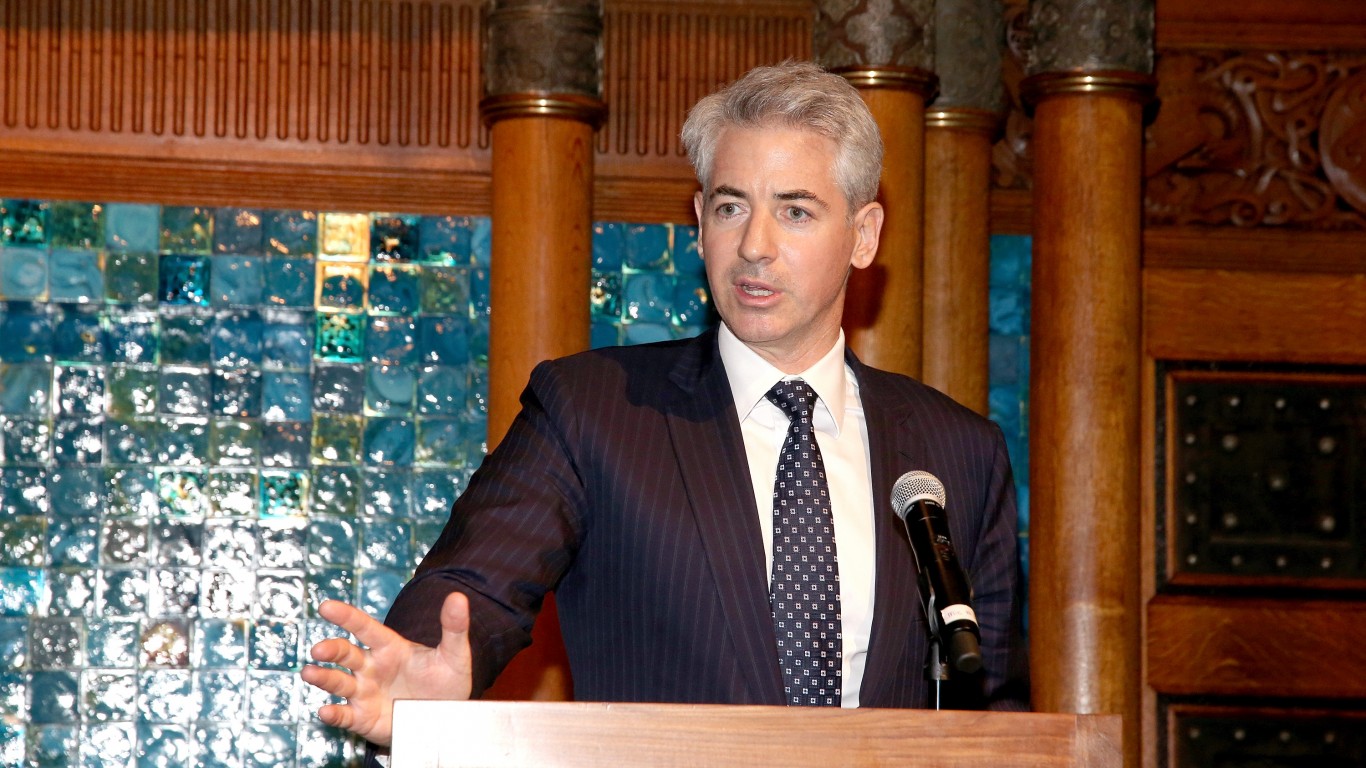
Billionaire investor Bill Ackman has built a reputation as one of Wall Street’s most successful stock pickers, generating exceptional long-term returns through a high-conviction, concentrated portfolio. While investors can now gain direct exposure to Ackman’s strategy through the Pershing Square USA (PSUS) closed-end fund, which came to market in April, similar exposure can be achieved through low-cost, diversified ETFs.
The Vanguard Mega Cap ETF (MGC) and Vanguard Growth ETF (VUG) each hold several of Ackman’s largest positions, including Microsoft (MSFT), Amazon (AMZN), Alphabet (GOOG, GOOGL), Meta Platforms (META), and Uber (UBER). Although neither fund is designed to mirror Pershing Square’s portfolio, both provide diversified exposure to many of the same high-quality businesses that have become the cornerstone of Ackman’s investment strategy. Here is how they compare and which type of investor each fund may be best suited for.
Why Not Just Buy Pershing Square USA?
Pershing Square USA gives investors direct access to Ackman’s highly concentrated stock-picking strategy without the high minimum investment requirement typically associated with hedge funds. That said, while the fund does not charge a performance fee, it does carry a 2% annual management fee. This is substantially higher than the cost of most broad-market ETFs.
Additionally, as a closed-end fund, PSUS can trade at either a premium or discount to its net asset value, adding another layer of consideration that investors do not face when buying traditional ETFs. Currently PSUS is trading at a discount of -21.79% to NAV.
While PSUS may appeal to investors specifically wanting Ackman and his team actively managing the portfolio, for investors primarily concerned with just owning many of the same large-cap companies, MGC and VUG can offer similar underlying exposure while offering greater diversification and significantly lower fees.
However, it is worth noting that, these ETFs will not replicate Ackman’s returns. Instead, they may offer investors a simpler, more cost-effective way to invest alongside the famed investor.
Vanguard Mega Cap ETF (MGC)
The Vanguard Mega Cap ETF (MGC) is arguably one of the best ETFs that investors can utilize to closely mirror Bill Ackman’s portfolio. The fund tracks the CRSP US Mega Cap Index and provides exposure to approximately 180 of the largest publicly traded companies in the U.S.
With an expense ratio of just 0.07%, MGC offers broad exposure to America’s largest businesses while keeping investment costs low.
Top holdings include many of Ackman’s highest conviction investments, with names such as Microsoft (MSFT), Amazon (AMZN), Uber (UBER), Brookfield Corporation (BN), and Restaurant Brands International (QSR).
While MGC also owns companies outside of Ackman’s portfolio, this can actually serve as a way to gain diversification and reduce company-specific risk.
For investors seeking the closest low-cost alternative to Ackman’s portfolio, MGC is difficult to overlook.
Vanguard Growth ETF (VUG)
Where MGC provides both access to growth and value, the Vanguard Growth ETF (VUG) is specifically focused on the companies driving today’s market leadership.
That said, many of the top holdings are similar, including names like Microsoft (MSFT), Amazon (AMZN), and Uber (UBER), among others.
The fund tracks the CRSP US Large Cap Growth Index and focuses on established businesses with above-average earnings growth, strong profitability, and durable competitive advantages.
True to the Vanguard name, VUG maintains a low expense ratio of just 0.03%, making it one of the least expensive growth ETFs available. For investors looking to specifically mirror Ackman’s growth-oriented investments, VUG is one of the best ways to do so.
Which ETF is Better?
Both ETFs provide exposure to many of Bill Ackman’s largest holdings, but MGC more closely mirrors his concentrated portfolio by representing seven of his eight publicly traded positions.
Meanwhile, VUG offers lower fees and greater exposure to large-cap technology companies, making it the better option for investors simply prioritizing growth.
| Metric | Vanguard Mega Cap ETF (MGC) | Vanguard Growth ETF (VUG) |
| Expense Ratio | 0.05% | 0.03% |
| # of Holdings | 180 | 150 |
| Price-to-Earnings | 21.99x | 28.27x |
| Technology Allocation | 42.61% | 55.99% |
| Current Ackman Holdings Represented* | 7/8 | 5/8 |
*Based on Ackman’s current publicly traded stock holdings
Final Takeaway
While Pershing Square USA offers direct access to Bill Ackman’s investment strategy, most investors can achieve similar exposure to many of his highest conviction holdings through diversified, low-cost ETFs.
For those looking to gain exposure to many of Bill Ackman’s favorite companies, MGC and VUG provide two compelling options.
Contact [email protected] for any questions or corrections.
Ryne Mauck is an investment writer covering exchange-traded funds, retirement planning, and portfolio strategy. Through his work at 24/7 Wall St. and other investment platforms, including Seeking Alpha, he aims to provide clear, research-driven insights that help investors make more informed decisions while maintaining a long-term approach to investing.
Ryne holds a B.Sc. in Finance and an M.A. in Political Science. He is a formerly registered Municipal Advisor Representative and has passed the Series 50, Series 63, and Series 65 exams. His articles are not intended to be, nor should they be interpreted as, financial advice.