Bill Ackman Just Bought Microsoft Stock — Here’s Why It Could Be His Biggest Bet Yet
The market has been anything but subtle in its treatment of Microsoft (NASDAQ:MSFT | MSFT Price Prediction) in 2026. Shares have shed more than 15% year-to-date, closing at $409.43 yesterday as investors fret about AI competition from Google and Amazon…

The market has been anything but subtle in its treatment of Microsoft (NASDAQ:MSFT | MSFT Price Prediction) in 2026. Shares have shed more than 15% year-to-date, closing at $409.43 yesterday as investors fret about AI competition from Google and Amazon (NASDAQ:AMZN) and recoil from the company’s eye-popping $190 billion capital spending plan for the year.
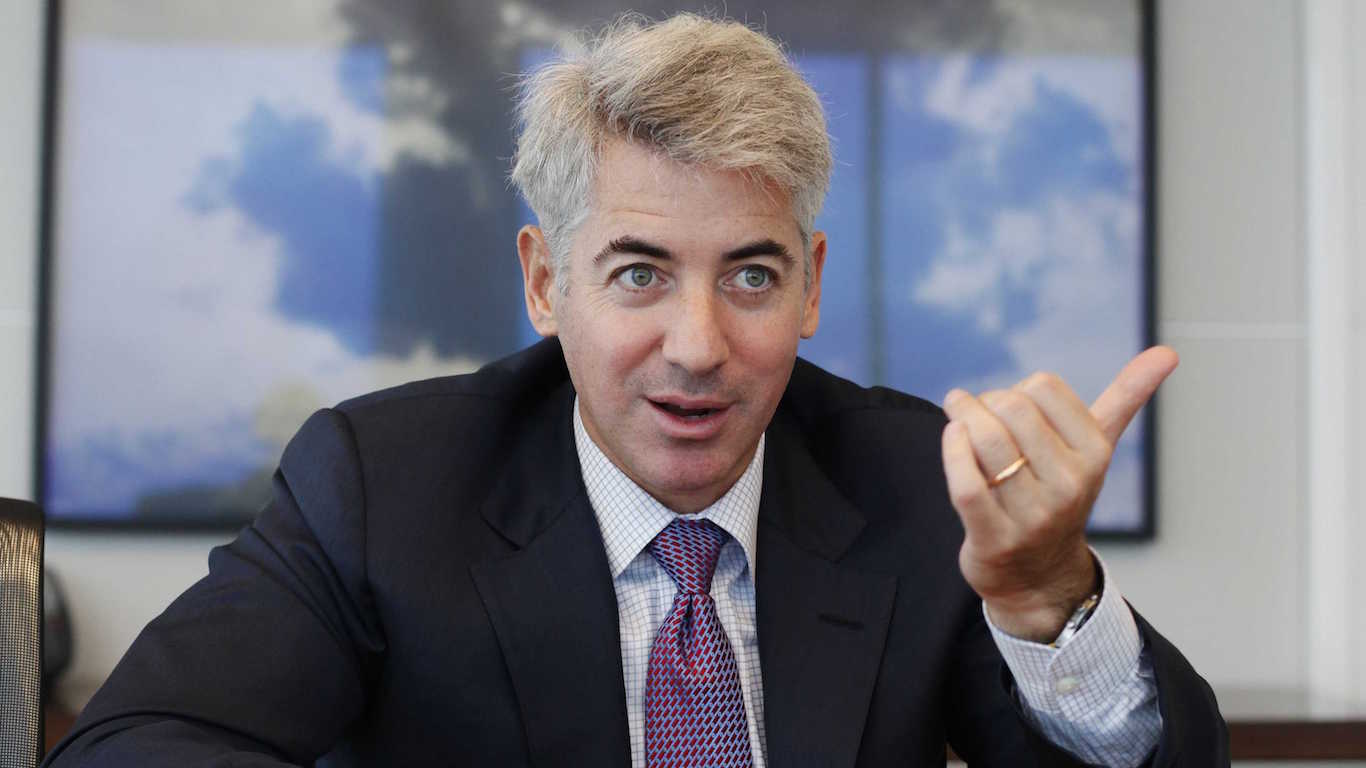
When a stock gets that beaten up — especially one generating $82.89 billion in quarterly revenue, growing 18% year over year — the smart money tends to show up. On Friday, billionaire hedge fund manager Bill Ackman appeared with his checkbook in hand.
Ackman Is Not a Shy Investor
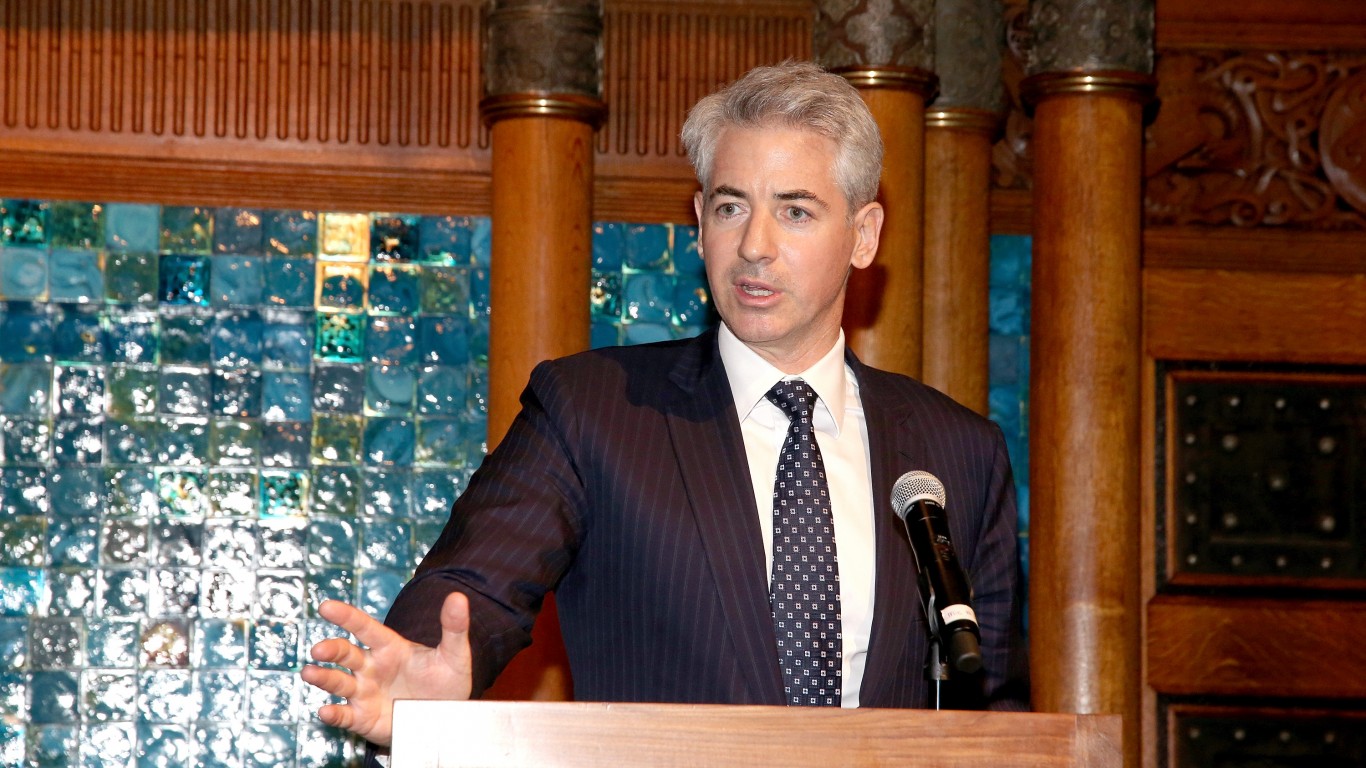
Ackman is the founder and CEO of Pershing Square Capital Management, a hedge fund he launched in 2004 with $54 million in initial capital. Since then, he’s built one of Wall Street’s most closely watched portfolios — and one of its most concentrated. The fund’s ethos rejected broad diversification in favor of concentrated positions in a small handful of companies, a strategy that demanded intense research because any misstep could drag down the entire fund.
That high-conviction approach has paid off. Pershing Square generated a return of 692% net of fees over its first 10 years, versus 132% for the S&P 500. And when Ackman spotted COVID-19’s threat to markets in early 2020, he invested $27 million in credit protection — a hedge that generated $2.6 billion in less than one month. That’s the kind of track record that makes people listen when Ackman speaks. Or posts on X.
A Portfolio Built on Big, Concentrated Bets
Pershing Square currently holds approximately $15.5 billion in assets under management spread across just 12 stocks. Let’s put that in perspective: 12 positions for $15.5 billion means each holding averages nearly $1.3 billion. That’s not diversification — that’s deep conviction.
The fund’s current top positions tell the story clearly:
| Holding | Approximate Value |
| Brookfield (NYSE:BN) | $2.8 billion |
| Uber Technologies (NYSE:UBER) | $2.5 billion |
| Amazon | $2.1 billion |
| Restaurant Brands International (NYSE: QSR) | $2.1 billion |
| Meta Platforms (NASDAQ:META) | $1.8 billion |
That Meta position is instructive. In Q4 2025, Ackman made just one new purchase — Meta — and deployed $1.8 billion into it, instantly making it his fifth-largest holding. He didn’t ease in. He committed.
That’s a pattern worth understanding. Ackman’s Microsoft bet follows a series of investments in technology companies with attractive valuations and the potential for dominant long-term growth — Amazon, Alphabet (NASDAQ:GOOG)(NASDAQ:GOOGL), and Meta before it. With Brookfield, he first acquired a position in 2024, then added to it over the following year until it became his largest holding at $2.8 billion. With Uber, he built the entire $2.5 billion stake across a single quarter. Either way, Ackman doesn’t dabble.
How Big Will the Microsoft Position Be?
Ackman disclosed the Microsoft investment in a post on X this morning, saying Pershing Square began accumulating shares in February after Microsoft’s stock declined following its fiscal second-quarter earnings report.
“We were able to establish our position at a valuation of 21 times forward earnings, broadly in line with the market multiple and well below Microsoft’s trading average over the last few years,” Ackman wrote.
He hasn’t said how large the stake is — the Q1 2026 13F filing due today will answer that. But central to the investment thesis are a pair of dominant product lines — the Azure cloud platform and the M365 Office suite, which bundles in the Copilot AI assistant at $30 a month — that together position the company at the heart of enterprise AI adoption.
Ackman also argued that competitive pressures on Azure and the restructured OpenAI arrangement — under which Microsoft lost its sole right to distribute the startup’s technology — have been exaggerated.
Microsoft’s Q3 fiscal 2026 report delivered earnings of $4.27 per share against a $4.07 consensus, on revenue growing 18%. Azure expanded 40%. The AI business reached a $37 billion annualized run rate, up 123% year over year. A company growing that fast, bought at 21x forward earnings, is the kind of setup Ackman builds large positions around — not $500 million ones.
Given the pattern — deep conviction, meaningful entry point, strong AI-era thesis — there’s a reasonable case this lands in Ackman’s top three holdings, possibly challenging Brookfield’s $2.8 billion perch at the top.
Key Takeaway
Smart investors should watch the 13F filing closely. When Ackman commits, he commits large — and the MSFT thesis, built on Azure growth, M365 AI monetization at $30 per user per month, and a stock price that has yet to fully credit Microsoft’s OpenAI stake, checks every box he looks for. The position size, when it drops, could be the clearest signal yet of just how seriously he believes this dip was a gift.
Contact [email protected] for any questions or corrections.
After two decades of patrolling the dark corners of suburbia as a police officer, Rich Duprey hung up his badge and gun to begin writing full time about stocks and investing. For the past 20 years, he’s been cruising the markets looking for companies to lock up as long-term holdings in a portfolio while writing extensively on the broad sectors of consumer goods, technology, and industrials. Because his experience isn’t from the typical financial analyst track, Rich is able to break down complex topics into understandable and useful action points for the average investor. His writings have appeared on The Motley Fool, InvestorPlace, Yahoo! Finance, Money Morning, and, of course, 24/7 Wall St. He has been featured in both U.S. and international publications, including MarketWatch, Financial Times, Forbes, Fast Company, and USA Today.