PHOX ETF Investors: Watch These 4 Earnings Dates Before Year-End
The Aura AI Photonics ETF just launched with no trading history and a narrow thematic bet on light-based data center tech, and four upcoming hyperscaler earnings calls will determine whether that bet pays off or collapses before year-end.

This post may contain links from our sponsors and affiliates, and Flywheel Publishing may receive compensation for actions taken through them.
The Aura AI Photonics ETF (NYSEARCA:PHOX) began trading this week, giving investors a dedicated thematic vehicle for the light-based interconnect technology rewiring AI data centers. According to the prospectus dated July 29, 2026, PHOX seeks to track the VettaFi AI Photonics Index and lists on NYSE Arca as a new series of Tidal Trust III. PHOX launches into an environment where the broader Nasdaq 100 has already returned 25.42% over the past year, so incoming holders are paying up for a theme with momentum priced in.
The Fund and Its Current Position
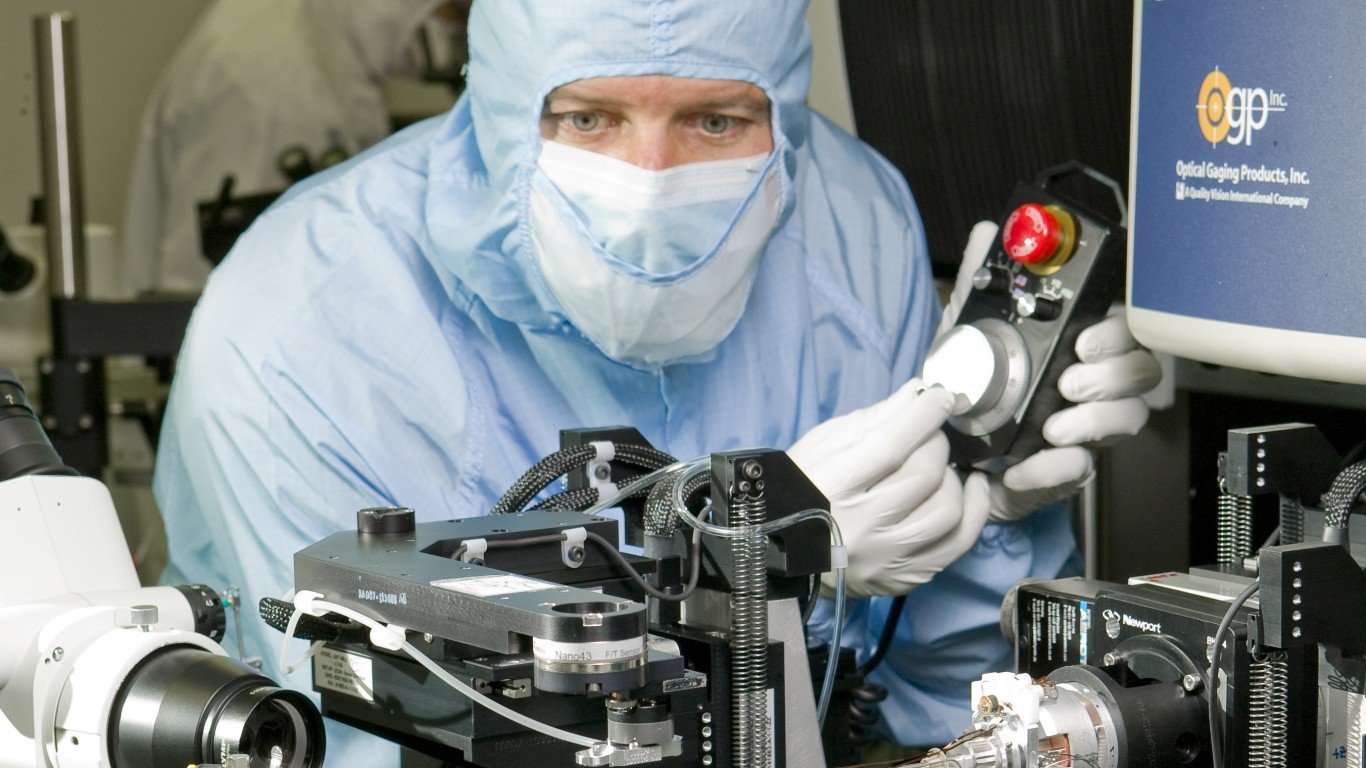
PHOX is a passive index ETF from Aura ETFs, founded by industry veteran Rob Oliver, targeting companies across the photonics value chain that supply optical components, transceivers, laser sources, and packaging for AI infrastructure. Photonics addresses the bandwidth, latency, and power consumption bottlenecks in AI data centers that copper interconnects can no longer solve at scale. The prospectus lists total annual operating expenses tied to a management fee structure, and fund materials indicate a 0.60% total expense ratio, reasonable for a narrow thematic product but higher than diversified semiconductor ETFs. Because PHOX has no trading history, investors must rely on the strategy document and comparable AI infrastructure benchmarks to set expectations.
The Most Important Macro Factor to Watch
The single macro variable most likely to move PHOX over the next 12 months is hyperscaler AI capital spending. Optical interconnect demand is a direct derivative of GPU cluster construction and networking. The concrete threshold to monitor is combined 2027 capex guidance from the four largest US hyperscalers, released alongside quarterly earnings. If aggregate guidance holds flat or grows against the elevated 2026 base, PHOX holdings should convert that spend into transceiver and co-packaged optics orders. If any two of the four cut capex guidance in the same quarter, the entire optical supply chain historically re-rates lower within weeks.
Check this quarterly during January, April, July, and October reporting cycles, and cross-reference with Dell’Oro Group’s optical transceiver market tracker for downstream confirmation. The historical parallel is the 2022 hyperscaler pause, when optical component suppliers gave back roughly a year of gains in a single quarter as data-center digestion took hold. Goldman Sachs flagged the same tension for 2026, asking whether AI-fueled growth can compensate for underlying economic and labor market weakness. A capex reversal is the transmission mechanism most likely to hit PHOX first.
The Most Important Fund-Specific Factor to Watch
The fund-specific factor with the greatest asymmetric risk is the impurity of underlying holdings. The prospectus explicitly flags Unrelated Business Risk, warning that many index constituents have business lines outside the photonics value chain, and that it may be difficult to isolate photonics value chain-related returns from other return sources. That matters because PHOX includes global manufacturers, notably those from China and Taiwan, several of which derive meaningful revenue from telecom, industrial lasers, or consumer optics. A strong AI photonics quarter can be masked by a weak legacy segment, and vice versa.
Monitor the fund’s holdings page at aura-etfs.com, which refreshes daily, alongside the first semi-annual VettaFi index rebalance. Watch for two things: how concentrated the top ten weights become, and whether the index tilts further toward pure-play optical names or dilutes exposure with broader semiconductor conglomerates. Investors wanting cleaner, diversified AI-hardware exposure can pair or substitute a broad semis ETF such as the iShares Semiconductor ETF (NASDAQ:SOXX), which captures the GPU and memory beneficiaries PHOX intentionally underweights.
The Close
Watch hyperscaler 2027 capex commentary through the next two earnings cycles as the single macro tell for PHOX, and watch the first VettaFi AI Photonics Index rebalance for evidence that the fund is tightening toward optical pure-plays rather than diluting into conglomerates with unrelated revenue streams.
Contact [email protected] for any questions or corrections.
I am a long time investor and student of business, and believe finding good companies that can become great investments is the best game on earth. After 20 years of writing and researching the public markets it is clear that individuals have never had more tools and information to take control of their financial lives. From ETFs and $0 commissions to cryptos and prediction markets there has never been a greater democratization of access to investing.
I write to help people understand the investments available to them so they can make the best choice for their portfolio, whether they're starting out or looking for income in retirement.