This Treasury ETF Pays Every Week, and the Income Skips State Tax Entirely
Most ETFs pay income monthly or quarterly, but one short-term Treasury fund sends cash to shareholders every Wednesday, and residents of high-tax states have an extra reason to pay attention.

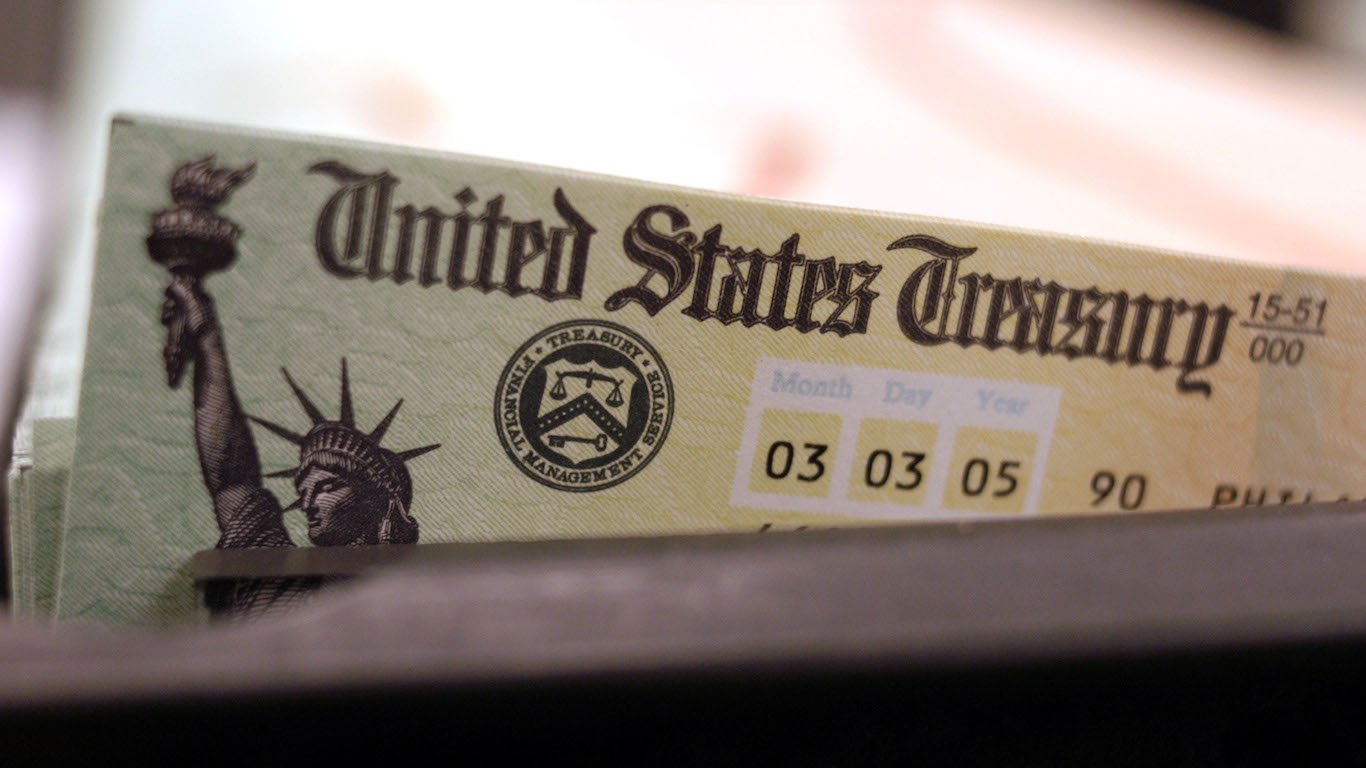
Treasury bills work differently from conventional coupon-paying bonds. Rather than paying interest periodically, T-bills are generally issued at a discount to their face value. Buy one for $99, for example, and receive $100 when it matures. That $1 difference represents your “interest” income.
The challenge is that T-bills mature quickly. If you’re managing them yourself, maintaining continuous exposure means repeatedly buying new bills as the old ones mature. The upside is exceptionally low credit risk, along with favorable tax treatment. Treasury interest is subject to federal income tax but generally exempt from state and local income taxes.
The Roundhill Weekly T-Bill ETF (WEEK) essentially automates that process and adds something unusual for an ETF holding Treasury bills: distributions every single week.
How WEEK Works
WEEK is actively managed and invests in Treasury bills with maturities of three months or less. Instead of buying individual T-bills, tracking maturity dates, and continually rolling the proceeds yourself, you can own a single ETF that handles the process.
Its NAV behaves a little differently from what investors accustomed to stock ETFs might expect. Because the underlying T-bills accrue interest, WEEK’s NAV generally rises gradually during the week. When the ETF goes ex-distribution, its NAV falls by approximately the amount of the distribution, all else being equal. The process then begins again. The result can resemble a small sawtooth pattern around the fund’s roughly $100 share price. That’s normal distribution mechanics rather than necessarily indicating a capital loss.
WEEK’s income will also respond relatively quickly to changes in monetary policy because its underlying securities mature so rapidly. If the Federal Reserve raises short-term interest rates (like they just did), newly purchased T-bills can generally be rolled into higher yields relatively quickly. If rates fall, the opposite occurs, and WEEK’s income should eventually decline as its existing bills mature and are replaced at lower yields.
That makes WEEK very different from a long-duration Treasury ETF. You’re taking relatively little duration risk, but you’re accepting substantial reinvestment risk. Today’s income rate isn’t locked in for years, and the price fluctuates very little.
Getting Paid Every Wednesday
WEEK currently has a 30-day SEC yield around 3.49% and charges a 0.19% expense ratio. That’s more expensive than simply buying T-bills yourself, but you’re effectively paying Roundhill to maintain the portfolio, roll the securities, and package the income into an ETF.
The distinguishing feature is the distribution schedule. WEEK generally declares its distribution Monday, trades ex-dividend Tuesday, and pays shareholders Wednesday, subject to holiday-related adjustments. That makes it one of the relatively small number of ETFs providing weekly cash flow.
For someone accumulating wealth and reinvesting every distribution, I don’t think weekly payments provide much economic advantage. Receiving $1 four times instead of $4 once doesn’t create additional return. But the cadence can be useful for retirees and other investors actually spending portfolio income. Instead of building a T-bill ladder or waiting for monthly or quarterly distributions, WEEK converts short-term Treasury income into a frequent stream of cash.
The state-tax exemption can make that particularly useful for residents of high-income-tax states. Treasury interest is generally exempt from state and local income taxes, although investors should use their final tax documents to determine the precise characterization of ETF distributions.
Contact [email protected] for any questions or corrections.
Tony Dong is the founder of ETF Portfolio Blueprint. He also serves as Lead ETF Analyst for ETF Central, a partnership between Trackinsight and the NYSE.
Tony’s work focuses on ETF strategy, portfolio construction, and risk management, with an emphasis on making complex investment concepts accessible to everyday investors. His insights and analysis have also appeared in U.S. News & World Report, Kiplinger, MoneySense, and The Motley Fool.
Tony holds a Master of Science degree in enterprise risk management from Columbia University and the Certified ETF Advisor (CETF) designation from The ETF Institute.