HDGE Has Lost More Than 90% Since 2011. It Also Gained 29% in One Quarter While the Market Sank

This post may contain links from our sponsors and affiliates, and Flywheel Publishing may receive compensation for actions taken through them.
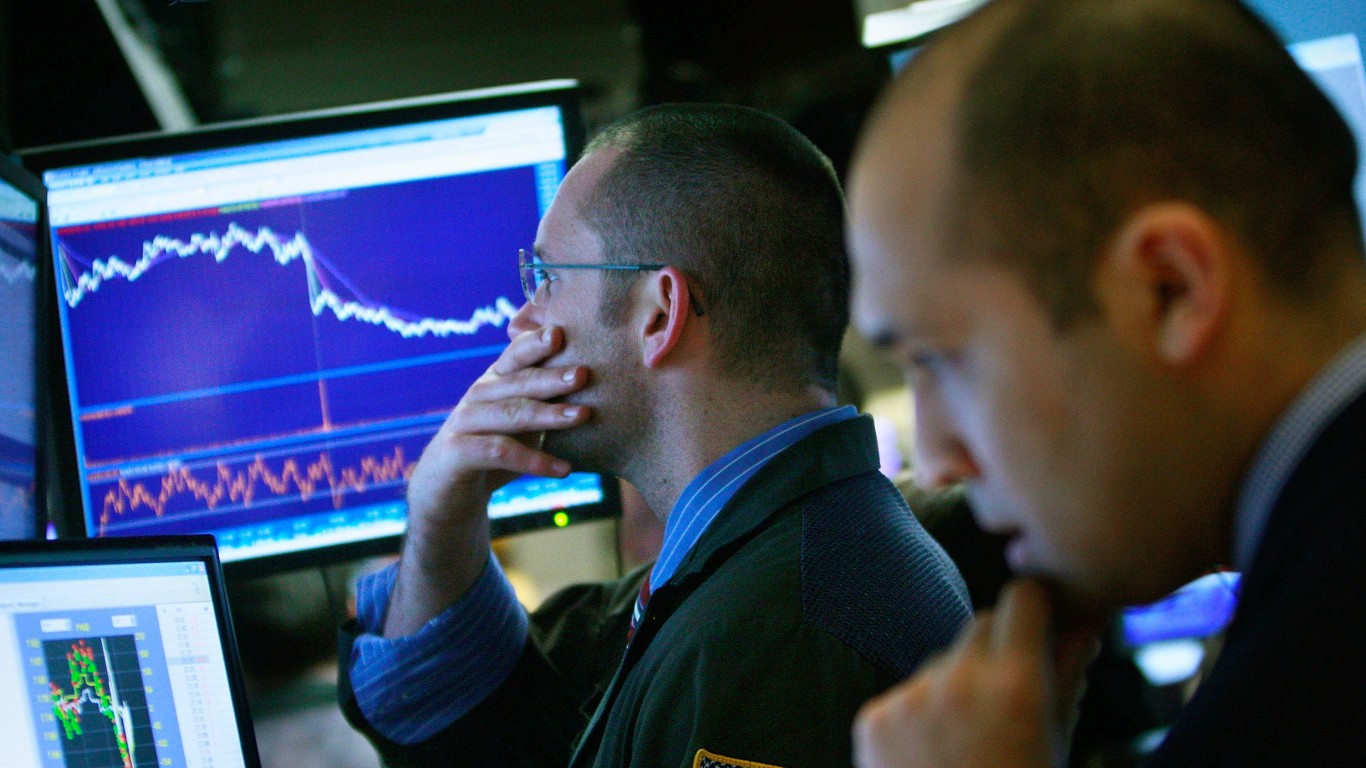
For investors at or near retirement who hold an S&P 500 index fund, a sharp market drop is the scenario that causes the most worry. One little-known fund was built for that moment. AdvisorShares Active Bear ETF (NYSEARCA:HDGE) has lost 92.61% since January 27, 2011, based on adjusted prices. In the first quarter of 2020, though, it gained 29.1% while the SPDR S&P 500 ETF Trust (NYSEARCA:SPY) fell 19.92%. If you’re thinking about using it as crash protection, you need to consider both numbers.
How HDGE Makes Money When Stocks Fall
Short selling means borrowing shares, selling them, and buying them back later. If the price has dropped, the fund keeps the difference. HDGE’s stated objective is “capital appreciation through short sales of liquid U.S. exchange-traded equity securities.” The fund is actively managed. Its model aims to find companies with low earnings quality or aggressive accounting. It generally holds 20 to 75 short positions, each usually between 2% and 7% of total portfolio exposure.
Passive inverse funds work differently. ProShares Short S&P 500 (NYSEARCA:SH), for example, aims to deliver the opposite of the index’s daily move. HDGE picks its targets one company at a time, so its results depend on how well the manager chooses which stocks to short.
Why a Short-Only Fund Loses Ground Over Time
Stocks have generally risen over long periods, so a fund that is always short works against that trend. Over the past 10 years, SPY returned 235.16% while HDGE fell 80.44%. Over five years, SPY gained 56.43%, and HDGE lost 25.28%.
Shorting also costs money. The fund pays fees to borrow shares and covers dividends due to the lenders. On top of that, the fund’s expense ratio was 3.41%[1] both gross and net in its October 30, 2026 prospectus. That is about 36 times SPY’s 0.0945%. A $10,000 position in HDGE costs about $341 a year in fund expenses alone.
Two Quarters When the Hedge Paid Off
The COVID-19 crash in early 2020 is the best example of the fund working as intended. In the second quarter of 2022, as the Federal Reserve rapidly raised rates, HDGE rose 31.08% while SPY fell 16.47%.
The protection is less reliable in smaller declines. Over the past month, SPY fell 4.05%, and HDGE also fell by 2.03%. Over the past week, HDGE gained 4.51% while SPY dropped 2.7%.
| Metric | HDGE | SPY |
|---|---|---|
| Expense ratio | 3.41%[1] | 0.0945% |
| Q1 2020 | 29.1% | -19.92% |
| Q2 2022 | 31.08% | -16.47% |
| Year to date | -6.74% | 7.39% |
| One year | -12.25% | 8.99% |
| Ten years | -80.44% | 235.16% |
Fund size is not included in this comparison.
Risks to Understand Before Using HDGE
- Steady losses in rising markets: When stocks rise, the fund almost always loses money, and those losses add up over the years.
- The cost of being early: If you buy well before a decline arrives, the fund’s losses and fees can erase much of what the eventual drop would have earned.
- Timing is very hard: Crashes can come quickly, and recoveries can start before most investors react. You have to get both the entry and the exit right.
Why So Few Investors Have Heard of It
The fund’s long-term record is hard for advisors to recommend, and its expense ratio puts off investors who are used to low-cost index funds. It also had a different name before: it was known as Ranger Equity Bear, which makes the fund’s history harder to follow. HDGE is a niche product built for a narrow use case.
Who Might Use HDGE and Where It Falls Short
HDGE could suit an investor with heavy S&P 500 exposure who wants a small, short-term hedge without selling appreciated shares and causing capital gains taxes. Hedges like this are typically sized small, with an exit plan set in advance. The fund works poorly as a long-term holding, especially for retired people who depend on steady growth or income. A market drop in the first years of retirement does far more damage than the same drop a decade in, which is the whole point of a free guide we put together on sequence-of-returns risk. If you’re considering HDGE, keep an eye on the fund’s prospectus updates and quarterly holdings reports to see what it’s shorting and what it costs.
Contact [email protected] for any questions or corrections.
Ryne Mauck is an investment writer covering exchange-traded funds, retirement planning, and portfolio strategy. Through his work at 24/7 Wall St. and other investment platforms, including Seeking Alpha, he aims to provide clear, research-driven insights that help investors make more informed decisions while maintaining a long-term approach to investing.
Ryne holds a B.Sc. in Finance and an M.A. in Political Science. He is a formerly registered Municipal Advisor Representative and has passed the Series 50, Series 63, and Series 65 exams. His articles are not intended to be, nor should they be interpreted as, financial advice.