AI Could Take US Unemployment to a Grim 10%
Artificial intelligence only needs to knock 8 million more people out of work for the U.S. unemployment rate to reach 10%. Is that realistic? And which jobs will be affected?


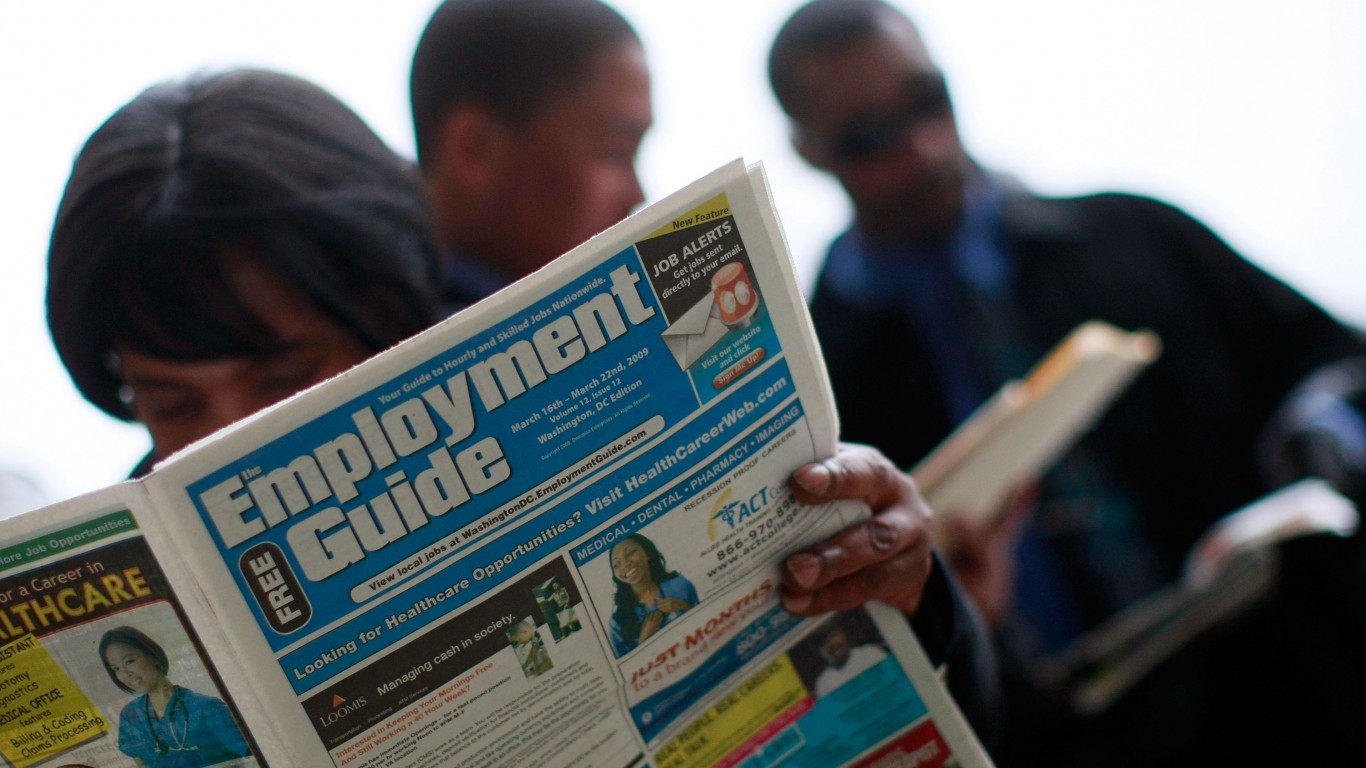
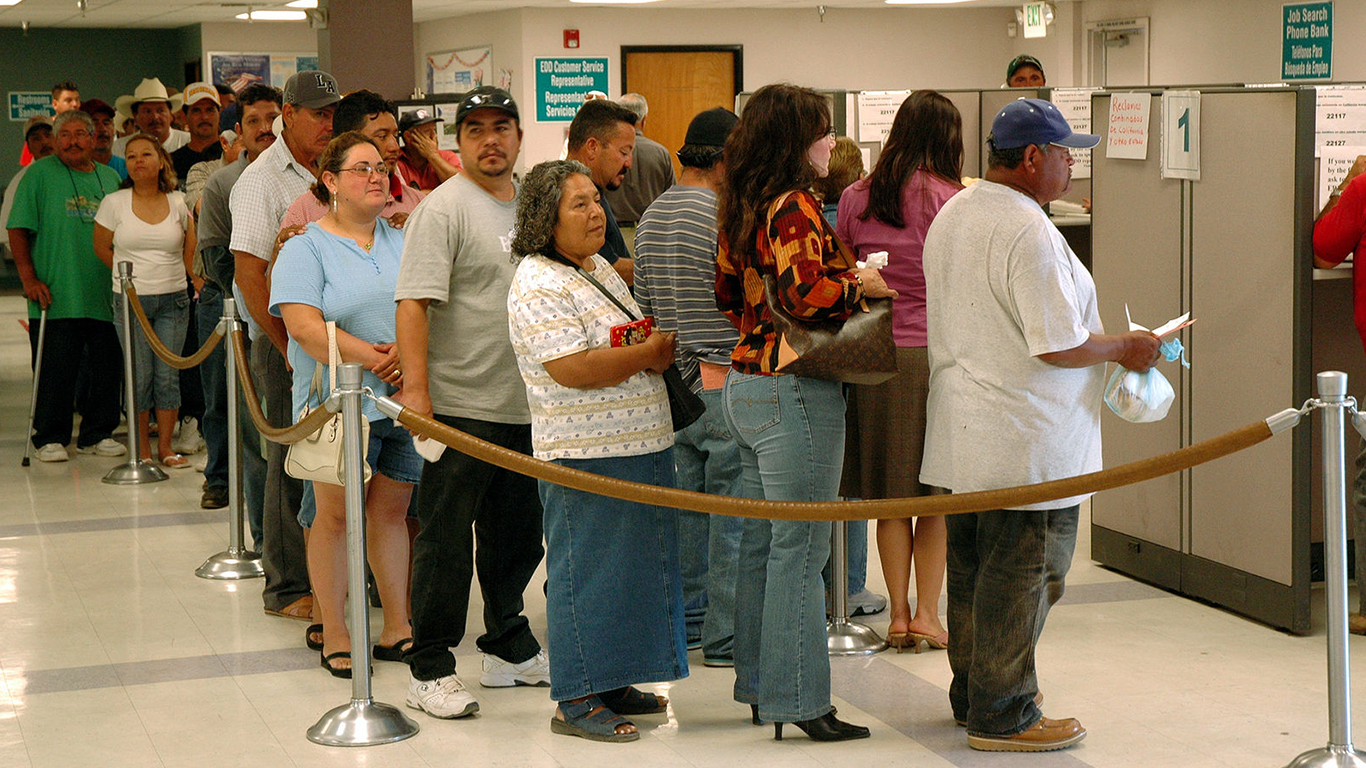
The current unemployment rate in the United States is 4.2%, or about 7.5 million people, according to the Bureau of Labor Statistics. Artificial intelligence (AI) only needs to knock an additional 8 million people out of work for the unemployment rate to reach 10%, which is well above the level typically seen in a recession. It is actually the same as the monthly high point of the Great Recession.
How realistic is it for such a significant increase in the total unemployment base across the U.S. to occur?
Executive outplacement firm Challenger, Gray & Christmas reported 153,074 job cuts last month. However, that figure is misleading. It only tracks announced job cuts that it can track. Modest or small layoffs across the nation are not part of its calculation. To make the point, the Challenger Gray numbers were based on only “450 individual job cut plans in October.” That is a small reduction of the overall employment base in the country. “Plans” is not an exact measure.
Goldman Sachs has the most carefully followed figure for total U.S. job cuts due to AI. It puts that figure at 6% to 7% of the U.S. workforce. That is about 10 million people. What Goldman does not say, exactly, is when those cuts will come. Goldman also notes that some jobs will be replaced by roles that require AI talent among people. It is hard to tell how many people that could be.
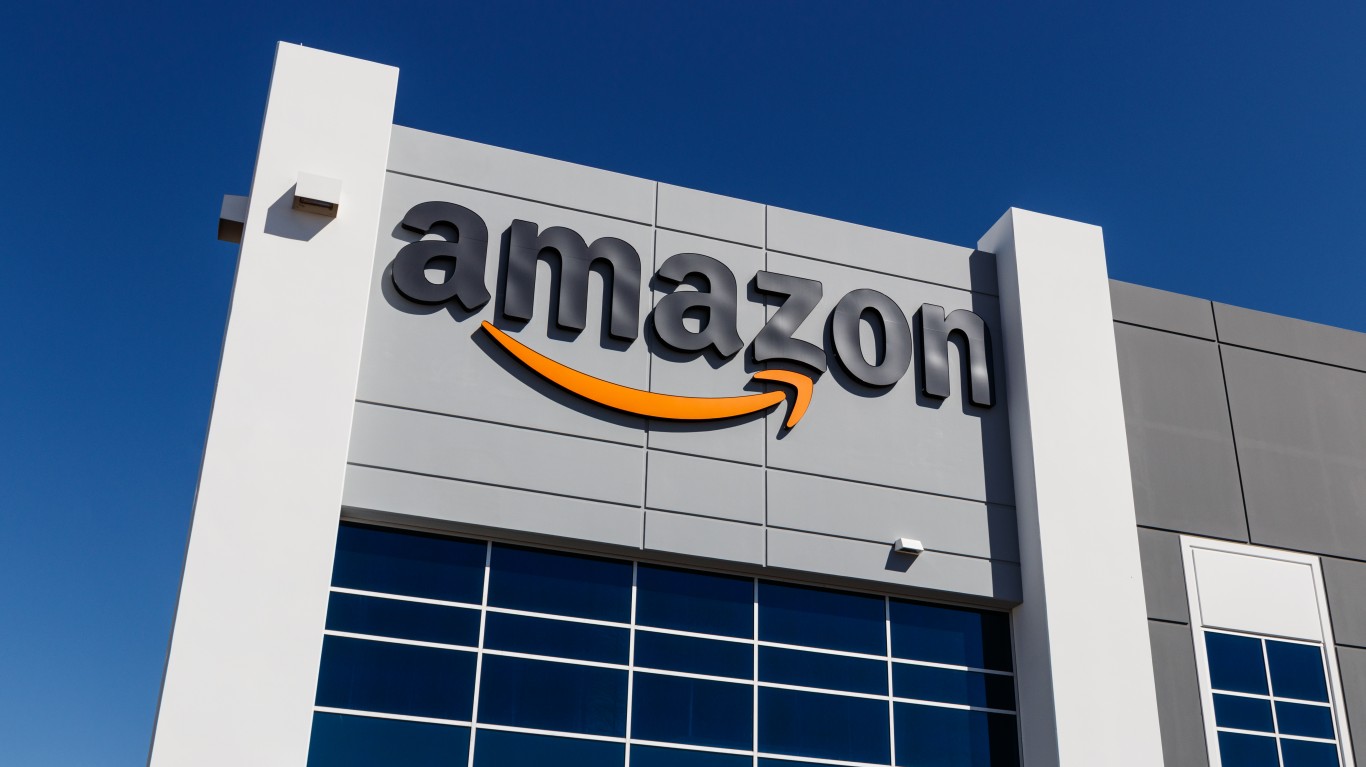
Experts point to two broad job classifications that AI is likely to affect. One is the front-line workers. Amazon said it will replace as many as 600,000 jobs via automation. That will not happen overnight, and Amazon has not given a timetable. However, front-line jobs in the United States total well into the millions, particularly in retail companies and factories.
The other jobs that AI will have an impact on include mid-level white-collar workers and entry-level jobs that involve analysis. Layoffs at banks and consulting firms indicate that this trend has already begun.
What does the hodgepodge add up to? J.P. Morgan has indicated that AI could batter specific sectors of the economy. Taken together with the Goldman numbers, the AI effect looks grim.
AI Destruction of Millions of Jobs Begins
Contact [email protected] for any questions or corrections.
Douglas A. McIntyre is the co-founder, chief executive officer and editor in chief of 24/7 Wall St. and 24/7 Tempo. He has held these jobs since 2006.
McIntyre has written thousands of articles for 24/7 Wall St. He is an expert on corporate finance, the automotive industry, media companies and international finance. He has edited articles on national demographics, sports, personal income and travel.
His work has been quoted or mentioned in The New York Times, The Wall Street Journal, Los Angeles Times, The Washington Post, NBC News, Time, The New Yorker, HuffPost USA Today, Business Insider, Yahoo, AOL, MarketWatch, The Atlantic, Bloomberg, New York Post, Chicago Tribune, Forbes, The Guardian and many other major publications. McIntyre has been a guest on CNBC, the BBC and television and radio stations across the country.
A magna cum laude graduate of Harvard College, McIntyre also was president of The Harvard Advocate. Founded in 1866, the Advocate is the oldest college publication in the United States.
TheStreet.com, Comps.com and Edgar Online are some of the public companies for which McIntyre served on the board of directors. He was a Vicinity Corporation board member when the company was sold to Microsoft in 2002. He served on the audit committees of some of these companies.
McIntyre has been the CEO of FutureSource, a provider of trading terminals and news to commodities and futures traders. He was president of Switchboard, the online phone directory company. He served as chairman and CEO of On2 Technologies, the video compression company that provided video compression software for Adobe’s Flash. Google bought On2 in 2009.