World’s Most Dangerous Oceans — WWF
ThinkstockThe measure of what is dangerous depends on to whom and by what. “Most dangerous” is, by definition, a meaningless term, unless put in very specific context. These things are true of the new WWF most dangerous “hot spots” in…

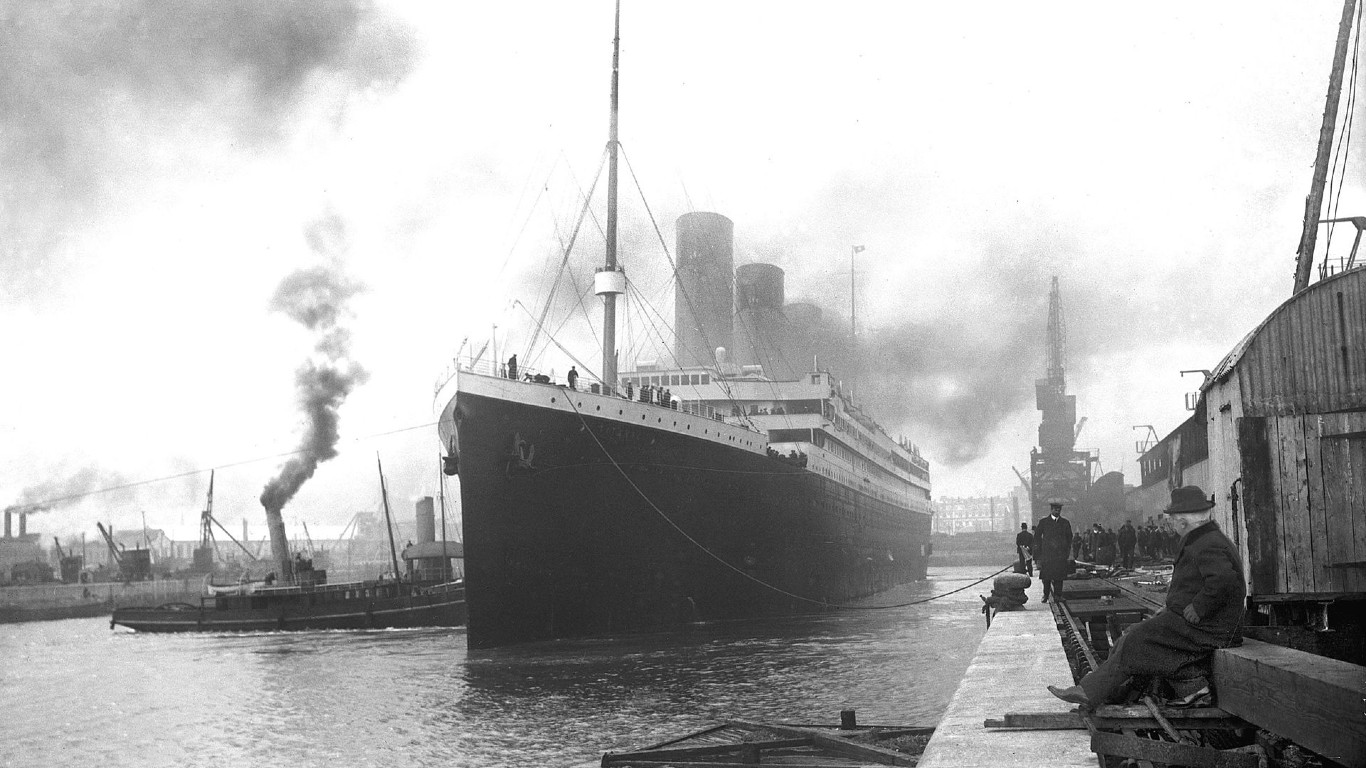
 The measure of what is dangerous depends on to whom and by what. “Most dangerous” is, by definition, a meaningless term, unless put in very specific context. These things are true of the new WWF most dangerous “hot spots” in the world’s oceans. They may be good for swimming and fishing. As far as big ships go, they should be avoided.
The WWF study commissioned for World Oceans Day states:
“Since 1999 there have been 293 shipping accidents in the South China Sea and east Indies, home of the Coral Triangle and 76 per cent of the world’s coral species.” said Dr Simon Walmsley, Marine Manger, WWF International. “As recently as April this year we`ve seen a Chinese fishing boat run aground on a protected coral reef in the Philippines that had already been damaged by a US Navy ship in January.”
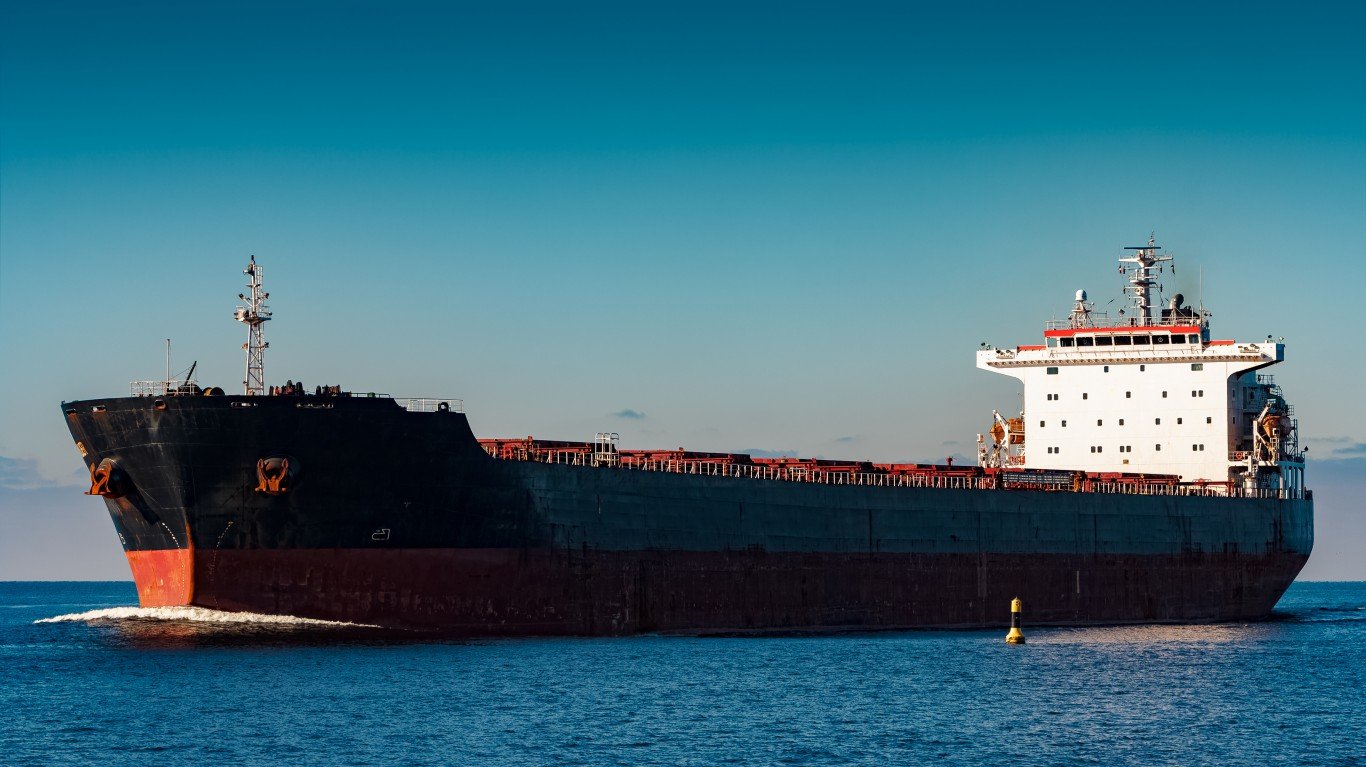
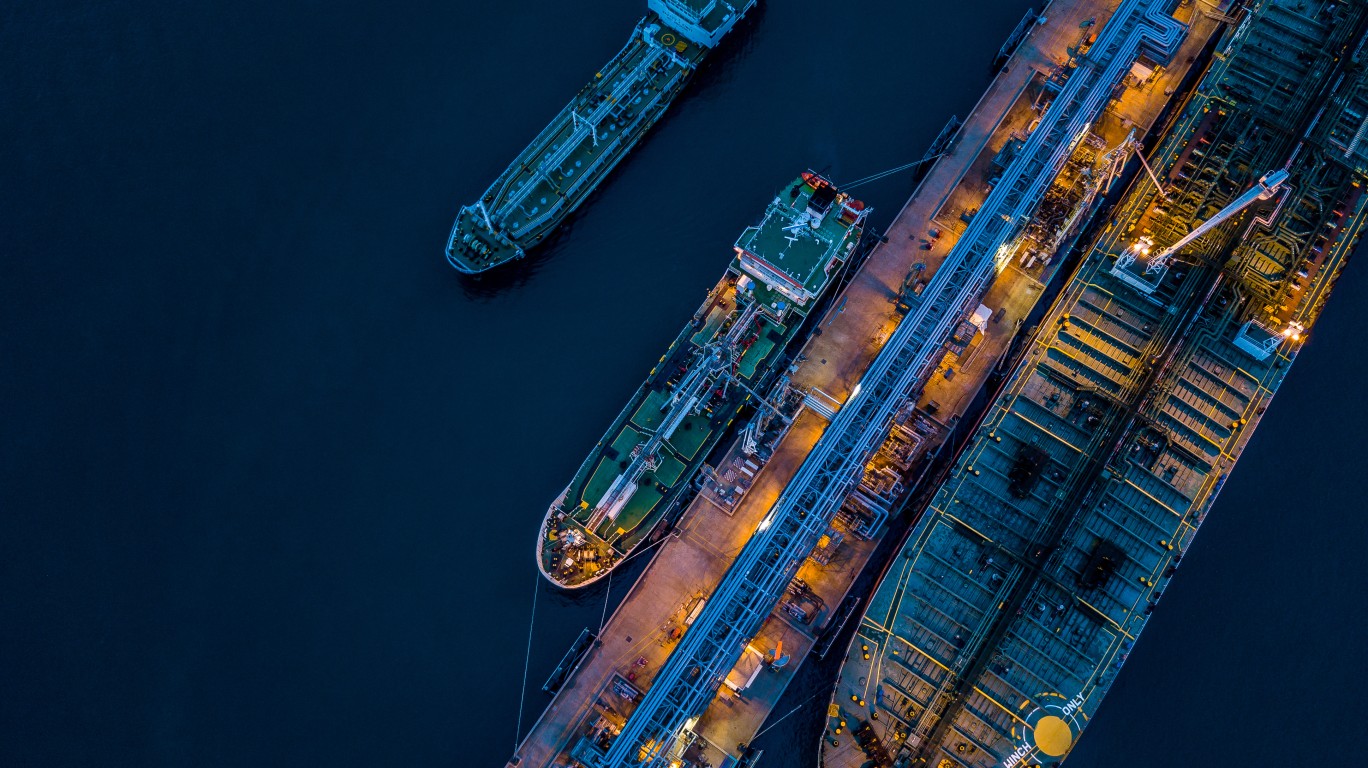
Fishing vessels accounted for nearly a quarter of the vessels lost at sea but general cargo ships account for over 40 per cent. Cargo ships often operate short shipping routes, associated with the tramp trading where ships don’t have a set route and pick up opportunistic trade, particularly in Southeast Asia.
So, most of the world’s oceans are very safe for navigation, until they are not
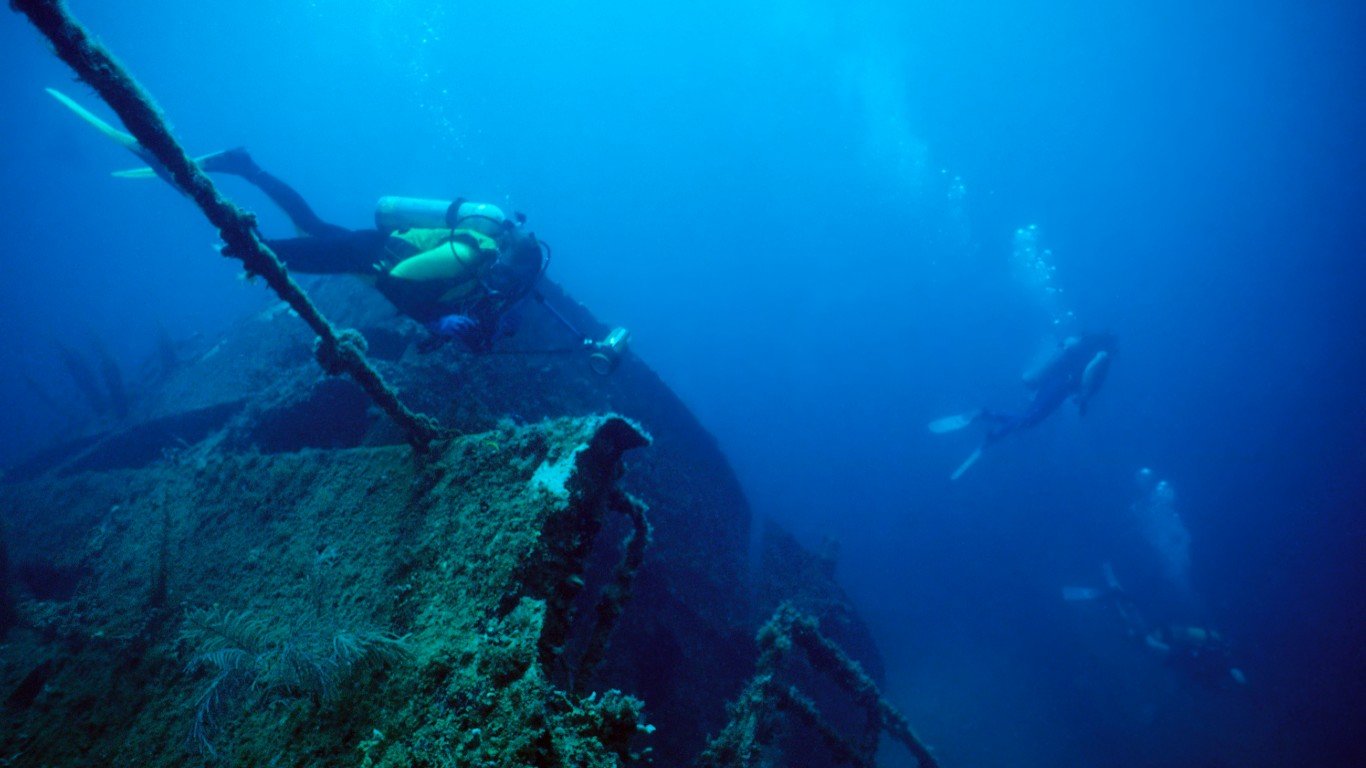
Climate change models show increased storm surges, changing wind and wave patterns and extreme weather events which are likely to exacerbate the risks of foundering leading to potential catastrophic environmental destruction. Fifty per cent of all accidents are caused by foundering, where a boat sinks due to rough weather, leaks or breaking in two.
Contact [email protected] for any questions or corrections.
Douglas A. McIntyre is the co-founder, chief executive officer and editor in chief of 24/7 Wall St. and 24/7 Tempo. He has held these jobs since 2006.
McIntyre has written thousands of articles for 24/7 Wall St. He is an expert on corporate finance, the automotive industry, media companies and international finance. He has edited articles on national demographics, sports, personal income and travel.
His work has been quoted or mentioned in The New York Times, The Wall Street Journal, Los Angeles Times, The Washington Post, NBC News, Time, The New Yorker, HuffPost USA Today, Business Insider, Yahoo, AOL, MarketWatch, The Atlantic, Bloomberg, New York Post, Chicago Tribune, Forbes, The Guardian and many other major publications. McIntyre has been a guest on CNBC, the BBC and television and radio stations across the country.
A magna cum laude graduate of Harvard College, McIntyre also was president of The Harvard Advocate. Founded in 1866, the Advocate is the oldest college publication in the United States.
TheStreet.com, Comps.com and Edgar Online are some of the public companies for which McIntyre served on the board of directors. He was a Vicinity Corporation board member when the company was sold to Microsoft in 2002. He served on the audit committees of some of these companies.
McIntyre has been the CEO of FutureSource, a provider of trading terminals and news to commodities and futures traders. He was president of Switchboard, the online phone directory company. He served as chairman and CEO of On2 Technologies, the video compression company that provided video compression software for Adobe’s Flash. Google bought On2 in 2009.