Cost Of This Aircraft Carrier Would Give Every American $400
Expensive weapons programs can drive controversy. Politicians and defense contractors often square off over costs. The military asks for weapons that some experts believe have dubious value. Among the best examples debated recently have been driven by the costs of…


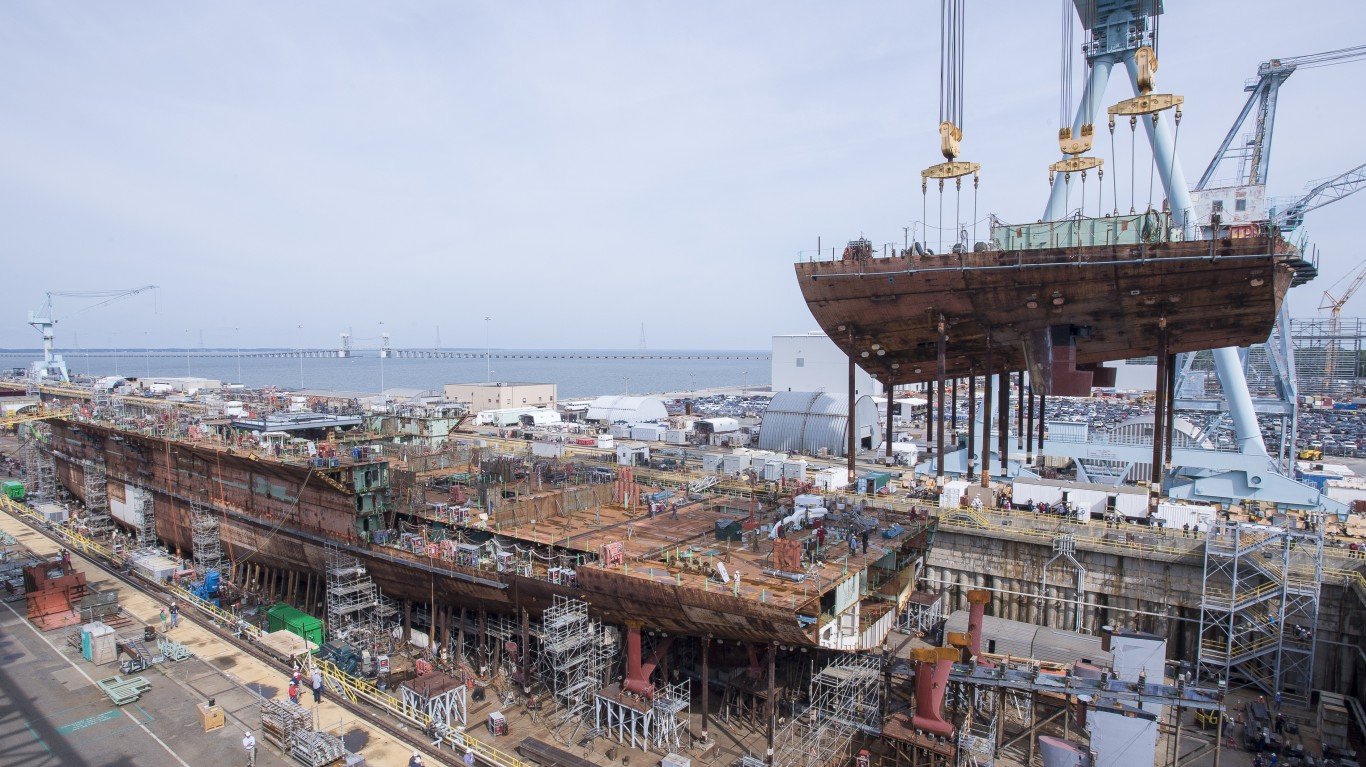
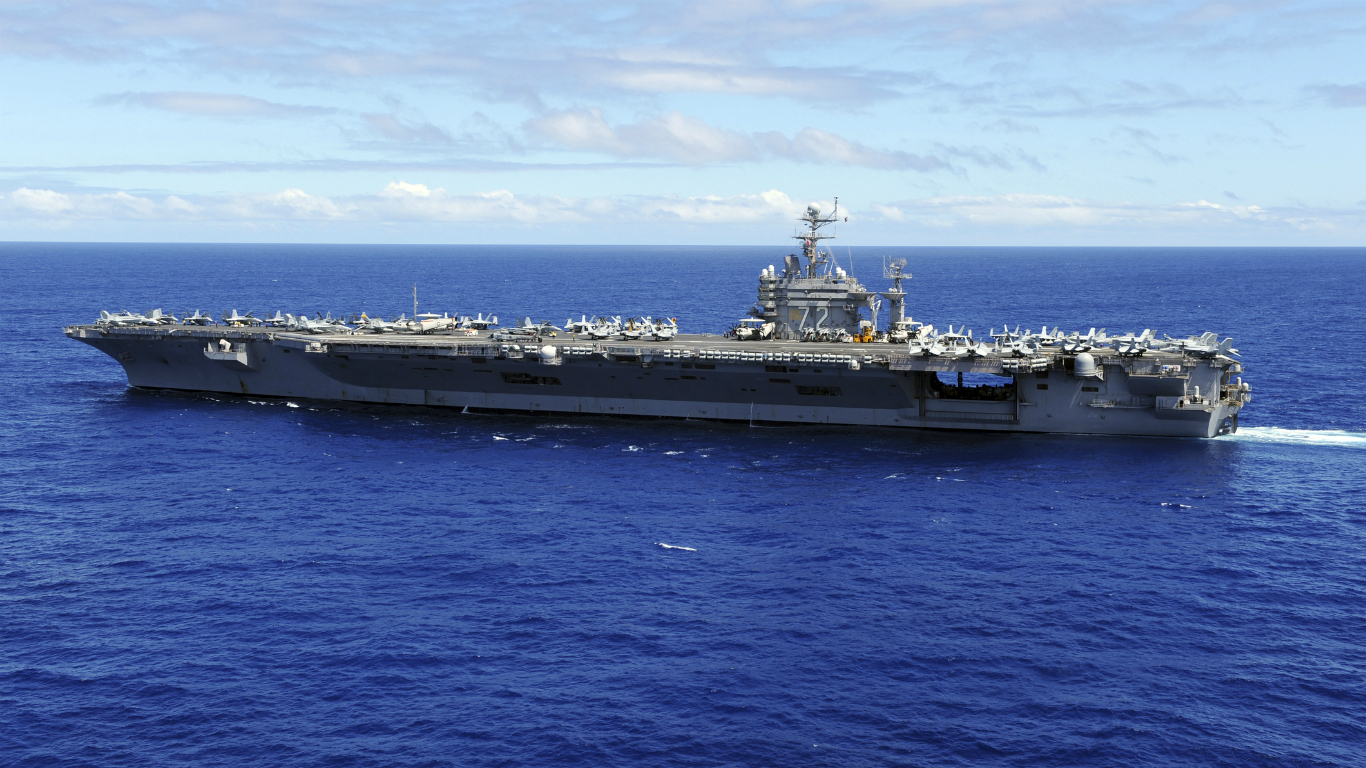
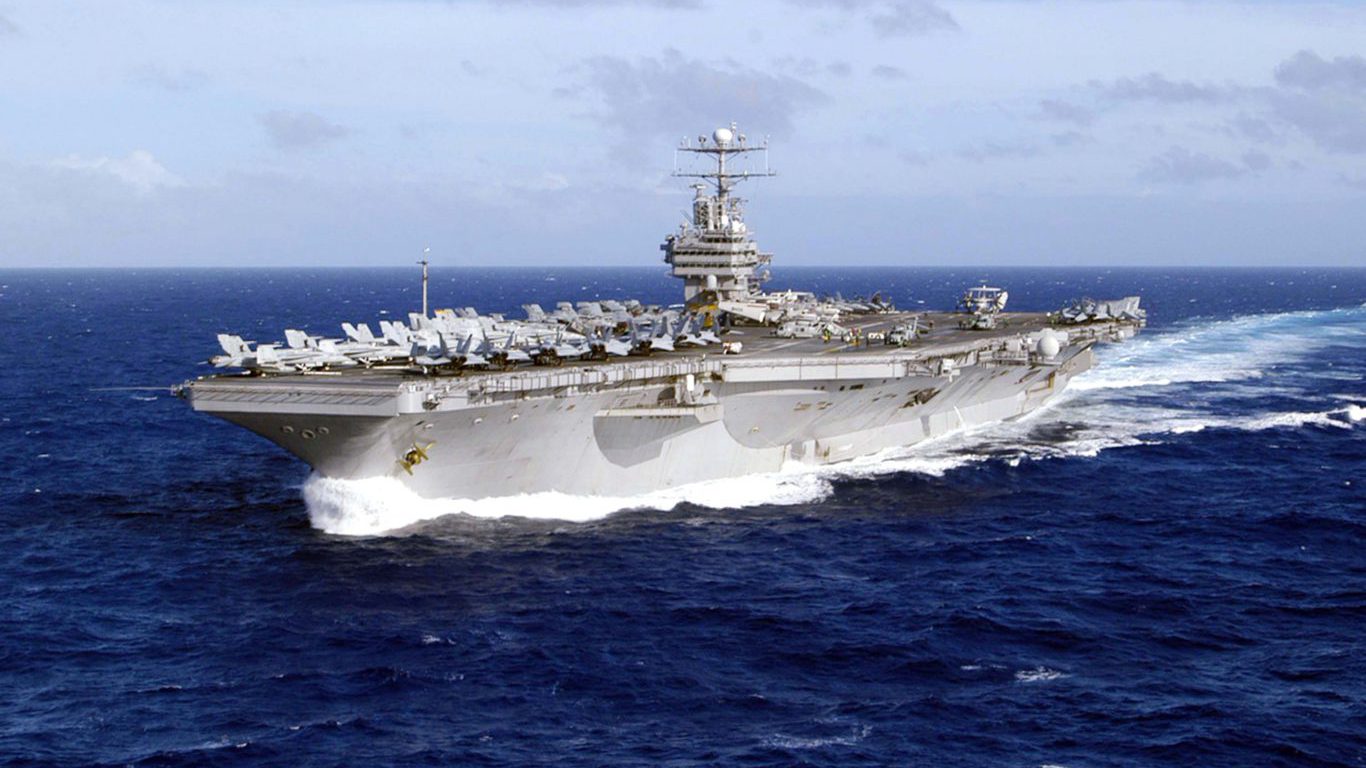
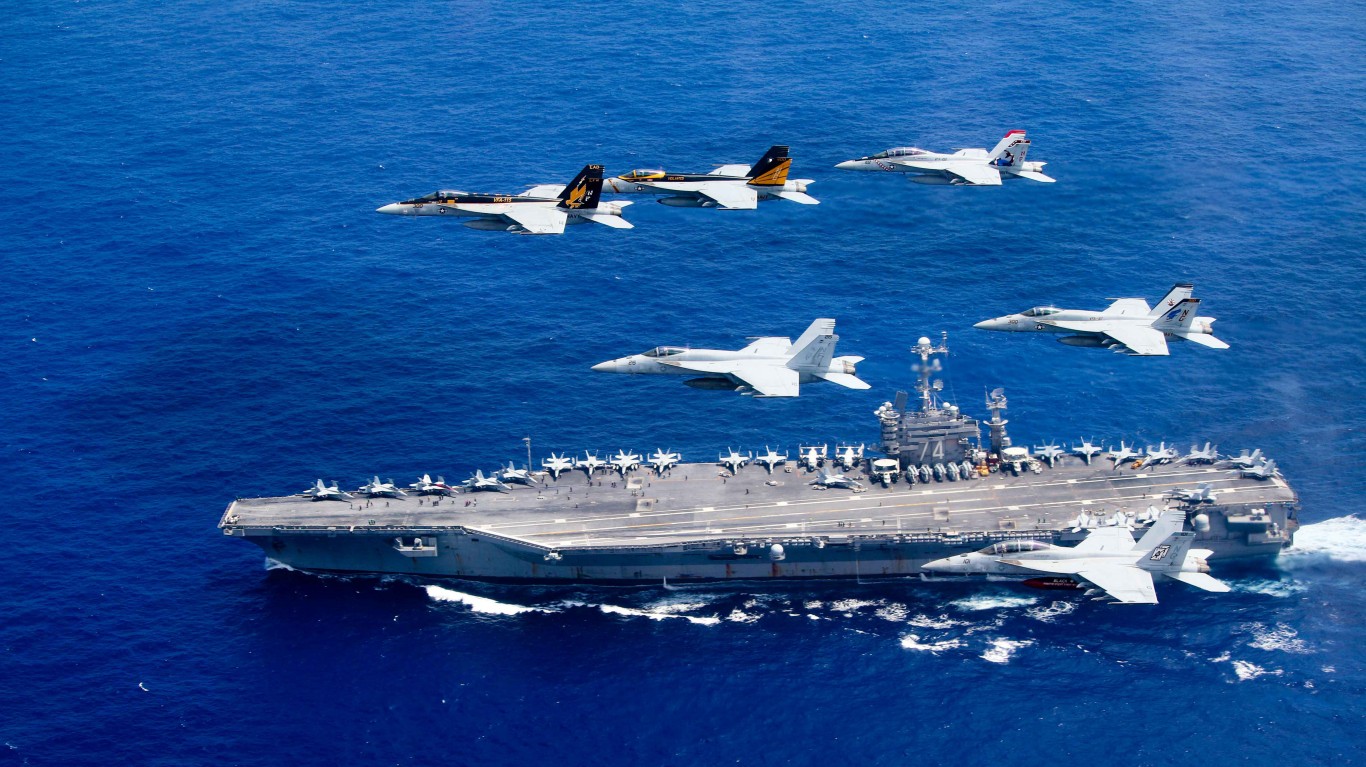
Expensive weapons programs can drive controversy. Politicians and defense contractors often square off over costs. The military asks for weapons that some experts believe have dubious value. Among the best examples debated recently have been driven by the costs of the Gerald R. Ford Carrier. They have been designed and will be built to be the flagships of the U.S. Navy for decades. Taken together what could end up as 12 of the ships may cost $132 billion. That is about $400 for each of America’s 330 million residents.
The $400 sum is particularly pertinent as Congress and The White House debate over an amount that could be sent to unemployed Americans as current benefit programs end. One proposal, from The White House, would send $600 to individuals and $1,200 to couples. The plan would mean the federal government may add yet another COVID-19 recovery program which will be part of a sum requiring the Treasury to raises hundreds of billions of dollars, if not more, ballooning the national debt.
There is a growing body of people who believe the Gerald R. Ford Carrier program is a waste of money, which could be either shaved from the federal budget or better spent elsewhere. The “Aug. 14, 2020 Congressional Research Service report, Navy Ford (CVN-78) Class Aircraft Carrier Program: Background and Issues for Congress,” calls for a minimum 12 carrier fleet for the U.S. Navy. It shows that the carriers Gerald R. Ford, John F. Kennedy, Enterprise, and Doris Miller are built or in the building process. The Navy’s FY2021 budget requests $12.5 billion for the Doris Miller, which would go into service in February 2032.
The primary concern about large carriers is that they are at risk of attack by the latest weapons technology. Even with the fleet of ships around them which have, among other things, the role of protecting the carriers, should one sink, it could cost 5,000 lives, and put part of the U.S. Navy in a vulnerable position in one part of the world. Better, some experts argue, to have smaller, fast-moving ships with sophisticated, next-generation weapons systems of their own.
The pandemic brings the question of how federal money should be spent into sharp relief. Military spending, its opponents say, draws money from the budget that could be used for domestic programs, particularly to support Americans in financial need, and those retiring. The money also might be used for the rebuilding of America’s infrastructure system, a task that would cost well into the trillions of dollars.
As the federal debt grows, so will the symbolic argument of whether the money goes to aircraft carriers, to individual Americans who need financial support.
Contact [email protected] for any questions or corrections.
Douglas A. McIntyre is the co-founder, chief executive officer and editor in chief of 24/7 Wall St. and 24/7 Tempo. He has held these jobs since 2006.
McIntyre has written thousands of articles for 24/7 Wall St. He is an expert on corporate finance, the automotive industry, media companies and international finance. He has edited articles on national demographics, sports, personal income and travel.
His work has been quoted or mentioned in The New York Times, The Wall Street Journal, Los Angeles Times, The Washington Post, NBC News, Time, The New Yorker, HuffPost USA Today, Business Insider, Yahoo, AOL, MarketWatch, The Atlantic, Bloomberg, New York Post, Chicago Tribune, Forbes, The Guardian and many other major publications. McIntyre has been a guest on CNBC, the BBC and television and radio stations across the country.
A magna cum laude graduate of Harvard College, McIntyre also was president of The Harvard Advocate. Founded in 1866, the Advocate is the oldest college publication in the United States.
TheStreet.com, Comps.com and Edgar Online are some of the public companies for which McIntyre served on the board of directors. He was a Vicinity Corporation board member when the company was sold to Microsoft in 2002. He served on the audit committees of some of these companies.
McIntyre has been the CEO of FutureSource, a provider of trading terminals and news to commodities and futures traders. He was president of Switchboard, the online phone directory company. He served as chairman and CEO of On2 Technologies, the video compression company that provided video compression software for Adobe’s Flash. Google bought On2 in 2009.