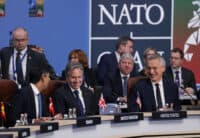
Rising Populism in Europe: Challenges for Ukraine’s NATO Ambitions
: Populist Shift: Italy, Netherlands, and Germany’s move towards populism complicates Ukraine’s NATO bid. Internal Disputes: Tensions between NATO members, like Germany and Poland, create friction. Brexit Impact: UK-Spain disputes over Gibraltar add to NATO challenges. Also: The smart money…


Key Points:
- Populist Shift: Italy, Netherlands, and Germany’s move towards populism complicates Ukraine’s NATO bid.
- Internal Disputes: Tensions between NATO members, like Germany and Poland, create friction.
- Brexit Impact: UK-Spain disputes over Gibraltar add to NATO challenges.
- Also: The smart money is looking past this election and towards what may be the biggest investment opportunity of our lifetime. Learn about ‘The Next Nvidia’ today to see why.
The challenges facing Ukraine’s potential NATO membership, particularly due to the rise of populist, right-wing movements in several European countries like Italy, the Netherlands, and Germany. While some nations like France and the UK have shifted in a different direction, the general trend towards internal focus and skepticism about external commitments complicates Ukraine’s prospects. Additionally, tensions between Poland and Germany and post-Brexit issues, such as disputes over Gibraltar between the UK and Spain, add to the complexities within Europe. These dynamics make it harder for Ukraine to gain support, especially when countries prioritize domestic concerns over foreign alliances.
Populist Rightward Shifts in Europe

- Several European countries are experiencing a populist rightward shift that may complicate Ukraine’s admission to NATO.
- Countries Moving Rightward:
- Italy and the Netherlands: Have seen a rise in populist, right-wing parties that prioritize domestic issues over international commitments like supporting Ukraine.
- Germany: Right-wing parties such as the AfD are gaining traction, and their skepticism towards aid for Ukraine could impact Germany’s future stance.
- Poland: Though traditionally pro-NATO and supportive of Ukraine, relations with Germany are strained due to historical grievances and recent tensions over issues like the Nord Stream pipeline sabotage.
European Countries Moving in the Opposite Direction

- France and the UK: Despite the broader trend, both countries have moved toward a more supportive stance on Ukraine, with France even discussing the possibility of NATO intervention.
- Poland Under Donald Tusk: Initially seemed to shift back to a more pro-NATO and pro-Ukraine stance, but strained relations with Germany complicate this alignment.
The Impact of Internal Politics on Support for Ukraine
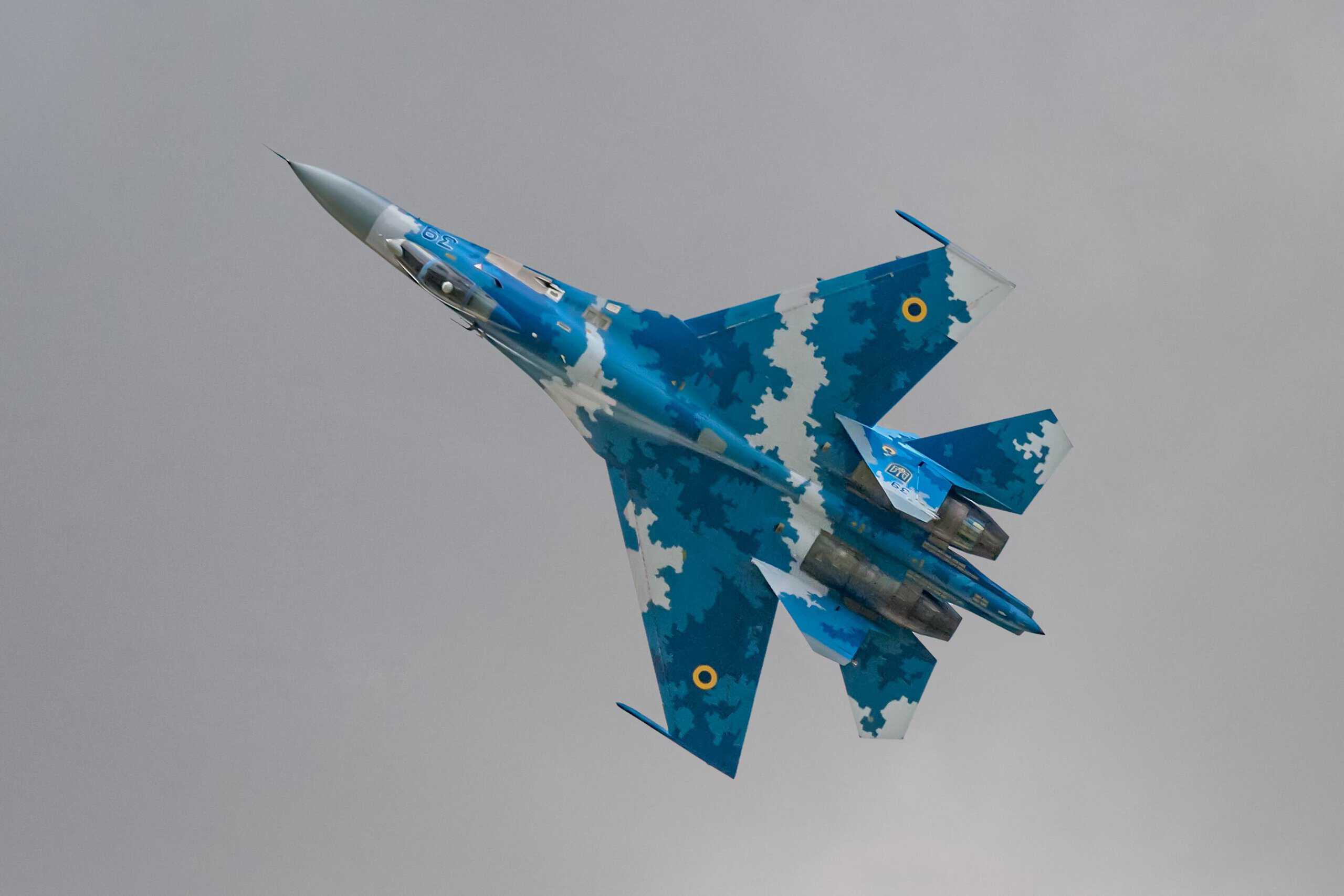
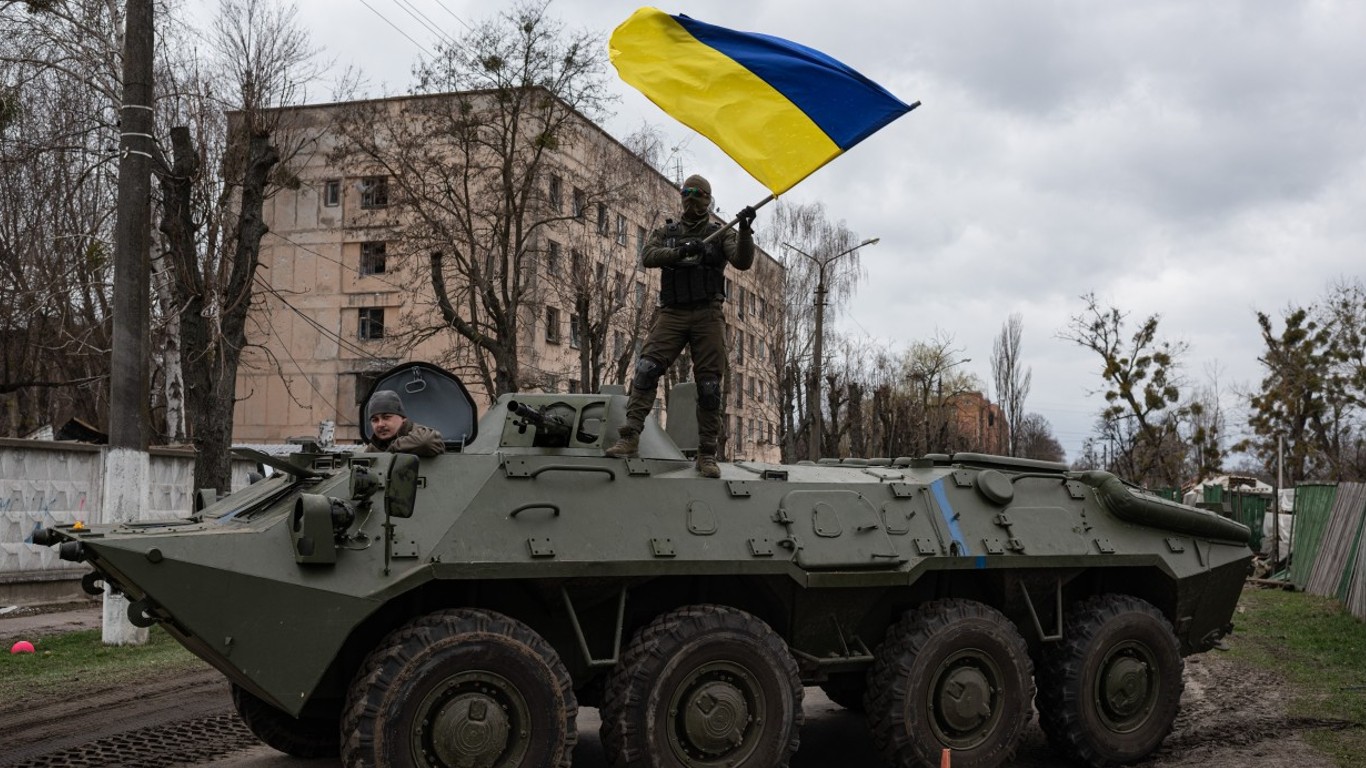
- As countries face domestic challenges and financial strains, there is growing public sentiment to focus on internal issues rather than international conflicts.
- This internal focus is reflected in voting patterns that favor parties advocating for reduced foreign aid and involvement in conflicts like Ukraine.
Additional Complicating Factors: Post-Brexit UK and Gibraltar

- Post-Brexit UK: Relations between Britain and other European NATO members are complicated by the UK’s departure from the EU.
- Gibraltar Dispute: Ongoing tensions between Britain and Spain over Gibraltar, a British overseas territory since 1713, add another layer of complexity. The vast majority of Gibraltar’s population voted to remain in the EU but also rejected Spain’s proposal for joint administration.
Conclusion: A Difficult Environment for Ukraine’s NATO Aspirations

- The rise of populist parties in Europe, combined with internal political and economic challenges, makes support for Ukraine’s NATO membership more uncertain.
- As countries prioritize domestic concerns, the political environment becomes less favorable for Ukraine’s accession to NATO.
Contact [email protected] for any questions or corrections.
Austin Smith is a financial publisher with over two decades of experience as an investor, analyst, and advisor. He covers stocks, ETFs, Artificial intelligence and personal finance for 24/7 Wall St. Previously, he spent over a decade at The Motley Fool as a senior editor for Fool.com, portfolio advisor for Millionacres, and launched The Ascent to help reader take control of their personal finances.
His work has been featured on Fool.com, NPR, CNBC, USA Today, Yahoo Finance, MSN, AOL, Marketwatch, and many other publications. He is as an advisor to private companies, and co-hosts The AI Investor Podcast with Eric Bleeker.
When not looking for investment opportunities, he can be found skiing, running, or playing soccer with his children. Learn more about Austin's investment approach here.