The 25 Most Influential Commanders of World War II
World War II produced some of the most consequential military leaders in modern history. Commanders on both sides were suddenly responsible for directing enormous armies, fleets, and air forces across multiple continents. Their decisions shaped invasions and determined the outcome…

World War II produced some of the most consequential military leaders in modern history. Commanders on both sides were suddenly responsible for directing enormous armies, fleets, and air forces across multiple continents. Their decisions shaped invasions and determined the outcome of major battles, ultimately influencing how quickly the war moved toward its conclusion. In many cases, the success or failure of entire campaigns came down to the judgment of a single commander. Here, 24/7 Wall St. is taking a closer look at some of the most important WWII commanders.
To identify the most important military commanders of WWII, 24/7 Wall St. reviewed various historical and military sources. We included supplemental information for each commander regarding the country, military branch, primary theater of war, command role, and ultimately their historical significance. Note that we excluded political leaders like heads of state, unless they directly commanded forces.
Here is a look at the most influential commanders of World War II:
Why Are We Covering This?
Understanding World War II requires more than looking at weapons, battles, or the countries involved. The conflict was ultimately directed by commanders whose decisions shaped the outcome of entire campaigns and, in some cases, the war itself. From massive amphibious invasions to desperate defensive stands, these leaders were responsible for coordinating millions of troops and enormous military resources. By examining the commanders who played the most significant roles, it becomes easier to see how leadership, strategy, and timing influenced the course of one of the most consequential wars in modern history.
The Leaders Behind a Global War
World War II was fought across continents, oceans, and skies on a scale the world had never seen before. While technology, industry, and manpower played enormous roles, the decisions made by military commanders often determined how battles unfolded. The leaders directing armies, fleets, and air forces carried immense responsibility as they shaped the strategy of the war.
Command on an Unprecedented Scale

Never before had commanders been responsible for coordinating forces of such size. Millions of soldiers, thousands of aircraft, and entire naval fleets were committed to massive operations that stretched across entire regions. Success required not only battlefield skill, but the ability to manage logistics, alliances, and long-term strategy under enormous pressure.
Turning Points That Changed the War
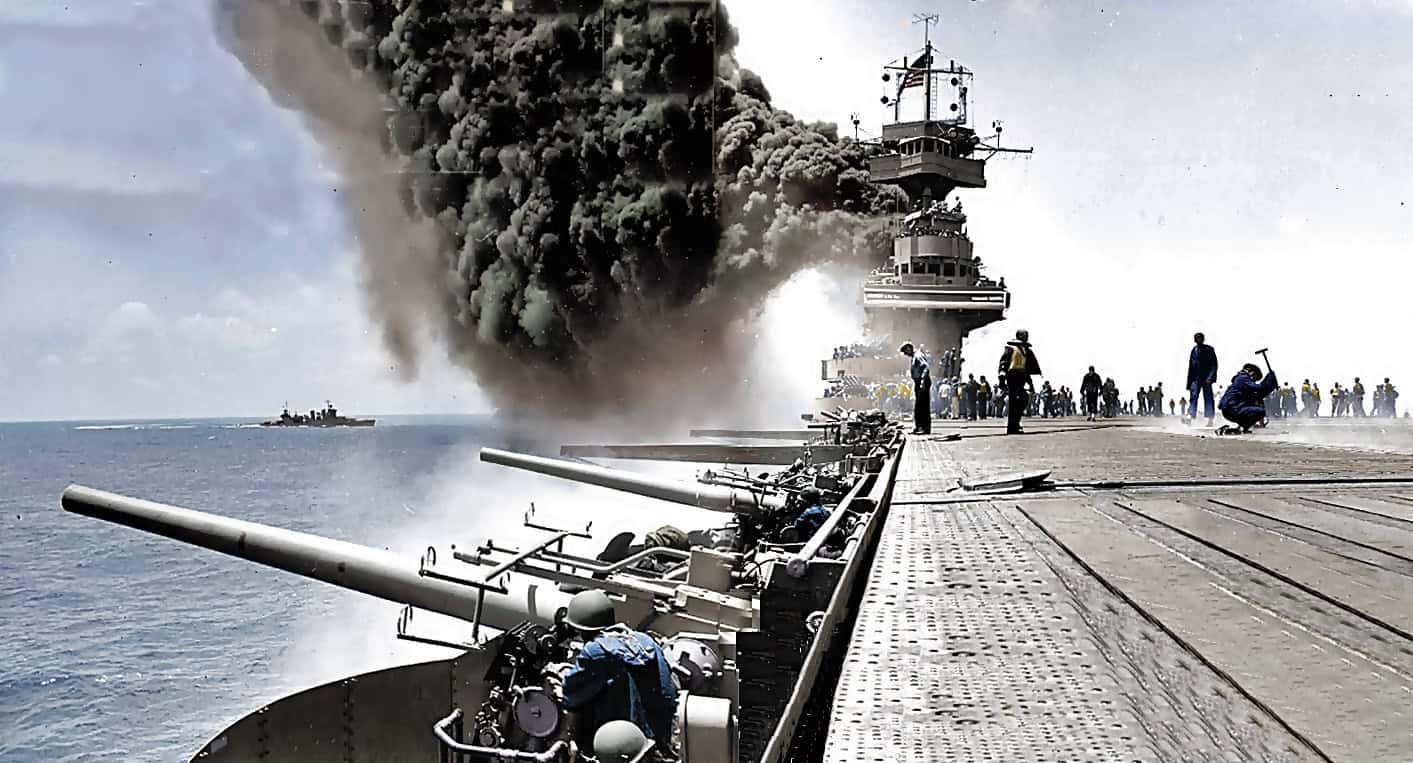
Certain moments in World War II shifted the momentum of the conflict. Victories at places like Midway, El Alamein, and Stalingrad did not happen by chance. Behind each turning point were commanders making critical choices about timing, resources, and risk, decisions that could alter the course of the war.
Different Styles of Leadership
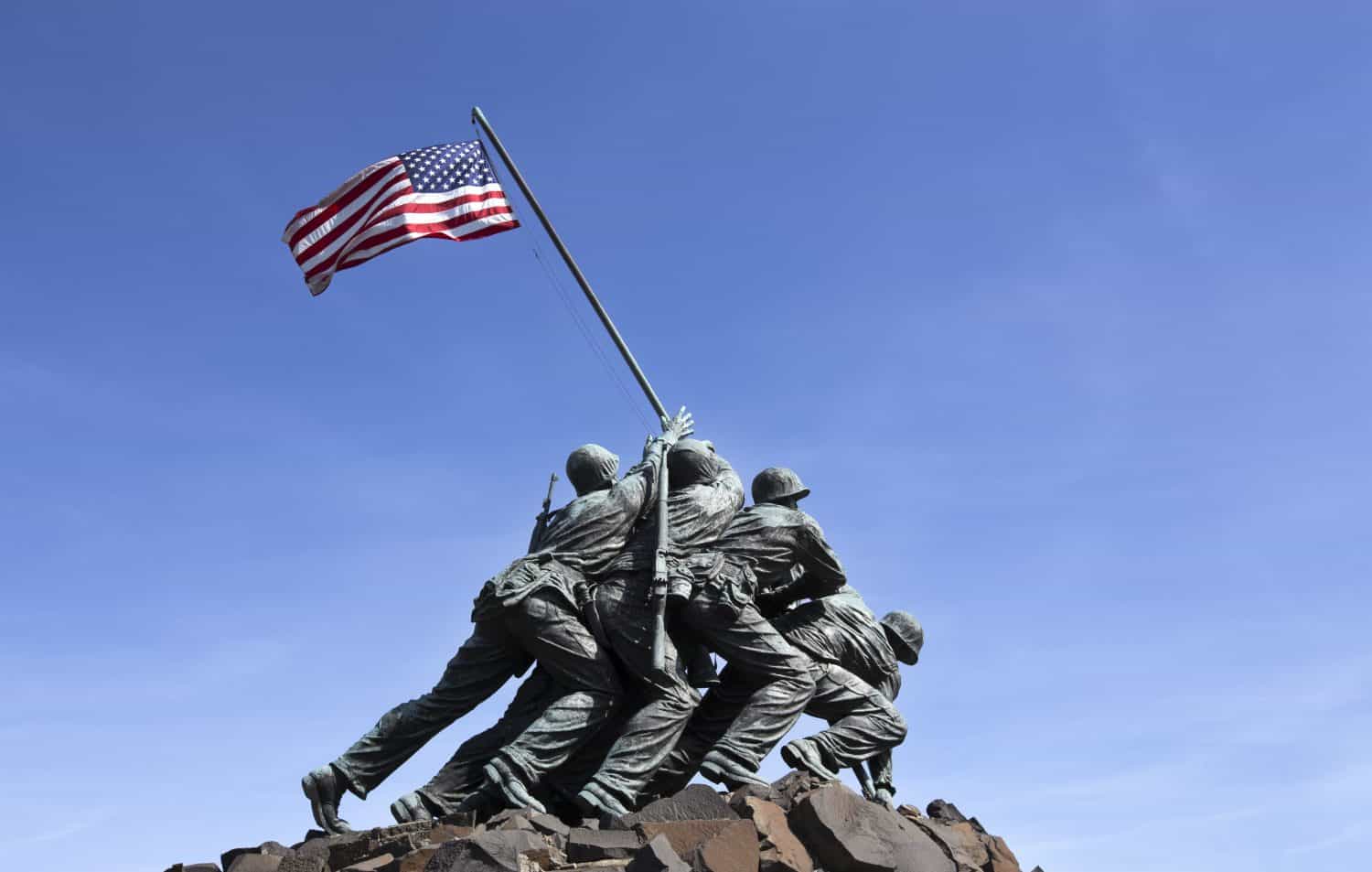
Some commanders relied on careful planning and overwhelming force, while others favored speed, maneuver, and bold attacks. The diversity of leadership styles across the Allied and Axis powers created dramatically different approaches to warfare. Understanding these leaders helps explain why some campaigns succeeded while others failed.
The Individuals Who Shaped the Outcome

The commanders in this list helped determine how World War II was fought and ultimately how it ended. Their strategies influenced major invasions, defensive stands, and sweeping offensives across the globe. By looking at their actions and decisions, it becomes easier to understand how leadership helped shape one of the most consequential conflicts in history.
Dwight D. Eisenhower
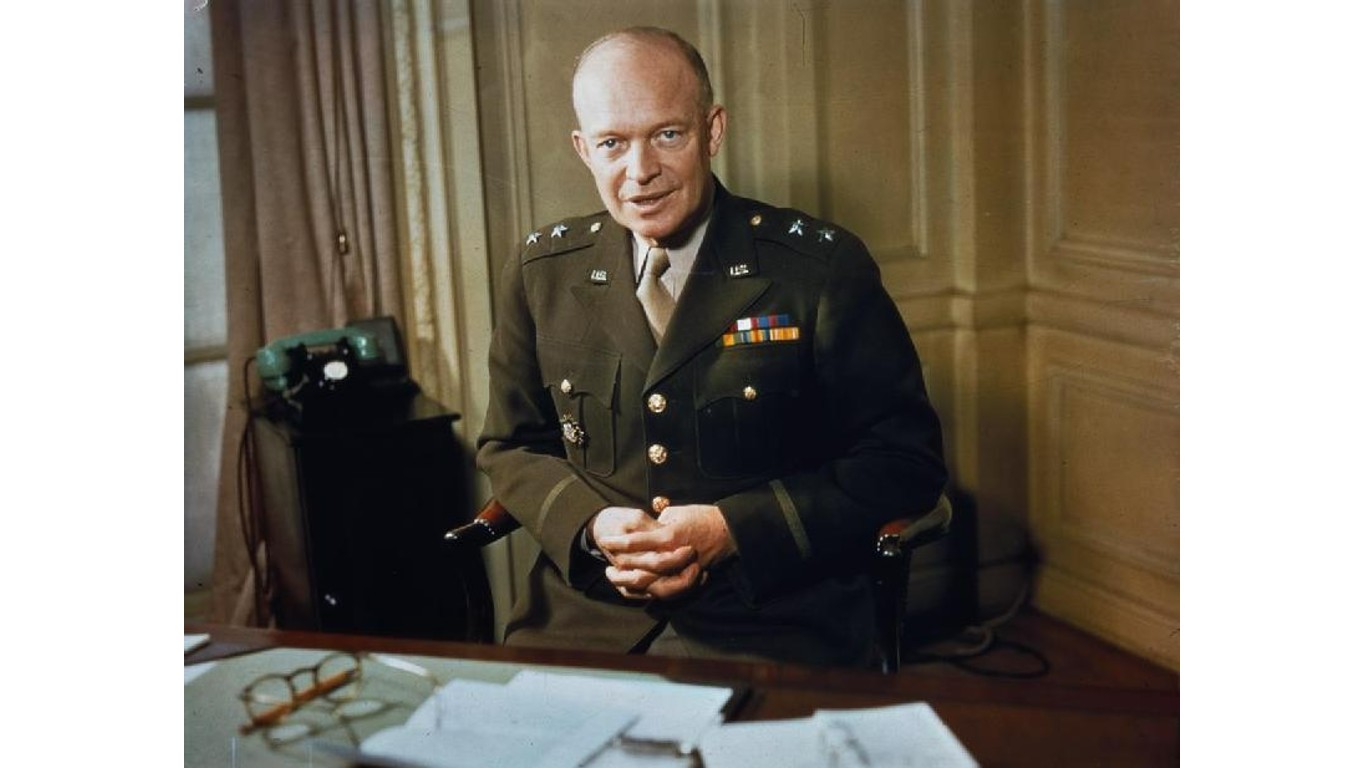
- Country: USA
- Military branch: Army
- Highest rank held during WWII: General
- Primary theater of war: Western Europe
- Key campaign or battle: D-Day
- Command role: Supreme Allied Commander
- Strategic strength: Coalition coordination
- Historical significance: Led the Allied invasion that opened the Western Front
Eisenhower’s importance in World War II came from his ability to manage a vast coalition of Allied forces. Coordinating American, British, and other Allied armies required diplomatic skill as much as military planning. His leadership during the planning and execution of D-Day ensured that one of the largest amphibious invasions in history succeeded and ultimately opened the path to liberating Western Europe.
Georgy Zhukov
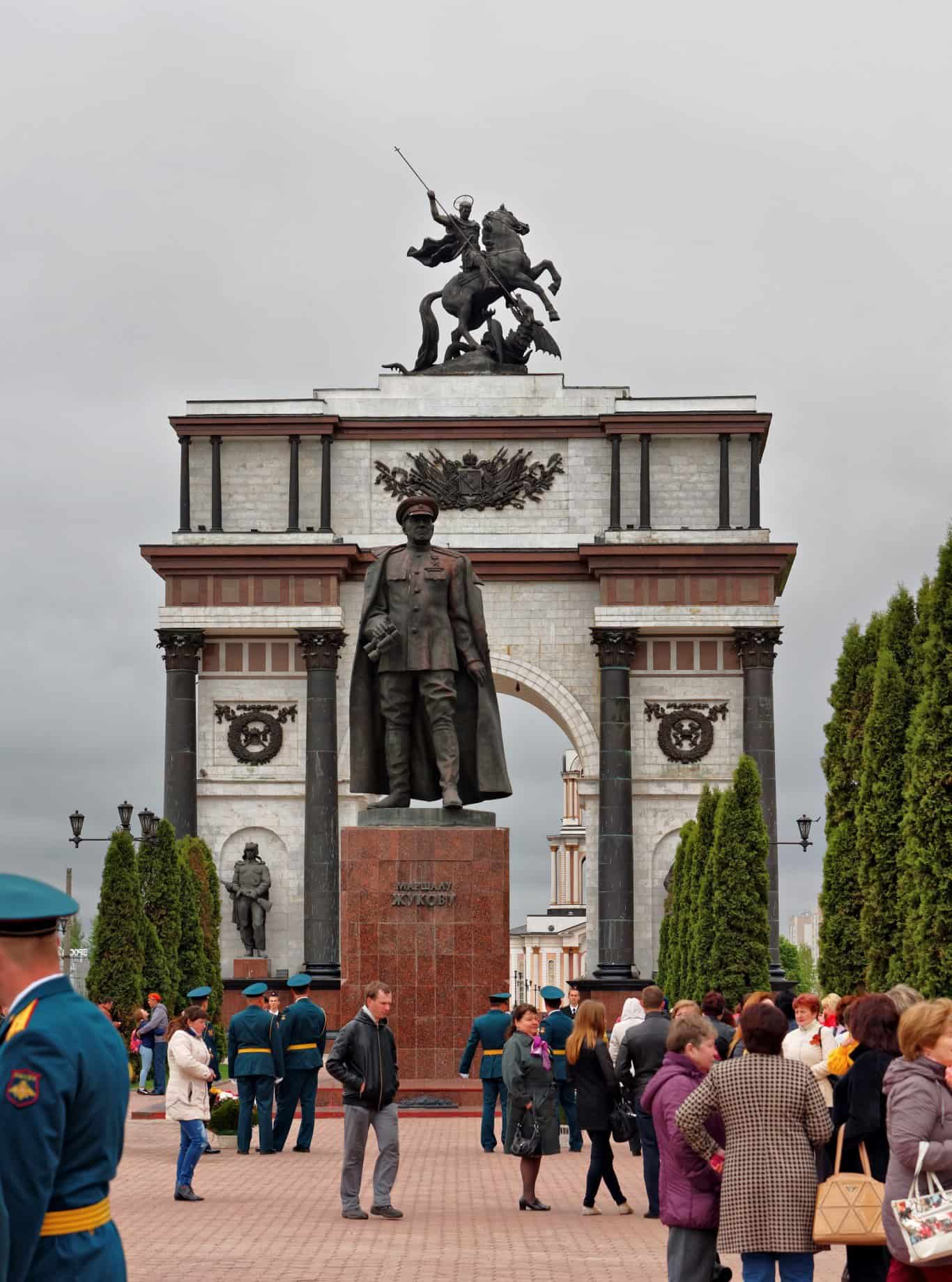
- Country: Soviet Union
- Military branch: Army
- Highest rank held during WWII: Marshal
- Primary theater of war: Eastern Front
- Key campaign or battle: Battle of Berlin
- Command role: Front Commander
- Strategic strength: Offensive warfare
- Historical significance: Central figure in defeating Nazi Germany on the Eastern Front
Zhukov became one of the Soviet Union’s most decisive wartime commanders. He played major roles in defending Moscow, organizing the counteroffensive at Stalingrad, and later leading Soviet forces toward Berlin. Known for relentless offensives and a willingness to concentrate overwhelming force, Zhukov helped turn the Eastern Front into the decisive theater that broke the German army.
Douglas MacArthur
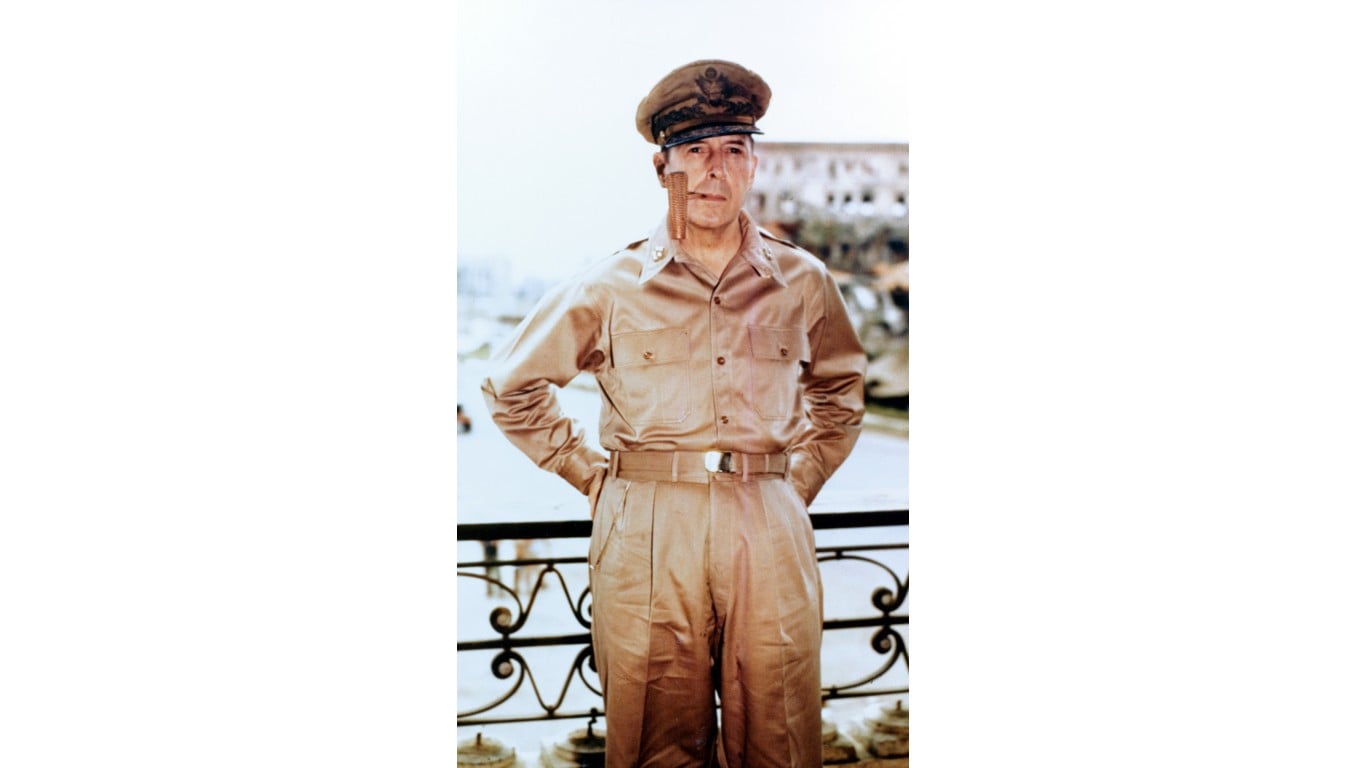
- Country: USA
- Military branch: Army
- Highest rank held during WWII: General
- Primary theater of war: Pacific
- Key campaign or battle: Philippines Campaign
- Command role: Theater Commander
- Strategic strength: Strategic island campaigns
- Historical significance: Directed major Allied advances in the Southwest Pacific
MacArthur oversaw the Allied campaign in the Southwest Pacific, guiding operations across New Guinea and eventually returning to the Philippines. His strategy combined amphibious landings, airpower, and logistics to bypass strong Japanese positions. By steadily advancing toward Japan while maintaining political and military influence, MacArthur shaped how the Pacific war unfolded in that region.
Chester W. Nimitz
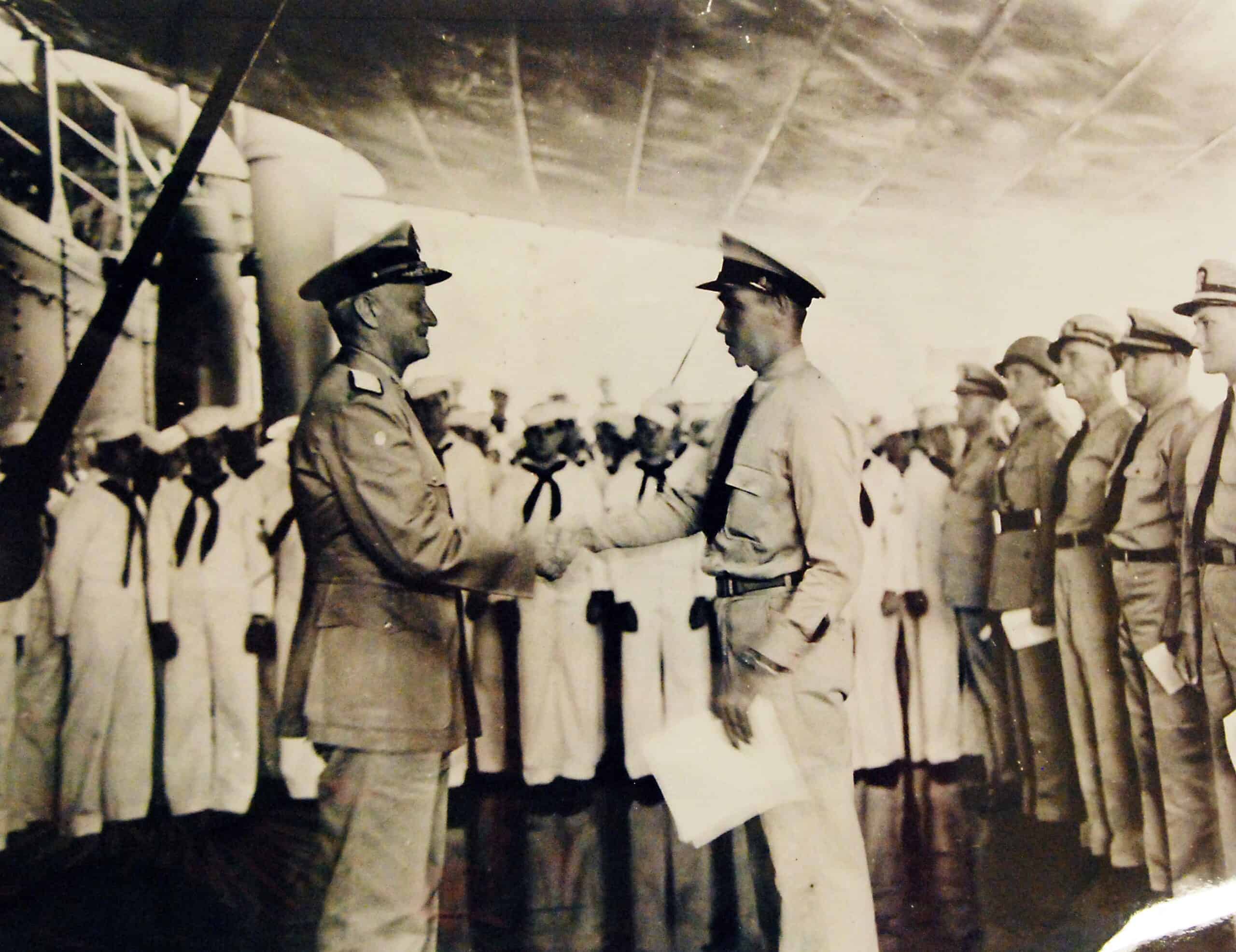
- Country: USA
- Military branch: Navy
- Highest rank held during WWII: Fleet Admiral
- Primary theater of war: Pacific
- Key campaign or battle: Battle of Midway
- Command role: Pacific Fleet Commander
- Strategic strength: Naval strategy
- Historical significance: Oversaw the naval campaign that turned the tide in the Pacific
As commander of U.S. Pacific naval forces, Nimitz directed a campaign that gradually shifted the balance of power in the Pacific. His leadership during battles like Midway and the Central Pacific island offensives helped cripple Japan’s naval strength. By coordinating fleets, aircraft carriers, and amphibious assaults, Nimitz played a central role in pushing Allied forces toward Japan.
Bernard Montgomery
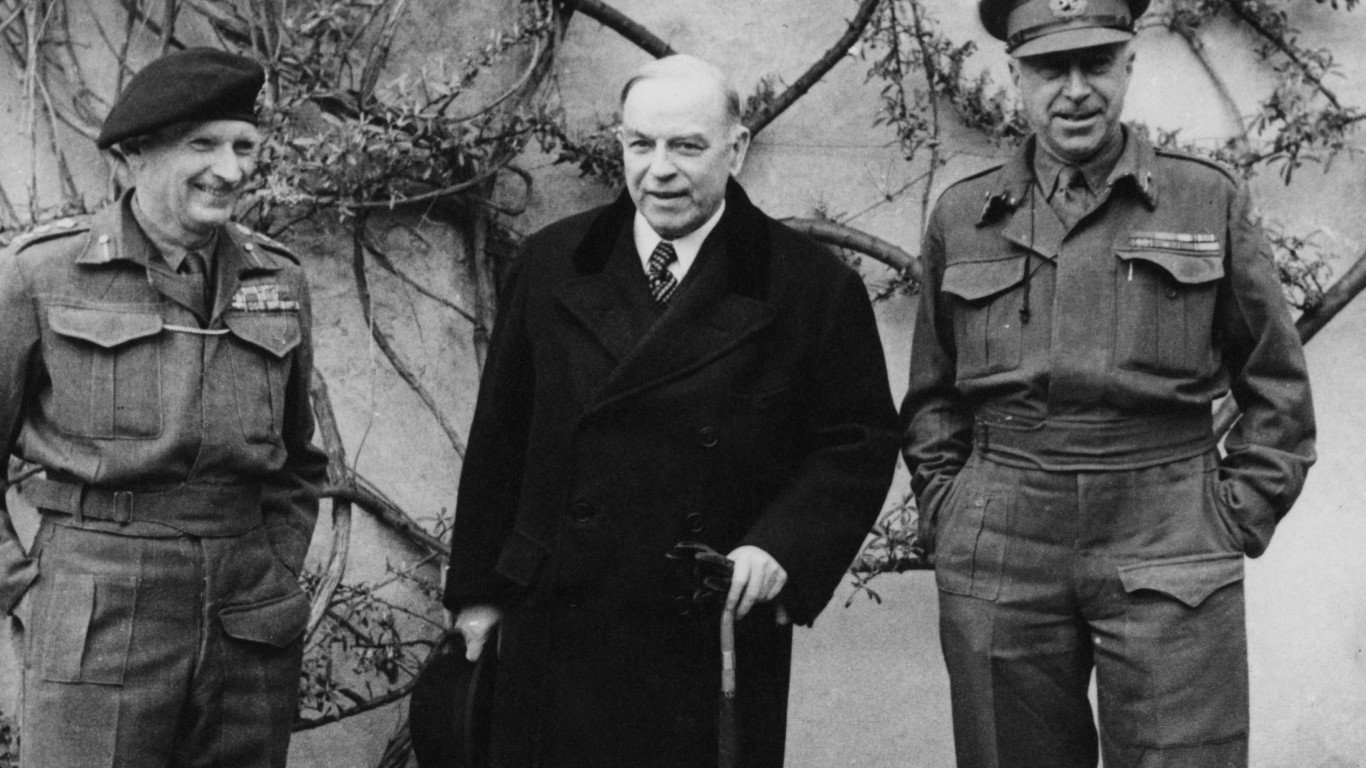
- Country: United Kingdom
- Military branch: Army
- Highest rank held during WWII: Field Marshal
- Primary theater of war: North Africa / Europe
- Key campaign or battle: El Alamein
- Command role: Army Group Commander
- Strategic strength: Defensive preparation
- Historical significance: Key British commander in North Africa and Europe
Montgomery gained prominence after leading British forces to victory at El Alamein, a turning point in the North African campaign. Known for careful planning and methodical offensives, he emphasized preparation and overwhelming strength before launching attacks. His leadership later continued in Europe, where he commanded major Allied ground forces during critical stages of the war.
Omar Bradley
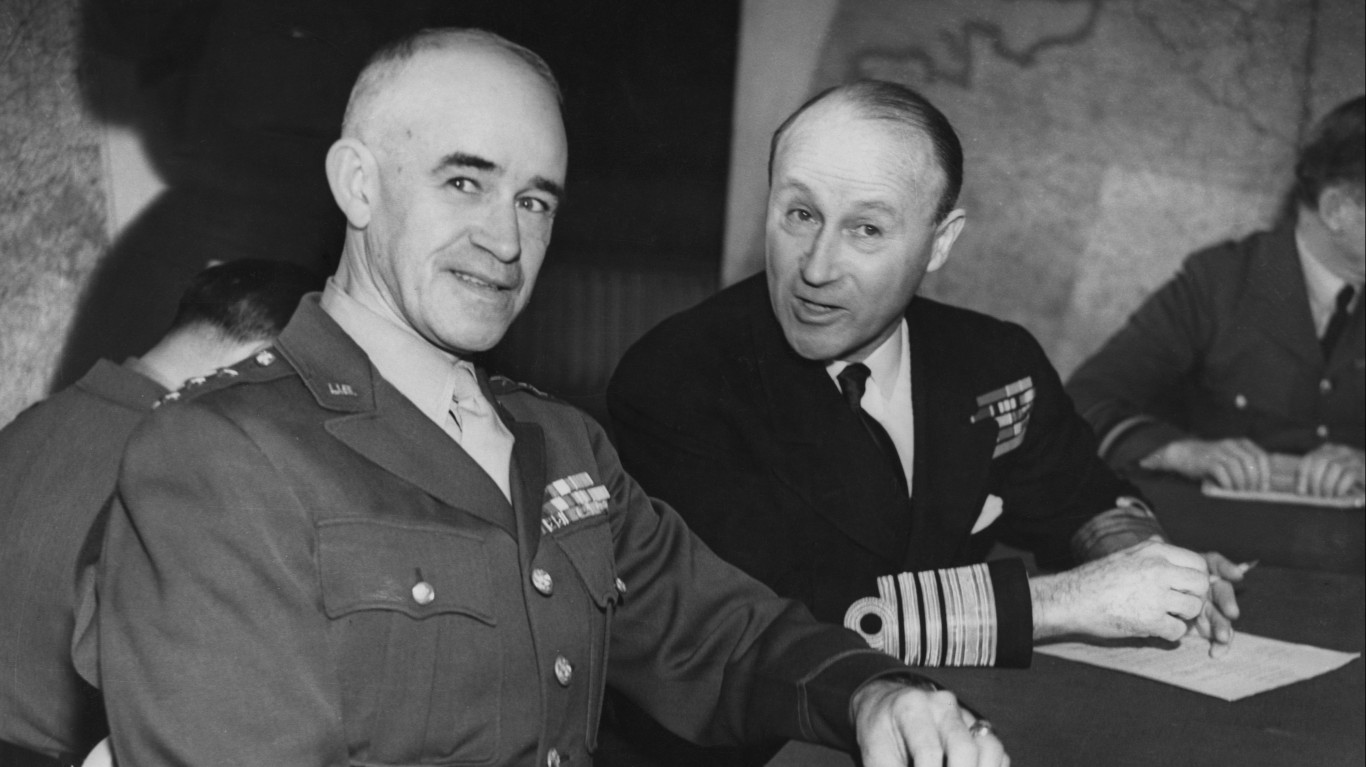
- Country: USA
- Military branch: Army
- Highest rank held during WWII: General
- Primary theater of war: Western Europe
- Key campaign or battle: Normandy Campaign
- Command role: Army Group Commander
- Strategic strength: Operational command
- Historical significance: Commanded the largest American field force of the war
Bradley commanded enormous American forces during the liberation of Western Europe. After the Normandy landings, his leadership helped break out from the beachhead and push deep into France. Often seen as a steady and practical commander, Bradley managed large formations and complex operations that eventually carried Allied armies toward Germany’s western border.
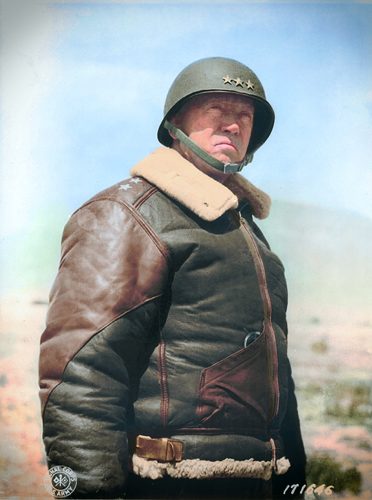
George S. Patton
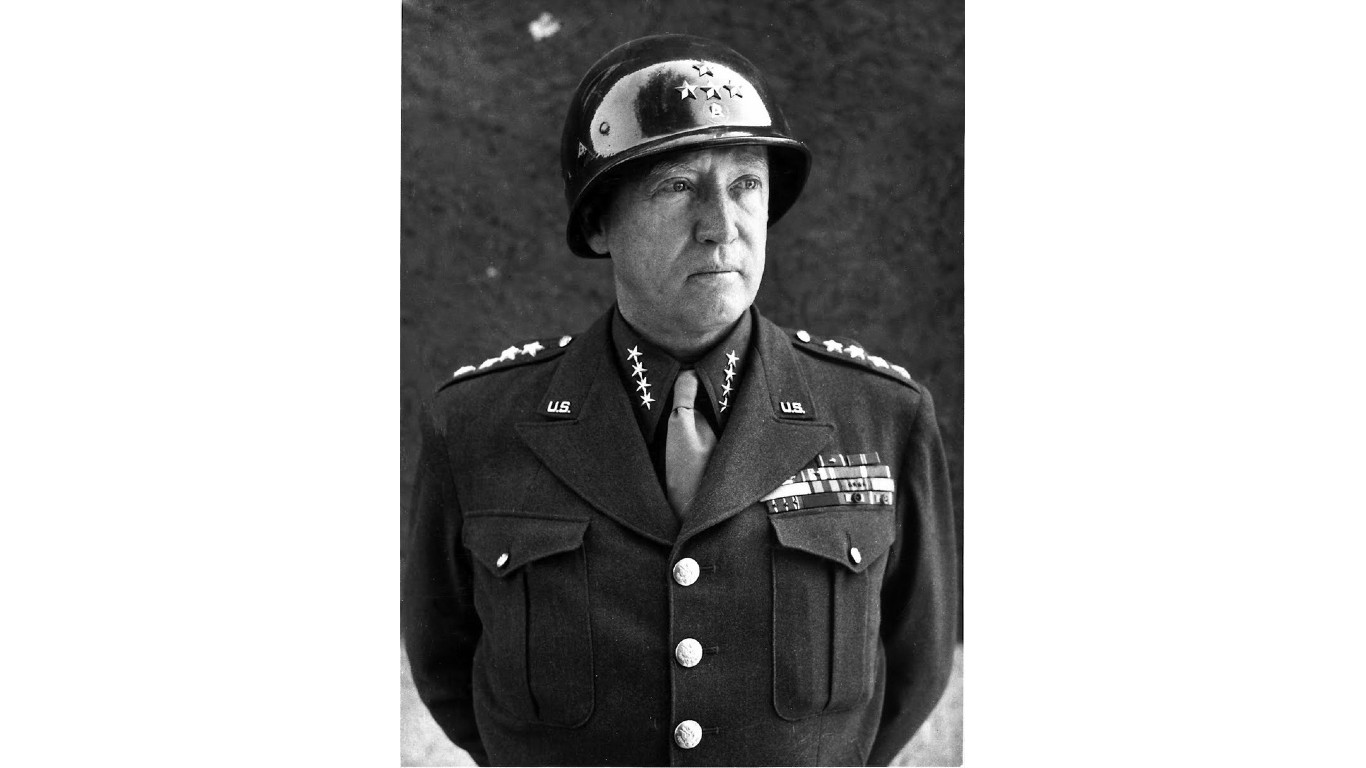
- Country: USA
- Military branch: Army
- Highest rank held during WWII: General
- Primary theater of war: Western Europe
- Key campaign or battle: Battle of the Bulge
- Command role: Army Commander
- Strategic strength: Armored warfare
- Historical significance: Led rapid armored advances across Europe
Patton became famous for his aggressive style of warfare and rapid armored advances. During campaigns across France and later in the Battle of the Bulge, his forces moved quickly to exploit weaknesses in German defenses. His emphasis on speed and momentum helped Allied armies maintain pressure and seize territory faster than German commanders could respond.
Konstantin Rokossovsky
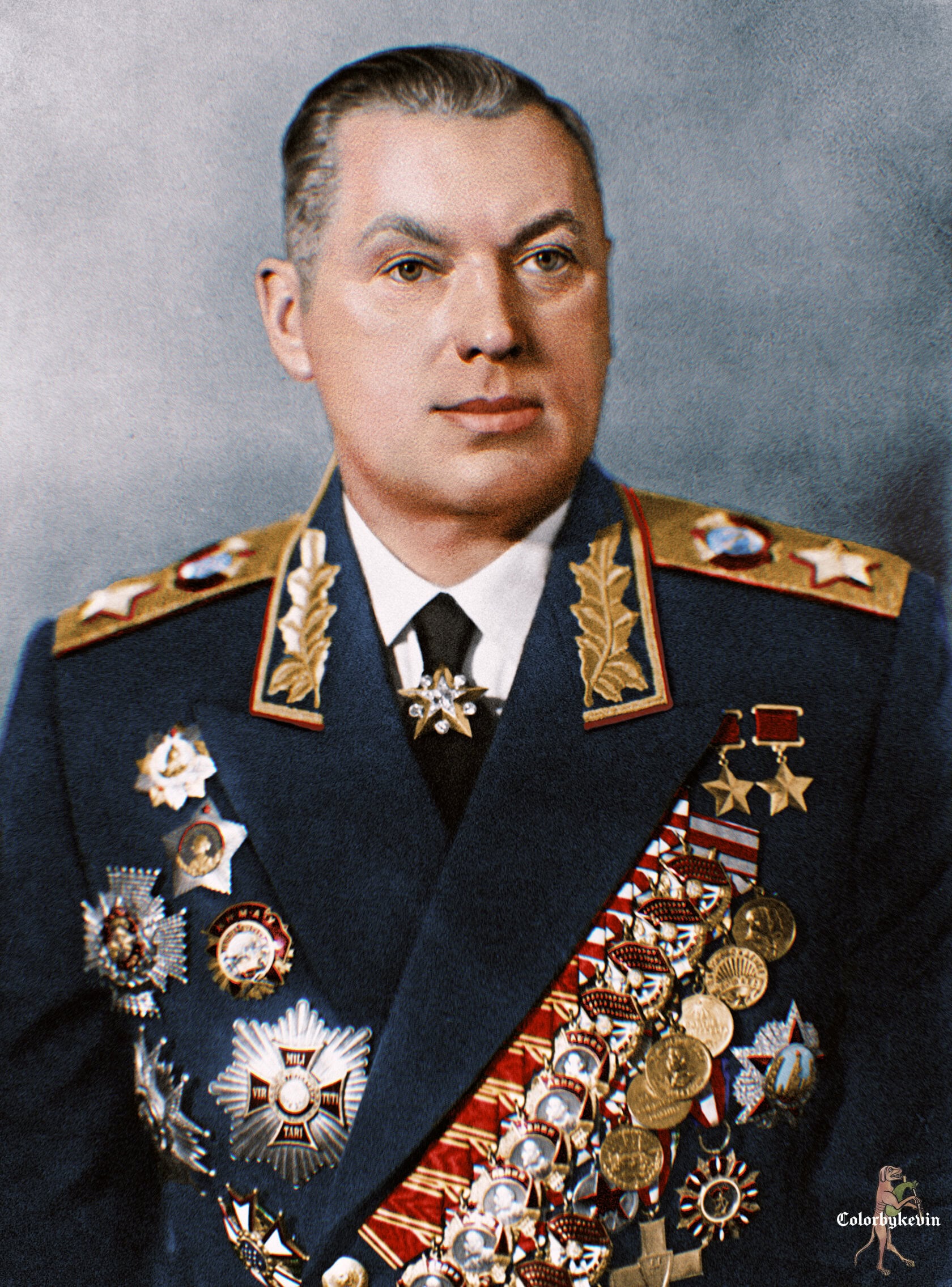
- Country: Soviet Union
- Military branch: Army
- Highest rank held during WWII: Marshal
- Primary theater of war: Eastern Front
- Key campaign or battle: Operation Bagration
- Command role: Front Commander
- Strategic strength: Operational maneuver
- Historical significance: Directed major offensives that crushed German forces
Rokossovsky distinguished himself as a skilled operational commander on the Eastern Front. During Operation Bagration, one of the most devastating Soviet offensives of the war, his forces helped destroy large sections of the German Army Group Center. His ability to coordinate large formations and execute complex maneuvers made him one of the Soviet Union’s most capable leaders.
Ivan Konev
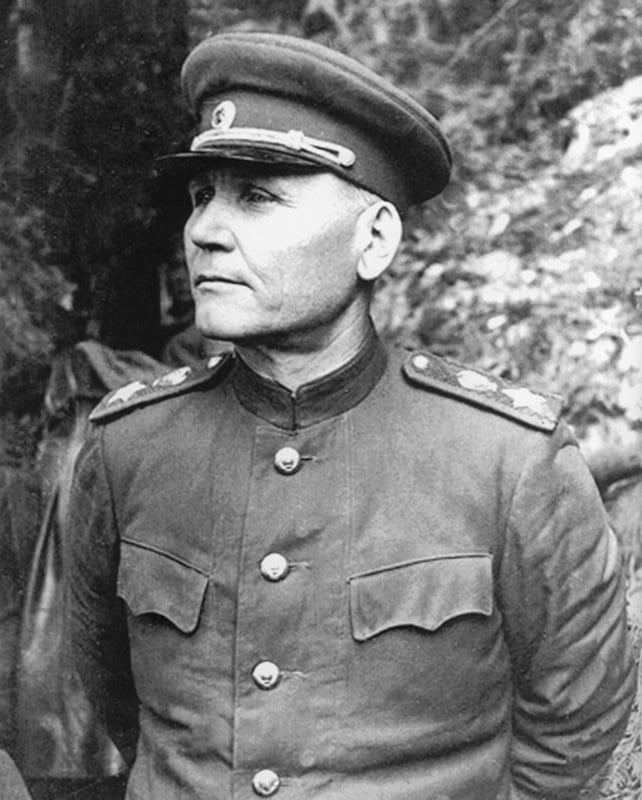
- Country: Soviet Union
- Military branch: Army
- Highest rank held during WWII: Marshal
- Primary theater of war: Eastern Front
- Key campaign or battle: Vistula–Oder Offensive
- Command role: Front Commander
- Strategic strength: Large-scale offensives
- Historical significance: Helped drive Soviet forces into Germany
Konev commanded Soviet forces during some of the final offensives that pushed into Central Europe and Germany. His armies played major roles in operations such as the Vistula–Oder advance, which rapidly moved Soviet troops toward Berlin. Through massive offensives and relentless pressure, Konev helped ensure that German defenses eventually collapsed on the Eastern Front.
William Halsey Jr.
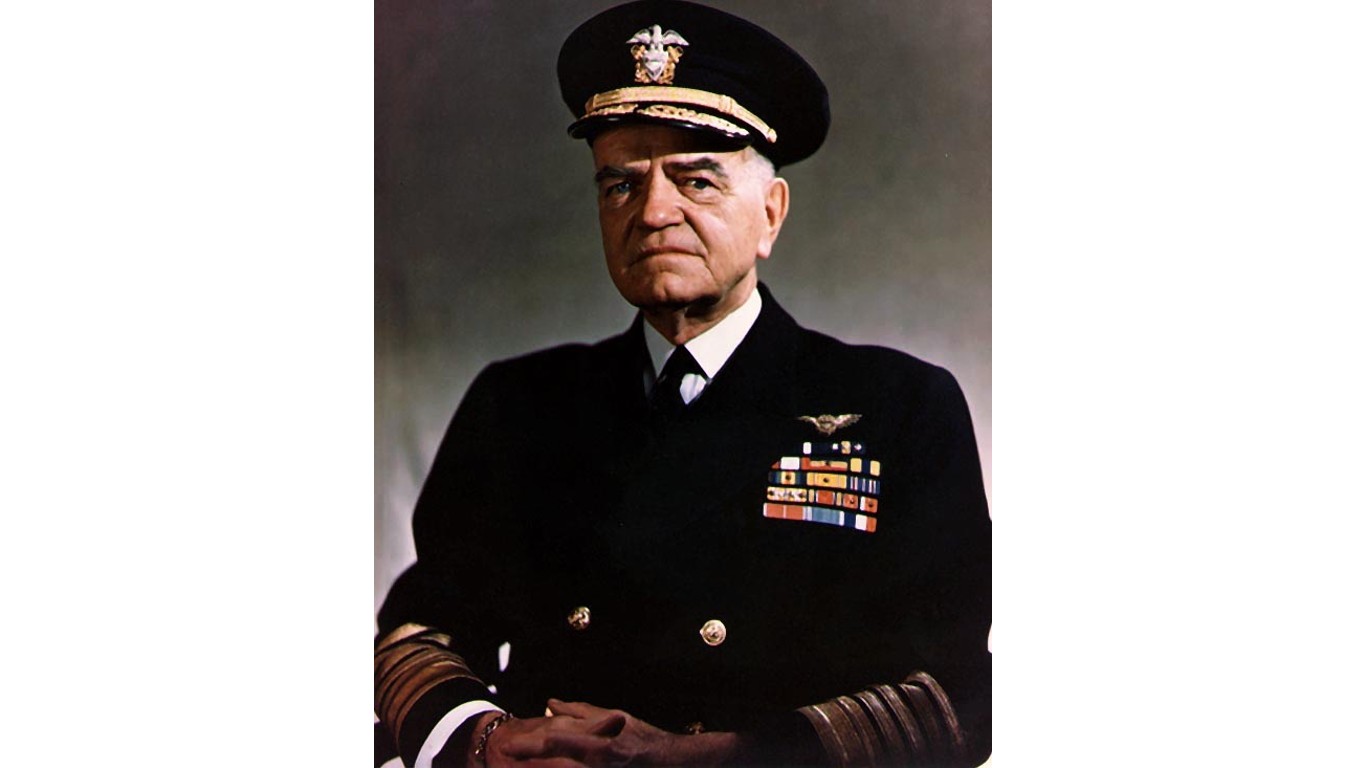
- Country: USA
- Military branch: Navy
- Highest rank held during WWII: Fleet Admiral
- Primary theater of war: Pacific
- Key campaign or battle: Leyte Gulf
- Command role: Fleet Commander
- Strategic strength: Aggressive naval command
- Historical significance: Prominent U.S. naval leader in Pacific battles
Halsey became one of the most recognizable U.S. naval commanders in the Pacific. Known for his aggressive approach, he pushed American fleets forward during critical campaigns against Japanese forces. His leadership during battles around the Philippines helped maintain momentum in the later stages of the Pacific war as Allied forces closed in on Japan.
Raymond Spruance
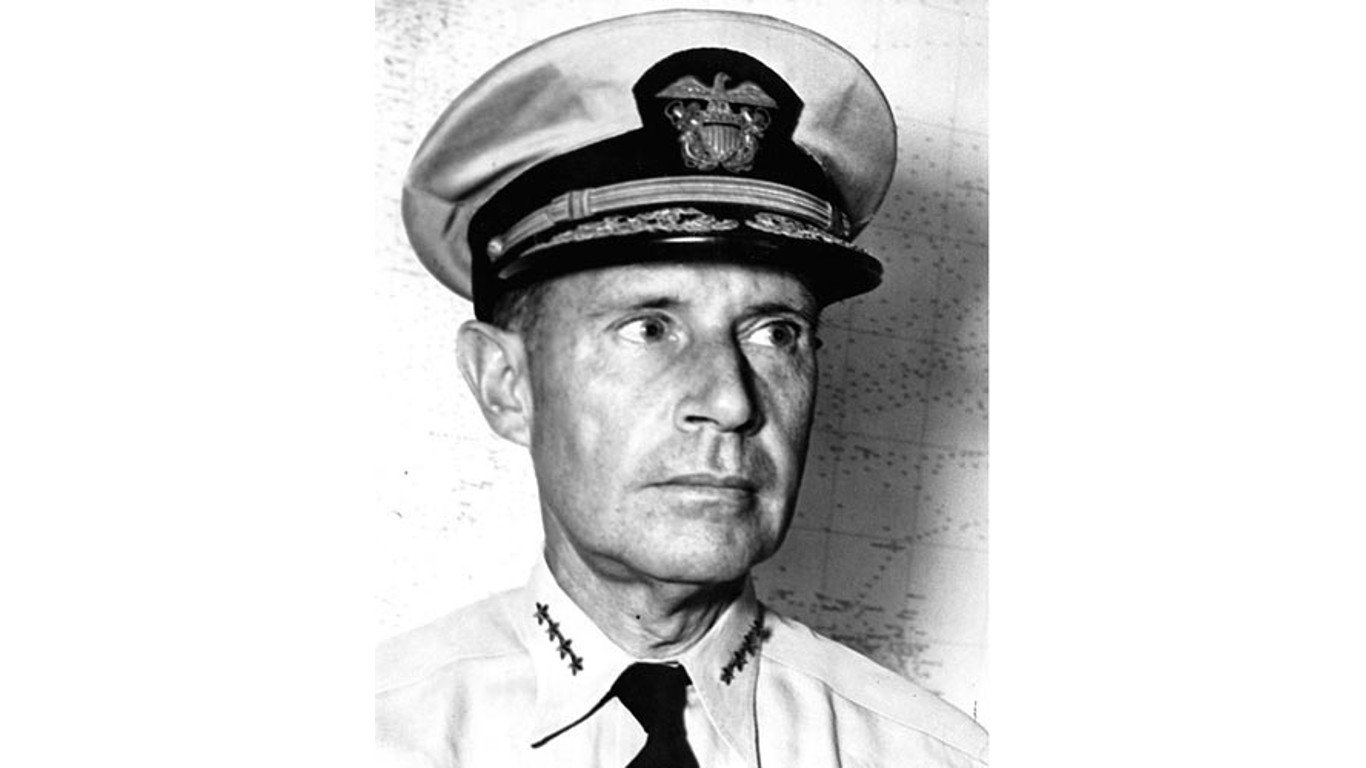
- Country: USA
- Military branch: Navy
- Highest rank held during WWII: Admiral
- Primary theater of war: Pacific
- Key campaign or battle: Battle of Midway
- Command role: Fleet Commander
- Strategic strength: Calm decision-making
- Historical significance: Key naval strategist during major Pacific operations
Spruance gained lasting recognition for his calm leadership during the Battle of Midway, one of the most important naval battles of the war. By making careful decisions under pressure, he helped deliver a devastating defeat to Japan’s carrier fleet. Later operations under his command continued to advance the Central Pacific campaign toward Japan’s defensive perimeter.
Arthur Tedder
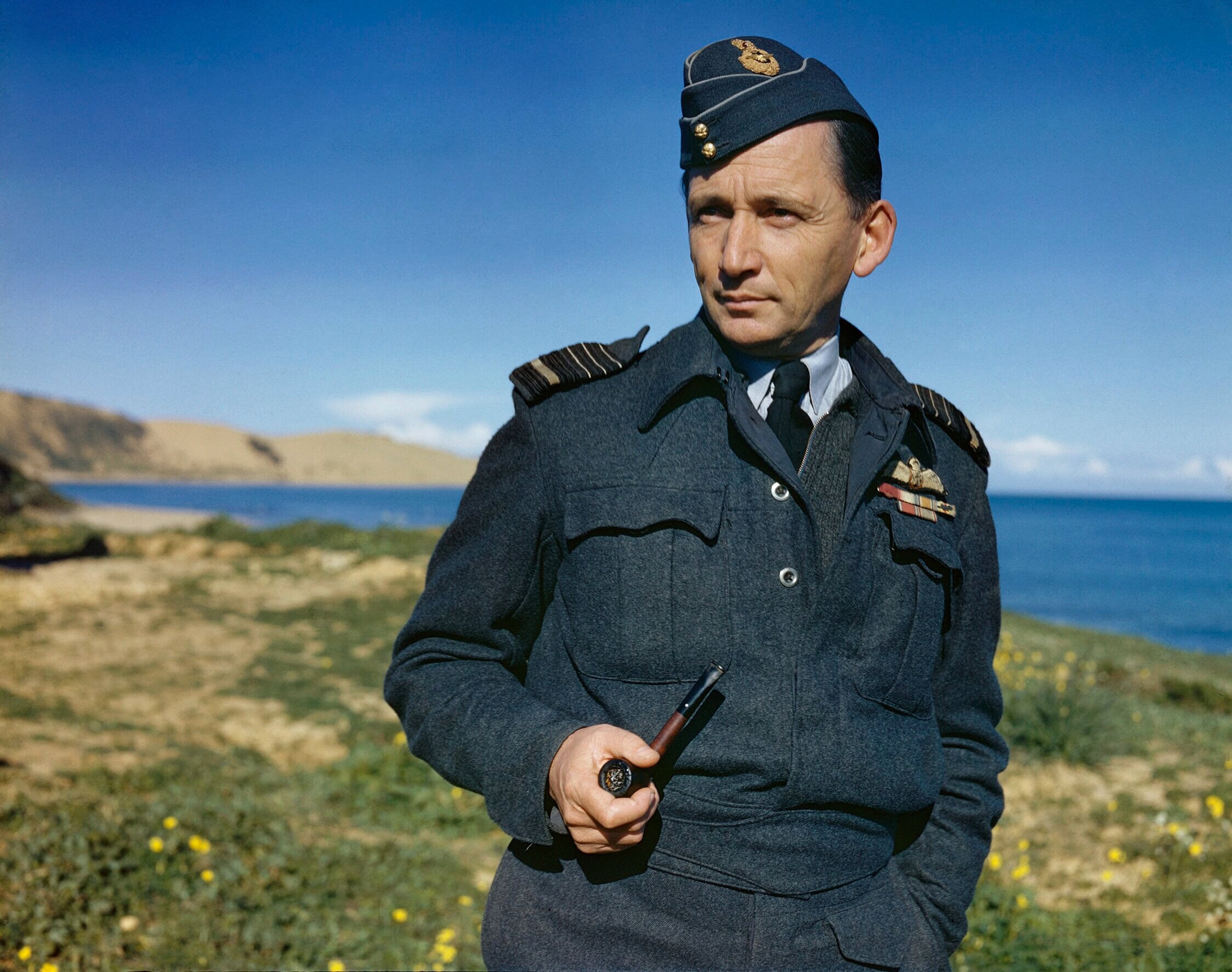
- Country: United Kingdom
- Military branch: Air Force
- Highest rank held during WWII: Marshal of the RAF
- Primary theater of war: Europe
- Key campaign or battle: Allied Air Campaign
- Command role: Air Commander
- Strategic strength: Air coordination
- Historical significance: Helped integrate Allied air power in Europe
Tedder played an important role in coordinating Allied airpower in Europe. Working alongside senior ground commanders, he helped integrate strategic bombing, tactical air support, and transportation strikes. This coordination weakened German logistics and defenses, demonstrating how air forces could shape the battlefield in support of major ground operations during the war.
Alexander Vasilevsky
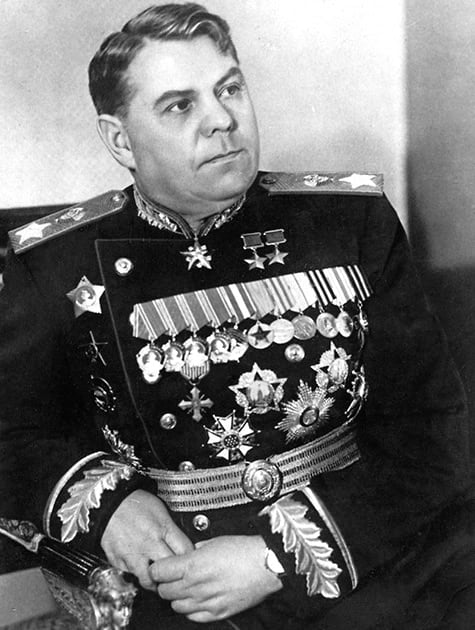
- Country: Soviet Union
- Military branch: Army
- Highest rank held during WWII: Marshal
- Primary theater of war: Eastern Front
- Key campaign or battle: Stalingrad
- Command role: Chief of Staff
- Strategic strength: Strategic planning
- Historical significance: Helped coordinate major Soviet offensives
As a senior Soviet strategist and chief of staff, Vasilevsky was deeply involved in planning large-scale operations against Germany. He helped coordinate campaigns such as the encirclement of German forces at Stalingrad and later offensives across Eastern Europe. His work ensured that Soviet armies moved in coordinated waves capable of overwhelming German defenses.
Erwin Rommel
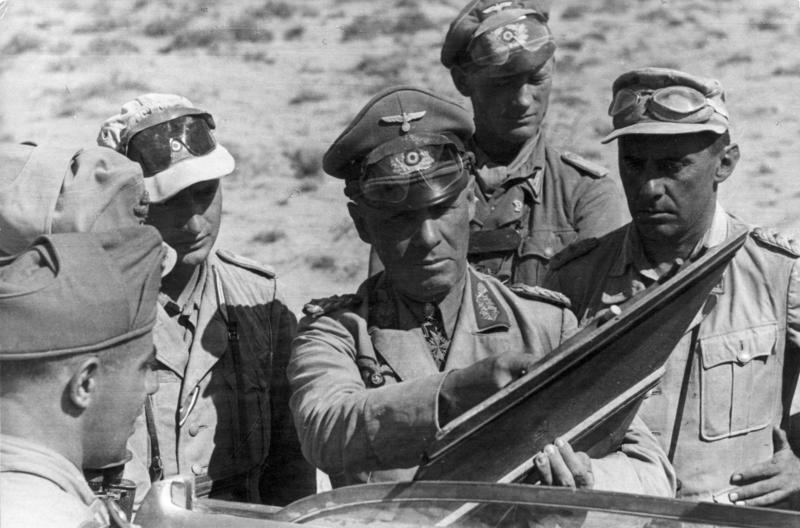
- Country: Germany
- Military branch: Army
- Highest rank held during WWII: Field Marshal
- Primary theater of war: North Africa
- Key campaign or battle: North African Campaign
- Command role: Army Group Commander
- Strategic strength: Mobile warfare
- Historical significance: Famous German commander known as the Desert Fox
Rommel became famous for his leadership in the North African desert, where his maneuver-focused tactics challenged Allied forces. Nicknamed the “Desert Fox,” he relied on speed, surprise, and flexible command to offset logistical disadvantages. Although ultimately defeated, his campaigns became some of the most studied armored operations of the war.
Erich von Manstein
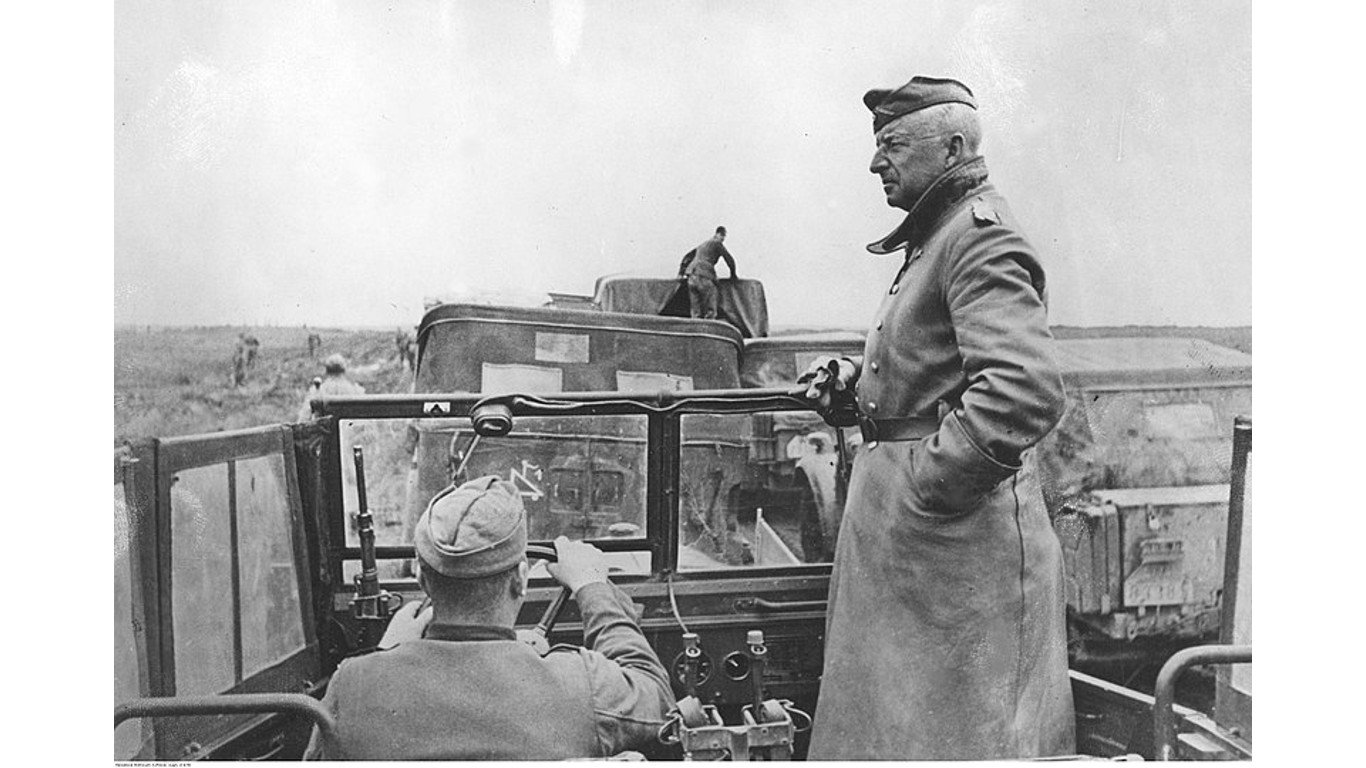
- Country: Germany
- Military branch: Army
- Highest rank held during WWII: Field Marshal
- Primary theater of war: Eastern Front
- Key campaign or battle: Crimean Campaign
- Command role: Army Group Commander
- Strategic strength: Operational strategy
- Historical significance: One of Germany’s most capable strategists
Manstein was widely regarded as one of Germany’s most capable strategists. He helped design the plan that enabled German forces to break through France in 1940 and later commanded major operations on the Eastern Front. His ability to organize counterattacks and manage complex battlefield situations made him one of Germany’s most respected commanders.
Heinz Guderian
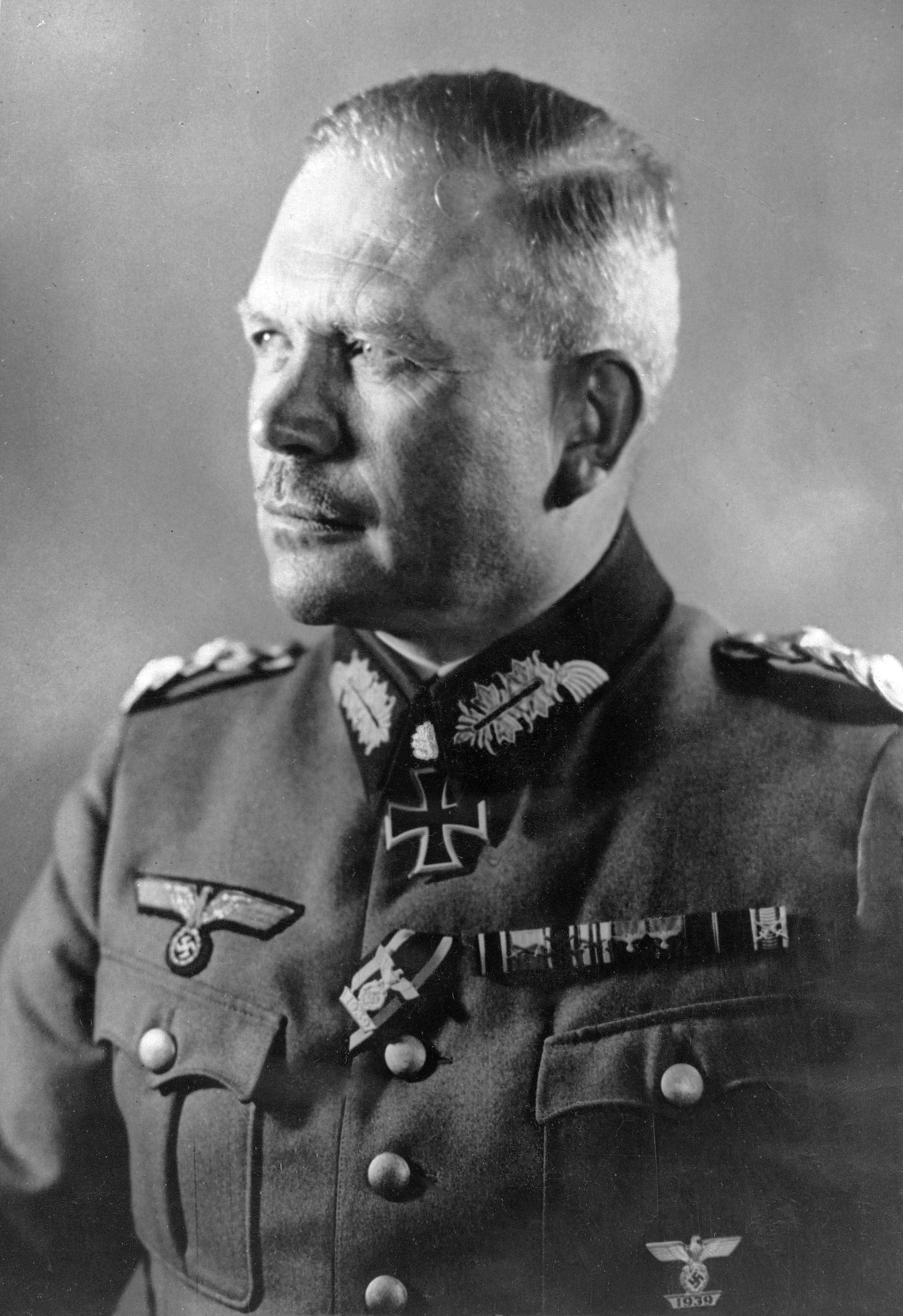
- Country: Germany
- Military branch: Army
- Highest rank held during WWII: General
- Primary theater of war: Eastern / Western Front
- Key campaign or battle: Blitzkrieg Campaigns
- Command role: Panzer Commander
- Strategic strength: Armored doctrine
- Historical significance: Pioneer of modern armored warfare
Guderian was a leading advocate of armored warfare and played a key role in developing Germany’s Blitzkrieg tactics. By concentrating tanks, mechanized infantry, and air support, he helped create fast-moving offensives that overwhelmed opponents early in the war. His influence extended beyond specific battles to the overall evolution of modern mechanized warfare.
Fedor von Bock
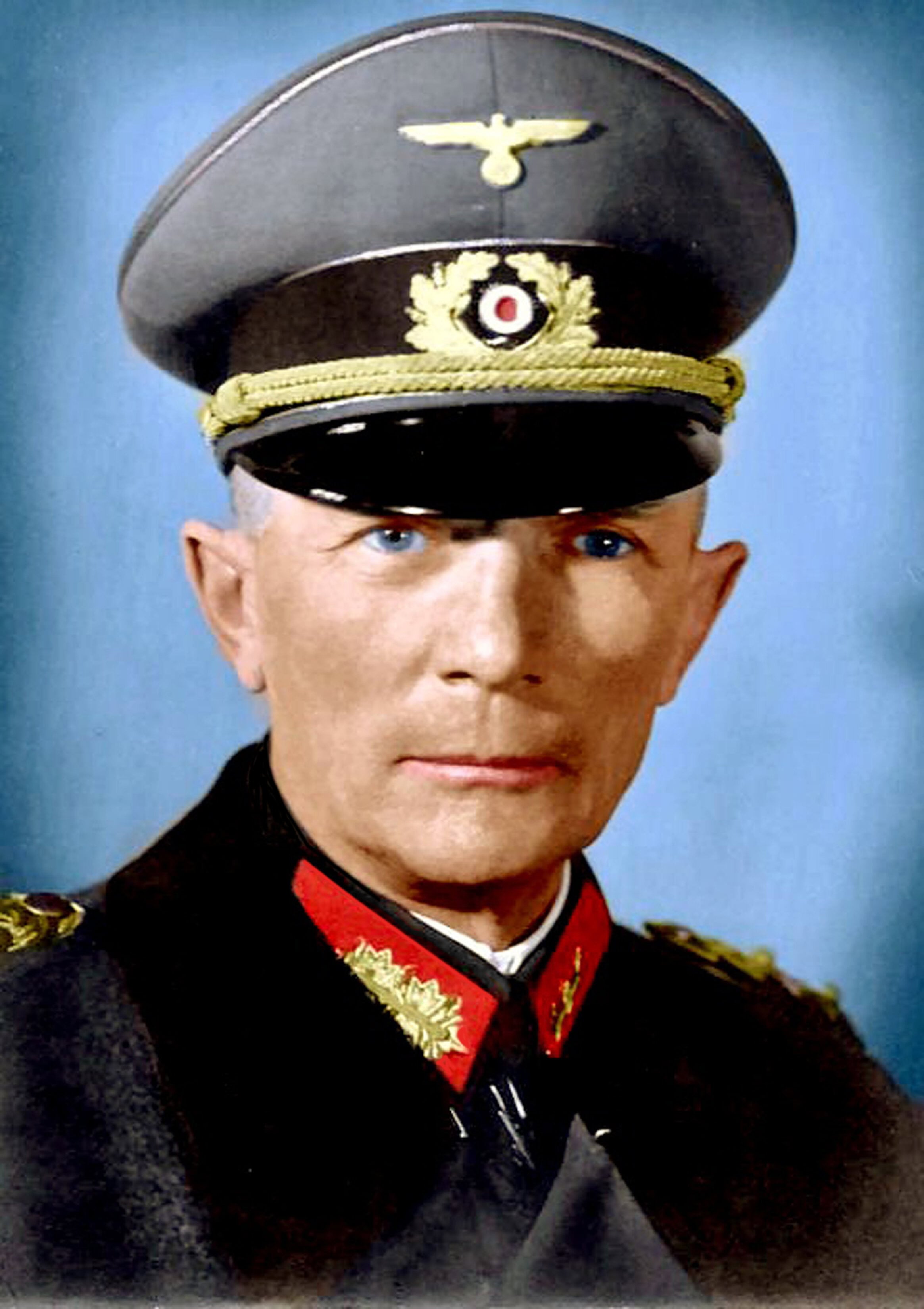
- Country: Germany
- Military branch: Army
- Highest rank held during WWII: Field Marshal
- Primary theater of war: Eastern Front
- Key campaign or battle: Operation Barbarossa
- Command role: Army Group Commander
- Strategic strength: Large-scale operations
- Historical significance: Led major German advances early in the war
Von Bock commanded major German army groups during the early stages of the invasion of the Soviet Union. His forces advanced deep into Soviet territory during Operation Barbarossa, contributing to some of Germany’s largest early successes. Although later setbacks halted these advances, his commands were central to the scale of Germany’s initial offensive.
Karl Dönitz
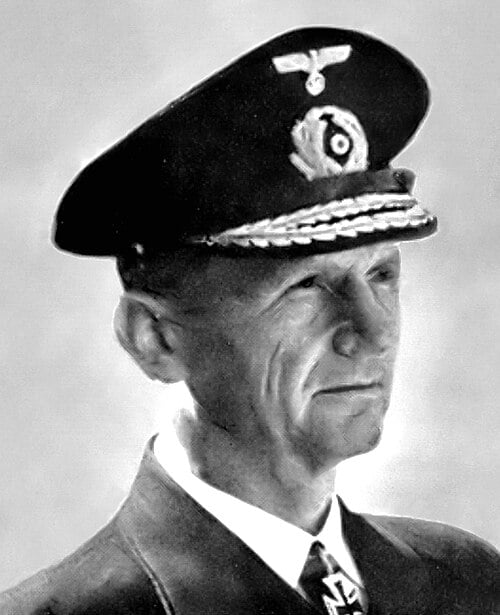
- Country: Germany
- Military branch: Navy
- Highest rank held during WWII: Grand Admiral
- Primary theater of war: Atlantic
- Key campaign or battle: Battle of the Atlantic
- Command role: U-boat Commander
- Strategic strength: Submarine warfare
- Historical significance: Directed Germany’s submarine campaign
Dönitz directed Germany’s submarine campaign in the Atlantic, attempting to cut off Allied shipping routes. Under his leadership, U-boats targeted convoys carrying supplies to Britain and other Allied forces. His strategy threatened vital supply lines for several years and forced the Allies to develop new technologies and tactics to counter submarine warfare.
Albert Kesselring
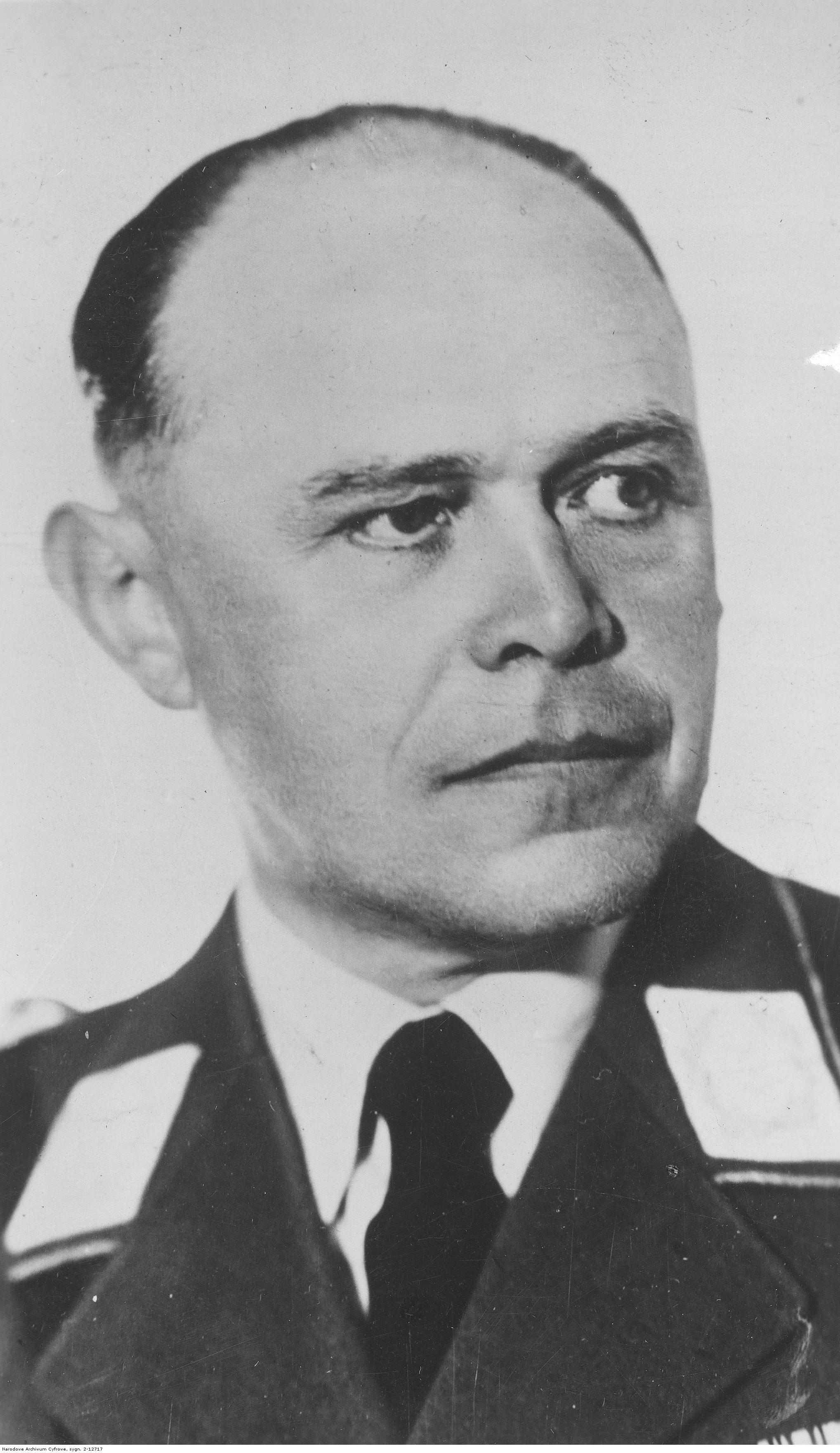
- Country: Germany
- Military branch: Air Force
- Highest rank held during WWII: Field Marshal
- Primary theater of war: Italy
- Key campaign or battle: Italian Campaign
- Command role: Theater Commander
- Strategic strength: Defensive warfare
- Historical significance: Directed Axis resistance in Italy
Kesselring oversaw German defenses in Italy, where Allied forces faced a long and difficult campaign. By organizing layered defensive positions and making effective use of terrain, he slowed the Allied advance significantly. His leadership demonstrated how defensive strategy could delay a stronger opponent and prolong resistance even when overall defeat was likely.
Isoroku Yamamoto
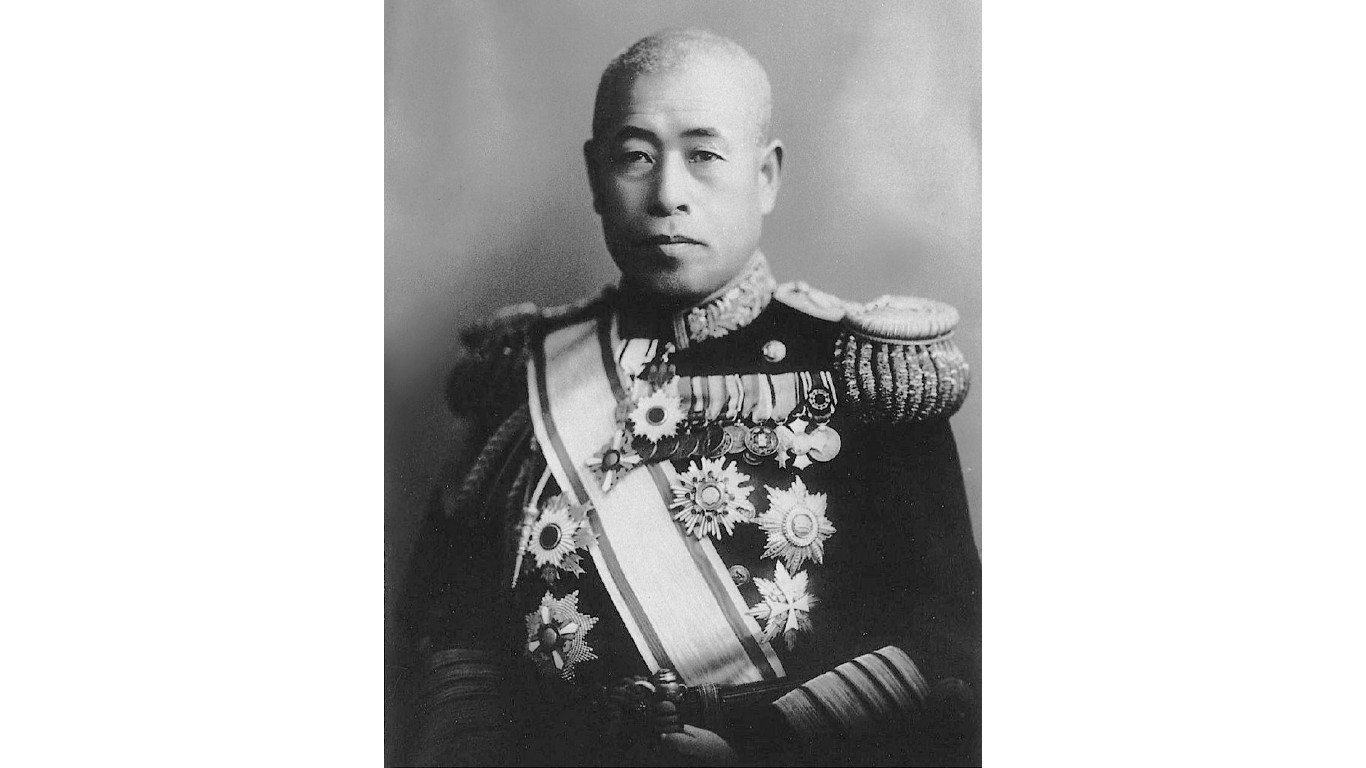
- Country: Japan
- Military branch: Navy
- Highest rank held during WWII: Admiral
- Primary theater of war: Pacific
- Key campaign or battle: Pearl Harbor
- Command role: Fleet Commander
- Strategic strength: Carrier warfare
- Historical significance: Architect of Japan’s early Pacific naval strategy
Yamamoto was the architect behind Japan’s early naval strategy in the Pacific. He planned the attack on Pearl Harbor and pushed for decisive carrier battles intended to weaken the United States quickly. Although later killed during the war, his early operations shaped the opening phase of the Pacific conflict and demonstrated the power of carrier aviation.
Tomoyuki Yamashita
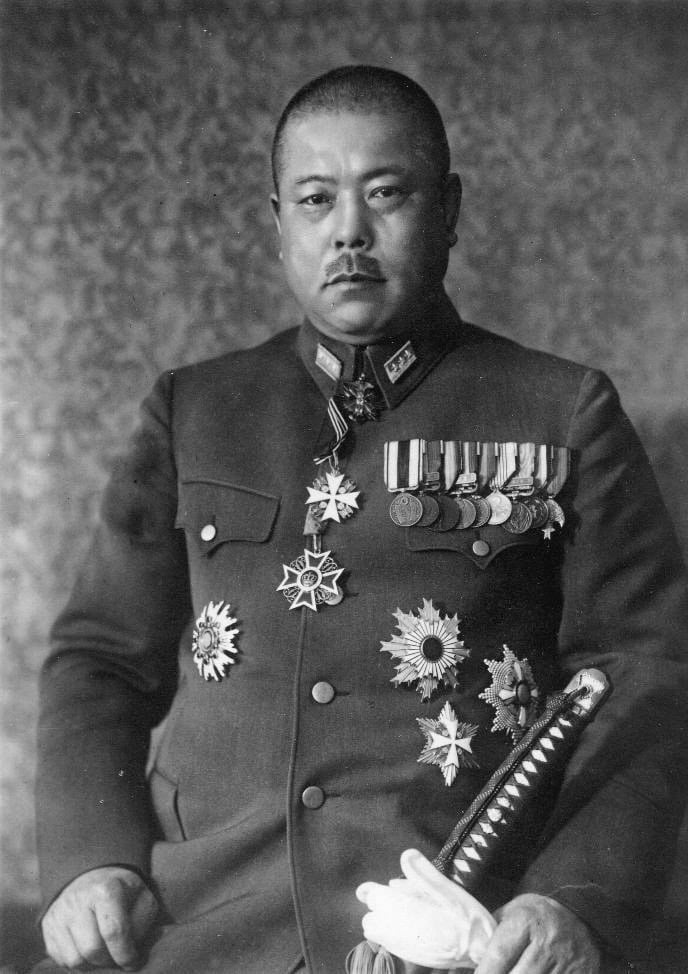
- Country: Japan
- Military branch: Army
- Highest rank held during WWII: General
- Primary theater of war: Southeast Asia
- Key campaign or battle: Malaya Campaign
- Command role: Army Commander
- Strategic strength: Rapid offensive
- Historical significance: Captured Singapore in a swift campaign
Yamashita earned international attention during the rapid Japanese conquest of Malaya and Singapore. Using bold maneuvers and psychological pressure, he forced the surrender of a much larger British-led force. His campaign highlighted how speed and coordination could overwhelm defenders and secure dramatic early victories for Japan in Southeast Asia.
Chuichi Nagumo
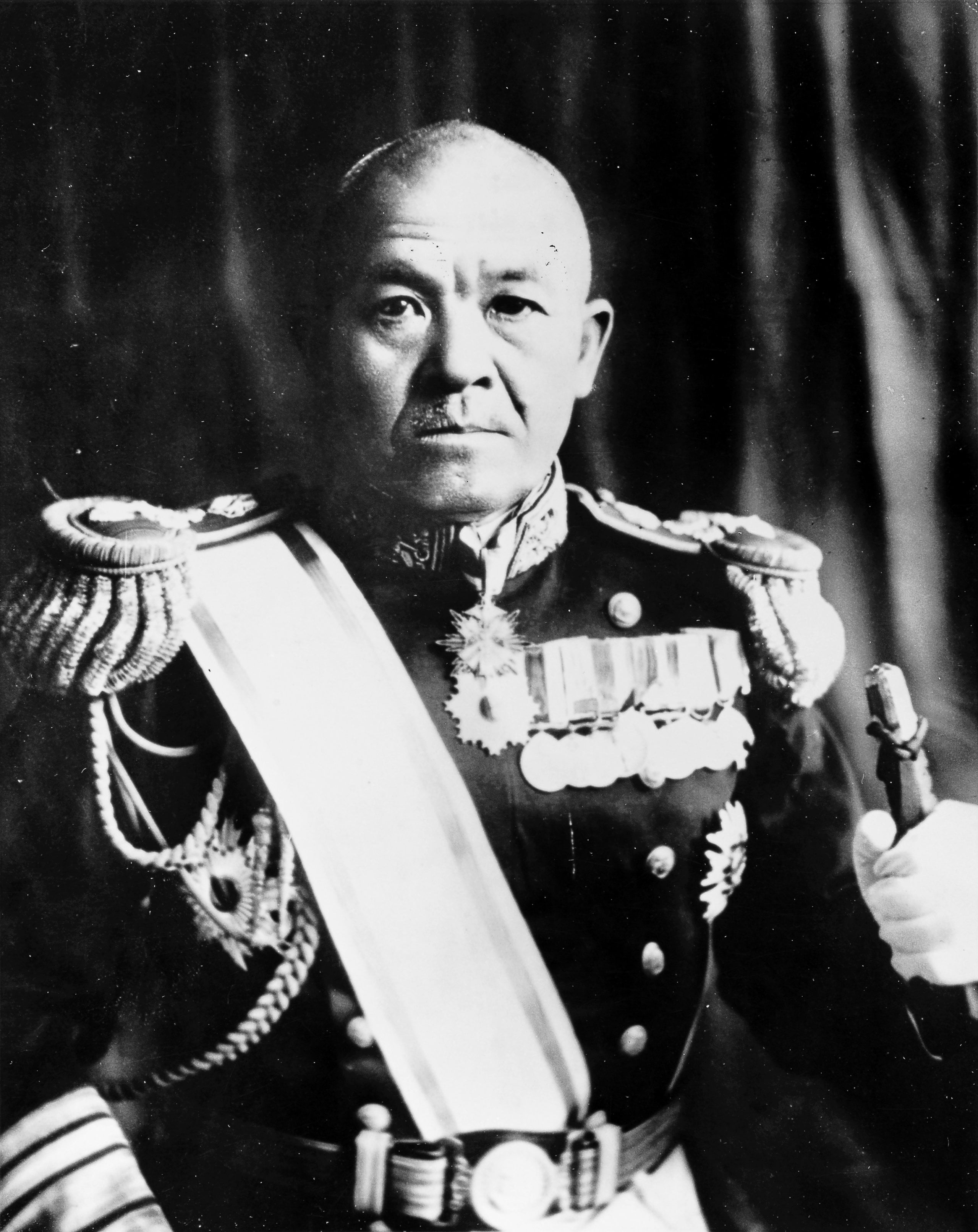
- Country: Japan
- Military branch: Navy
- Highest rank held during WWII: Admiral
- Primary theater of war: Pacific
- Key campaign or battle: Pearl Harbor / Midway
- Command role: Carrier Strike Commander
- Strategic strength: Carrier operations
- Historical significance: Led Japan’s early carrier attacks
Nagumo commanded Japan’s carrier strike force during the early stages of the war. His fleet carried out the attack on Pearl Harbor and several early offensives across the Pacific. Although later defeated at Midway, the operations he directed demonstrated how aircraft carriers had become the central weapon of modern naval warfare.
Hisaichi Terauchi
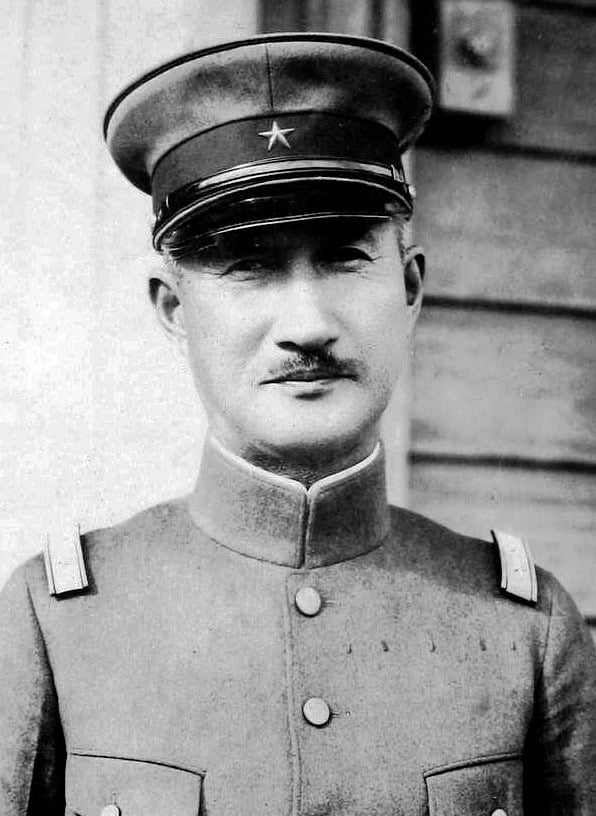
- Country: Japan
- Military branch: Army
- Highest rank held during WWII: Field Marshal
- Primary theater of war: Southeast Asia
- Key campaign or battle: Southern Expansion
- Command role: Theater Commander
- Strategic strength: Regional command
- Historical significance: Oversaw large Japanese forces in Asia
Terauchi commanded large Japanese forces across Southeast Asia during the war. His responsibilities included overseeing campaigns that expanded Japanese control across a vast region. Managing logistics, occupation forces, and ongoing operations made his command one of the largest in the Japanese military structure during the conflict.
Masaharu Homma
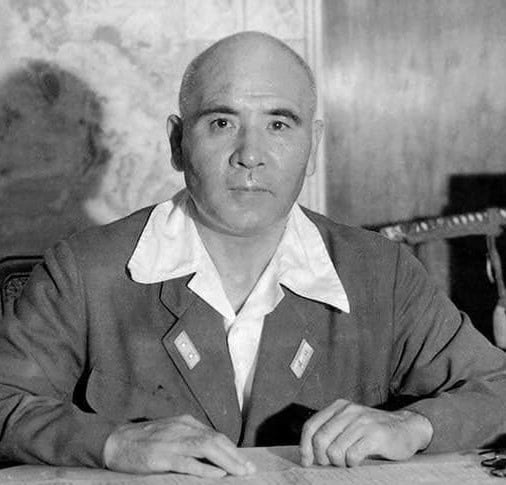
- Country: Japan
- Military branch: Army
- Highest rank held during WWII: General
- Primary theater of war: Philippines
- Key campaign or battle: Philippines Campaign
- Command role: Army Commander
- Strategic strength: Invasion planning
- Historical significance: Led Japanese invasion of the Philippines
Homma led Japanese forces during the invasion of the Philippines, defeating American and Filipino troops after intense fighting. His campaign helped secure Japanese control of the islands early in the war. The fall of the Philippines had major strategic consequences, forcing Allied forces to regroup and plan their eventual return later in the conflict.
Georg von Küchler
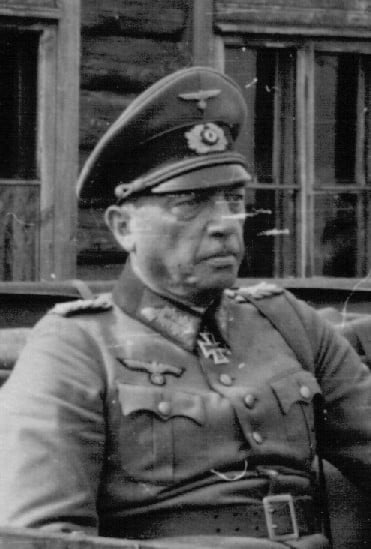
- Country: Germany
- Military branch: Army
- Highest rank held during WWII: Field Marshal
- Primary theater of war: Eastern Front
- Key campaign or battle: Siege of Leningrad
- Command role: Army Group Commander
- Strategic strength: Siege warfare
- Historical significance: Oversaw German operations in northern USSR
Von Küchler commanded German forces involved in the siege of Leningrad, one of the longest and most brutal operations of the war. His armies surrounded the city and attempted to starve it into submission. The campaign tied down large numbers of troops and became a defining episode of the Eastern Front.
Contact [email protected] for any questions or corrections.
Chris Lange is a financial and geopolitical writer with more than a decade of experience covering a myriad of topics. He has published thousands of articles for 24/7 Wall St., with past coverage focused heavily on stocks, IPOs, healthcare, defense, global affairs, and technology.
His work has been quoted, or referenced by a number of outlets including Business Insider, USA Today, Yahoo Finance, MSN, The Motley Fool, and many other publications. A graduate of Southwestern University, he studied business with a focus on investments and has previous experience in banking and startups.
When not reading or writing the news, he is following his passion for Lacrosse, playing chess, or building solar projects with his dad.