The Most Feared Tanks of the Second World War
World War II produced some of the most famous armored vehicles in military history. Tanks became a central part of how armies fought, and certain designs quickly gained reputations among soldiers who faced them in combat. Some were feared for…


World War II produced some of the most famous armored vehicles in military history. Tanks became a central part of how armies fought, and certain designs quickly gained reputations among soldiers who faced them in combat. Some were feared for their firepower, others for their armor or battlefield dominance. Here, 24/7 Wall St. is taking a closer look at the tanks that helped define armored warfare and became some of the most intimidating vehicles of the war.
To identify the most feared tanks of World War II, 24/7 Wall St. reviewed various historical and military sources. We included supplemental information for these tanks regarding the country of origin, main gun, armor, top speed, and its reputation on the battlefield.
Here is a look at the most feared tanks of World War II:
Why Are We Covering This?
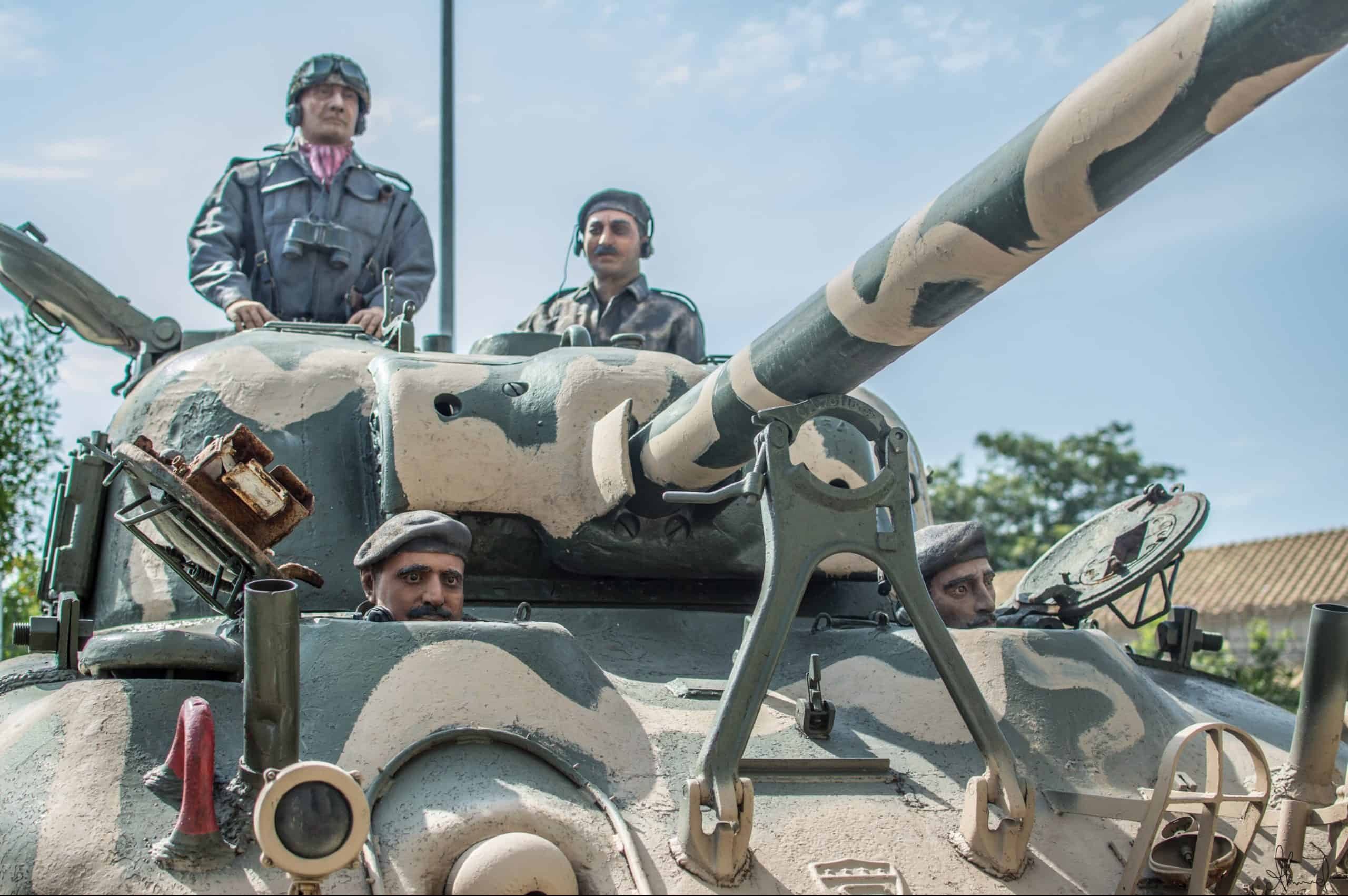
Understanding which tanks were most feared during World War II helps explain how armored warfare shaped the conflict. Tanks were often the spearhead of major offensives and played a decisive role in battles across Europe, North Africa, and the Pacific. Some vehicles gained reputations for their firepower, armor, or sheer presence on the battlefield. Examining these tanks reveals how technology, production, and battlefield experience combined to influence the outcome of the war.
The Rise of Armored Warfare

World War II changed how wars were fought on land, and tanks quickly became one of the most important weapons on the battlefield. Armored vehicles were used to break through defensive lines, support infantry, and spearhead major offensives. As the war progressed, certain tanks gained reputations that spread quickly among soldiers who had to face them in combat.
More Than Just Firepower
What made a tank feared was not only its gun or armor. Reputation played a major role. Some vehicles became legendary because they were difficult to destroy, while others appeared in overwhelming numbers. In many cases, the psychological impact of encountering these machines could be just as powerful as their actual battlefield performance.
Different Designs, Different Doctrines
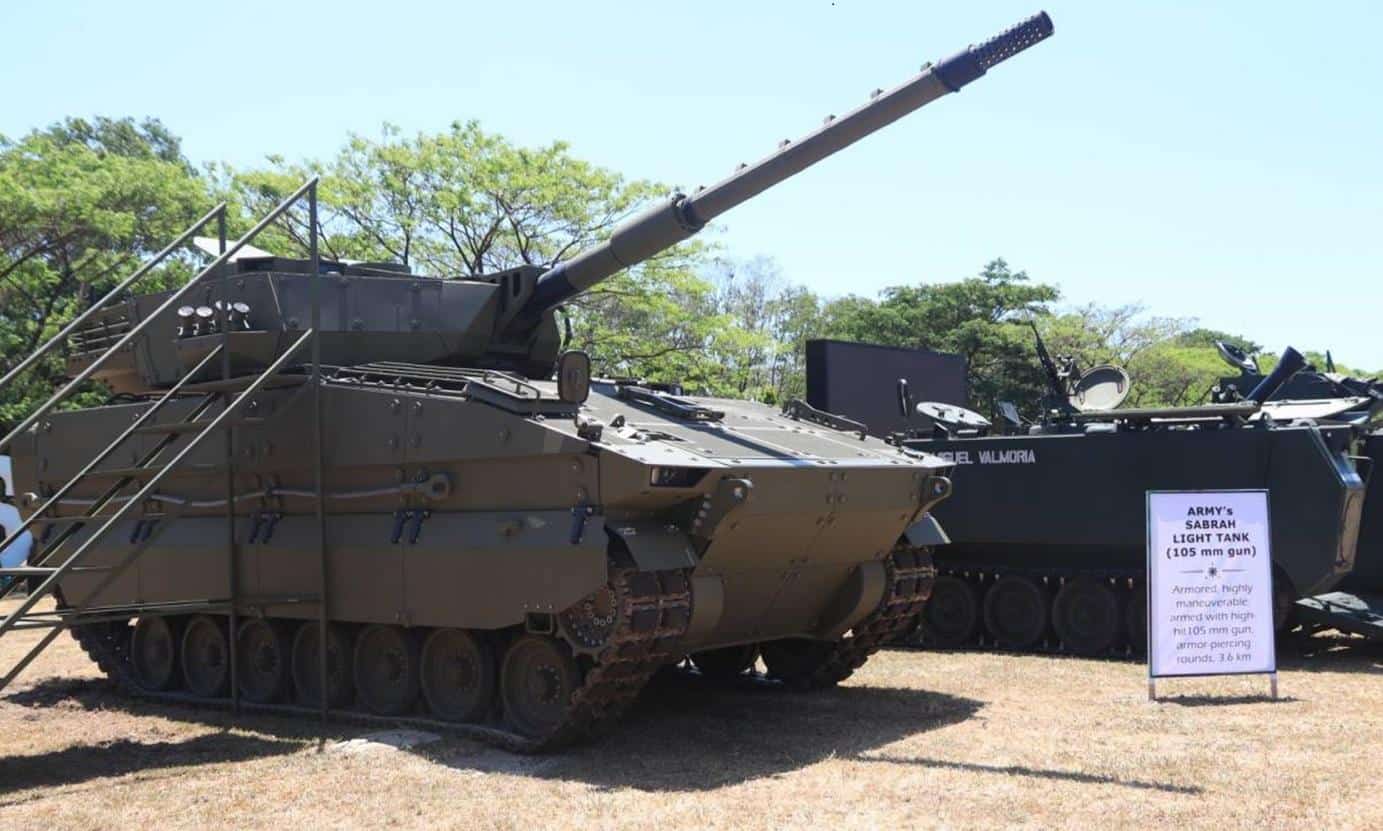
Each nation approached tank design differently. Germany focused on powerful guns and thick armor. The Soviet Union emphasized mobility and mass production. The United States prioritized reliability and large-scale manufacturing. These decisions shaped how tanks were used and how enemy forces learned to respond to them.
Battlefields That Defined Their Reputation

From the deserts of North Africa to the forests of the Eastern Front and the towns of Western Europe, tanks faced very different combat conditions. Terrain, weather, and tactics all influenced how effective these machines were. Many tanks earned their feared reputations during specific campaigns where they proved especially dangerous.
Machines That Shaped the War
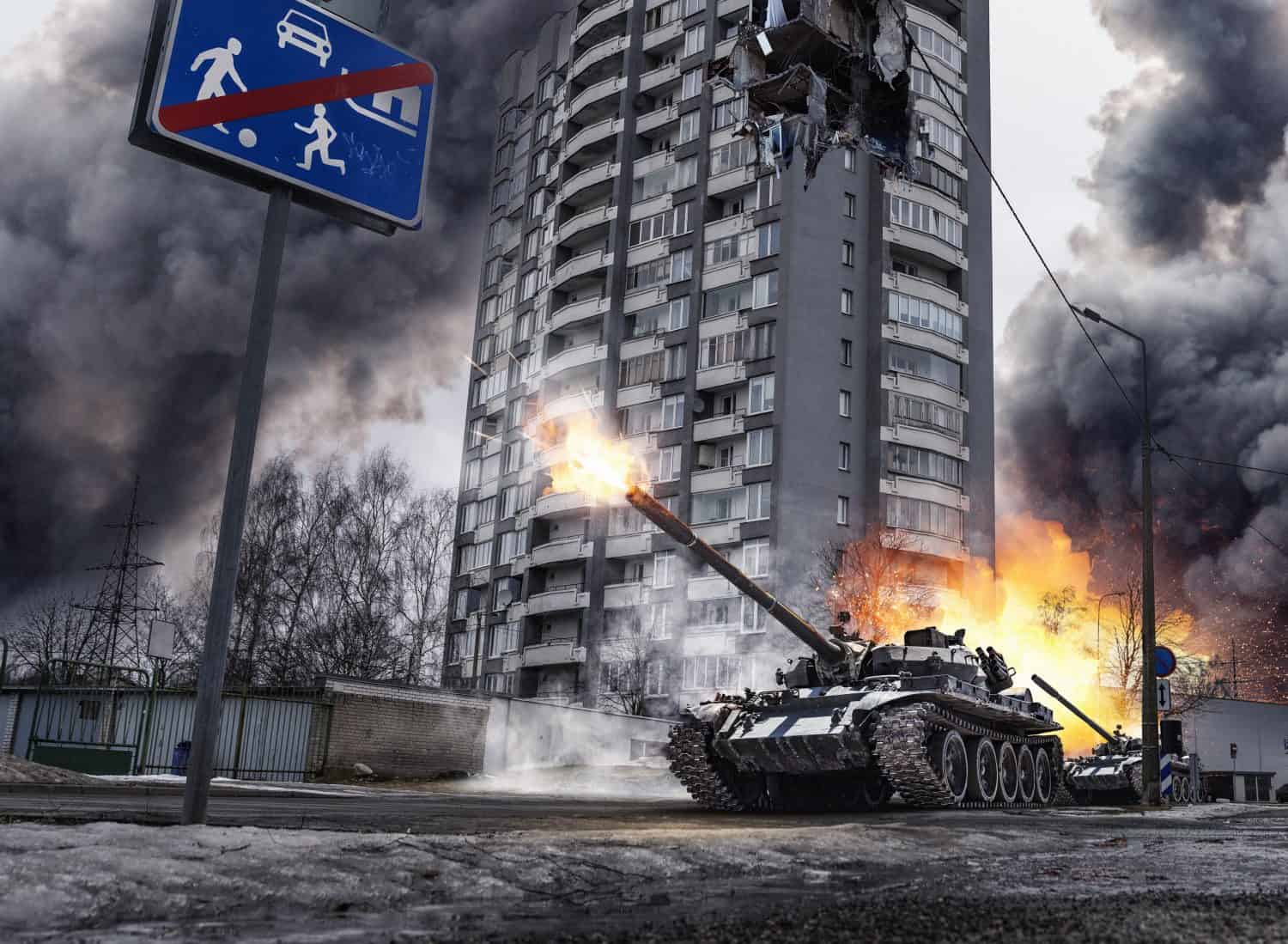
Some tanks became symbols of the armies that fielded them. Their designs influenced later generations of armored vehicles and helped define how modern armored warfare developed. Looking back at the tanks that were most feared during the war offers a clearer picture of how armored combat evolved during one of history’s largest conflicts.
Tiger I

- Country of origin: Germany
- Tank Type: Heavy Tank
- Year introduced to service: 1942
- Main gun: 88mm
- Armor (Max): 100mm
- Top speed: 38 km/h
- Battlefield reputation: Heavy armor and lethal gun
- Primary theater: Eastern Front
The Tiger I quickly developed a reputation as one of the most feared tanks of World War II. Its thick armor and powerful 88mm gun allowed it to destroy enemy tanks at long distances while remaining difficult to penetrate. Allied crews often reported needing multiple vehicles or air support to defeat a single Tiger.
Tiger II (King Tiger)
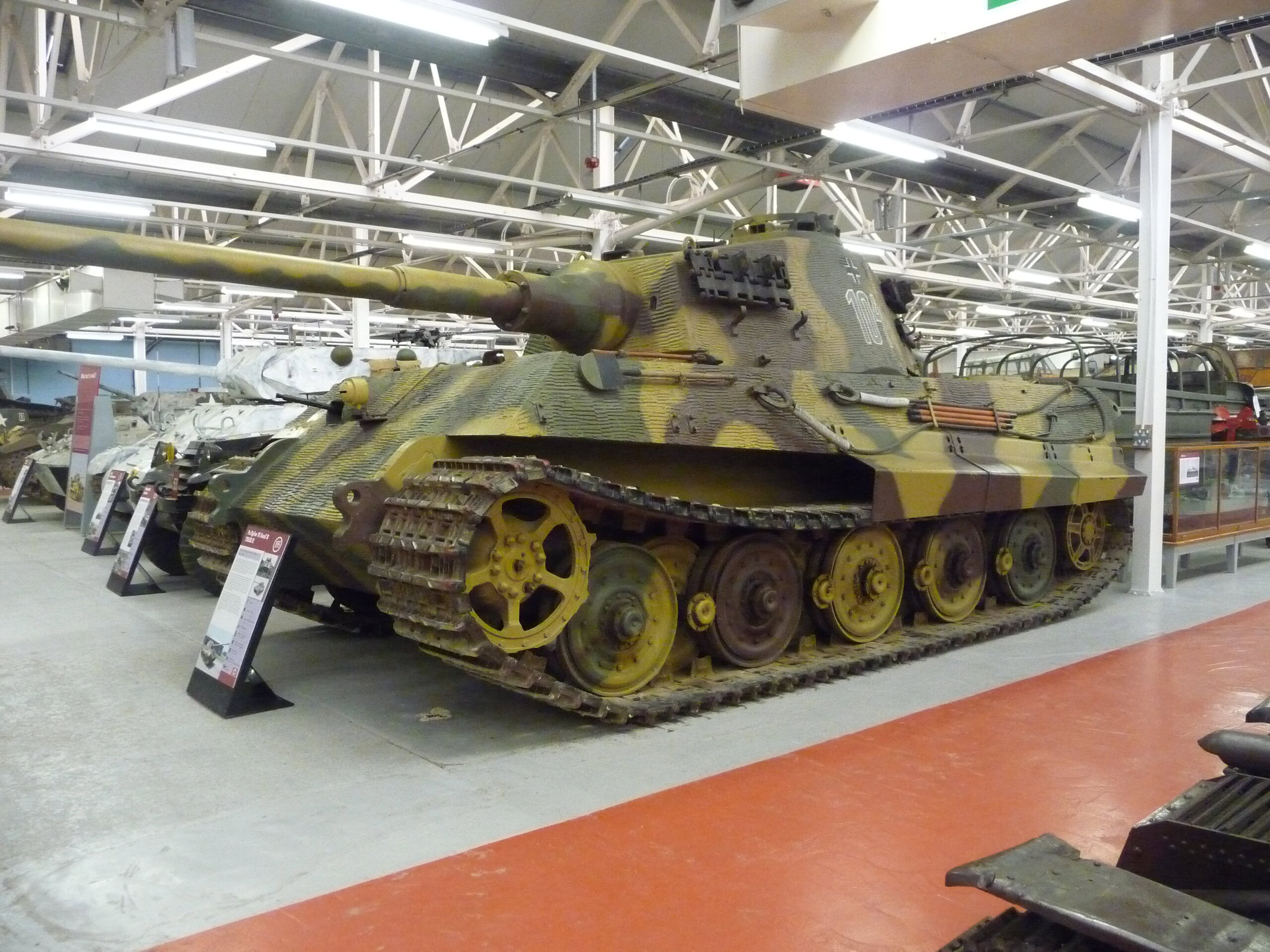
- Country of origin: Germany
- Tank Type: Heavy Tank
- Year introduced to service: 1944
- Main gun: 88mm L/71
- Armor (Max): 185mm
- Top speed: 41 km/h
- Battlefield reputation: Nearly unstoppable frontal armor
- Primary theater: Eastern Front
The Tiger II, often called the King Tiger, combined extremely thick armor with a devastating long-barreled 88mm gun. On the battlefield it could destroy enemy armor at long range while remaining difficult to stop from the front. Although mechanical issues limited its numbers, its presence often alarmed opposing tank crews.
Panther
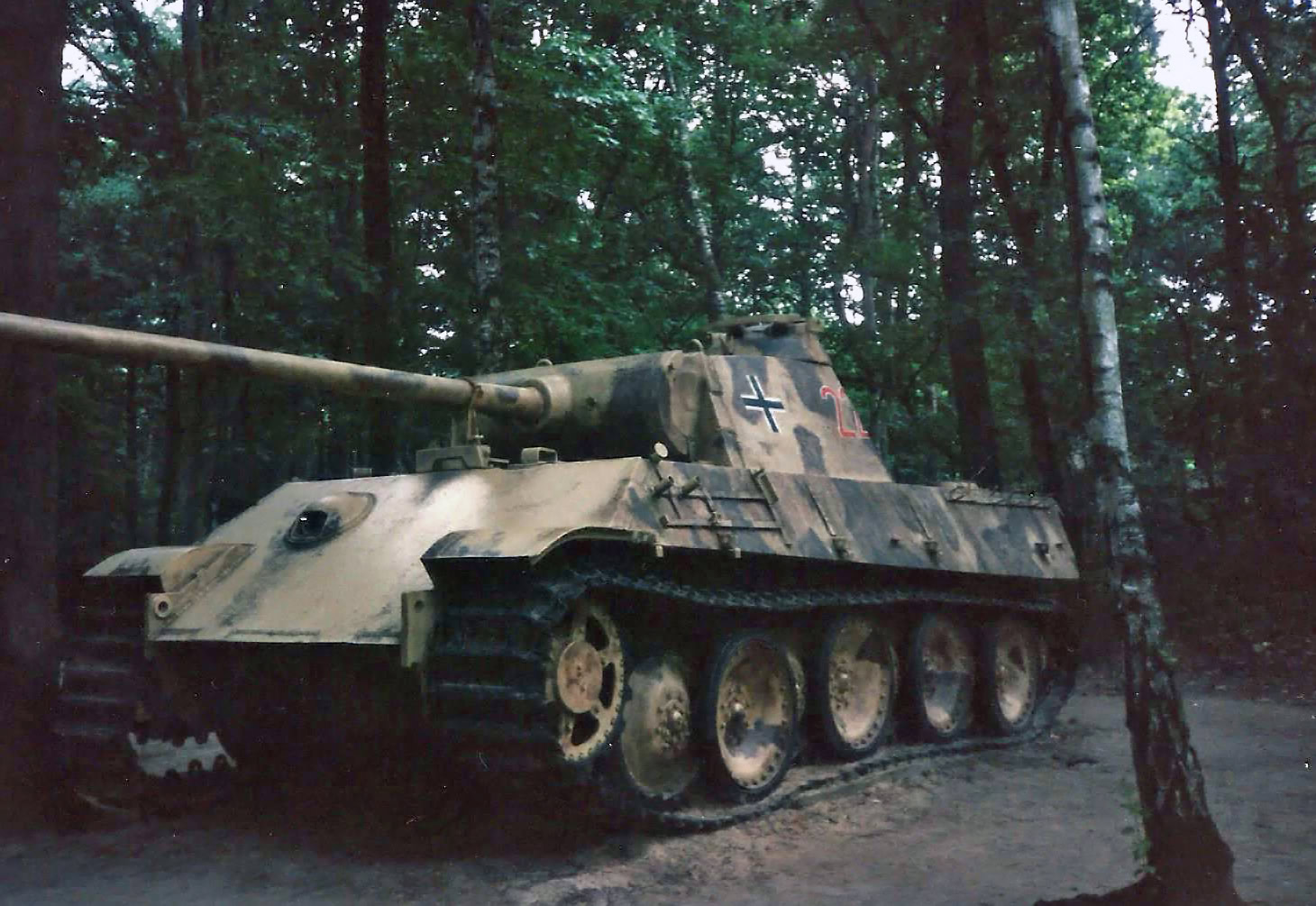
- Country of origin: Germany
- Tank Type: Medium Tank
- Year introduced to service: 1943
- Main gun: 75mm L/70
- Armor (Max): 80mm
- Top speed: 46 km/h
- Battlefield reputation: Deadly long-range gun
- Primary theater: Eastern Front
The Panther was designed after Germany encountered the Soviet T‑34 and needed a tank capable of matching its mobility and firepower. Equipped with a high‑velocity gun and well‑sloped armor, it became one of the most dangerous tanks of the war. Allied crews respected its ability to destroy targets at long range.
Panzer IV
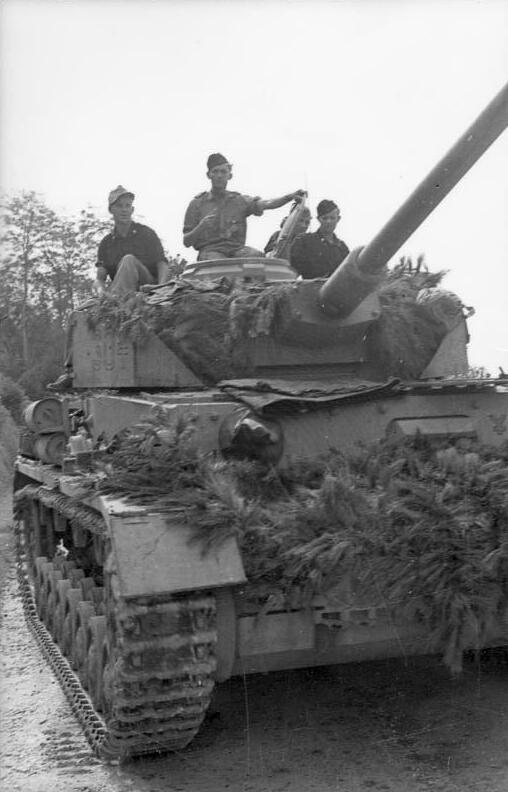
- Country of origin: Germany
- Tank Type: Medium Tank
- Year introduced to service: 1939
- Main gun: 75mm
- Armor (Max): 80mm
- Top speed: 42 km/h
- Battlefield reputation: Backbone of German armor
- Primary theater: Multiple Fronts
The Panzer IV served as the backbone of German armored forces for most of the war. As the conflict progressed it was upgraded with stronger armor and a more powerful gun. Its wide deployment meant that Allied soldiers encountered it frequently across multiple theaters of war.
StuG III
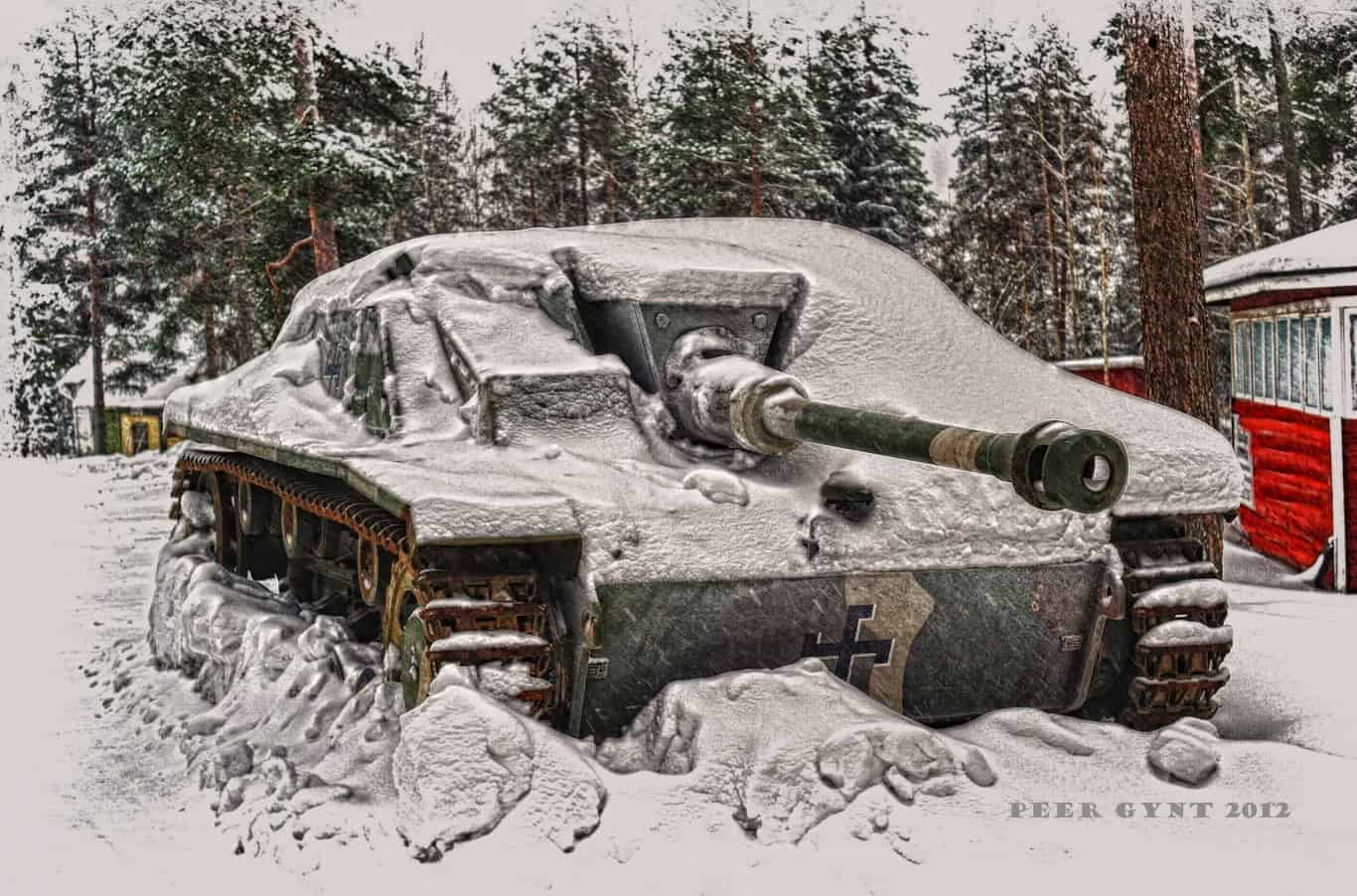
- Country of origin: Germany
- Tank Type: Assault Gun
- Year introduced to service: 1940
- Main gun: 75mm
- Armor (Max): 80mm
- Top speed: 40 km/h
- Battlefield reputation: Low profile tank killer
- Primary theater: Eastern Front
The StuG III began as an assault gun but evolved into one of Germany’s most effective armored fighting vehicles. Its low profile made it difficult to spot, and its powerful gun allowed it to destroy enemy tanks from concealed positions. Large production numbers ensured it appeared often on the battlefield.
Elefant / Ferdinand
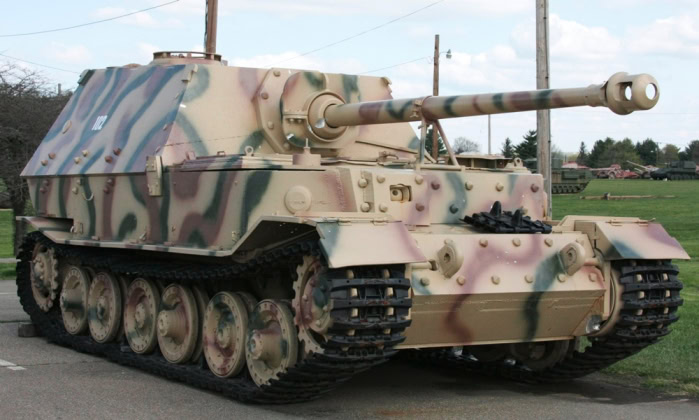
- Country of origin: Germany
- Tank Type: Tank Destroyer
- Year introduced to service: 1943
- Main gun: 88mm
- Armor (Max): 200mm
- Top speed: 30 km/h
- Battlefield reputation: Extreme armor and gun
- Primary theater: Eastern Front
The Elefant, originally known as the Ferdinand, carried one of the most powerful anti‑tank guns of the war and extremely thick armor. On open battlefields it could destroy enemy armor at great distances. However, its heavy weight and lack of mobility also limited its effectiveness in some situations.
T-34

- Country of origin: Soviet Union
- Tank Type: Medium Tank
- Year introduced to service: 1940
- Main gun: 76.2mm
- Armor (Max): 45mm
- Top speed: 53 km/h
- Battlefield reputation: Shock to German forces
- Primary theater: Eastern Front
When German forces first encountered the T‑34 in 1941, it came as a major shock. Sloped armor, good mobility, and a capable gun made it far more advanced than many tanks then in service. Combined with mass production, the T‑34 became one of the most influential armored vehicles of the war.
T-34-85
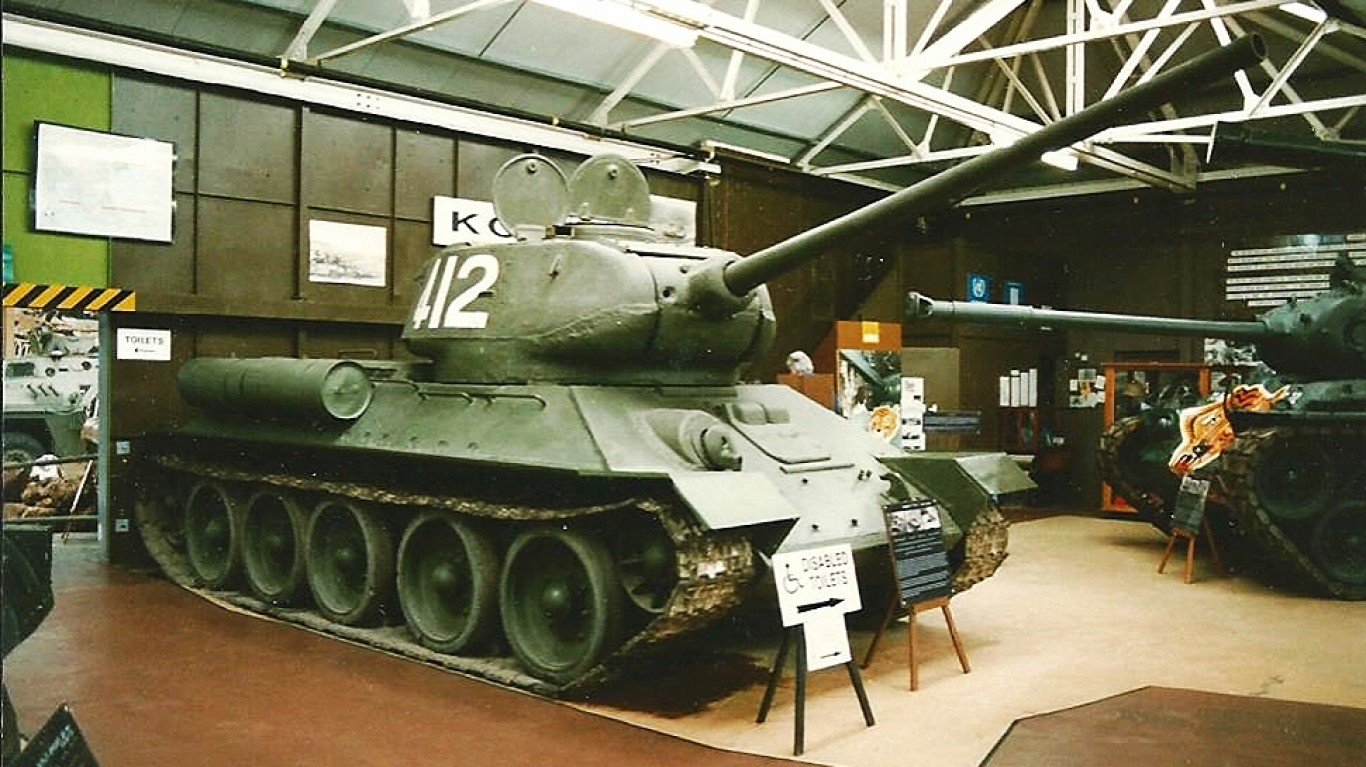
- Country of origin: Soviet Union
- Tank Type: Medium Tank
- Year introduced to service: 1944
- Main gun: 85mm
- Armor (Max): 45mm
- Top speed: 55 km/h
- Battlefield reputation: Improved anti-tank capability
- Primary theater: Eastern Front
The T‑34‑85 improved on the earlier T‑34 by mounting a larger gun capable of defeating newer German tanks. It also featured a redesigned turret that improved crew effectiveness. Appearing in large numbers during the later stages of the war, it played a major role in Soviet offensives across Eastern Europe.
KV-1
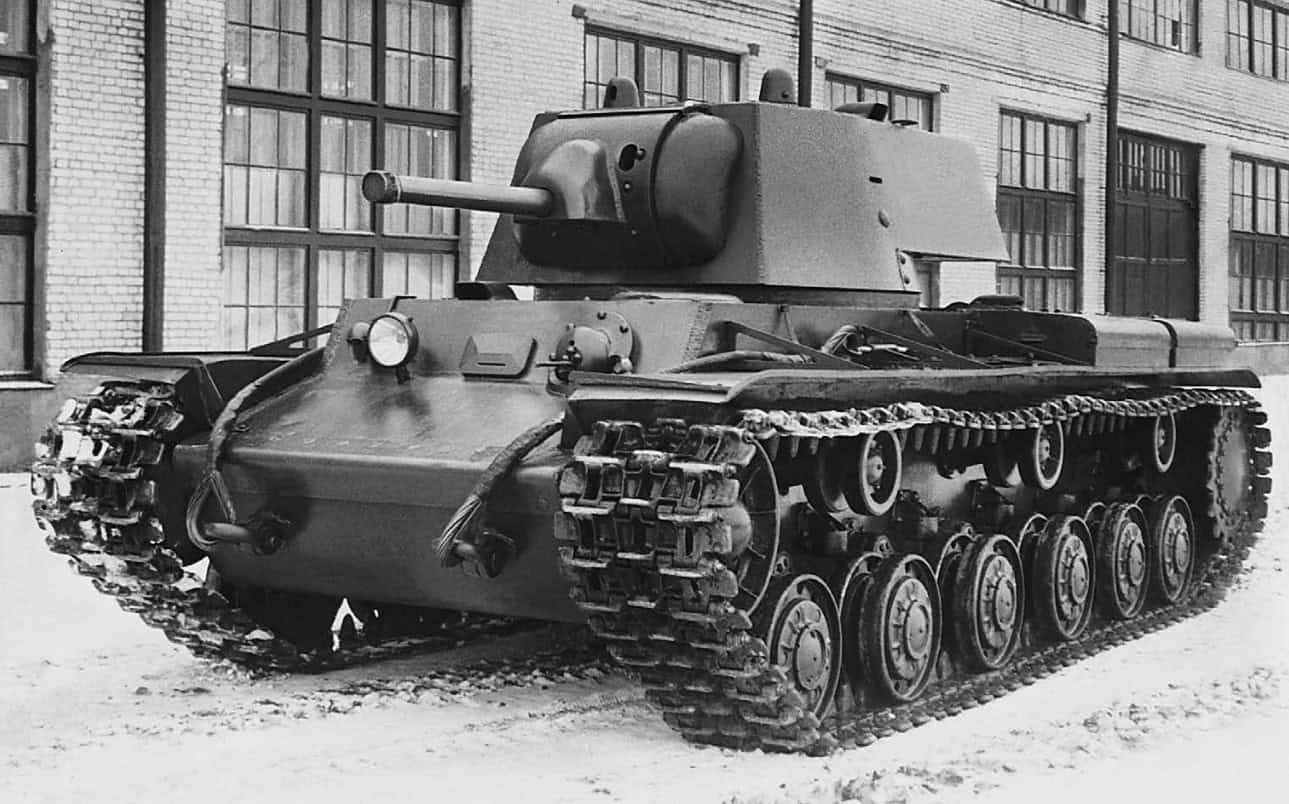
- Country of origin: Soviet Union
- Tank Type: Heavy Tank
- Year introduced to service: 1940
- Main gun: 76mm
- Armor (Max): 90mm
- Top speed: 35 km/h
- Battlefield reputation: Nearly invulnerable early war
- Primary theater: Eastern Front
Early in the war the KV‑1 gained a reputation for armor that many German weapons struggled to penetrate. Some engagements required artillery or specialized weapons to defeat it. Although later German tanks surpassed it, the KV‑1’s early battlefield performance made it a formidable opponent.
IS-2
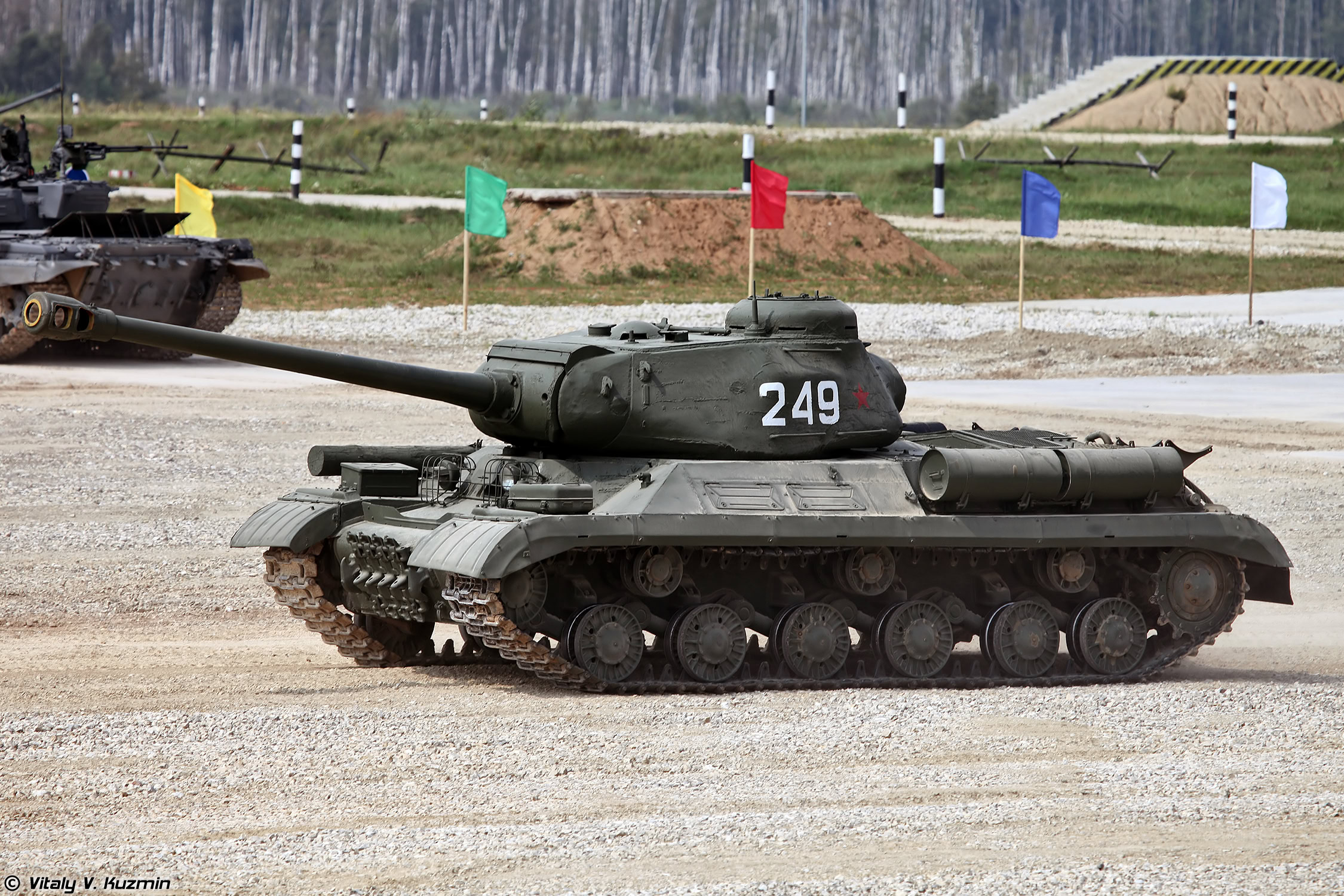
- Country of origin: Soviet Union
- Tank Type: Heavy Tank
- Year introduced to service: 1944
- Main gun: 122mm
- Armor (Max): 120mm
- Top speed: 37 km/h
- Battlefield reputation: Massive gun vs German armor
- Primary theater: Eastern Front
The IS‑2 heavy tank was designed to confront Germany’s most powerful armored vehicles. Armed with a massive 122mm gun, it could destroy tanks and fortified positions alike. Its thick armor and powerful weapon made it one of the most intimidating Soviet tanks of the later war years.
SU-100
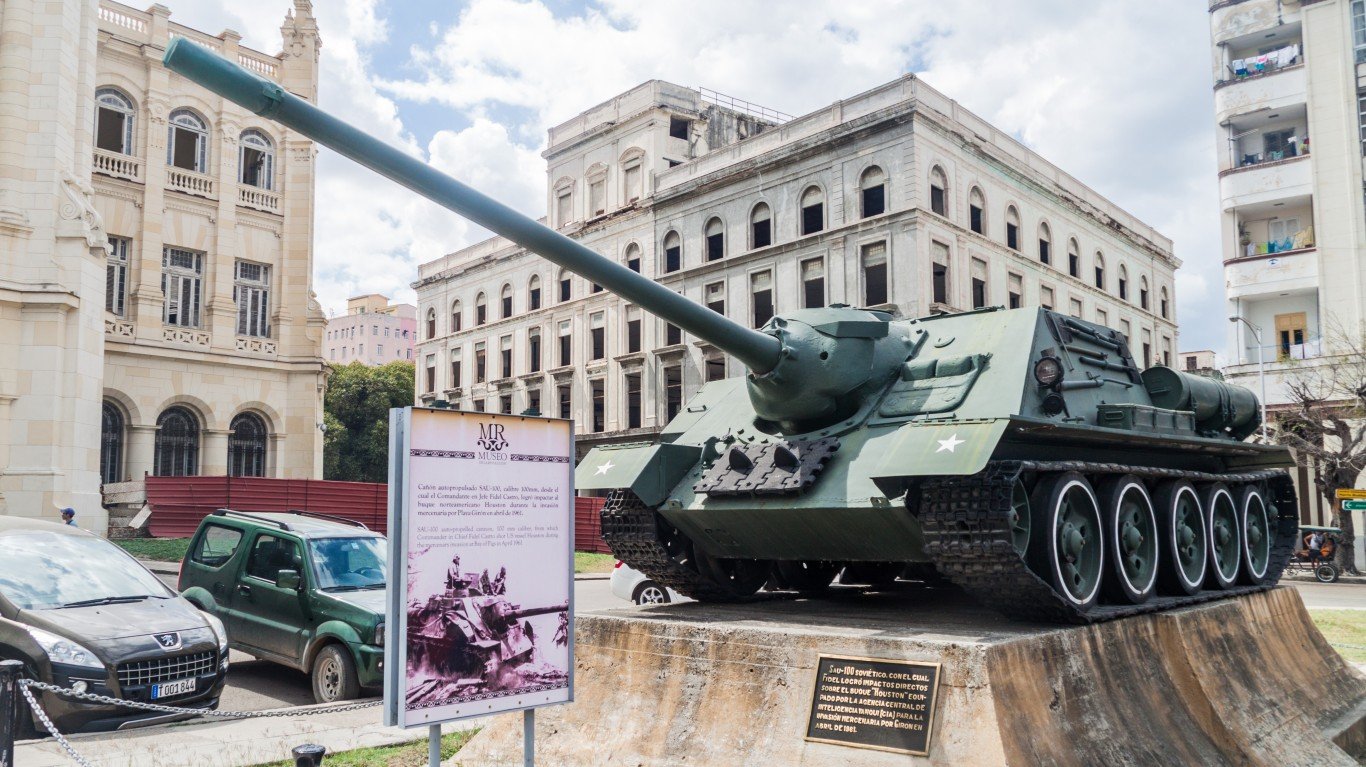
- Country of origin: Soviet Union
- Tank Type: Tank Destroyer
- Year introduced to service: 1944
- Main gun: 100mm
- Armor (Max): 75mm
- Top speed: 48 km/h
- Battlefield reputation: Effective Panther killer
- Primary theater: Eastern Front
The SU‑100 was a Soviet tank destroyer built specifically to defeat advanced German armor. Its powerful gun could penetrate vehicles such as the Panther at significant distances. With a relatively low silhouette and solid mobility, it became a dangerous threat to German tanks in the final stages of the war.
M4 Sherman
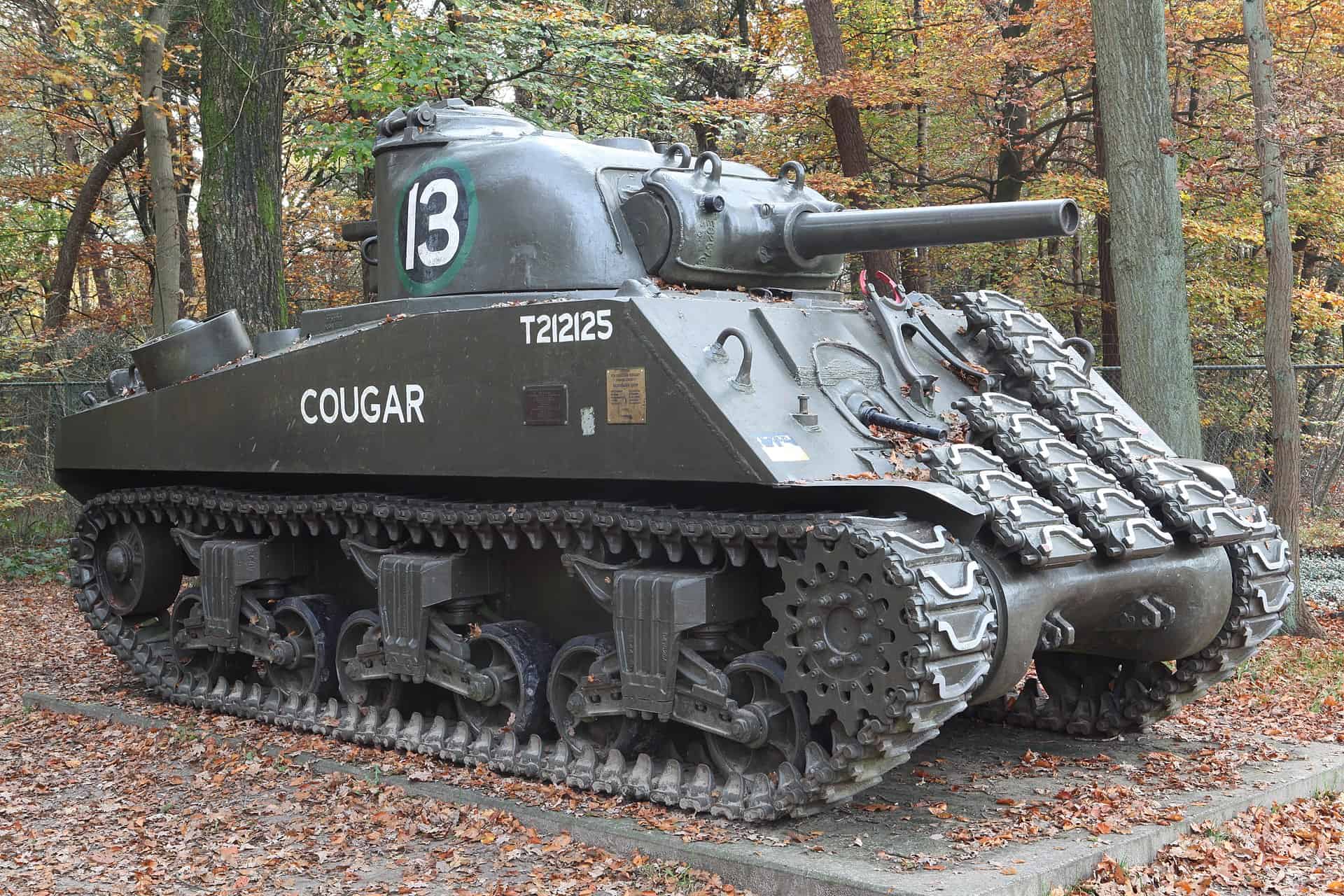
- Country of origin: United States
- Tank Type: Medium Tank
- Year introduced to service: 1942
- Main gun: 75mm
- Armor (Max): 75mm
- Top speed: 48 km/h
- Battlefield reputation: Numbers and reliability
- Primary theater: Western Europe
The M4 Sherman became the main tank of American and Allied forces during World War II. While not always superior in armor or firepower, its reliability and large production numbers allowed Allied armies to maintain constant armored pressure. On the battlefield it often appeared in overwhelming numbers.
M4A3E8 Sherman
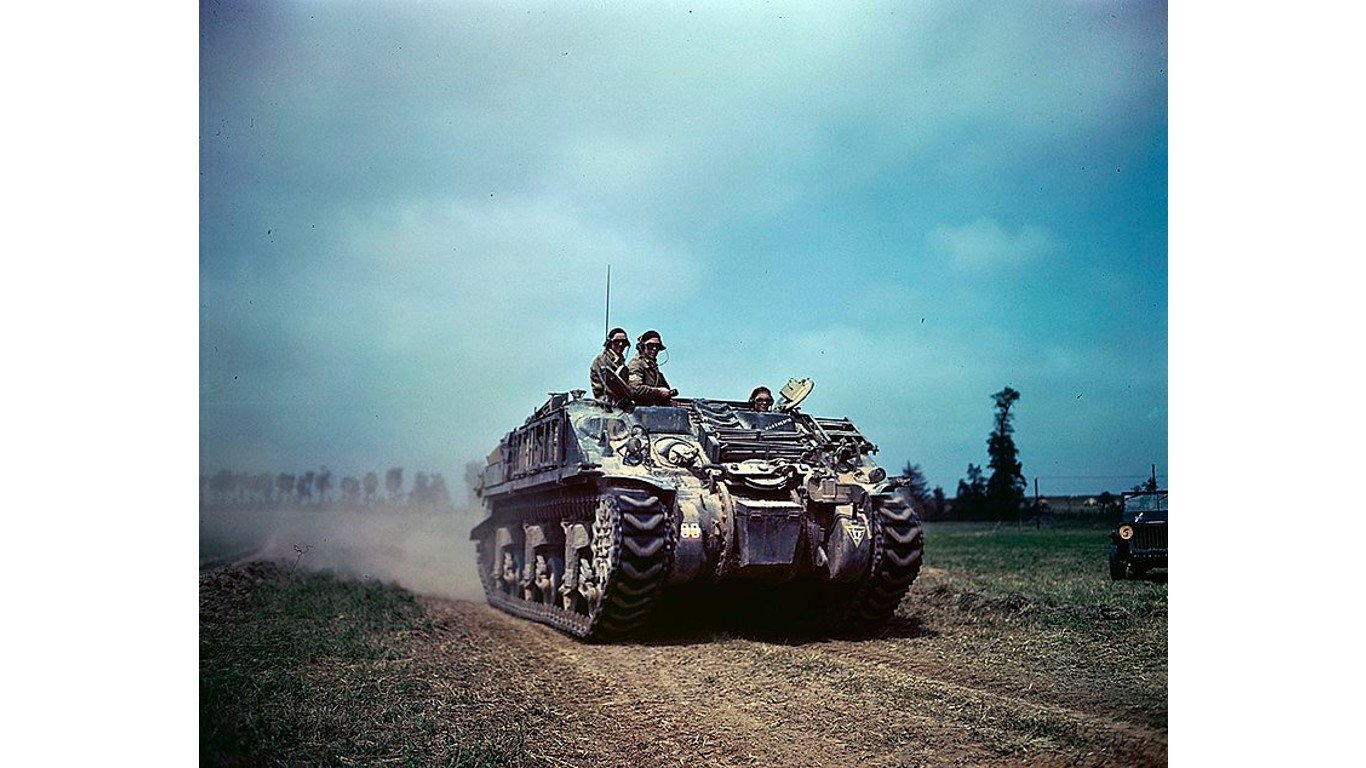
- Country of origin: United States
- Tank Type: Medium Tank
- Year introduced to service: 1944
- Main gun: 76mm
- Armor (Max): 63mm
- Top speed: 48 km/h
- Battlefield reputation: Improved mobility and gun
- Primary theater: Western Europe
The M4A3E8 Sherman, often called the Easy Eight, improved on earlier Sherman designs with better suspension and a more capable gun. These upgrades enhanced both mobility and combat effectiveness. In late‑war battles it gave Allied tank crews a better chance against advanced German armor.
M18 Hellcat
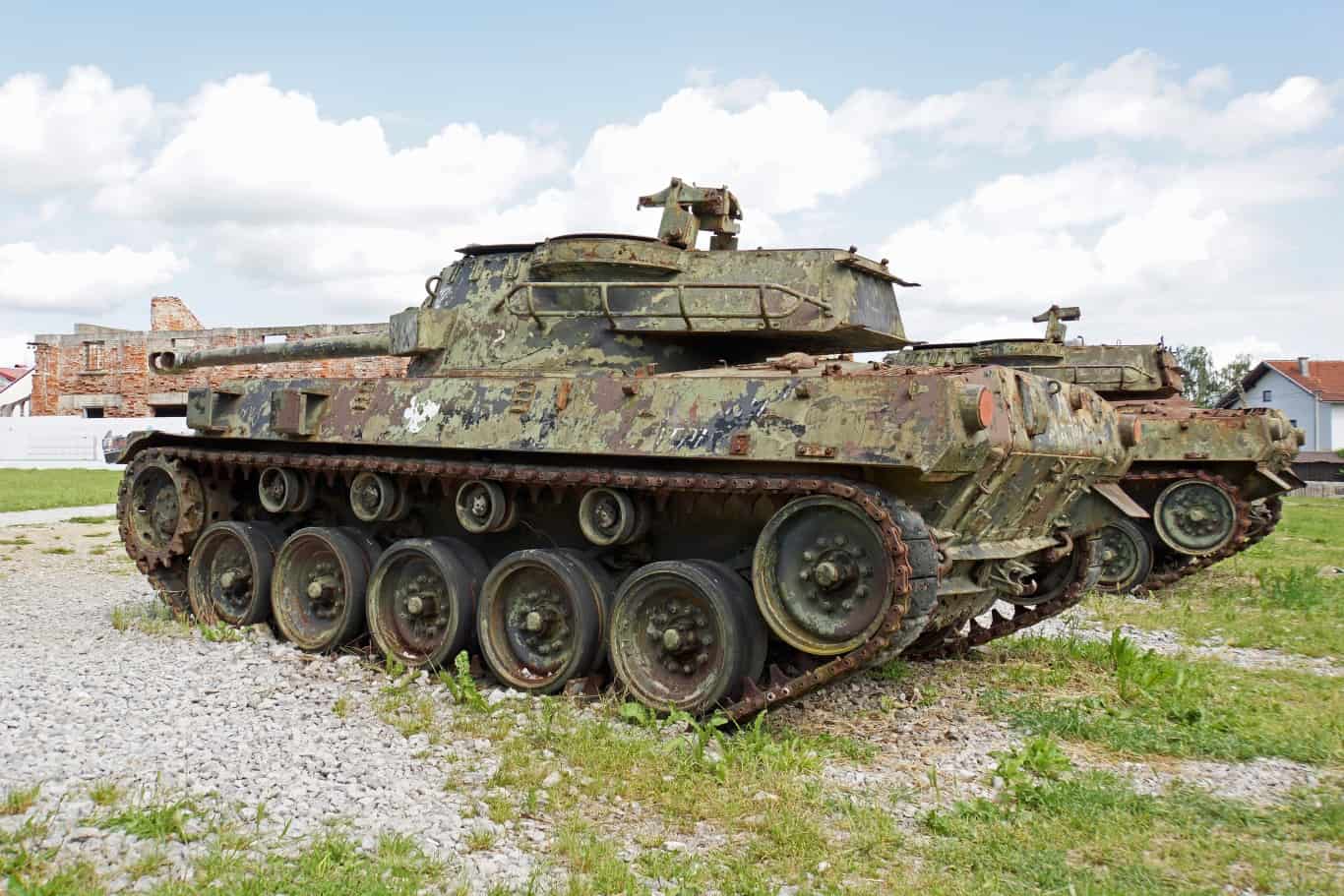
- Country of origin: United States
- Tank Type: Tank Destroyer
- Year introduced to service: 1943
- Main gun: 76mm
- Armor (Max): 25mm
- Top speed: 89 km/h
- Battlefield reputation: Fastest tank destroyer
- Primary theater: Western Europe
The M18 Hellcat was designed around speed. Capable of extremely high road speeds for an armored vehicle, it allowed American crews to reposition quickly and engage enemy tanks from advantageous positions. Its mobility made it a dangerous hunter despite relatively light armor.
M36 Jackson
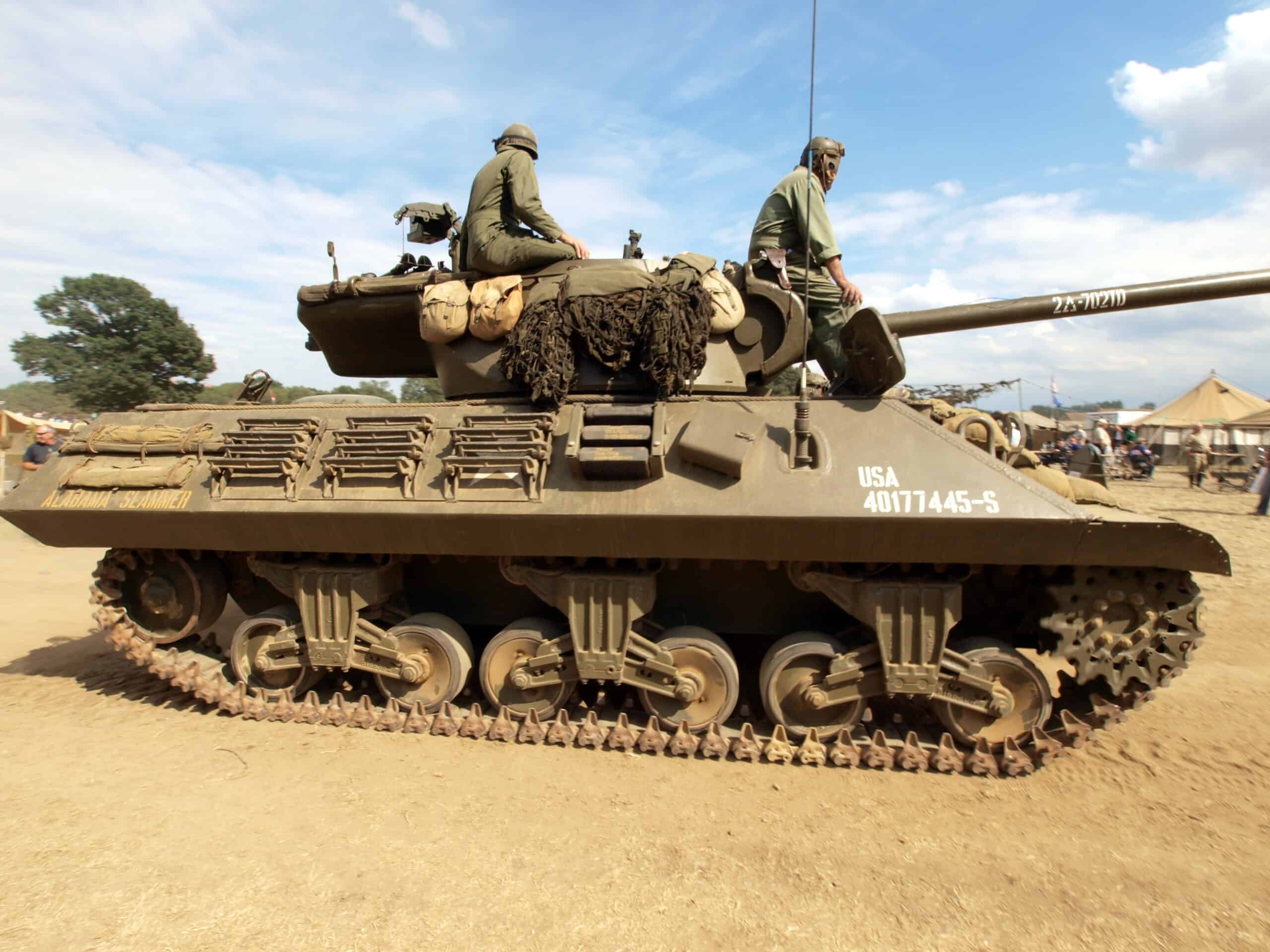
- Country of origin: United States
- Tank Type: Tank Destroyer
- Year introduced to service: 1944
- Main gun: 90mm
- Armor (Max): 108mm
- Top speed: 42 km/h
- Battlefield reputation: Powerful anti-tank gun
- Primary theater: Western Europe
The M36 Jackson addressed the need for stronger anti‑tank firepower among American forces. Its 90mm gun allowed crews to engage heavy German tanks more effectively. Introduced later in the war, it provided an important counter to vehicles such as the Panther and Tiger.
Sherman Firefly
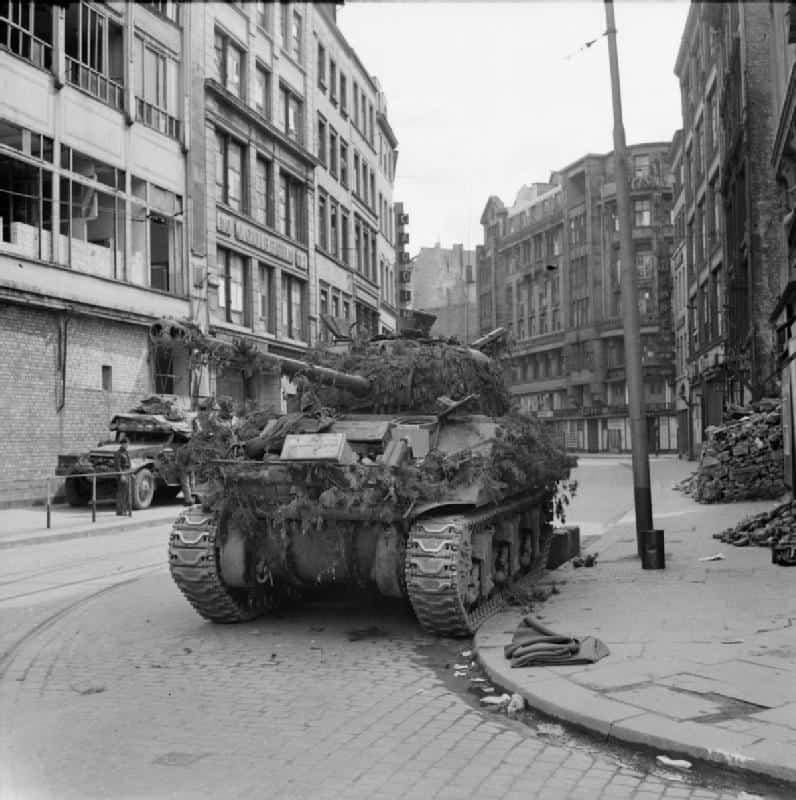
- Country of origin: United Kingdom
- Tank Type: Medium Tank
- Year introduced to service: 1944
- Main gun: 17-pdr
- Armor (Max): 89mm
- Top speed: 40 km/h
- Battlefield reputation: Capable of killing Tigers
- Primary theater: Western Europe
The Sherman Firefly was a British modification of the American Sherman that mounted the powerful 17‑pounder anti‑tank gun. This upgrade allowed Allied crews to engage German heavy tanks at longer ranges. Fireflies were often positioned within units specifically to counter enemy armor.
Churchill Mk VII
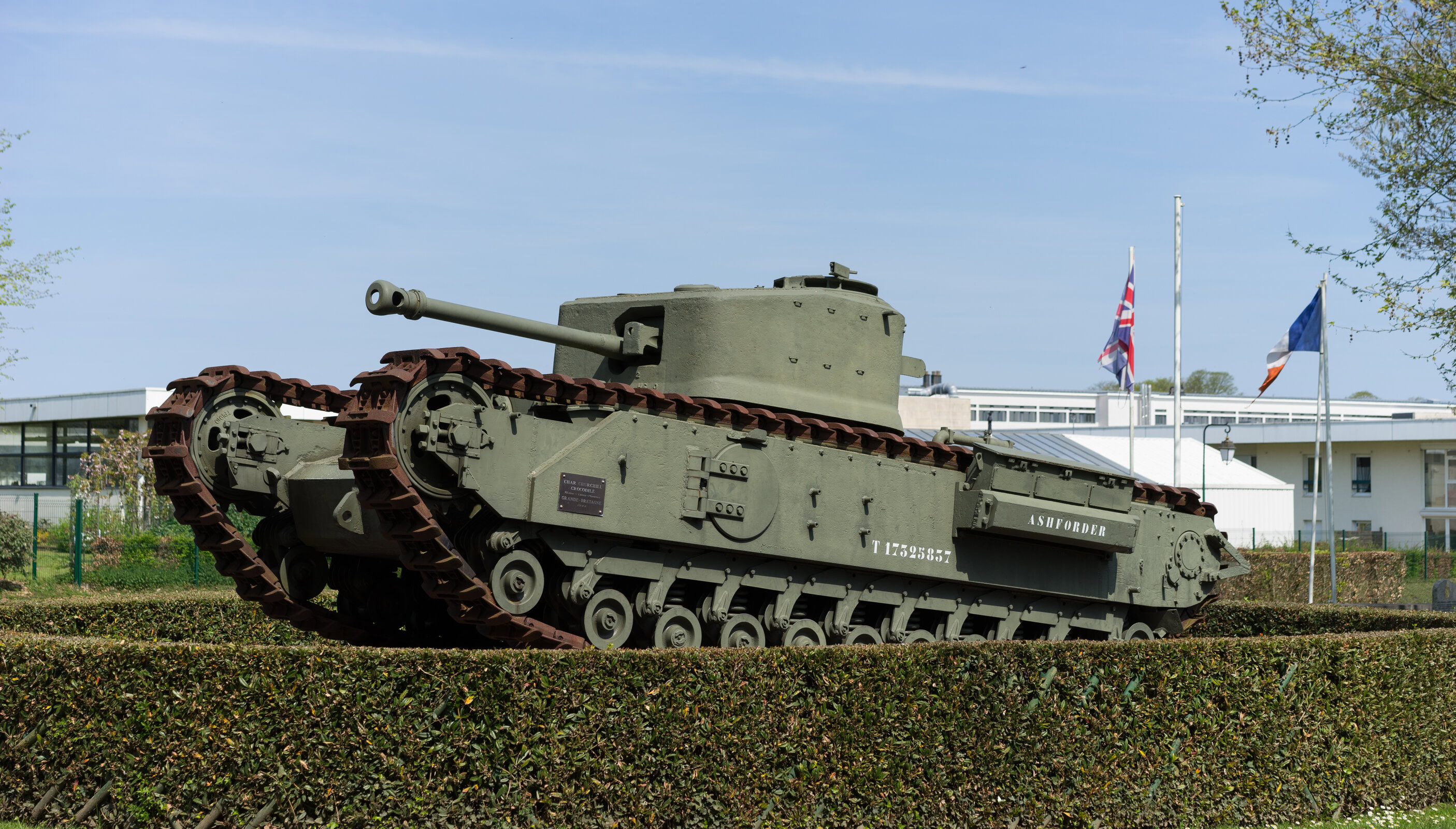
- Country of origin: United Kingdom
- Tank Type: Heavy / Infantry Tank
- Year introduced to service: 1944
- Main gun: 75mm
- Armor (Max): 152mm
- Top speed: 24 km/h
- Battlefield reputation: Extremely thick armor
- Primary theater: Western Europe
The Churchill Mk VII featured some of the thickest armor used on Allied tanks during the war. Although relatively slow, it excelled in supporting infantry assaults and attacking fortified positions. Its ability to absorb heavy punishment made it valuable in difficult battlefield conditions.
Cromwell
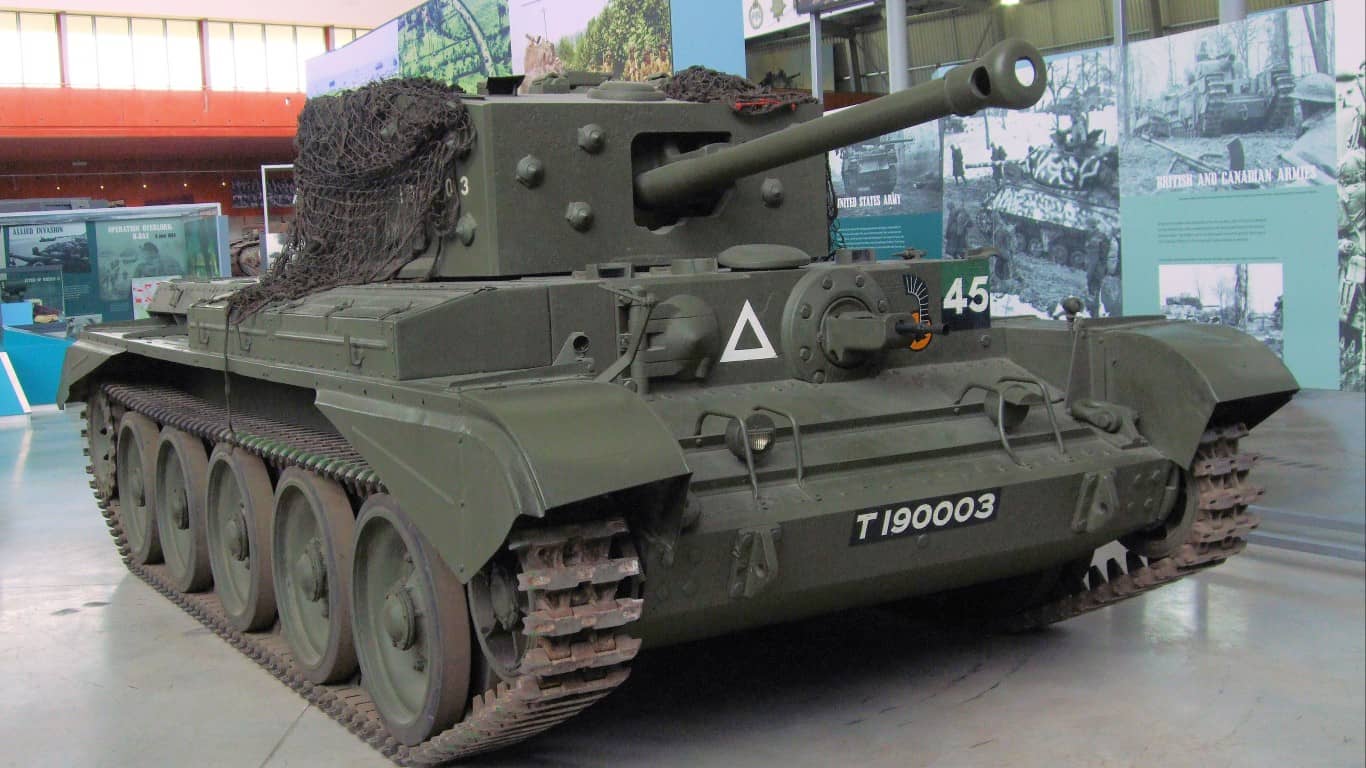
- Country of origin: United Kingdom
- Tank Type: Cruiser Tank
- Year introduced to service: 1943
- Main gun: 75mm
- Armor (Max): 76mm
- Top speed: 64 km/h
- Battlefield reputation: Speed and maneuverability
- Primary theater: Western Europe
The Cromwell cruiser tank emphasized speed and maneuverability, allowing British forces to exploit breakthroughs and move quickly across the battlefield. Its mobility made it effective in fast‑moving operations in Western Europe during the later stages of the war.
Comet

- Country of origin: United Kingdom
- Tank Type: Cruiser Tank
- Year introduced to service: 1944
- Main gun: 77mm HV
- Armor (Max): 102mm
- Top speed: 51 km/h
- Battlefield reputation: Highly effective late-war tank
- Primary theater: Western Europe
The Comet represented one of the most advanced British tanks to enter service during World War II. Combining good armor, mobility, and a powerful gun, it addressed many shortcomings of earlier designs. Though arriving late, it proved highly effective in combat operations.
Char B1 bis
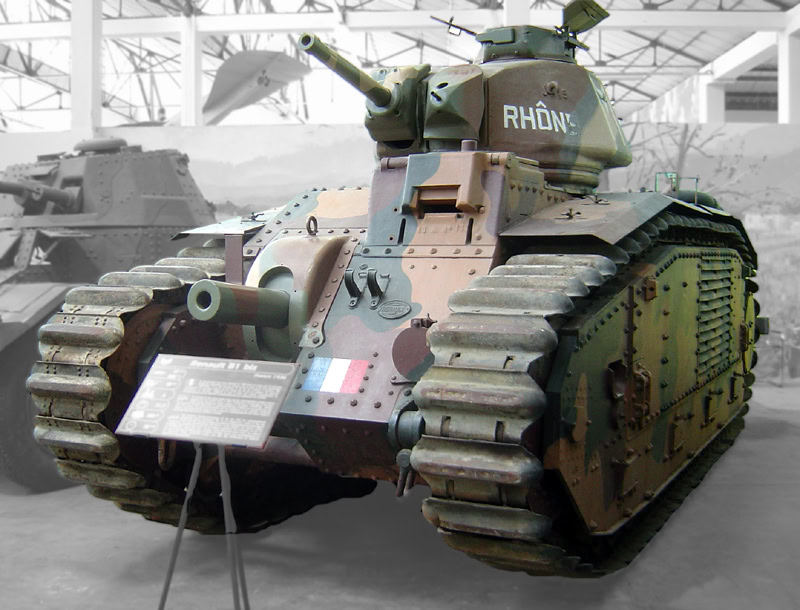
- Country of origin: France
- Tank Type: Heavy Tank
- Year introduced to service: 1937
- Main gun: 75mm hull / 47mm turret
- Armor (Max): 60mm
- Top speed: 28 km/h
- Battlefield reputation: Difficult for early German guns
- Primary theater: France 1940
The Char B1 bis was one of the most heavily armored tanks encountered during the early stages of the war. German anti‑tank weapons initially struggled to destroy it in combat. Although France was defeated quickly, the tank demonstrated impressive protection and firepower for its time.
P26/40
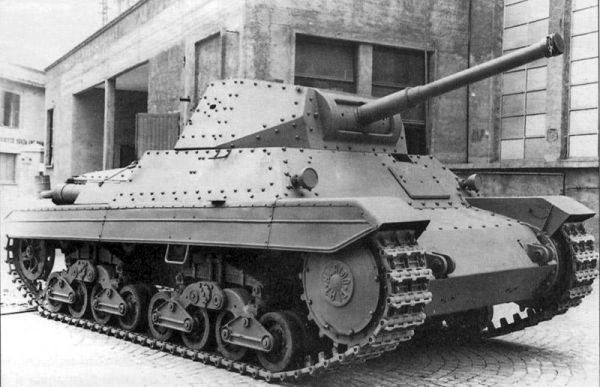
- Country of origin: Italy
- Tank Type: Medium Tank
- Year introduced to service: 1943
- Main gun: 75mm
- Armor (Max): 60mm
- Top speed: 40 km/h
- Battlefield reputation: Italy’s most capable tank
- Primary theater: Italy
The P26/40 was Italy’s attempt to field a more modern medium tank during the later years of the war. Although produced in limited numbers and arriving late, it represented a significant improvement over earlier Italian designs. It illustrates the challenges faced by Italy’s wartime industry.
Type 97 Chi-Ha
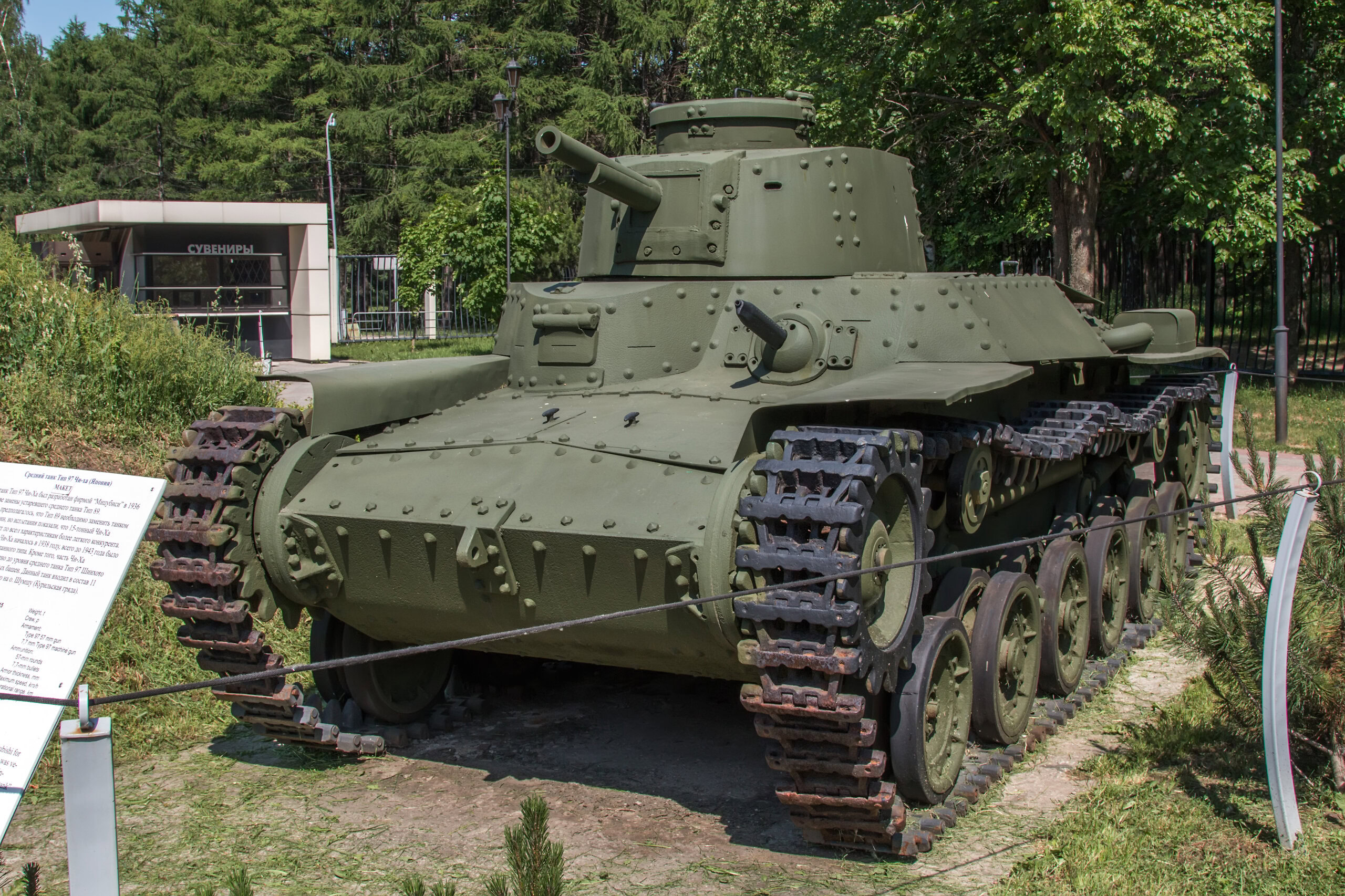
- Country of origin: Japan
- Tank Type: Medium Tank
- Year introduced to service: 1938
- Main gun: 57mm
- Armor (Max): 25mm
- Top speed: 38 km/h
- Battlefield reputation: Common Japanese tank
- Primary theater: Pacific
The Type 97 Chi‑Ha served as the primary medium tank of Japanese forces during the war. Designed for infantry support rather than tank‑on‑tank combat, it appeared across many campaigns in Asia and the Pacific. Despite limitations, it remained the backbone of Japan’s armored forces.
Type 97 Shinhoto
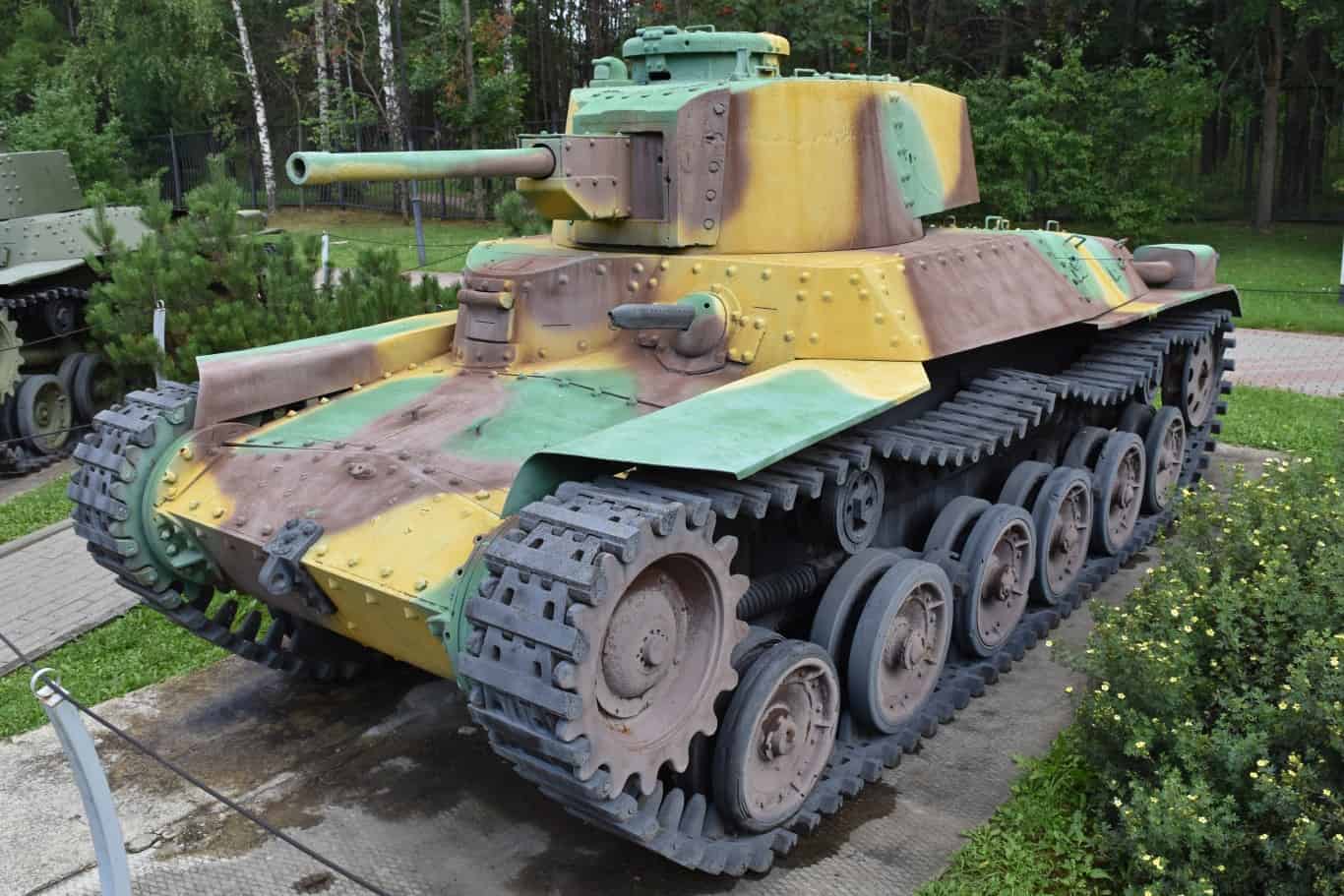
- Country of origin: Japan
- Tank Type: Medium Tank
- Year introduced to service: 1942
- Main gun: 47mm
- Armor (Max): 25mm
- Top speed: 38 km/h
- Battlefield reputation: Improved anti-tank version
- Primary theater: Pacific
The Shinhoto Chi‑Ha was an upgraded version of Japan’s earlier tank, equipped with a more effective anti‑tank gun. This change improved its ability to fight enemy armor, particularly against Allied vehicles encountered later in the war.
Hetzer
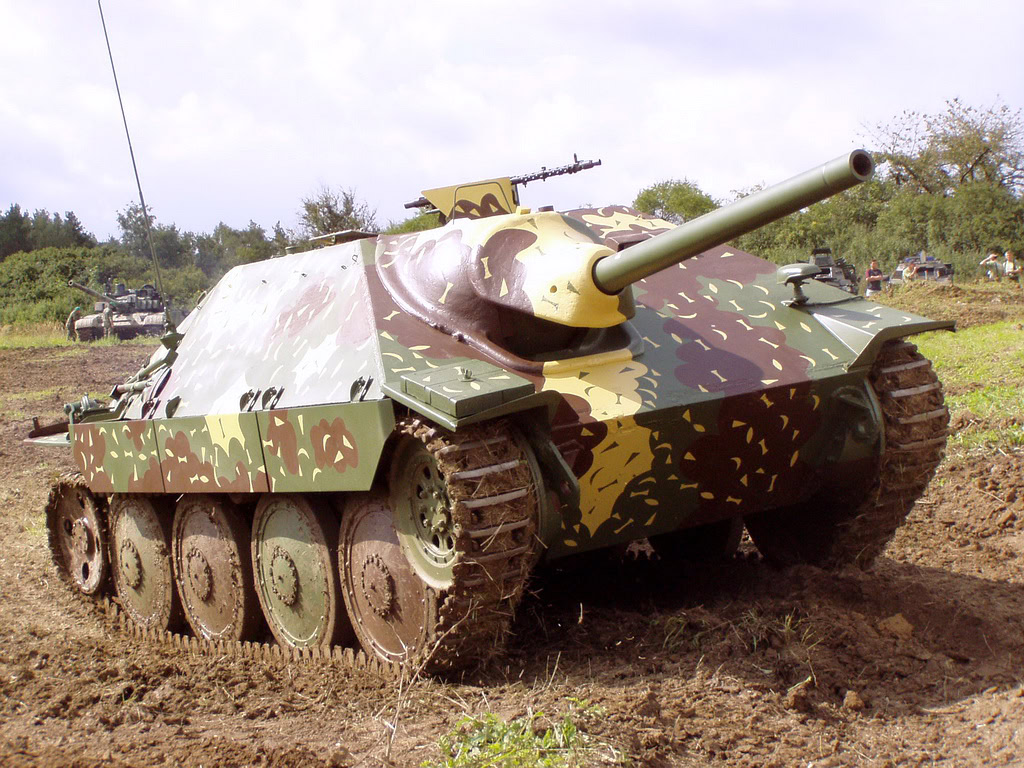
- Country of origin: Germany
- Tank Type: Tank Destroyer
- Year introduced to service: 1944
- Main gun: 75mm
- Armor (Max): 60mm
- Top speed: 42 km/h
- Battlefield reputation: Small but deadly ambusher
- Primary theater: Eastern Front
The Jagdpanzer 38, often called the Hetzer, was a compact German tank destroyer designed for ambush tactics. Its small size and sloped armor made it difficult to detect and target. Armed with a powerful gun, it posed a serious threat to Allied armor despite its relatively simple design.
Jagdpanther
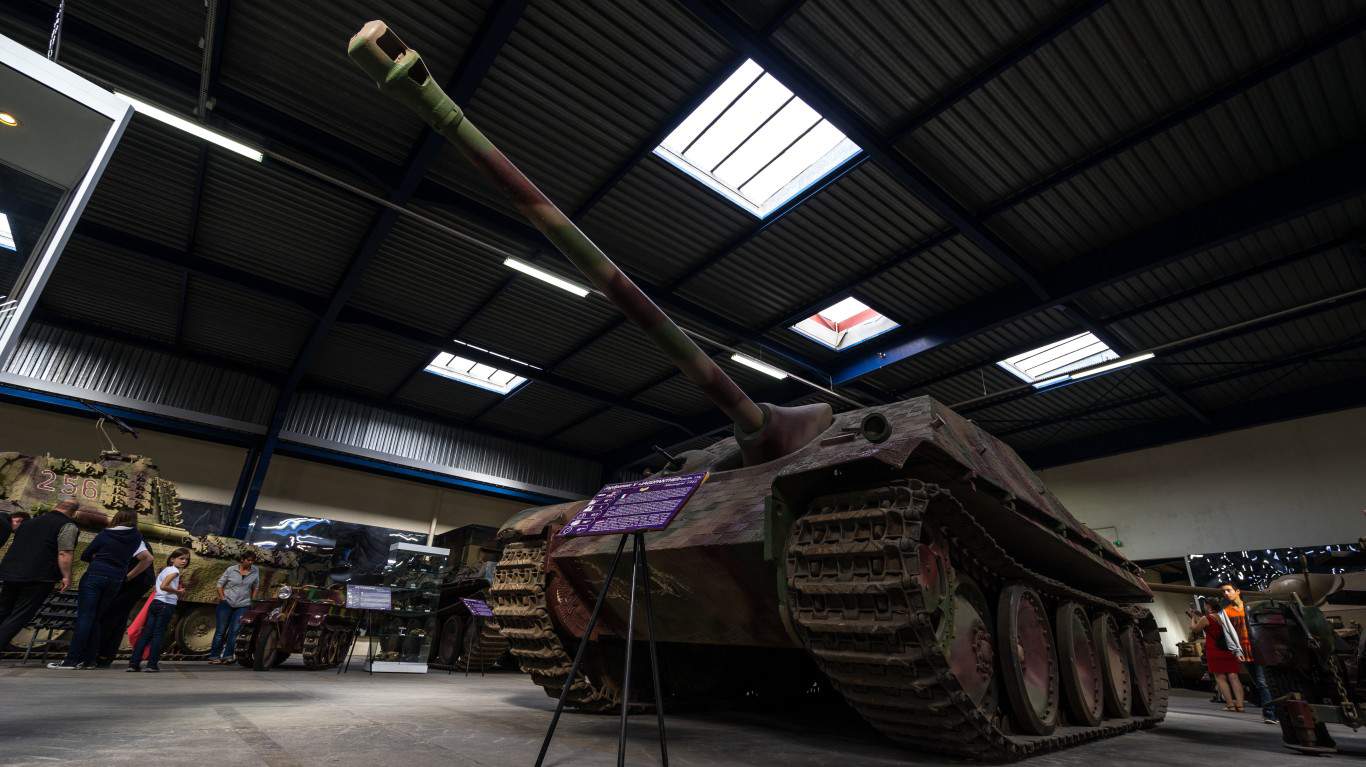
- Country of origin: Germany
- Tank Type: Tank Destroyer
- Year introduced to service: 1944
- Main gun: 88mm
- Armor (Max): 100mm
- Top speed: 46 km/h
- Battlefield reputation: One of the best tank destroyers
- Primary theater: Eastern Front
The Jagdpanther combined the powerful 88mm gun with the mobility and sloped armor of the Panther chassis. This combination produced one of the most formidable tank destroyers of the war. In skilled hands it could defeat enemy armor at long range while remaining well protected.
Contact [email protected] for any questions or corrections.
Chris Lange is a financial and geopolitical writer with more than a decade of experience covering a myriad of topics. He has published thousands of articles for 24/7 Wall St., with past coverage focused heavily on stocks, IPOs, healthcare, defense, global affairs, and technology.
His work has been quoted, or referenced by a number of outlets including Business Insider, USA Today, Yahoo Finance, MSN, The Motley Fool, and many other publications. A graduate of Southwestern University, he studied business with a focus on investments and has previous experience in banking and startups.
When not reading or writing the news, he is following his passion for Lacrosse, playing chess, or building solar projects with his dad.