Everything WWII Paratroopers Carried Into the D-Day Invasion
The D-Day invasion is typically remembered for the brutal fighting on the beaches of Normandy, but the battle had already begun hours earlier. Thousands of American and British paratroopers were dropped behind German lines in one of the largest airborne…

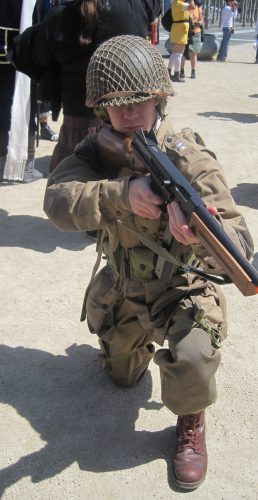
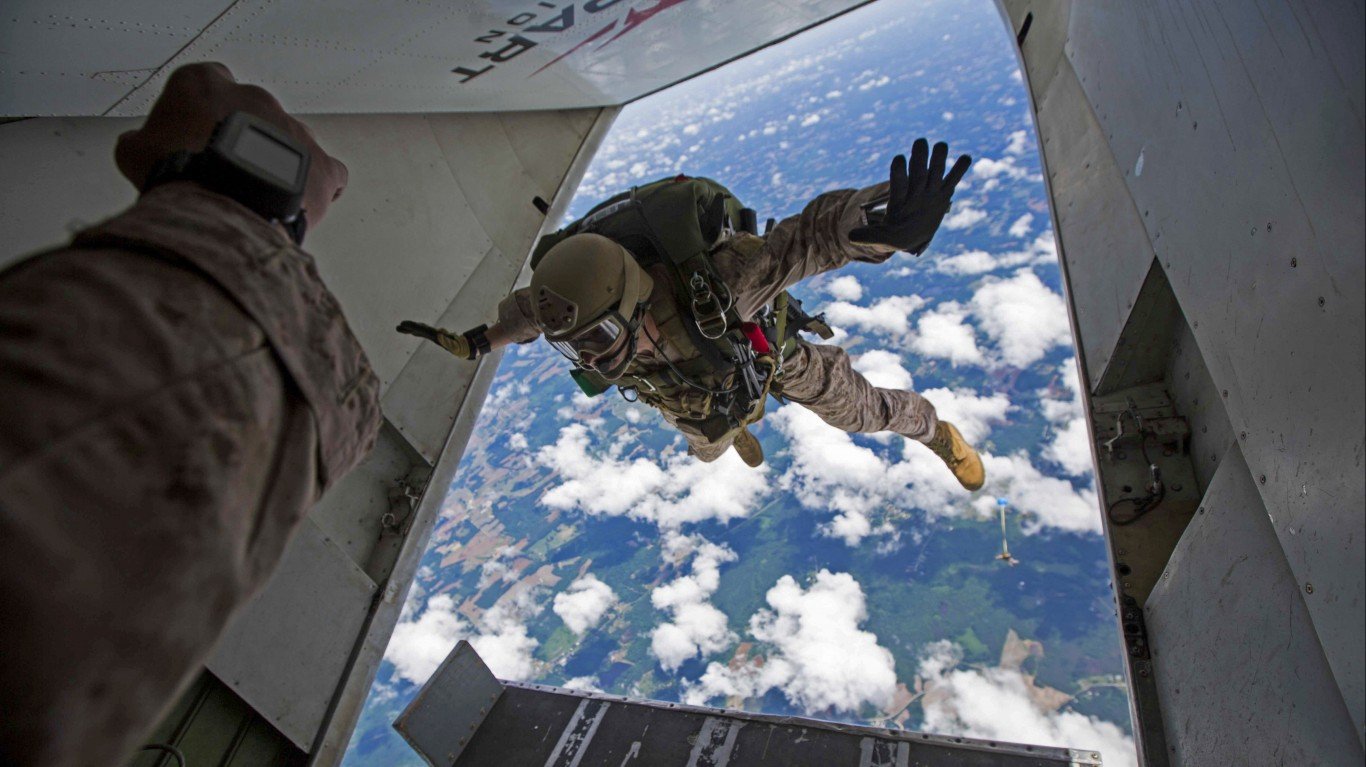
The D-Day invasion is typically remembered for the brutal fighting on the beaches of Normandy, but the battle had already begun hours earlier. Thousands of American and British paratroopers were dropped behind German lines in one of the largest airborne operations in history. With limited support and scattered units, the equipment they carried became critical. Here, 24/7 Wall St. is taking a closer look at the weapons, tools, and survival items that helped paratroopers accomplish their mission on June 6, 1944.
To identify what WWII paratroopers carried into D-Day, 24/7 Wall St. reviewed various historical and military sources. We included supplemental information for each item regarding when it was introduced to service, what Allied countries used it, how much it weighed, its primary purpose, as well as what units it was used by.
Here is a look at what WWII paratroopers carried into D-Day:
Why Are We Covering This?
Understanding what paratroopers carried into the D-Day invasion offers a closer look at how airborne warfare actually worked during World War II. These soldiers were dropped into darkness behind enemy lines with limited support, meaning every piece of gear had to serve a purpose. Weapons, explosives, radios, and survival tools all played a role in helping scattered units regroup and complete their objectives. Looking at the equipment they carried helps reveal the realities of the mission and why airborne forces became such a critical part of the Allied strategy in Normandy.
The Most Dangerous Night of the War
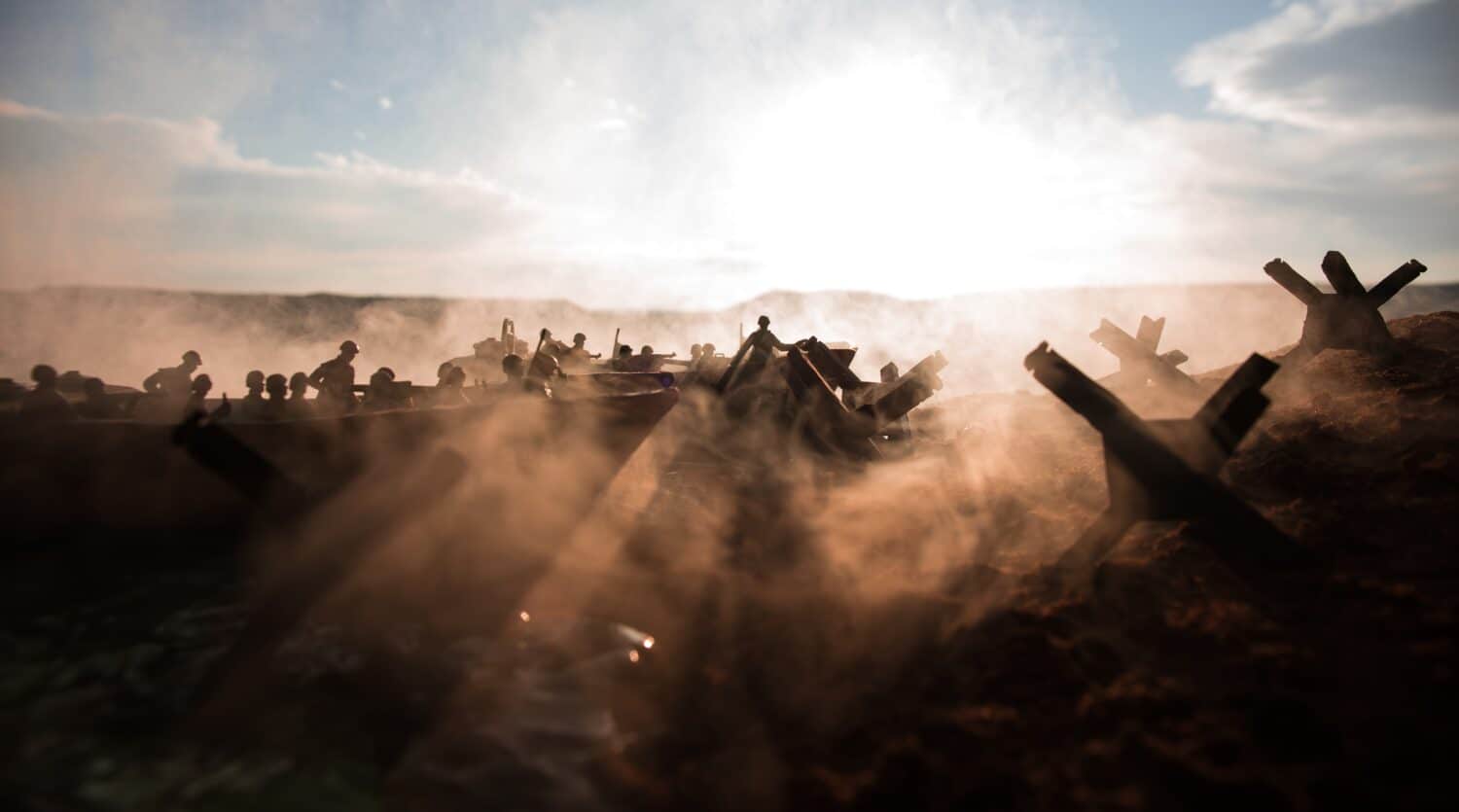
Hours before Allied troops landed on the beaches of Normandy, thousands of paratroopers were already on their way. Dropping into darkness behind enemy lines, they were tasked with disrupting German defenses and securing key routes for the invasion force. What these soldiers carried with them mattered enormously. Every weapon, tool, and piece of equipment could mean the difference between success and failure once they hit the ground.
Jumping Into Chaos
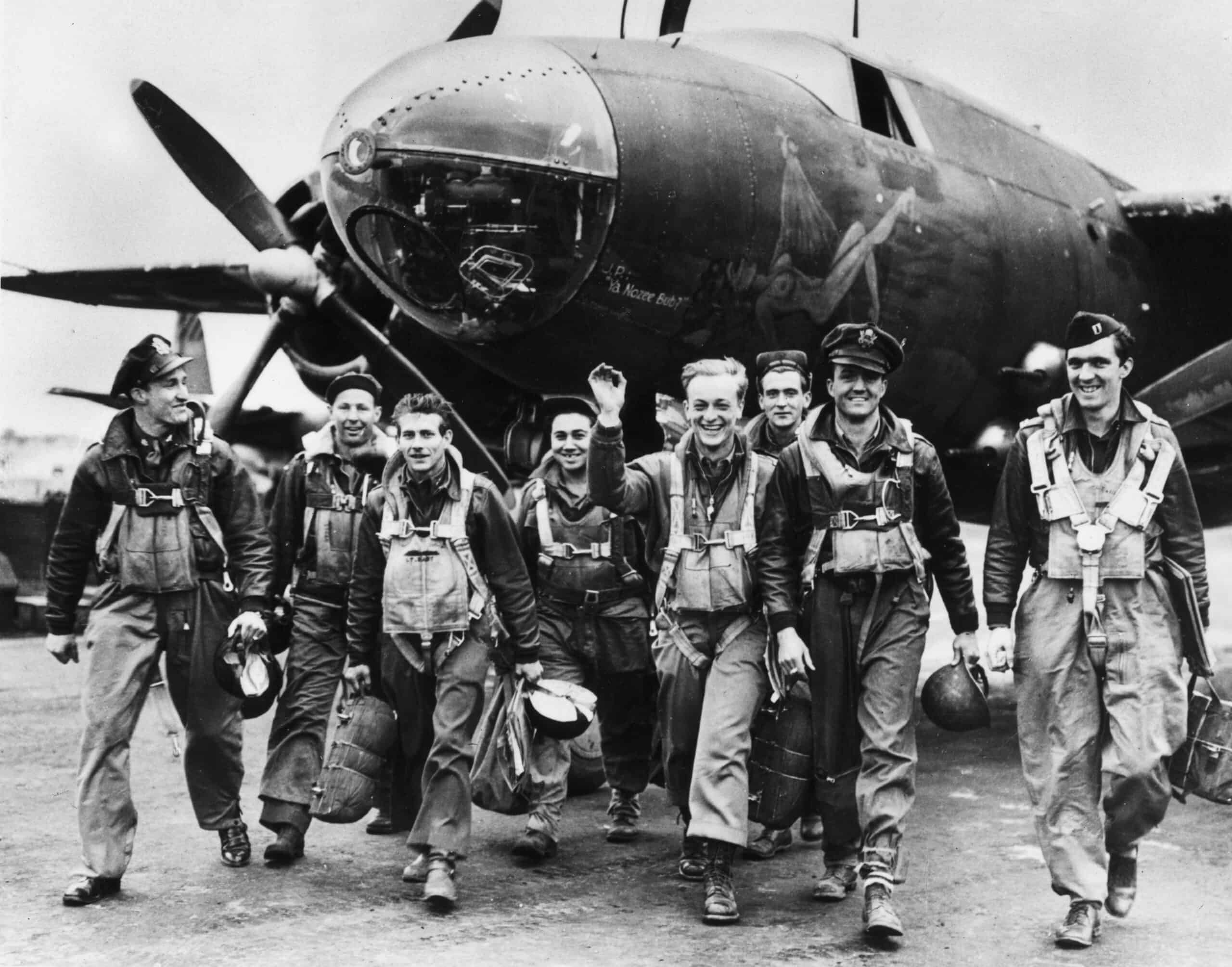
The airborne drops during D-Day were anything but orderly. Many paratroopers landed miles from their intended zones, often surrounded by enemy forces and cut off from their units. In those moments, the equipment they carried became critical. Soldiers had to rely on their weapons, explosives, navigation tools, and survival gear to regroup and continue their missions in the dark.
Designed for Airborne Warfare
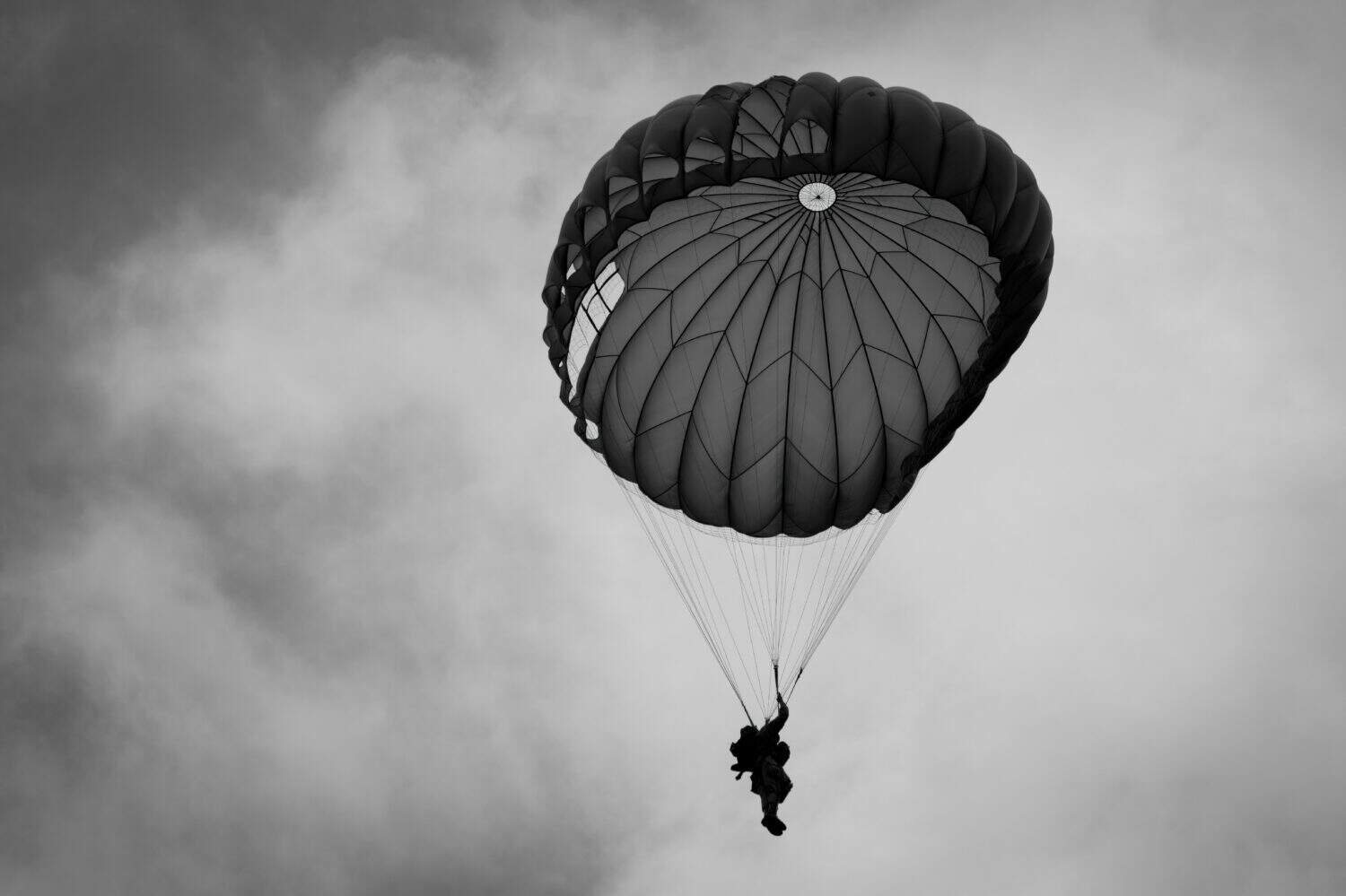
Airborne troops required specialized equipment that standard infantry often did not. Weapons had to be compact enough for parachute jumps, while demolition tools and radios had to be lightweight but reliable. Engineers and planners carefully selected what paratroopers would carry so they could fight effectively immediately after landing.
Fighting Behind Enemy Lines
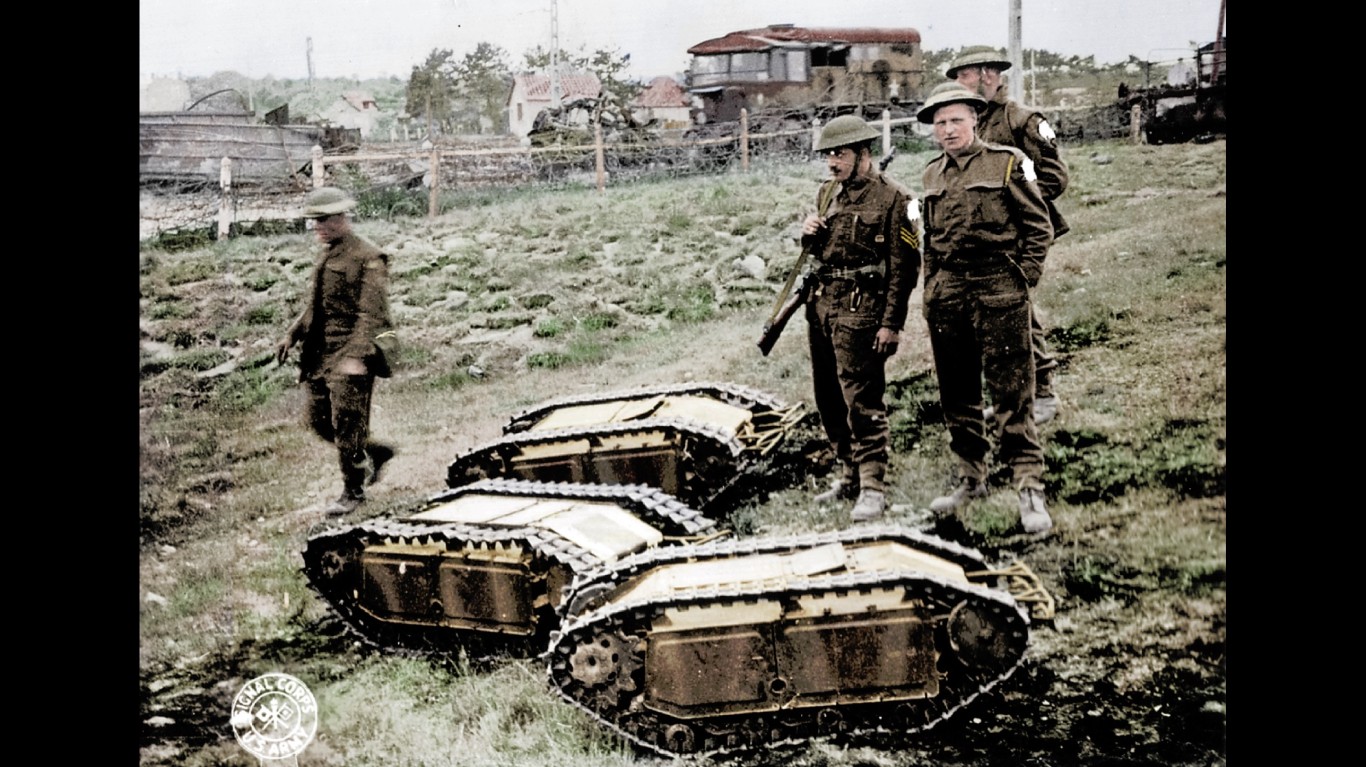
Once on the ground, paratroopers were expected to operate independently for hours or even days. They destroyed bridges, ambushed reinforcements, and captured strategic locations. Without the support of large formations, their survival depended heavily on the gear strapped to their bodies during the jump.
The Gear That Made the Mission Possible
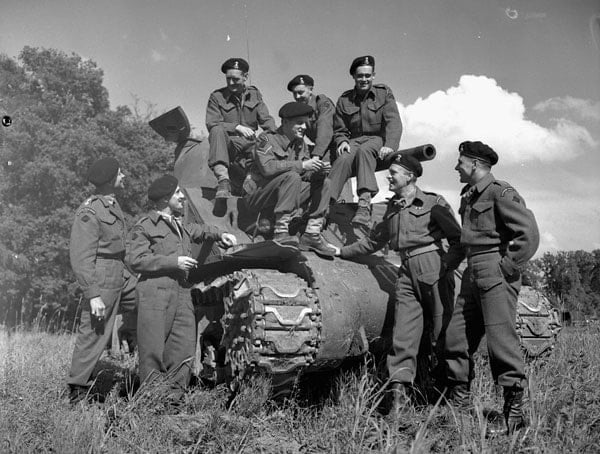
The success of the Normandy invasion did not rely only on massive armies and naval fleets. It also depended on small groups of airborne soldiers carrying carefully chosen equipment into one of the most dangerous operations of the war. These are the weapons and tools that helped paratroopers accomplish their mission.
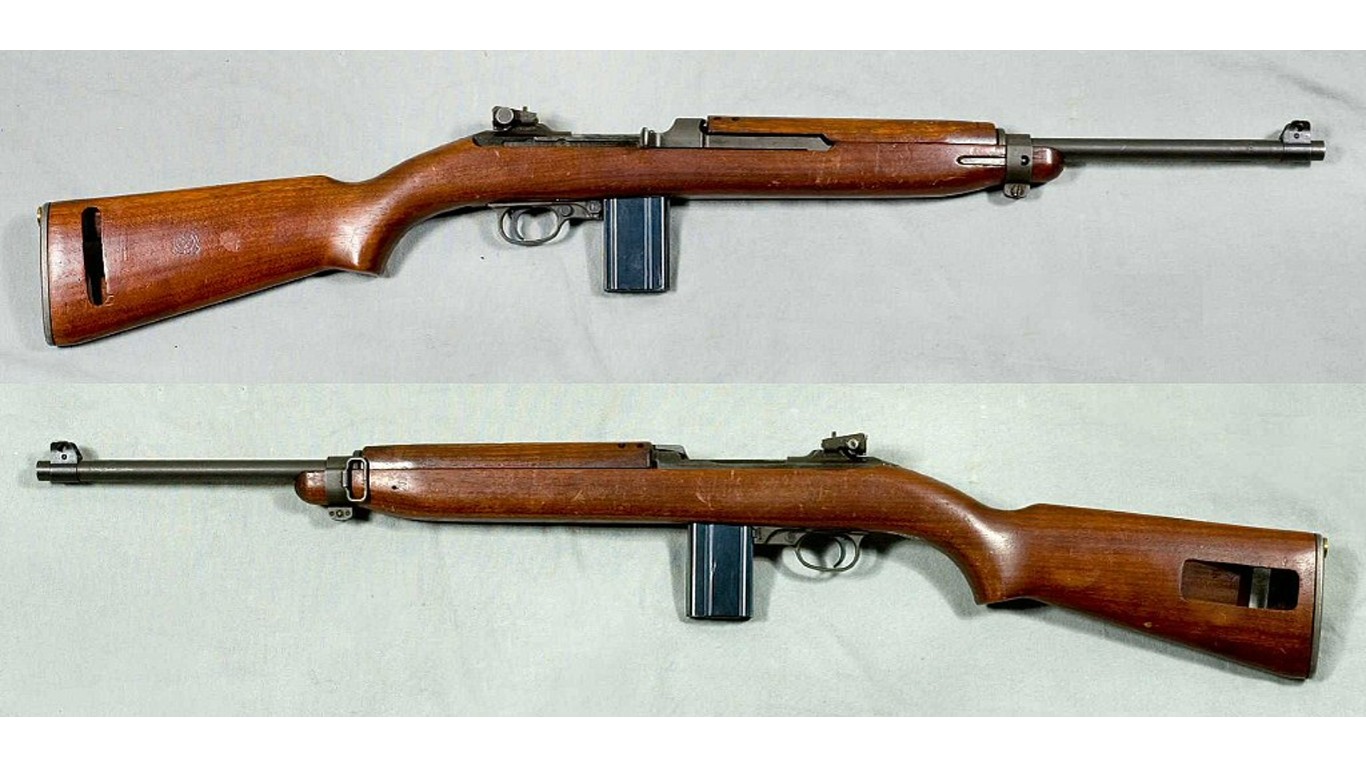
M1A1 Carbine
- Category: Weapon
- Country: United States
- Year introduced to service: 1942
- Weight (Approx.): ~5.2 lbs
- Primary purpose: Compact rifle for airborne troops
- Used by: 82nd / 101st Airborne
- Why paratroopers needed it: Easier to jump with than full rifle
The M1A1 Carbine became one of the most recognizable weapons carried by American paratroopers on D-Day. Its folding stock made it easier to jump with compared to longer rifles, while still providing reliable firepower after landing. For airborne troops who often fought scattered and outnumbered, the lightweight carbine balanced mobility, speed, and effectiveness in close engagements.
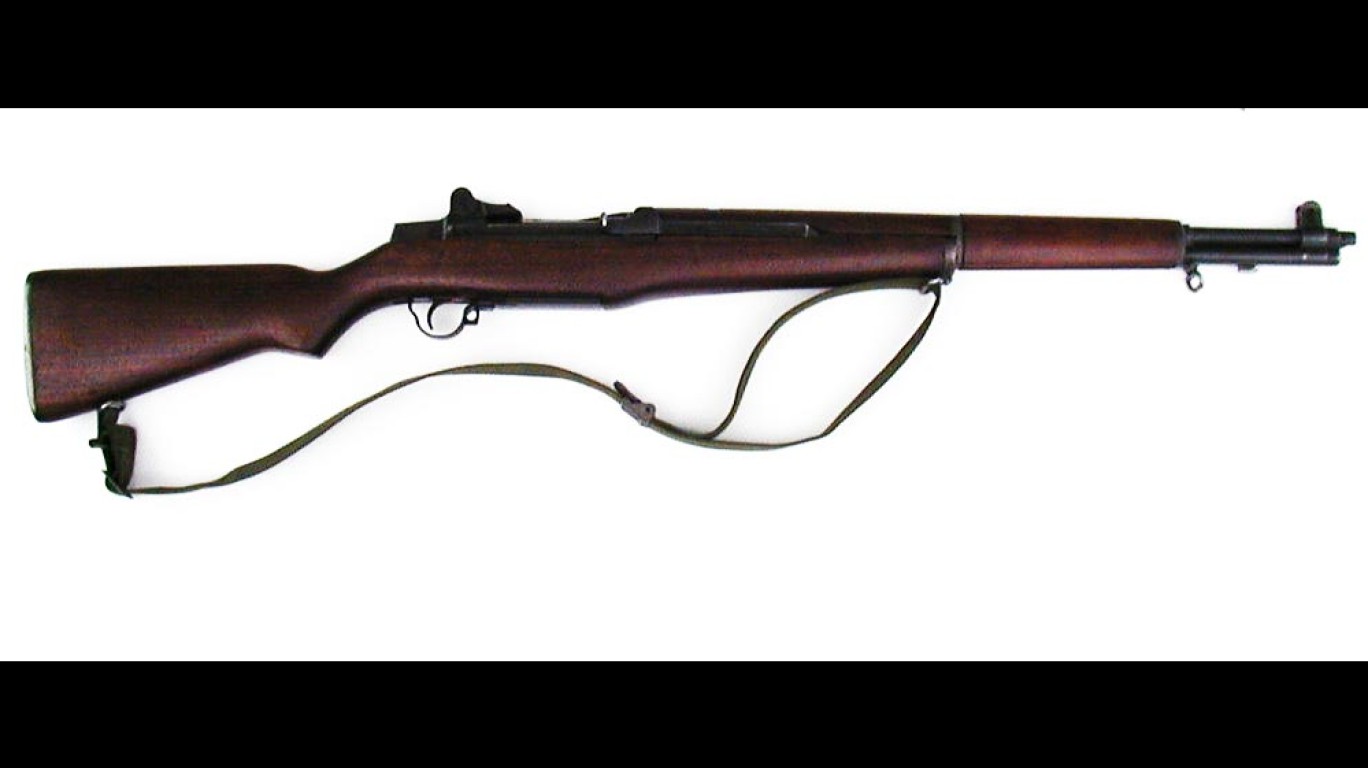
M1 Garand
- Category: Weapon
- Country: United States
- Year introduced to service: 1936
- Weight (Approx.): ~9.5 lbs
- Primary purpose: Standard infantry rifle
- Used by: 82nd / 101st Airborne
- Why paratroopers needed it: Provided powerful semi-auto firepower
Although heavier than other airborne weapons, many paratroopers still jumped with the M1 Garand. Its semi‑automatic firepower gave American troops a major advantage in firefights after landing in Normandy. In chaotic night combat where units were scattered, the Garand’s reliability and rapid follow‑up shots helped airborne soldiers quickly establish control over key positions.
Thompson SMG

- Category: Weapon
- Country: United States
- Year introduced to service: 1928
- Weight (Approx.): ~10.8 lbs
- Primary purpose: Close-range automatic weapon
- Used by: Officers / NCOs
- Why paratroopers needed it: High firepower in close combat
The Thompson submachine gun delivered devastating close‑range firepower, making it a favorite among officers and squad leaders. During the confused fighting after the drop, the weapon’s automatic fire proved valuable in clearing buildings, hedgerows, and defensive positions. Its weight was a drawback during jumps, but many paratroopers felt the firepower was worth it.
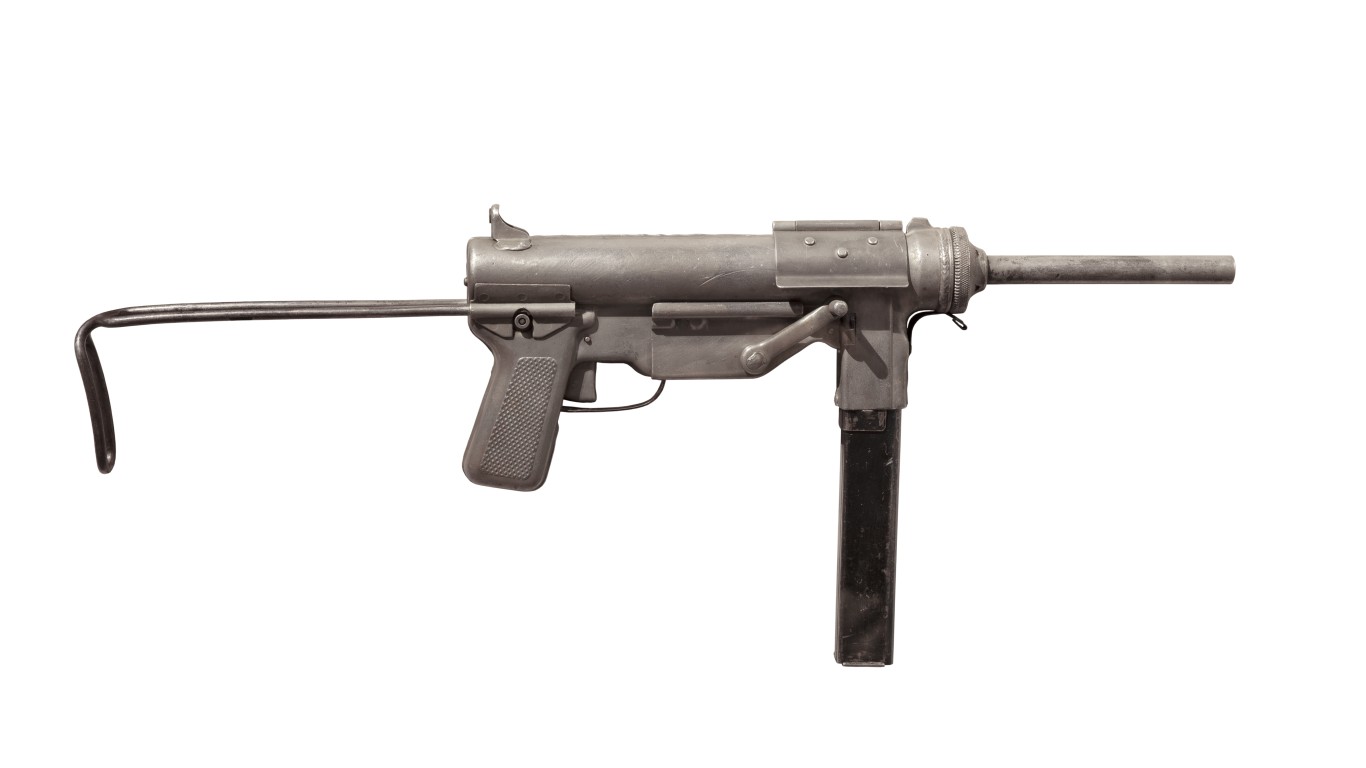
M3 Grease Gun
- Category: Weapon
- Country: United States
- Year introduced to service: 1943
- Weight (Approx.): ~8 lbs
- Primary purpose: Light submachine gun
- Used by: Airborne troops
- Why paratroopers needed it: Simpler automatic weapon
The M3 submachine gun, often called the Grease Gun, began replacing the heavier Thompson late in the war. Its simpler construction and lighter weight made it easier to carry during airborne operations. For paratroopers landing in the dark and fighting at close range, the weapon offered compact automatic firepower without the bulk of earlier submachine guns.
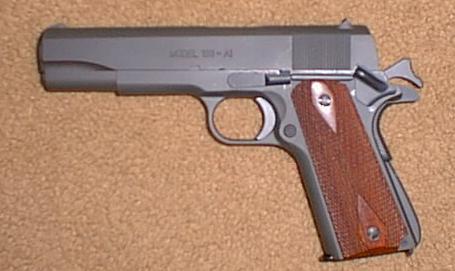
M1911A1 Pistol
- Category: Weapon
- Country: United States
- Year introduced to service: 1911
- Weight (Approx.): ~2.4 lbs
- Primary purpose: Sidearm
- Used by: Officers / Specialists
- Why paratroopers needed it: Backup weapon after landing
The M1911A1 pistol served as a dependable sidearm for airborne officers, machine‑gun crews, and specialists. In the confusion of the drop, soldiers could easily become separated from heavier weapons. The pistol ensured every paratrooper still had a reliable means of defense, and its powerful .45 caliber round made it effective in the close‑quarters fighting common in Normandy villages.
Mk II Grenade
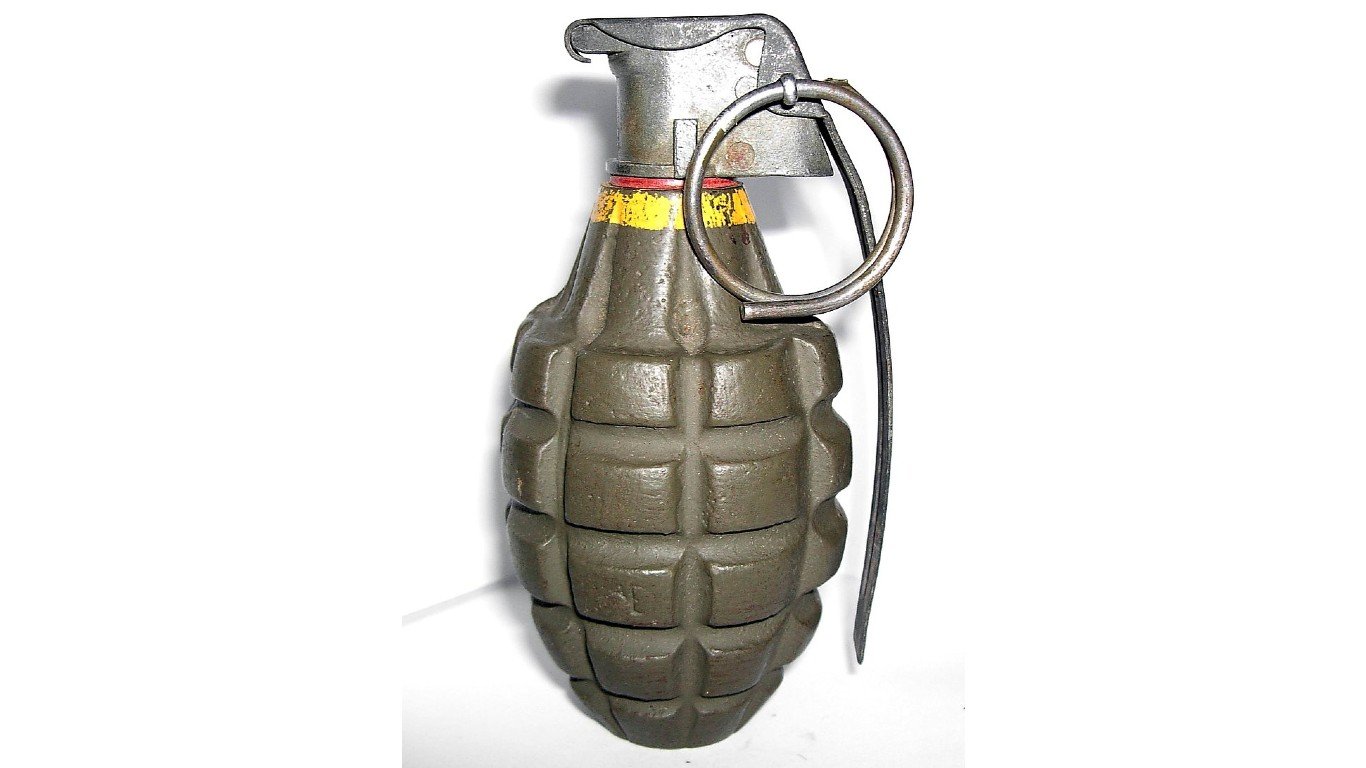
- Category: Explosive
- Country: United States
- Year introduced to service: 1918
- Weight (Approx.): ~1.3 lbs
- Primary purpose: Fragmentation grenade
- Used by: All troops
- Why paratroopers needed it: Clearing trenches and positions
The Mk II fragmentation grenade was standard issue for American troops and widely carried by paratroopers on D‑Day. Small enough to carry several, it allowed soldiers to clear trenches, buildings, and hedgerow defenses quickly. In scattered airborne battles where surprise mattered, grenades often gave paratroopers the edge during sudden encounters with German defenders.
Gammon Grenade
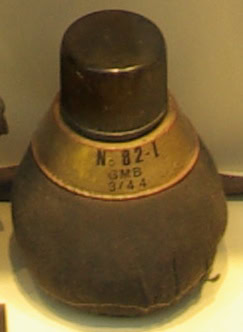
- Category: Explosive
- Country: United Kingdom
- Year introduced to service: 1943
- Weight (Approx.): ~1 lb variable
- Primary purpose: Anti-vehicle explosive
- Used by: British 6th Airborne
- Why paratroopers needed it: Flexible demolition charge
The Gammon grenade was a uniquely versatile weapon used by British airborne forces. A cloth bag filled with explosive material allowed soldiers to vary the charge depending on the target. It could disable vehicles, destroy equipment, or blast through obstacles. For lightly equipped paratroopers operating behind enemy lines, that flexibility made it extremely valuable.
Plastic Explosive
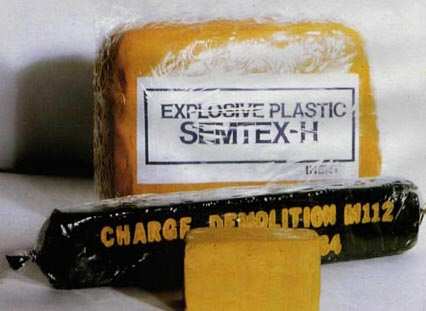
- Category: Explosive
- Country: Both
- Year introduced to service: 1940
- Weight (Approx.): Varies
- Primary purpose: Demolition work
- Used by: Engineers
- Why paratroopers needed it: Destroy bridges or guns
Plastic explosives were essential tools for airborne engineers tasked with sabotage missions. Their moldable nature allowed charges to be shaped around bridges, artillery pieces, or structural supports. During the Normandy invasion, airborne troops used these explosives to disrupt German movement and destroy defensive positions before enemy reinforcements could respond.
Time Pencil

- Category: Explosive Tool
- Country: Both
- Year introduced to service: 1940
- Weight (Approx.): Very light
- Primary purpose: Delayed detonation
- Used by: Engineers / Commandos
- Why paratroopers needed it: Timed sabotage missions
Time pencils were small but critical demolition tools that allowed airborne troops to set delayed explosions. Using a chemical reaction to trigger detonators, they enabled soldiers to plant charges and move away before the blast. In the scattered and dangerous environment of D‑Day night operations, this timing capability greatly increased the effectiveness of sabotage missions.
Bangalore Torpedo
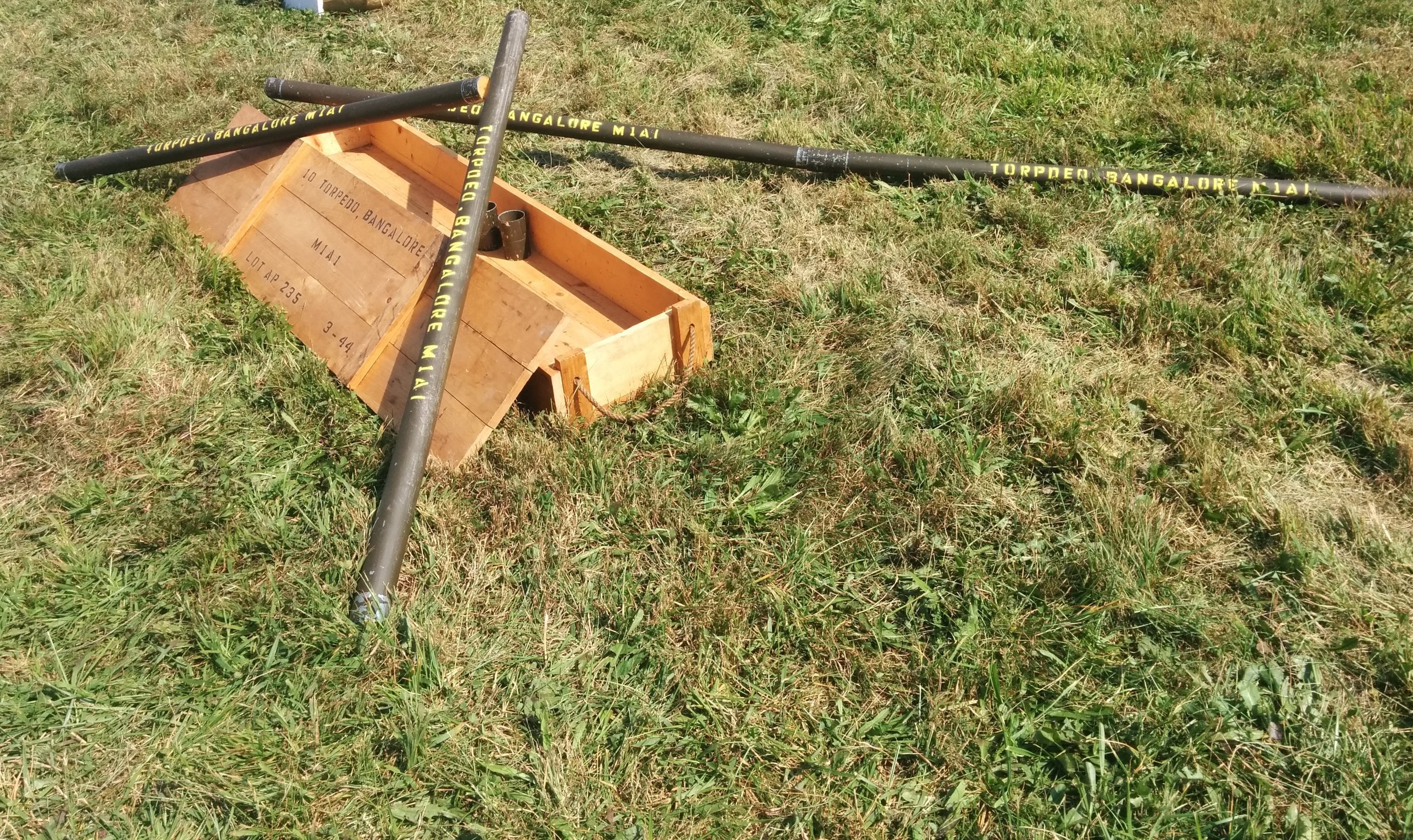
- Category: Explosive
- Country: Both
- Year introduced to service: 1912
- Weight (Approx.): ~13 lbs section
- Primary purpose: Obstacle clearing
- Used by: Engineers
- Why paratroopers needed it: Blow gaps in wire
Bangalore torpedoes were designed to clear paths through barbed wire and defensive obstacles. Although bulky, sections could be carried and assembled when needed. For paratroopers encountering fortified positions or blocked routes after landing, these explosive tubes helped open gaps quickly, allowing units to keep moving toward their objectives.
Ammo Bandolier
- Category: Combat Gear
- Country: United States
- Year introduced to service: 1940
- Weight (Approx.): ~2 lbs loaded
- Primary purpose: Carry ammunition
- Used by: Airborne infantry
- Why paratroopers needed it: Extra ammo after landing
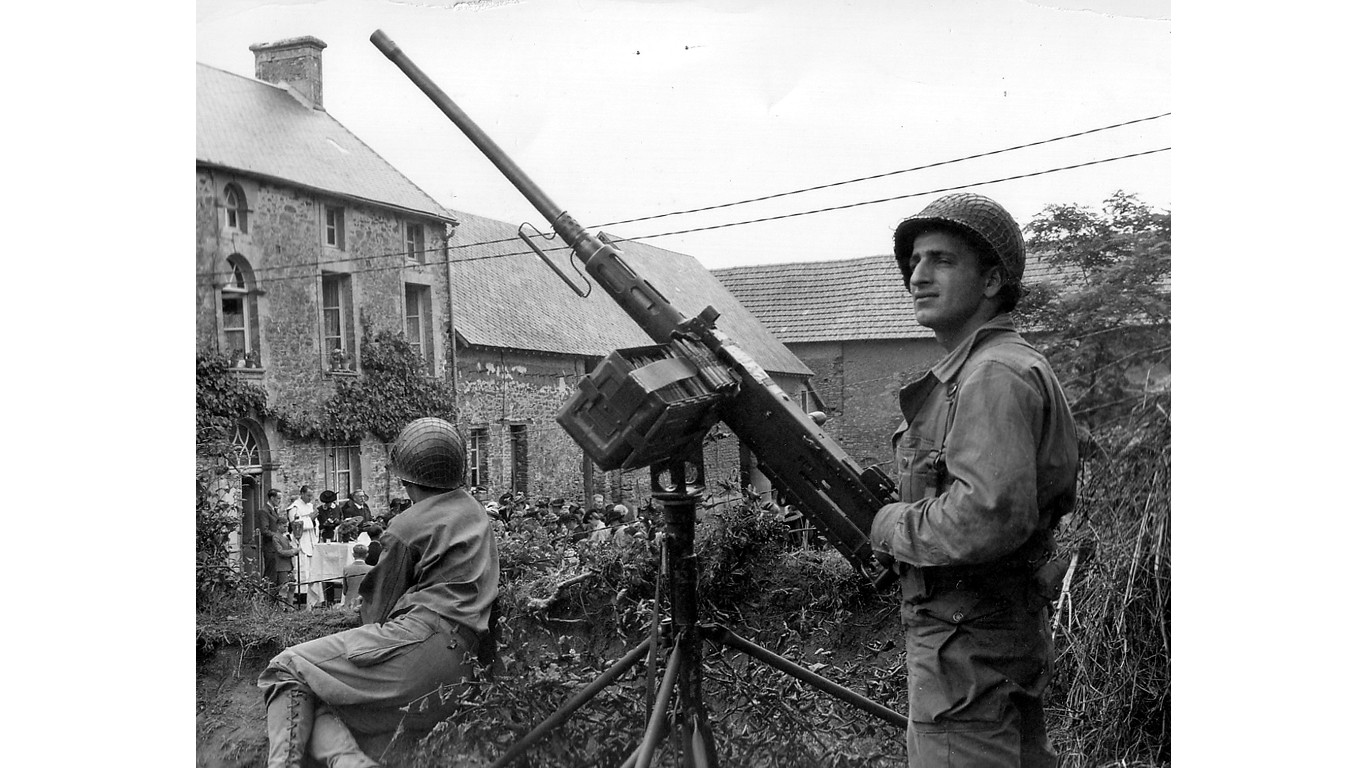
Ammunition bandoliers ensured paratroopers landed with enough firepower to survive the first chaotic hours of the invasion. Worn across the chest or attached to equipment, they carried additional clips and magazines. Because airborne troops often fought isolated from resupply, having immediate access to extra ammunition was essential to sustaining combat operations.
Entrenching Tool
- Category: Equipment
- Country: Both
- Year introduced to service: 1938
- Weight (Approx.): ~2.5 lbs
- Primary purpose: Dig fighting positions
- Used by: Infantry
- Why paratroopers needed it: Quick foxholes after landing
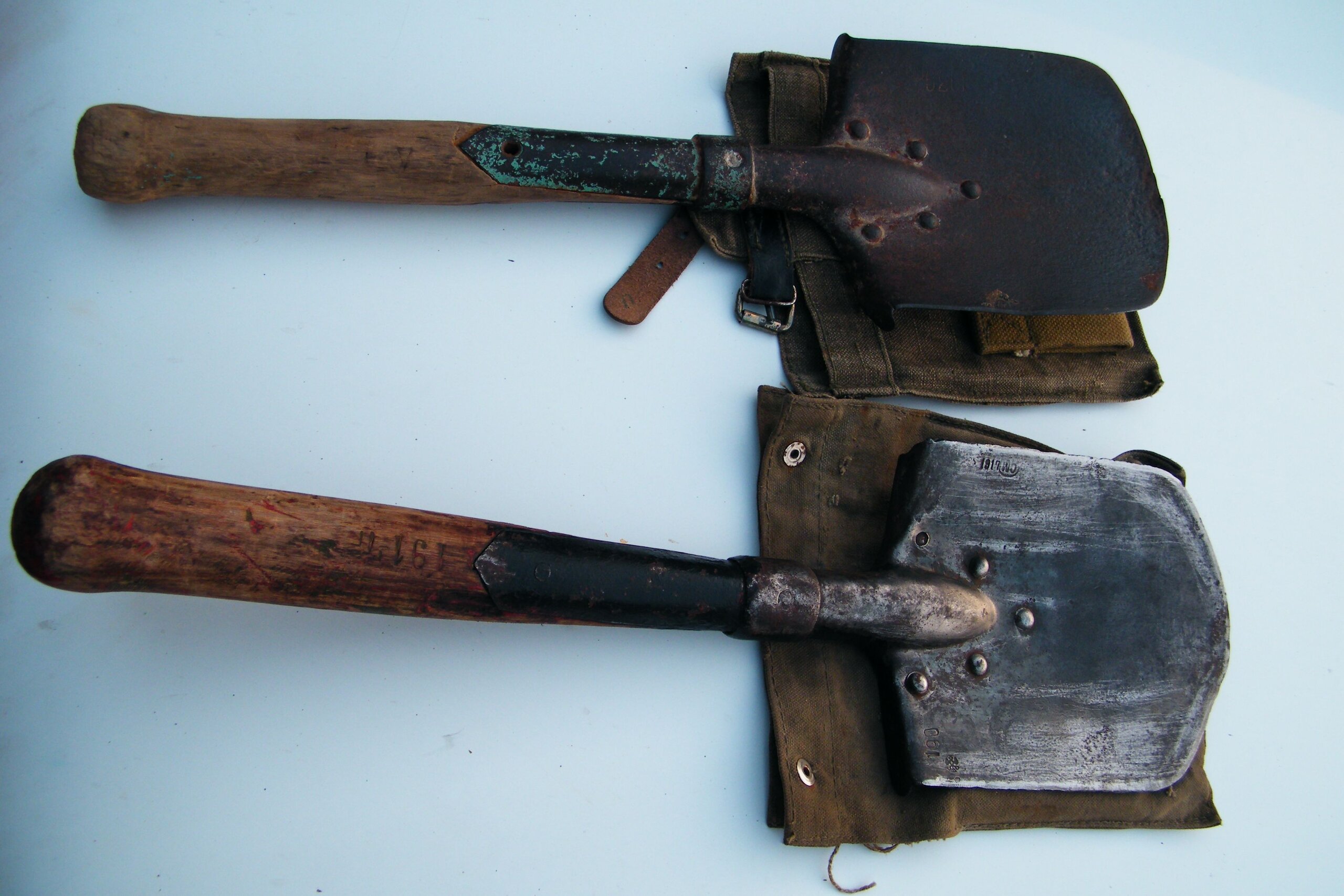
The entrenching tool was a simple but essential item carried by many soldiers during the invasion. After landing, paratroopers needed to quickly dig defensive positions to survive counterattacks. The compact folding shovel allowed troops to create foxholes, clear obstacles, or prepare firing positions in the hedgerow terrain of Normandy.
Cricket Clicker
- Category: Identification
- Country: United States
- Year introduced to service: 1944
- Weight (Approx.): Negligible
- Primary purpose: Friend or foe signal
- Used by: 101st Airborne
- Why paratroopers needed it: Night recognition signal
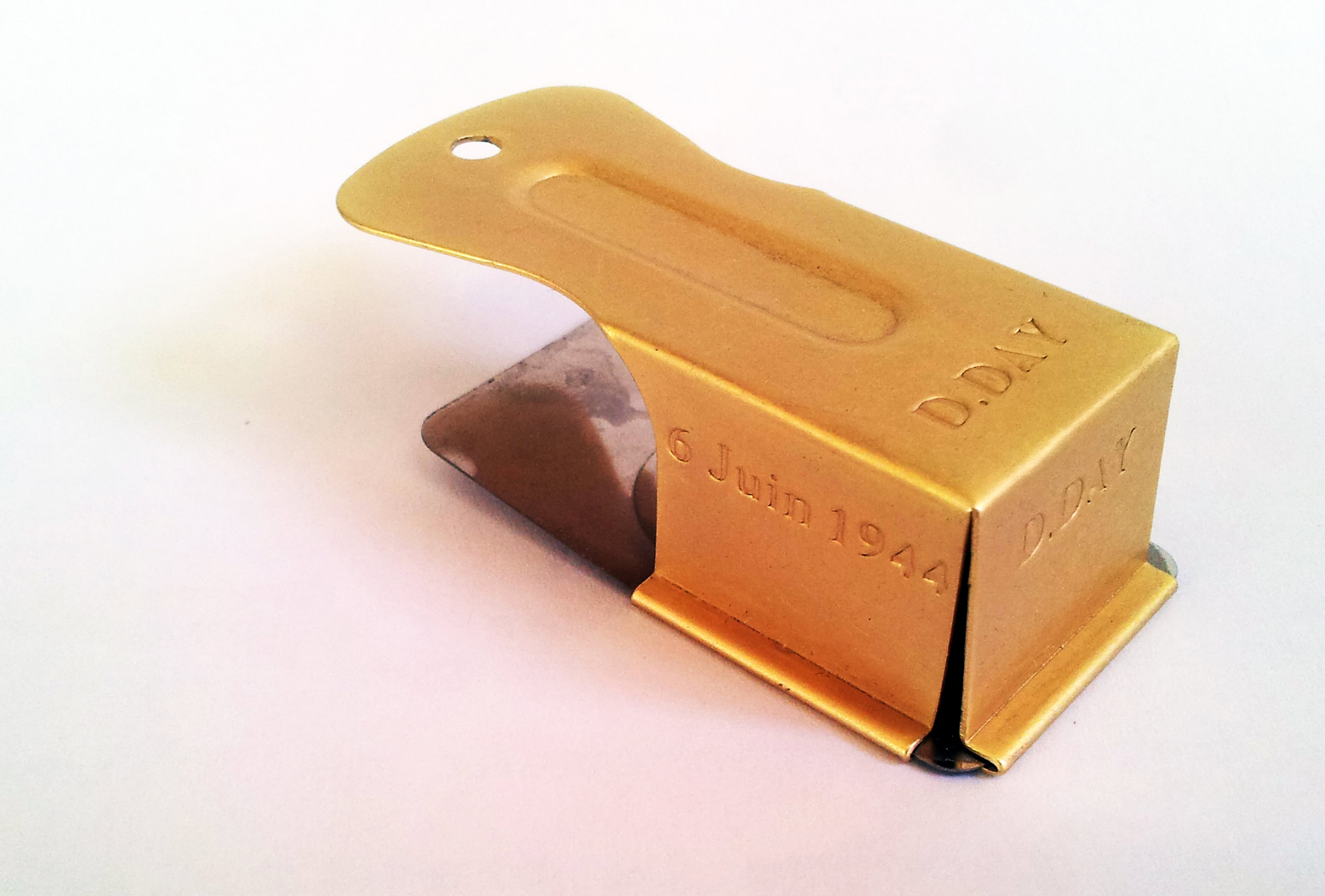
The small metal cricket clicker became one of the most famous tools of the Normandy airborne landings. Used primarily by the 101st Airborne, it helped soldiers identify one another in the darkness. One click would be answered by two clicks, reducing the risk of friendly fire during the chaotic early hours after the drop.
SCR-536 Radio
- Category: Communication
- Country: United States
- Year introduced to service: 1941
- Weight (Approx.): ~5 lbs
- Primary purpose: Short-range radio
- Used by: Airborne leaders
- Why paratroopers needed it: Coordinate scattered units
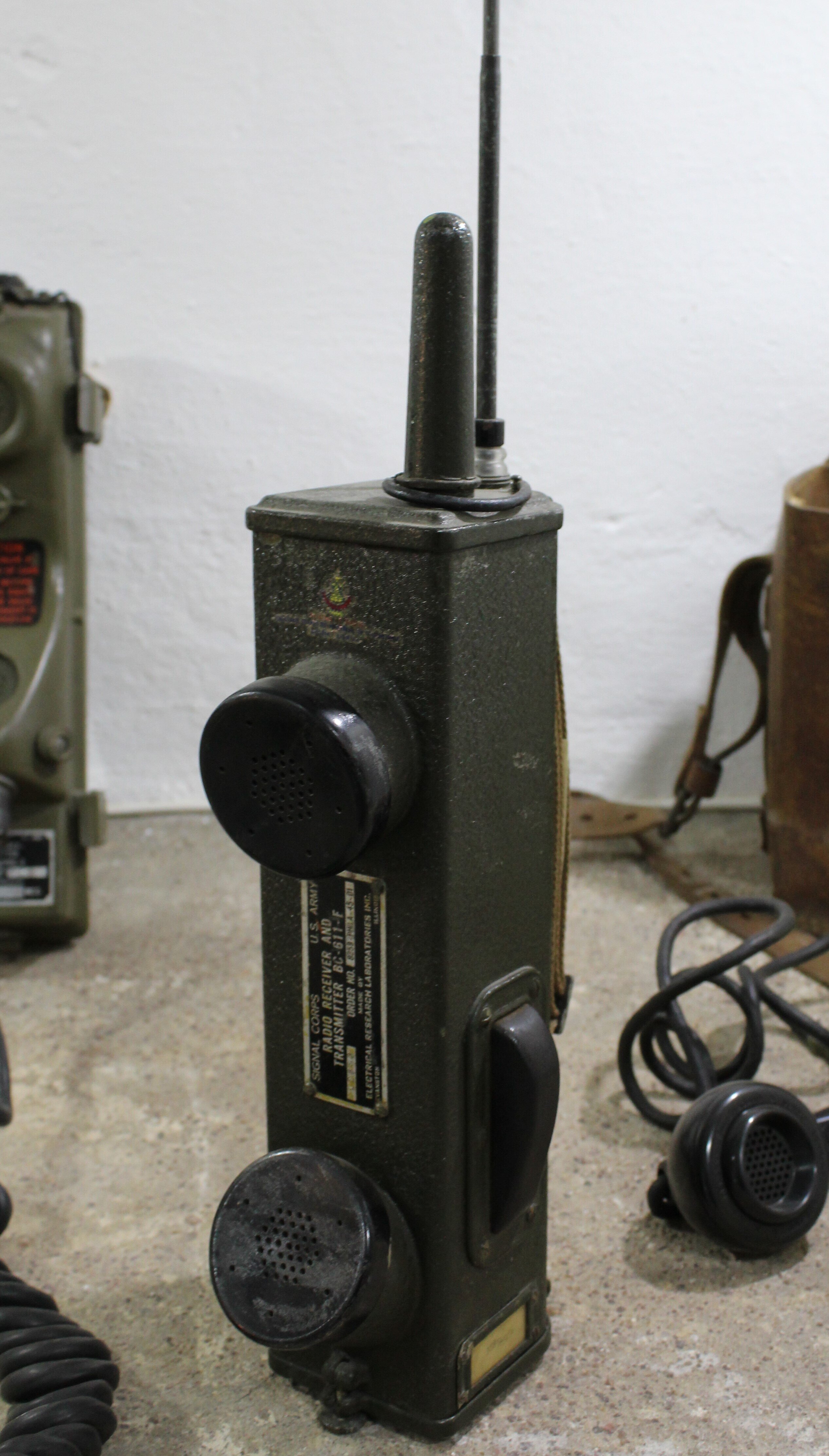
The SCR‑536 Handie‑Talkie gave airborne leaders a crucial communication link during the invasion. Paratroopers were widely scattered after landing, making coordination difficult. Portable radios like the SCR‑536 helped small units reconnect, share intelligence, and direct movements. In an operation where confusion was inevitable, communication equipment could determine success or failure.
Signal Panels
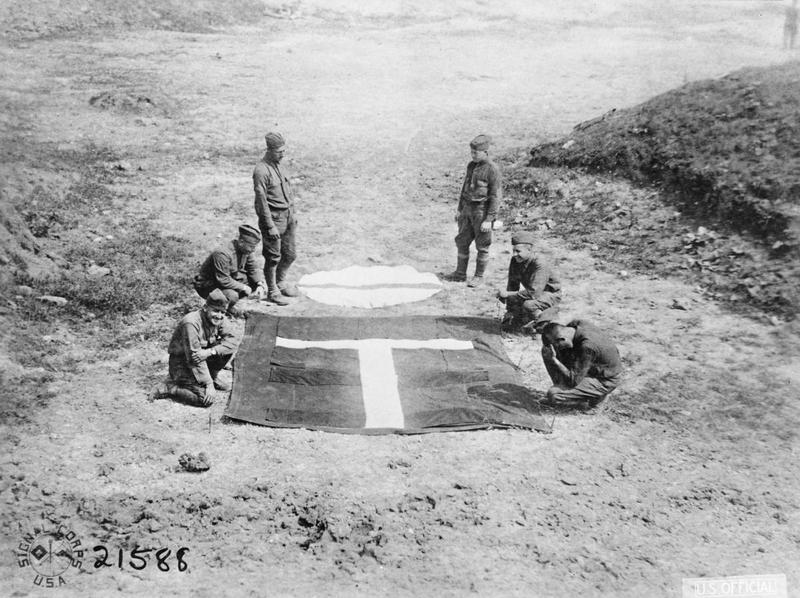
- Category: Communication
- Country: Both
- Year introduced to service: 1942
- Weight (Approx.): Light cloth
- Primary purpose: Air-ground signals
- Used by: Pathfinders
- Why paratroopers needed it: Guide friendly aircraft
Signal panels were brightly colored cloth markers used to communicate with friendly aircraft. Pathfinders and airborne units placed them on the ground to identify positions or landing zones. During the Normandy invasion, these panels helped reduce confusion and allowed pilots to recognize friendly forces in an environment where mistakes could be deadly.
Normandy Maps
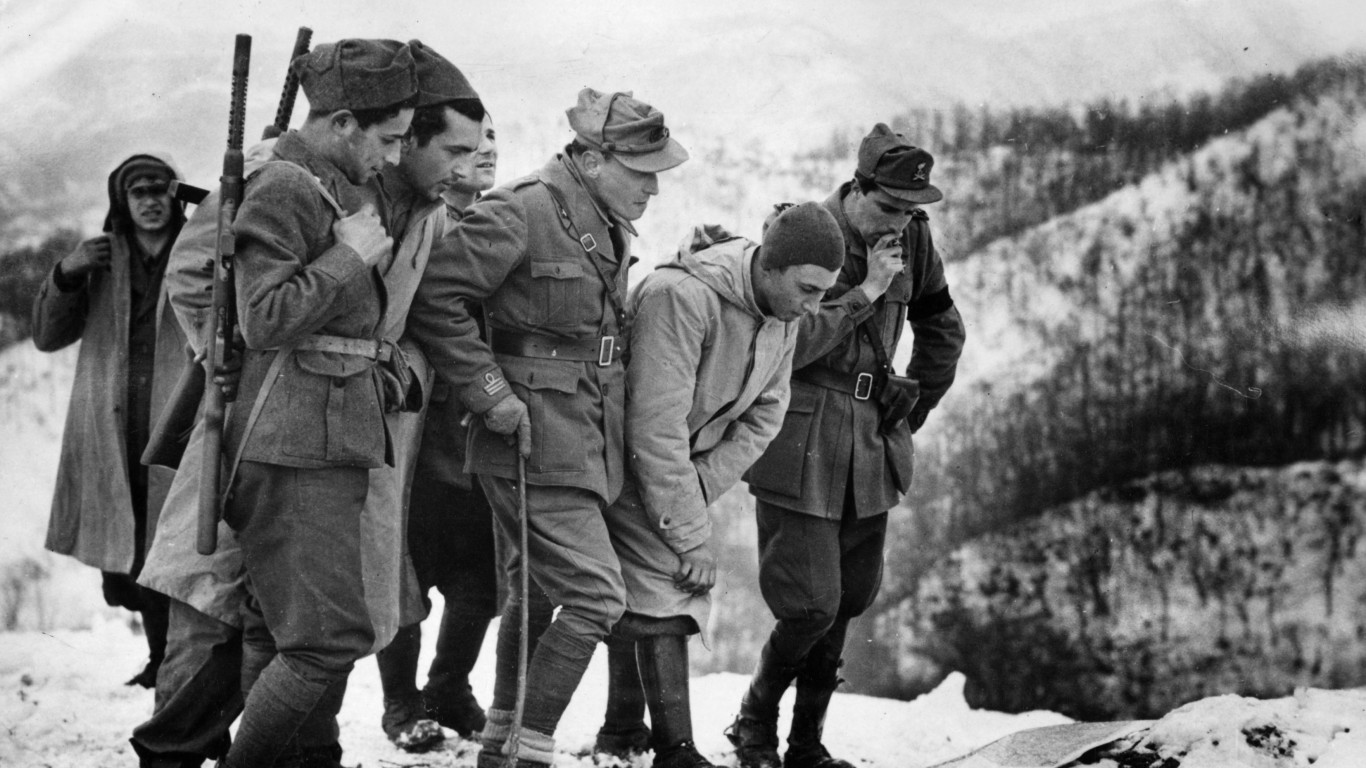
- Category: Navigation
- Country: Both
- Year introduced to service: 1944
- Weight (Approx.): Paper
- Primary purpose: Terrain navigation
- Used by: Officers / NCOs
- Why paratroopers needed it: Locate objectives
Maps of Normandy were essential tools carried by officers and pathfinders responsible for guiding troops toward objectives. Because airborne units often landed far from their intended zones, navigation became critical. Detailed maps helped soldiers orient themselves in unfamiliar terrain and continue their mission despite the confusion of the drop.
Compass

- Category: Navigation
- Country: Both
- Year introduced to service: 1930
- Weight (Approx.): Few ounces
- Primary purpose: Direction finding
- Used by: All troops
- Why paratroopers needed it: Regroup after drop
A simple compass could be one of the most valuable items a paratrooper carried. With units scattered across the countryside at night, knowing direction was essential. Compasses allowed soldiers to move toward rally points, objectives, or friendly forces. In the darkness and confusion of D‑Day, such basic tools were often indispensable.
First Aid Packet
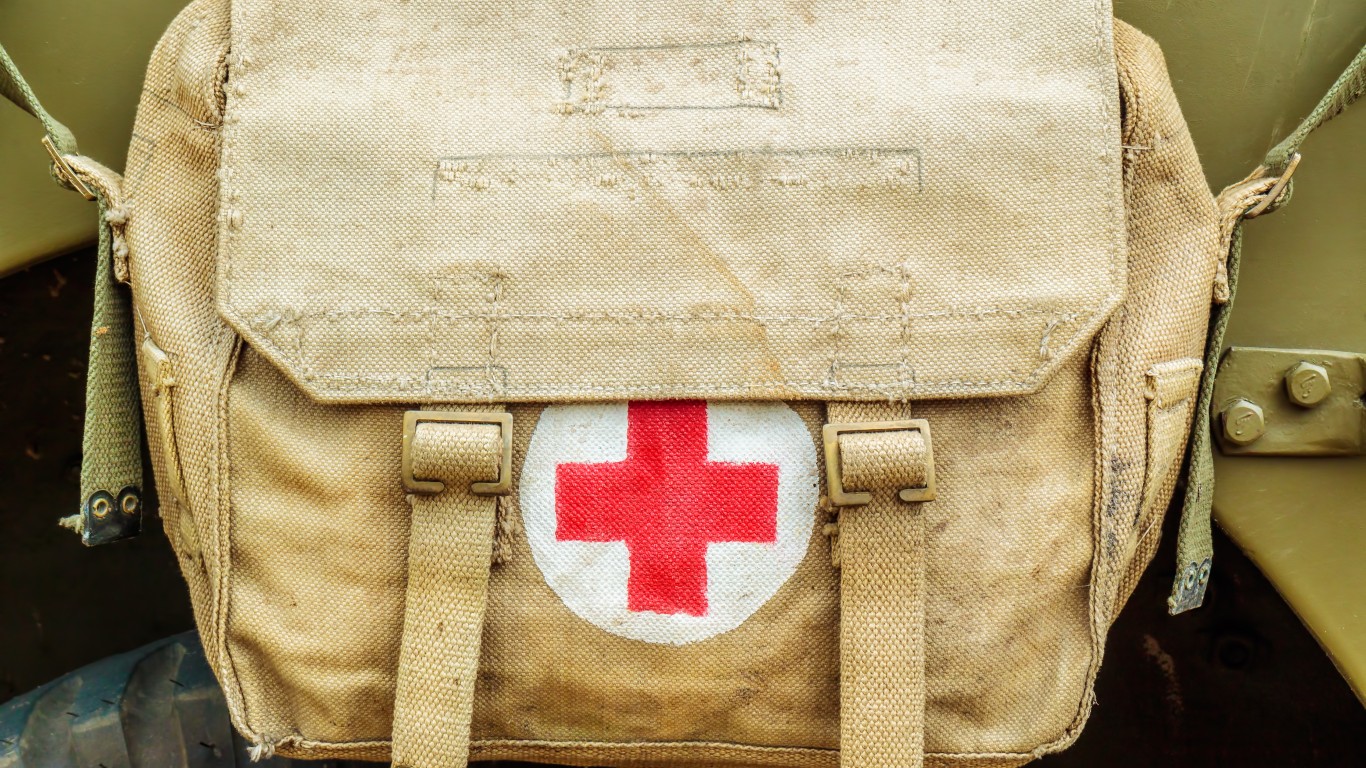
- Category: Medical
- Country: Both
- Year introduced to service: 1920
- Weight (Approx.): ~3 oz
- Primary purpose: Treat wounds
- Used by: All troops
- Why paratroopers needed it: Immediate battlefield care
Every soldier carried a basic first aid packet, usually containing a Carlisle bandage for emergency treatment. In airborne operations where medical support might be far away, the ability to treat wounds immediately could save lives. These small kits allowed paratroopers to stabilize injuries until more comprehensive care became available.
K-Rations

- Category: Supply
- Country: United States
- Year introduced to service: 1942
- Weight (Approx.): ~2 lbs daily
- Primary purpose: Compact meals
- Used by: Airborne troops
- Why paratroopers needed it: Food after landing
K‑rations were compact meal packs designed to keep soldiers fed during short operations. Paratroopers jumping into Normandy carried them to sustain themselves during the critical early hours of the invasion. Though not always popular, the rations provided necessary calories when organized supply lines had not yet been established.
M3 Fighting Knife
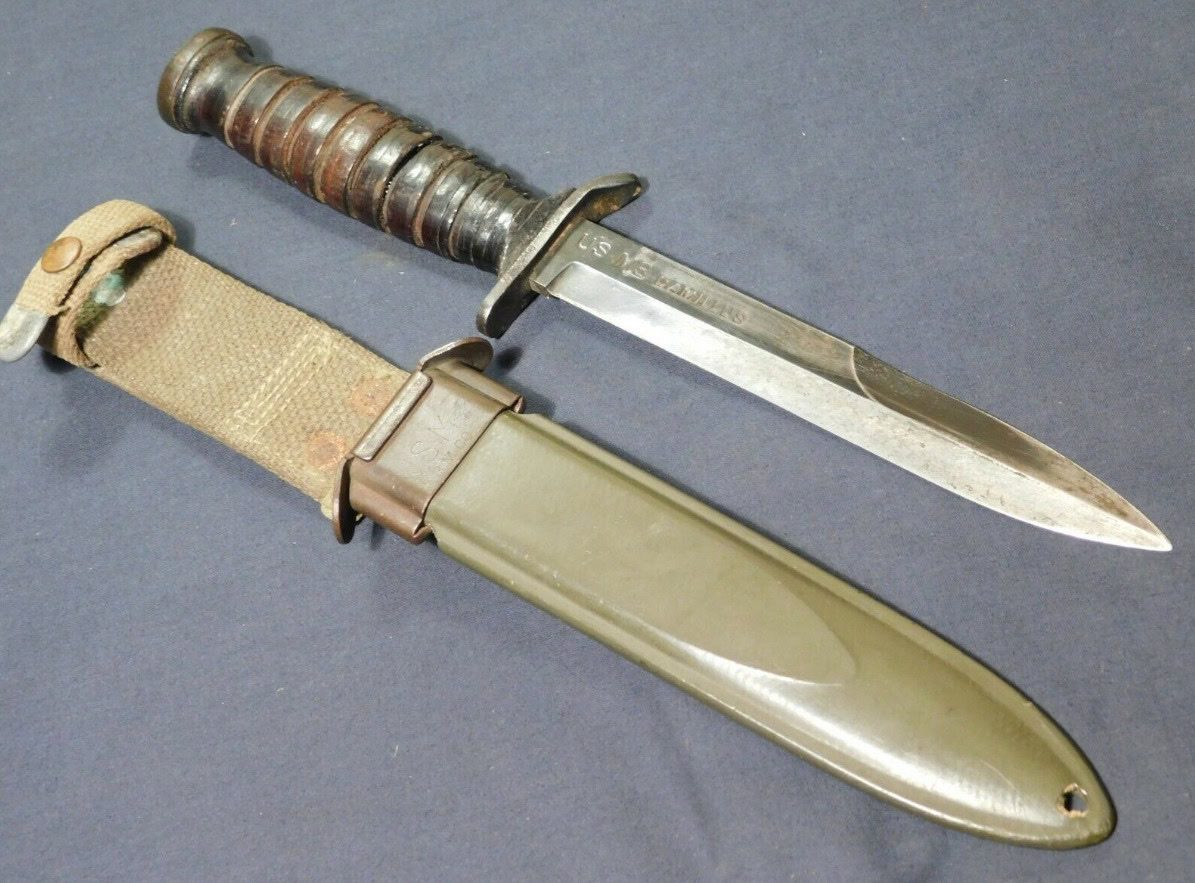
- Category: Weapon
- Country: United States
- Year introduced to service: 1943
- Weight (Approx.): ~7 oz
- Primary purpose: Close combat blade
- Used by: Airborne troops
- Why paratroopers needed it: Utility and fighting tool
The M3 fighting knife served both as a weapon and a practical field tool. Lightweight and easy to carry, it could be used in close combat or everyday tasks such as cutting rope, opening crates, or preparing equipment. For airborne troops operating independently after the drop, versatile tools like this were extremely useful.
Canteen
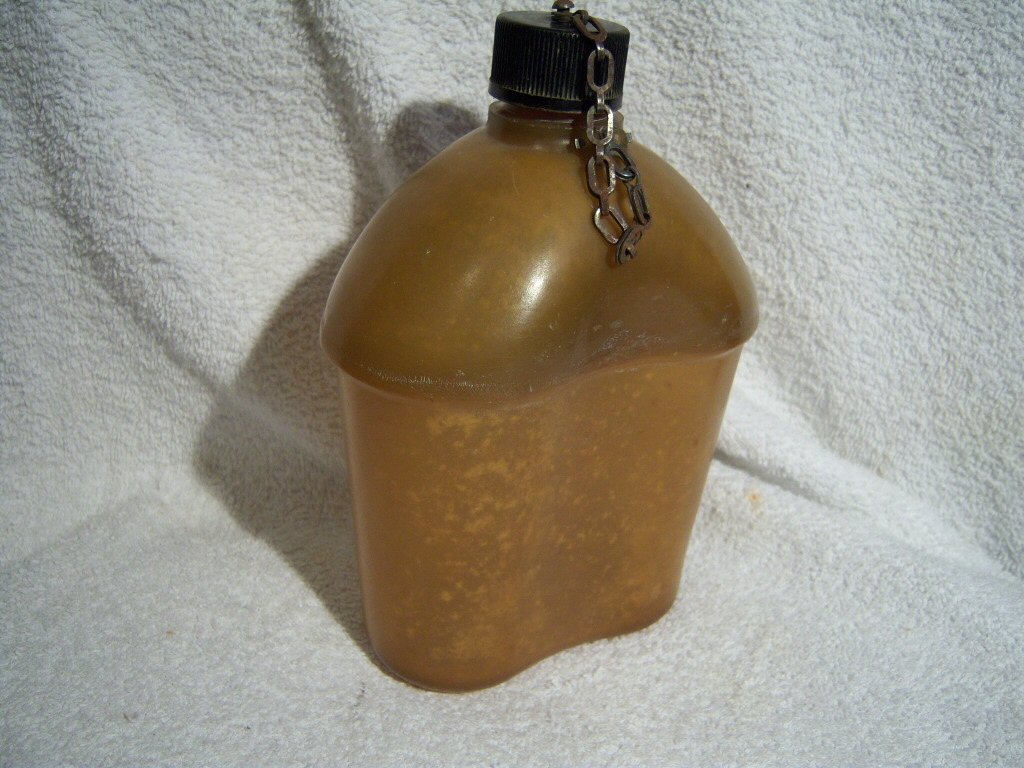
- Category: Supply
- Country: Both
- Year introduced to service: 1910
- Weight (Approx.): ~2 lbs full
- Primary purpose: Water storage
- Used by: All troops
- Why paratroopers needed it: Hydration during operations
Water was a constant concern for soldiers operating in the field. The standard military canteen allowed paratroopers to carry enough water to remain effective during the first stages of the invasion. Combined with a metal cup for heating liquids, the canteen was a basic but essential piece of equipment for sustained operations.
Parachute Harness

- Category: Equipment
- Country: Both
- Year introduced to service: 1942
- Weight (Approx.): Varies
- Primary purpose: Jump equipment
- Used by: Paratroopers
- Why paratroopers needed it: Deliver soldier safely
The parachute harness and reserve chute were the most critical pieces of equipment any airborne soldier carried. Without them, the mission could not even begin. These systems were designed to safely deliver troops and their heavy gear onto the battlefield. For thousands of paratroopers on D‑Day, they marked the first step into combat.
Contact [email protected] for any questions or corrections.
Chris Lange is a financial and geopolitical writer with more than a decade of experience covering a myriad of topics. He has published thousands of articles for 24/7 Wall St., with past coverage focused heavily on stocks, IPOs, healthcare, defense, global affairs, and technology.
His work has been quoted, or referenced by a number of outlets including Business Insider, USA Today, Yahoo Finance, MSN, The Motley Fool, and many other publications. A graduate of Southwestern University, he studied business with a focus on investments and has previous experience in banking and startups.
When not reading or writing the news, he is following his passion for Lacrosse, playing chess, or building solar projects with his dad.