The Rifles That Armed the Major Powers of World War II
World War II produced some of the most recognizable military weapons ever made, but few were more important than the rifles issued to ordinary soldiers. Millions of troops depended on these firearms in nearly every theater of the war. Each…

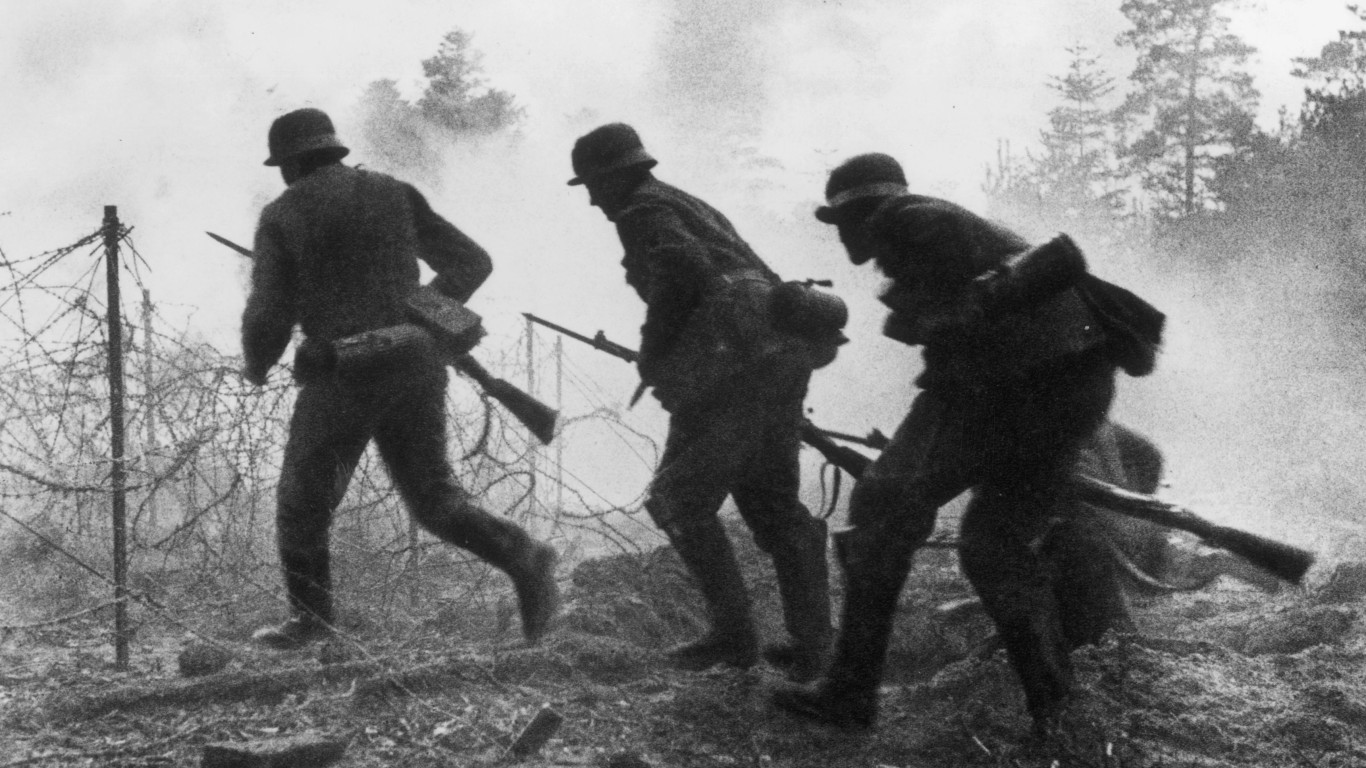
World War II produced some of the most recognizable military weapons ever made, but few were more important than the rifles issued to ordinary soldiers. Millions of troops depended on these firearms in nearly every theater of the war. Each major power fielded rifles that reflected its strategy, manufacturing strength, and battlefield priorities. These are the rifles that armed the armies of World War II and helped shape the fighting on the ground. Here, 24/7 Wall St. is taking a closer look at the rifles that armed the major power of WWII.
To identify the rifles that armed the major powers of World War II, 24/7 Wall St. reviewed various historical and military sources. We included supplemental information for each rifle regarding its country of origin, when it was introduced, its primary role, and ultimately its role in the war.
Here is a look at the rifles that armed the major powers of WWII:
Why Are We Covering This?

Understanding the rifles carried by soldiers during World War II helps explain how armies actually fought on the ground. While large battles often highlight tanks, aircraft, and naval forces, the rifle remained the most important weapon for millions of troops. These firearms shaped infantry tactics, influenced training, and reflected each nation’s industrial and military priorities. Looking at the rifles used by the major powers offers a clearer picture of how the war was fought by the ordinary soldier.
The Rifle of the Ordinary Soldier
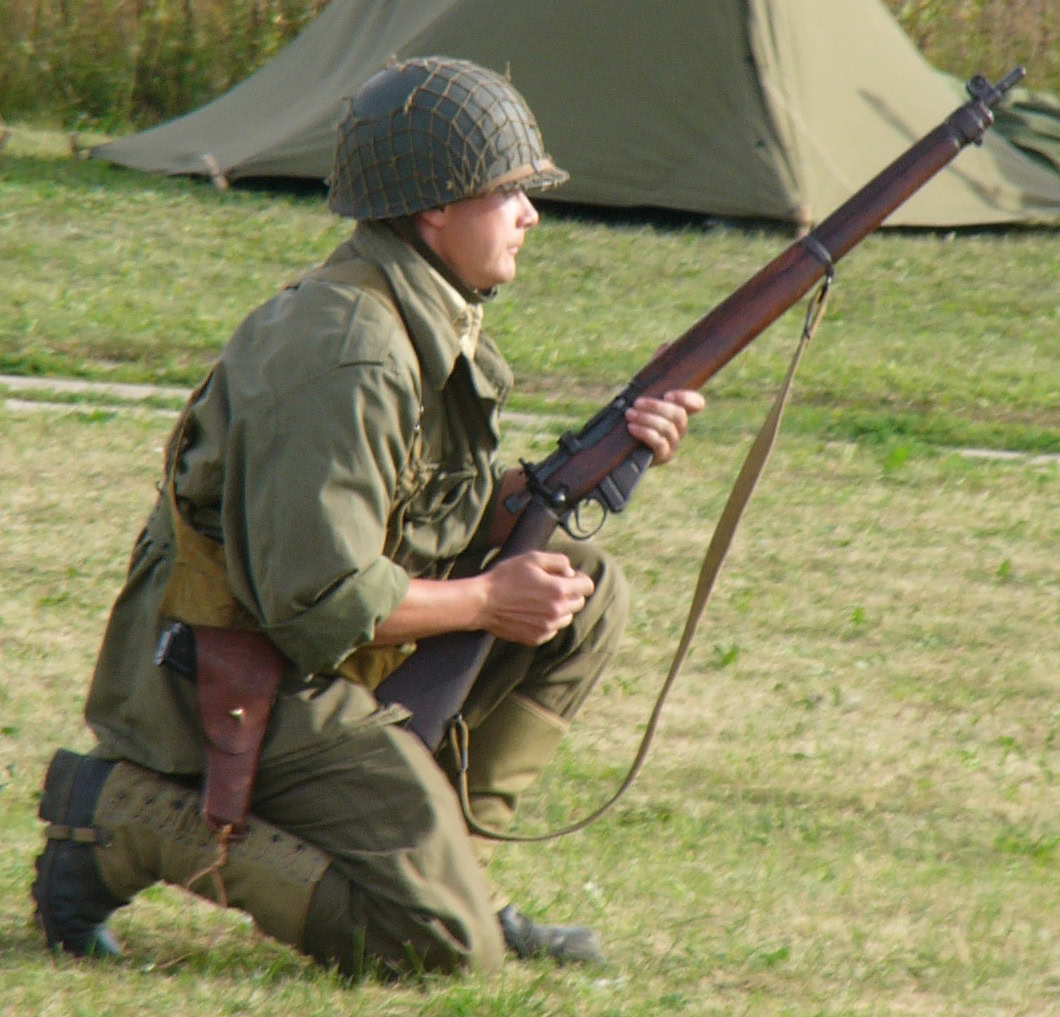
World War II is often remembered for tanks, aircraft, and massive naval battles, but the most common weapon on the battlefield was the infantry rifle. Millions of soldiers across Europe, Asia, and the Pacific relied on a standard service rifle as their primary tool of war. These weapons were carried through trenches, cities, forests, and islands, shaping the everyday experience of combat for soldiers on every side.
Different Nations, Different Designs
Every major power entered the war with its own approach to infantry weapons. Some relied on proven bolt-action designs that emphasized durability and long-range accuracy. Others experimented with newer semi-automatic rifles that allowed faster firing. These choices reflected each nation’s military doctrine, industrial capabilities, and expectations about how the war would be fought.
Industrial Warfare at Massive Scale
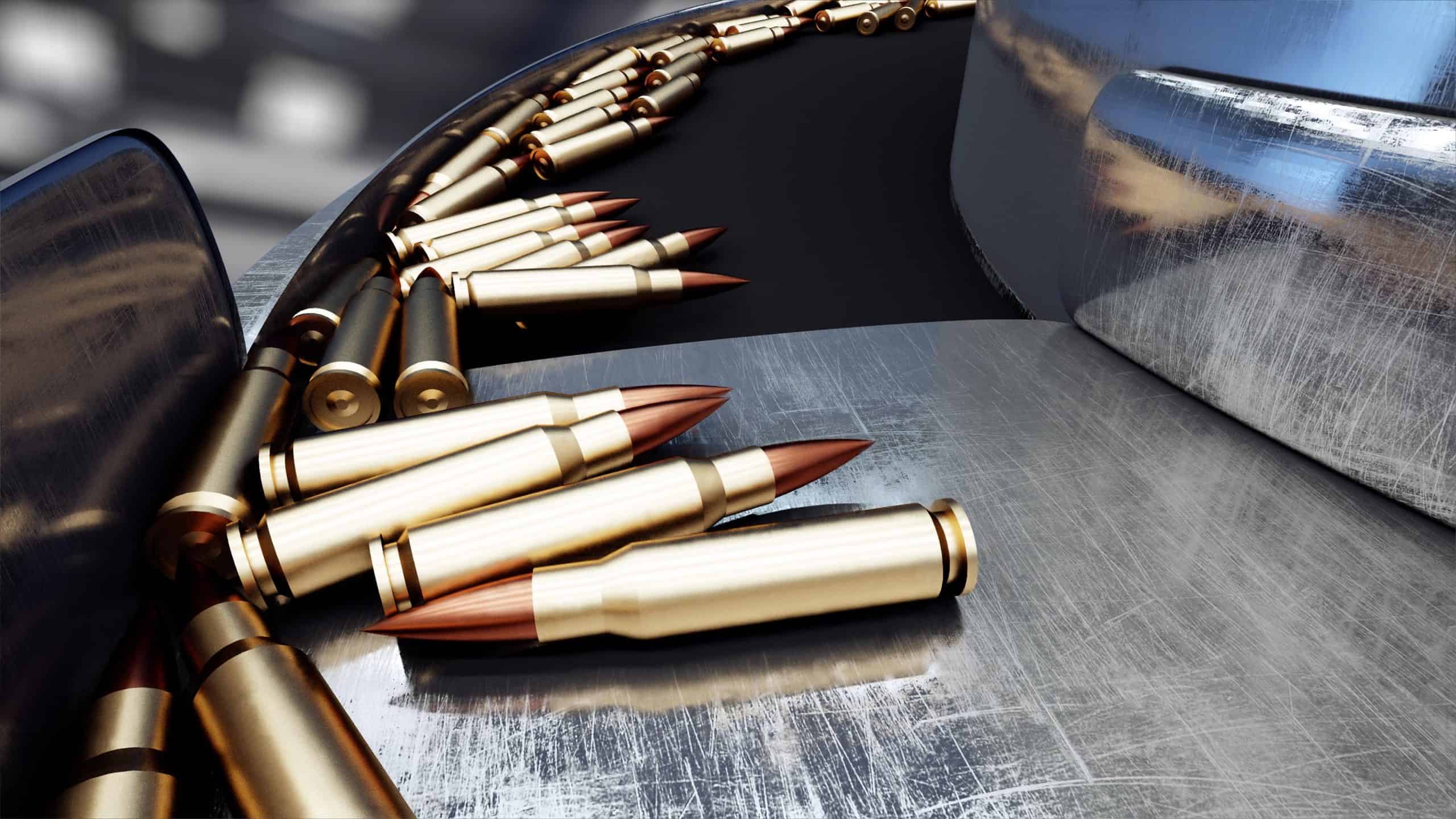
World War II required countries to arm millions of troops in a relatively short period of time. Factories across the United States, Europe, and Asia produced rifles in enormous quantities to keep their armies supplied. Simplicity, reliability, and ease of manufacturing became just as important as battlefield performance when deciding which rifles would equip entire armies.
From Bolt-Action to Semi-Automatic
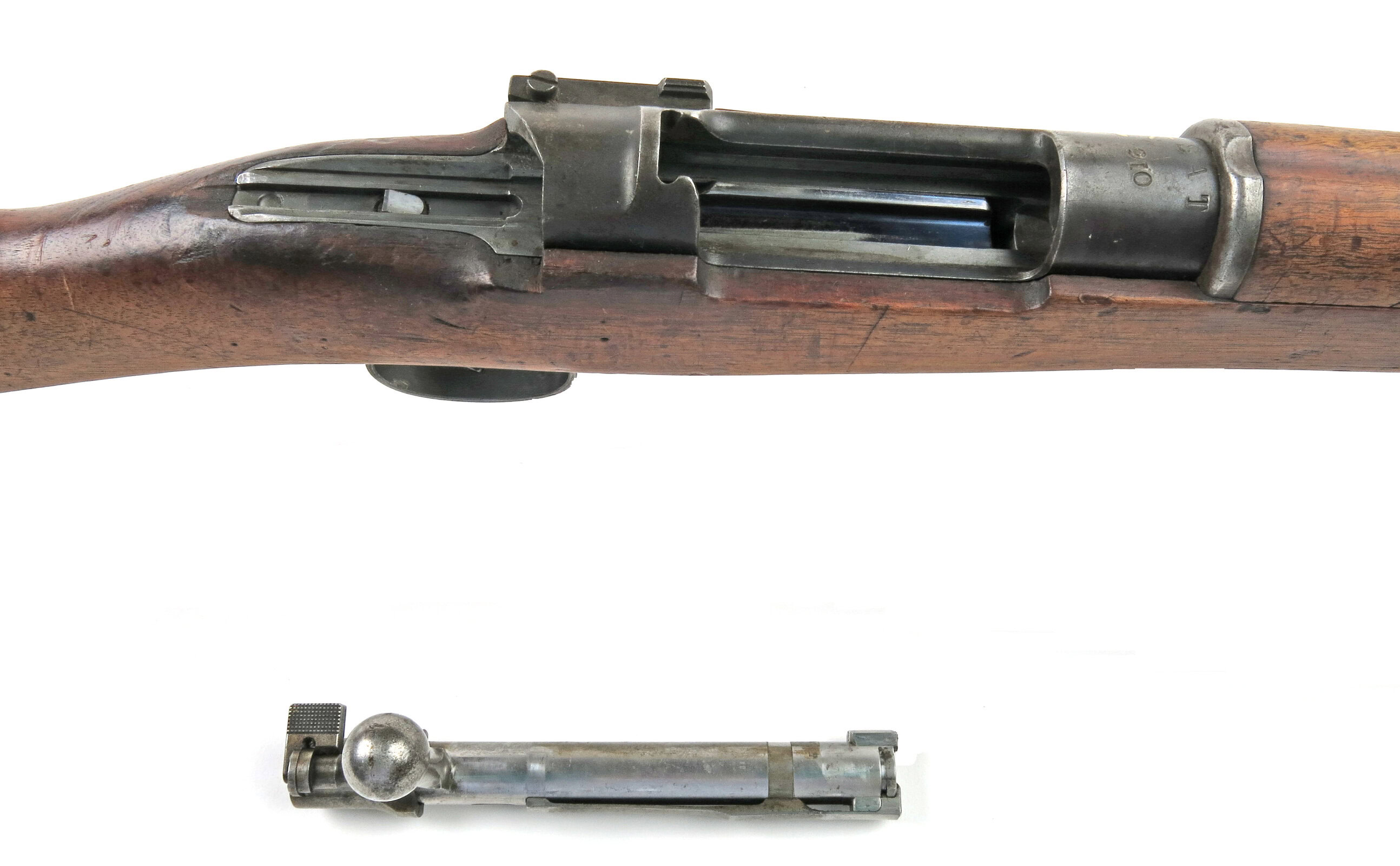
Many soldiers began the war carrying bolt-action rifles that had roots in earlier conflicts. As the war progressed, new designs appeared that increased the rate of fire and changed how infantry units fought. The shift toward semi-automatic rifles hinted at the future of military firearms and showed how quickly technology was evolving during the conflict.
The Weapons That Armed the War
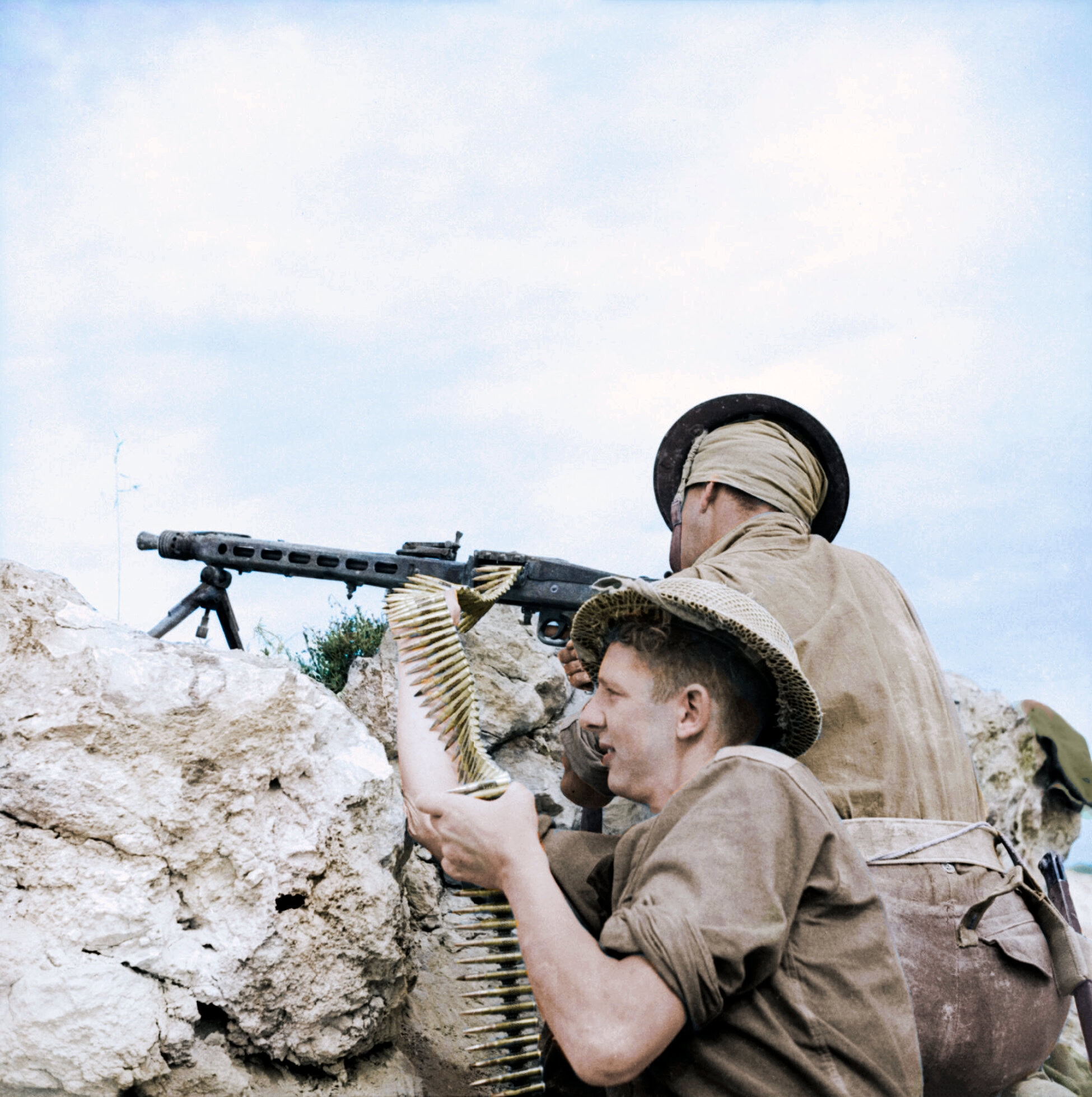
Behind every army were rifles that armed millions of troops and influenced how battles unfolded. Some became famous for their reliability, others for their innovation or the sheer number produced. Together, these rifles tell the story of how the world’s major powers equipped their soldiers during one of the largest conflicts in history.
M1 Garand
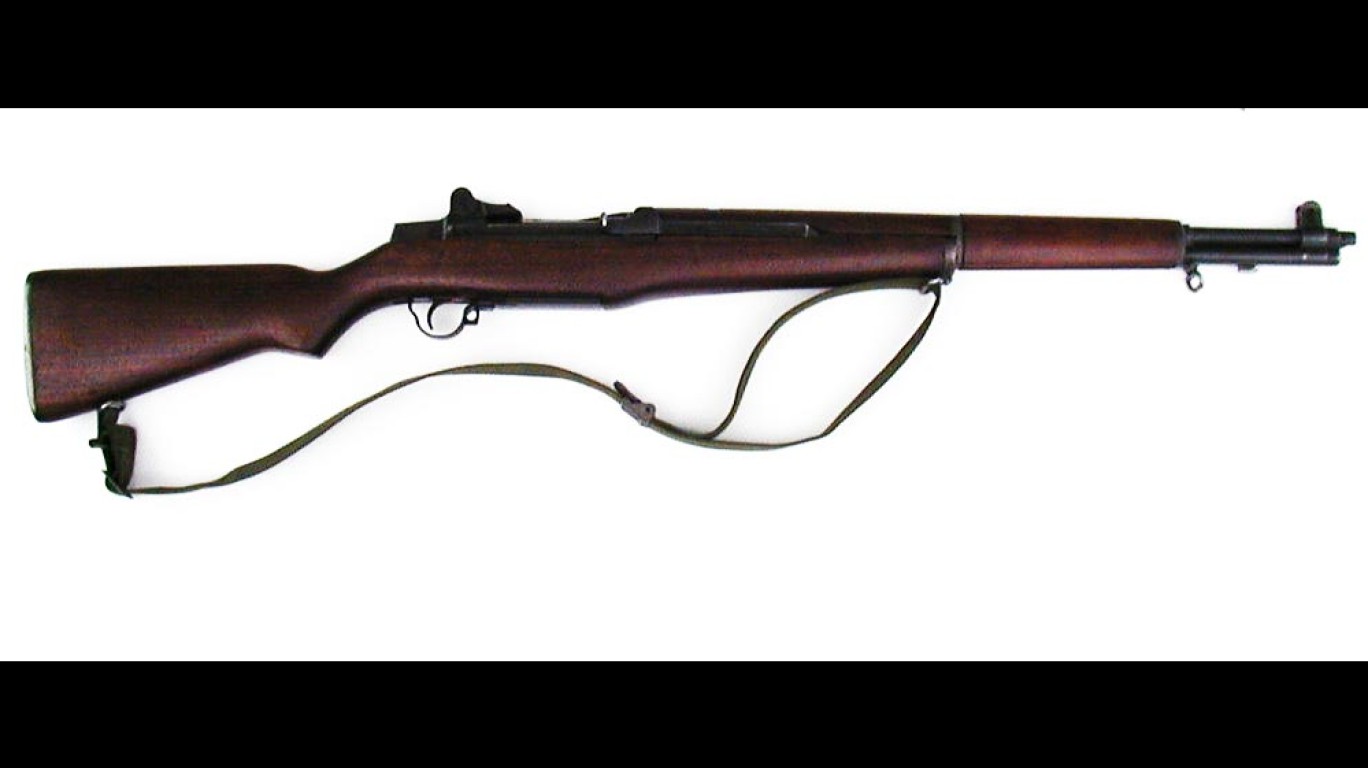
- Country: United States
- Year introduced to service: 1936
- Firing action: Semi-automatic
- Cartridge / caliber: .30-06 Springfield
- Magazine capacity: 8
- Approximate weight: ~9.5 lbs
- Why it mattered: Gave U.S. troops faster sustained fire
The M1 Garand was one of the most important infantry rifles of World War II and gave American soldiers a significant advantage. Its semi‑automatic action allowed troops to fire faster than enemies armed with bolt‑action rifles. Issued widely across U.S. forces, the Garand became a defining weapon of American infantry doctrine during the war.
M1903 Springfield
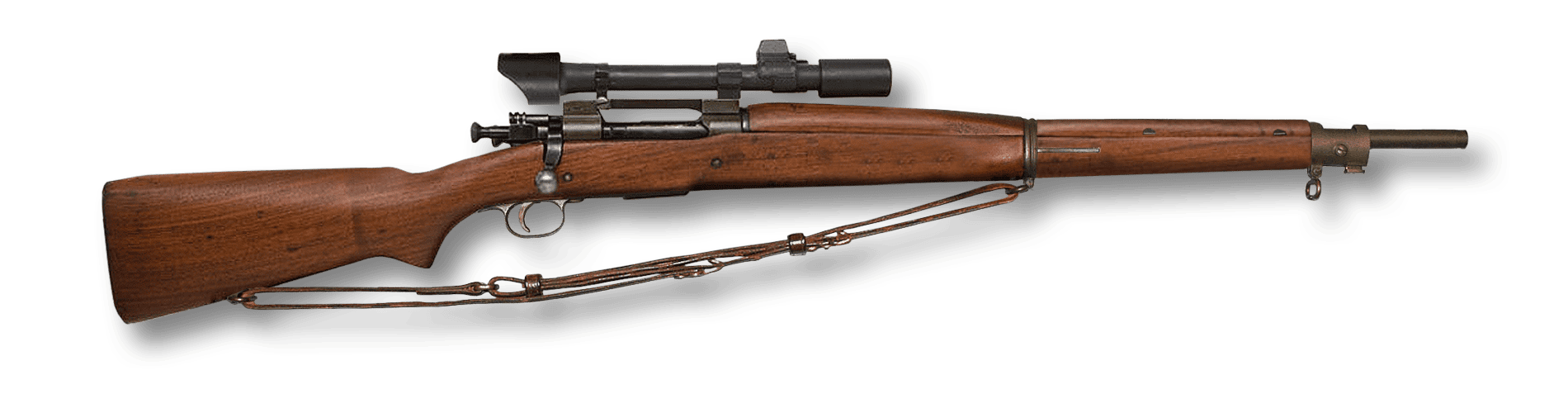
- Country: United States
- Year introduced to service: 1903
- Firing action: Bolt-action
- Cartridge / caliber: .30-06 Springfield
- Magazine capacity: 5
- Approximate weight: ~8.7 lbs
- Why it mattered: Accurate and widely used early in the war
The M1903 Springfield remained an important rifle for American forces even after the adoption of the M1 Garand. Known for its accuracy and reliability, it served both as a frontline weapon early in the war and as a sniper platform throughout the conflict. Many specialized troops continued to rely on it during major campaigns.
M1 Carbine
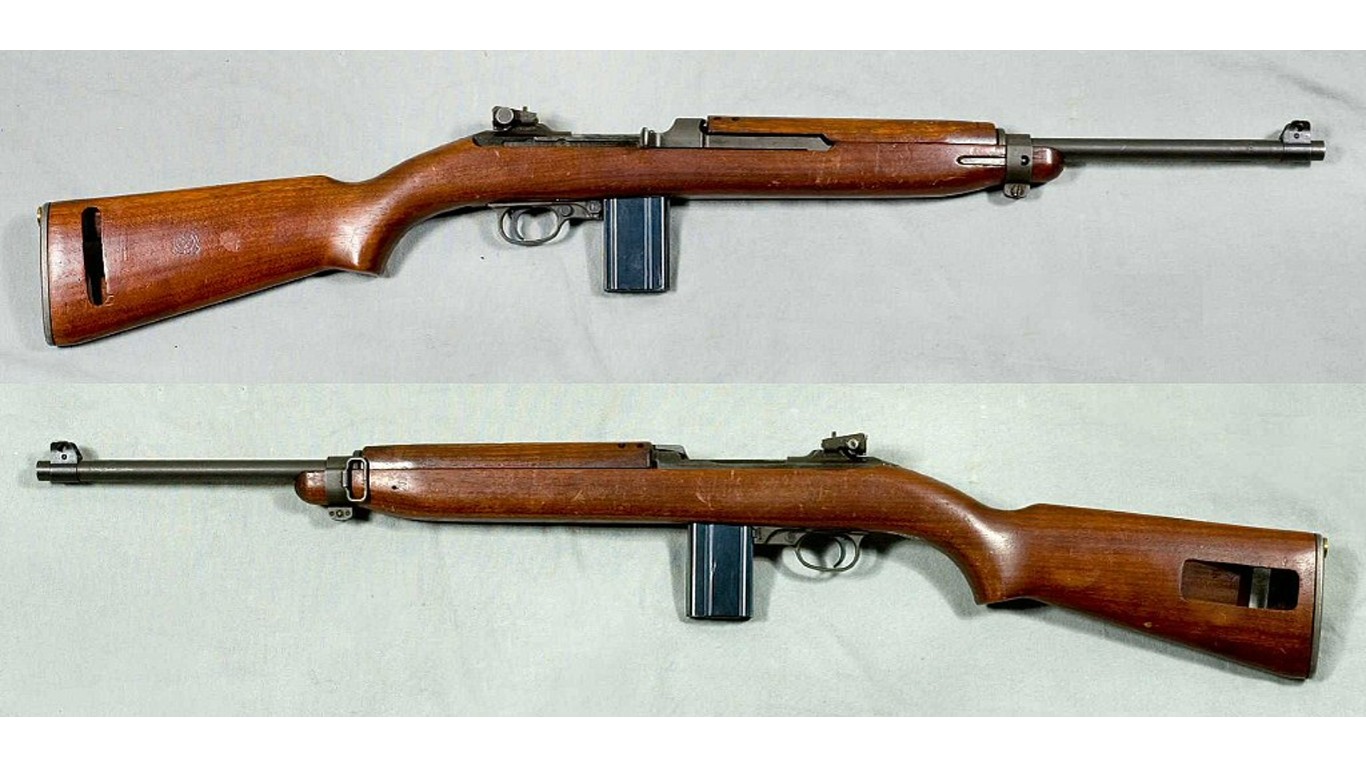
- Country: United States
- Year introduced to service: 1942
- Firing action: Semi-automatic
- Cartridge / caliber: .30 Carbine
- Magazine capacity: 15
- Approximate weight: ~5.2 lbs
- Why it mattered: Lightweight weapon issued widely
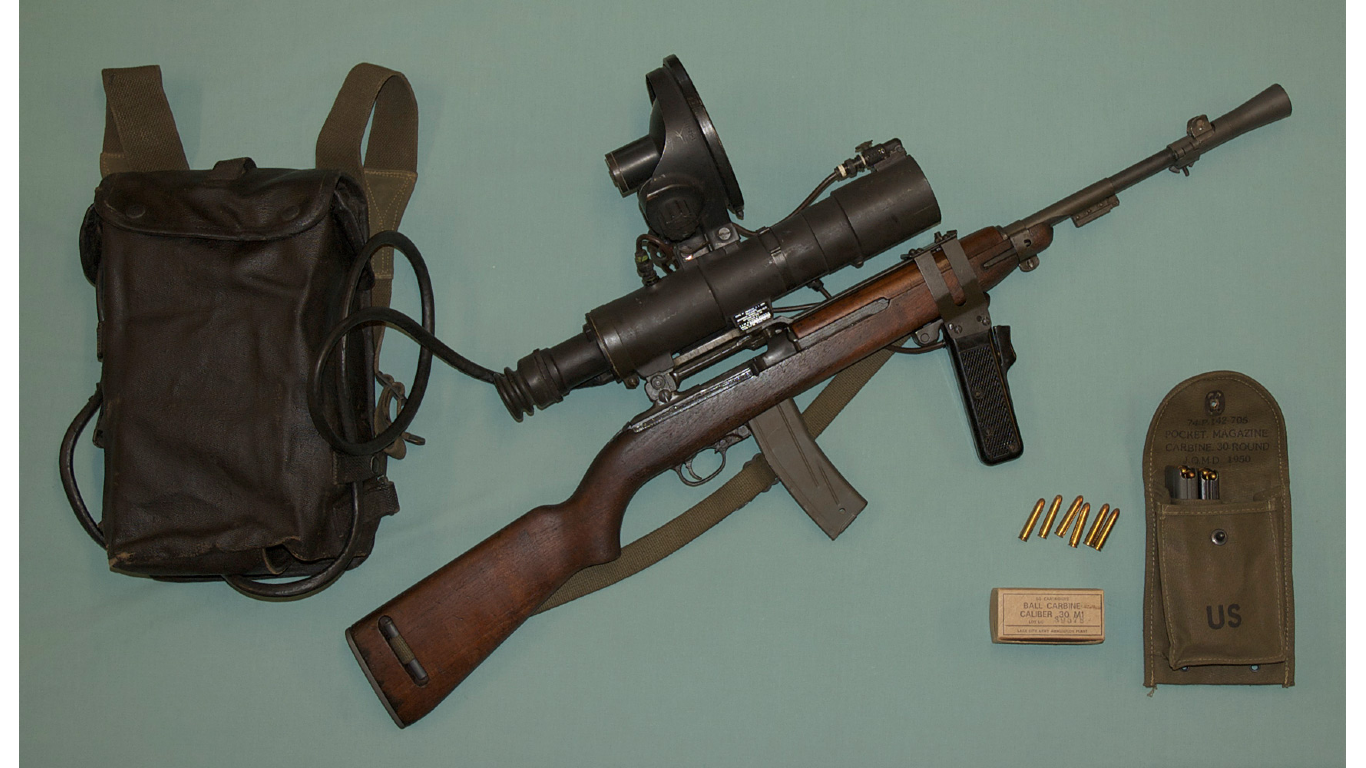
The M1 Carbine was designed to give support troops a lighter weapon than a full‑size rifle. Compact and easy to handle, it was issued to paratroopers, officers, and vehicle crews across multiple theaters. Though less powerful than larger rifles, its mobility and ease of use made it one of the most widely produced firearms of the war.
Karabiner 98k
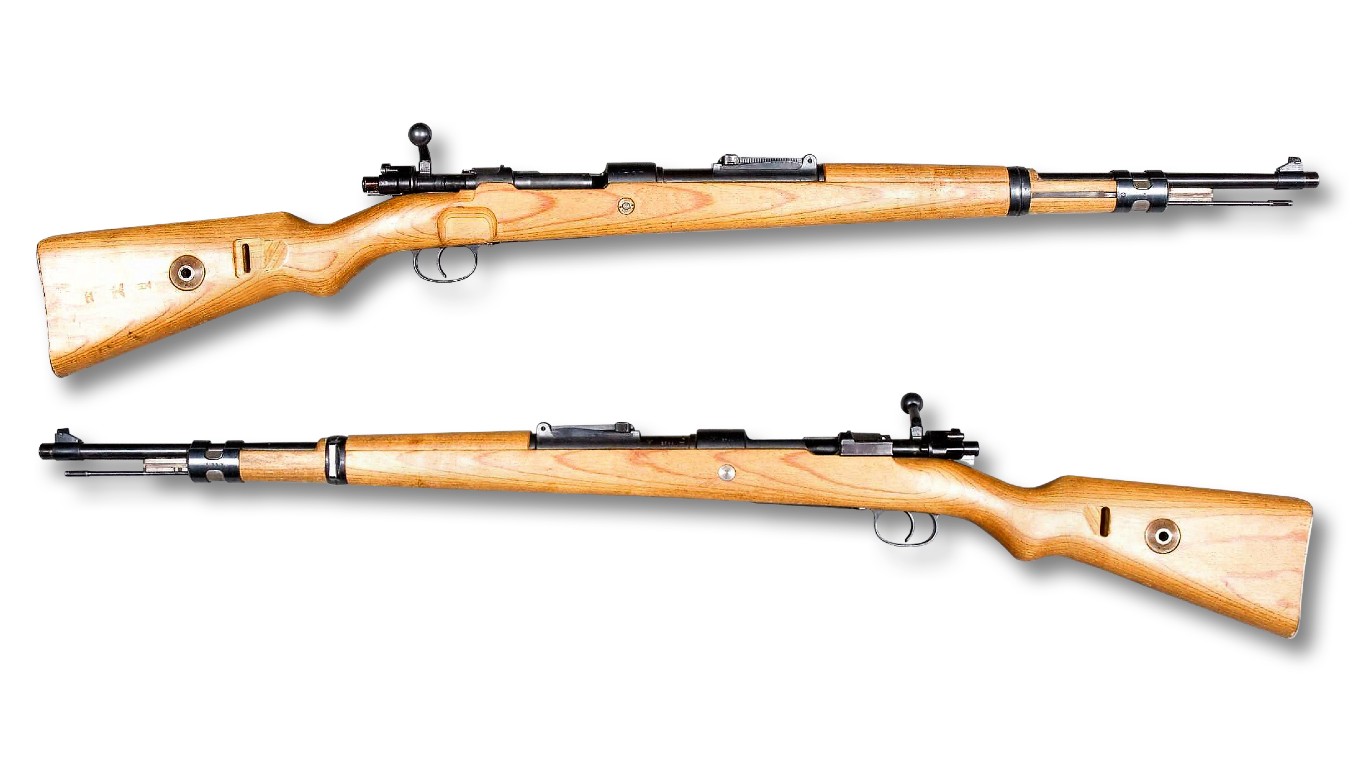
- Country: Germany
- Year introduced to service: 1935
- Firing action: Bolt-action
- Cartridge / caliber: 7.92×57 Mauser
- Magazine capacity: 5
- Approximate weight: ~8.6 lbs
- Why it mattered: Backbone of German infantry
The Karabiner 98k served as the primary rifle of the German military throughout World War II. Built on the famous Mauser action, it was known for strength, reliability, and accuracy. German infantry units relied on the rifle in campaigns across Europe, North Africa, and the Eastern Front, making it one of the most recognizable weapons of the war.
Gewehr 43
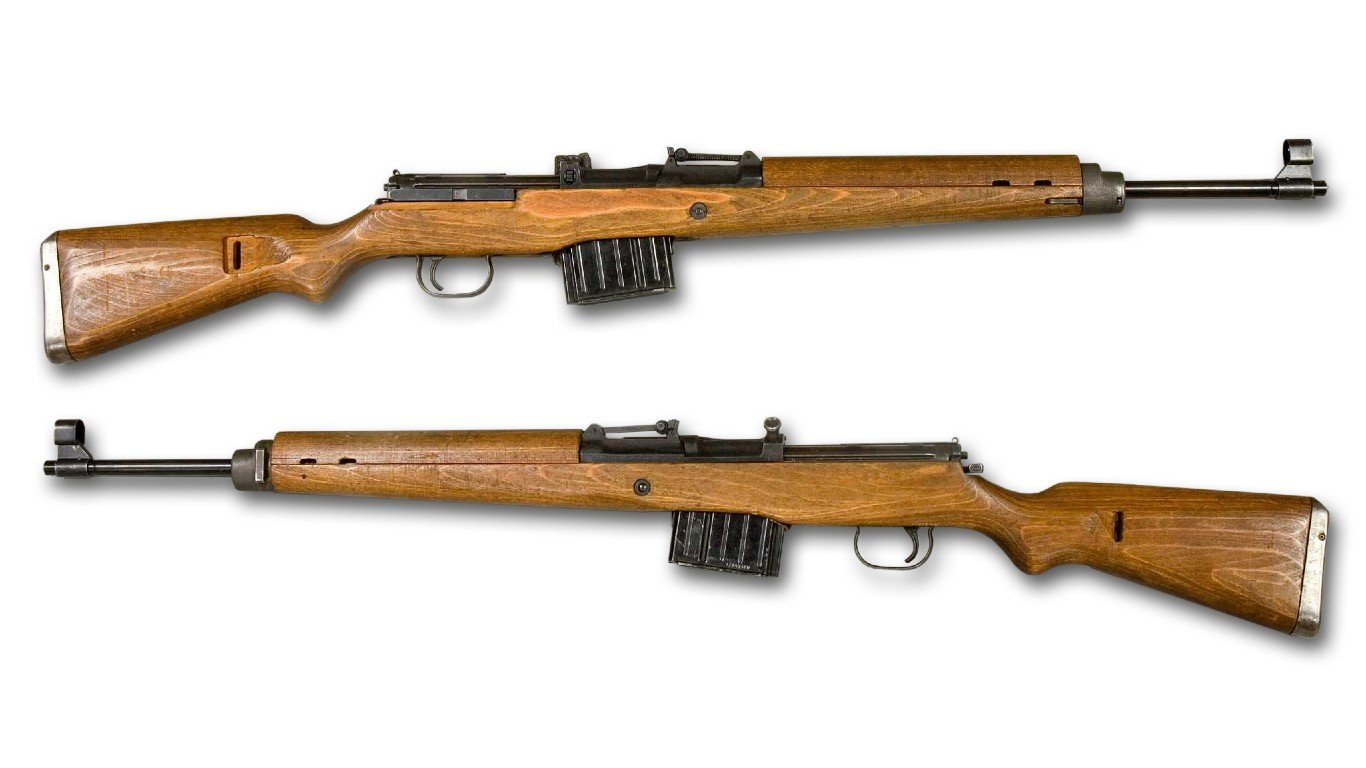
- Country: Germany
- Year introduced to service: 1943
- Firing action: Semi-automatic
- Cartridge / caliber: 7.92×57 Mauser
- Magazine capacity: 10
- Approximate weight: ~9.7 lbs
- Why it mattered: Germany’s response to semi-auto rifles
The Gewehr 43 represented Germany’s attempt to match the advantages of Allied semi‑automatic rifles. Designed to provide faster follow‑up shots than traditional bolt‑action weapons, it was issued in limited numbers to infantry and marksmen. While never replacing the Kar98k, it demonstrated the growing importance of semi‑automatic firepower in modern warfare.
Gewehr 41
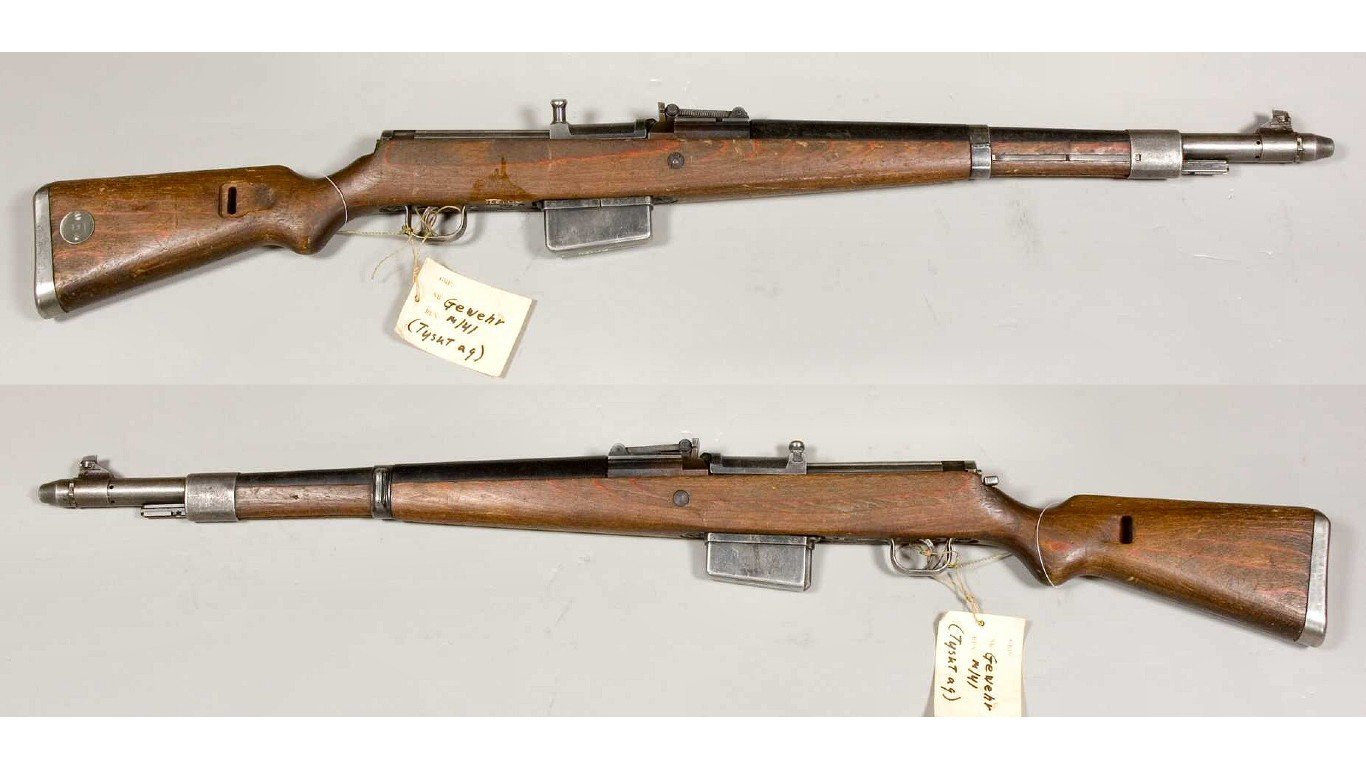
- Country: Germany
- Year introduced to service: 1941
- Firing action: Semi-automatic
- Cartridge / caliber: 7.92×57 Mauser
- Magazine capacity: 10
- Approximate weight: ~10.6 lbs
- Why it mattered: Early semi-auto design
The Gewehr 41 was an early German attempt to develop a semi‑automatic service rifle. Although the design proved complicated and somewhat unreliable, it marked an important step in Germany’s search for faster infantry weapons. Lessons learned from the G41 directly influenced the later development of the more successful Gewehr 43.
Volkssturmgewehr VG 1-5
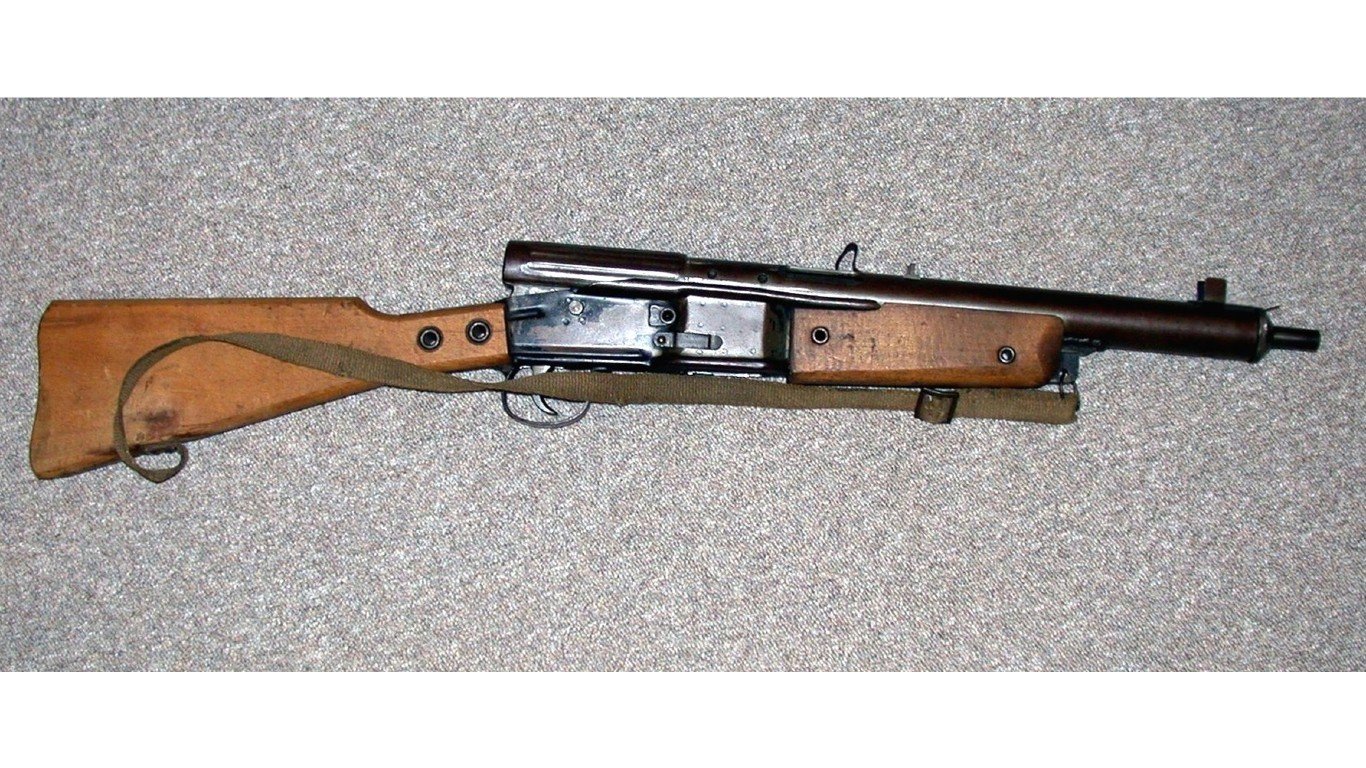
- Country: Germany
- Year introduced to service: 1945
- Firing action: Semi-automatic
- Cartridge / caliber: 7.92×33 Kurz
- Magazine capacity: 30
- Approximate weight: ~9 lbs
- Why it mattered: Late-war emergency weapon
The Volkssturmgewehr VG 1‑5 appeared late in the war as Germany struggled to arm newly formed militia units. Built quickly and cheaply, it reflected the desperate industrial conditions of the final months of the conflict. Though limited in impact, the rifle illustrates how nations adapted their weapons production during total war.
Lee-Enfield No.4 Mk I
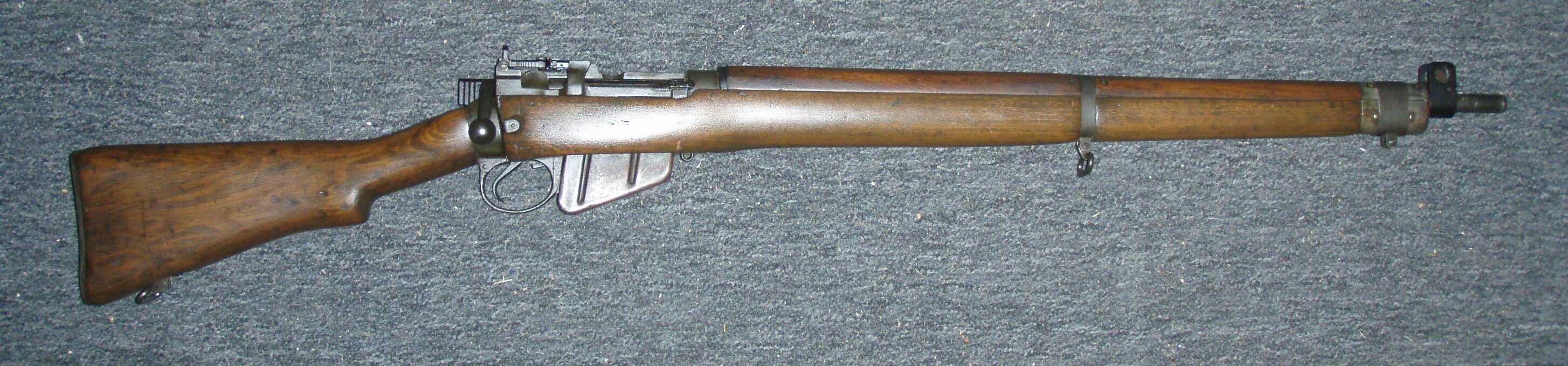
- Country: United Kingdom
- Year introduced to service: 1941
- Firing action: Bolt-action
- Cartridge / caliber: .303 British
- Magazine capacity: 10
- Approximate weight: ~9.0 lbs
- Why it mattered: Fast firing bolt-action rifle
The Lee‑Enfield No.4 Mk I became the standard rifle of British and Commonwealth forces during World War II. Its smooth bolt and ten‑round magazine allowed trained soldiers to fire rapidly while maintaining accuracy. Used in campaigns from North Africa to Europe and Asia, it became one of the defining rifles of the Allied armies.
Lee-Enfield No.1 Mk III*
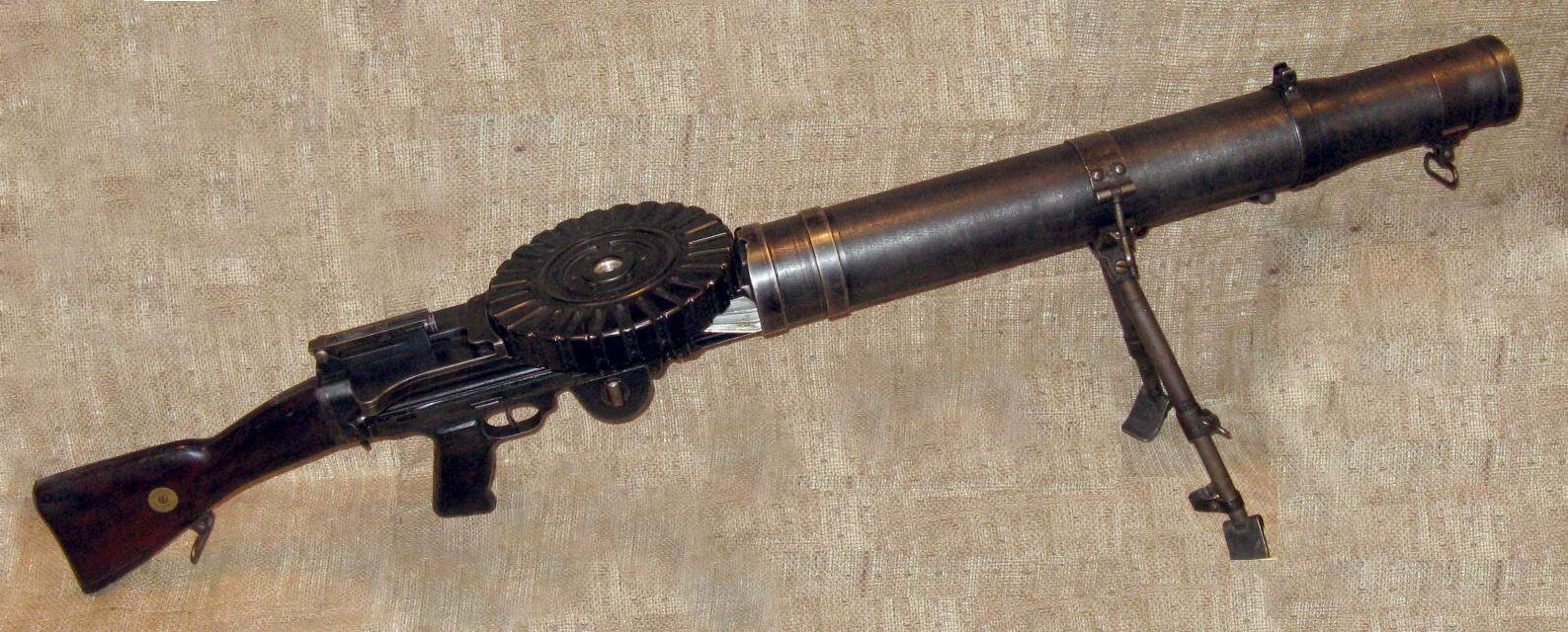
- Country: United Kingdom
- Year introduced to service: 1907
- Firing action: Bolt-action
- Cartridge / caliber: .303 British
- Magazine capacity: 10
- Approximate weight: ~8.8 lbs
- Why it mattered: Widely used across the empire
The Lee‑Enfield No.1 Mk III* had already seen service in World War I but remained widely used during the early years of the second global conflict. Troops across the British Empire relied on the rifle due to its proven reliability and rapid rate of fire. It played a key role in many early wartime campaigns.
Lee-Enfield No.5 Mk I
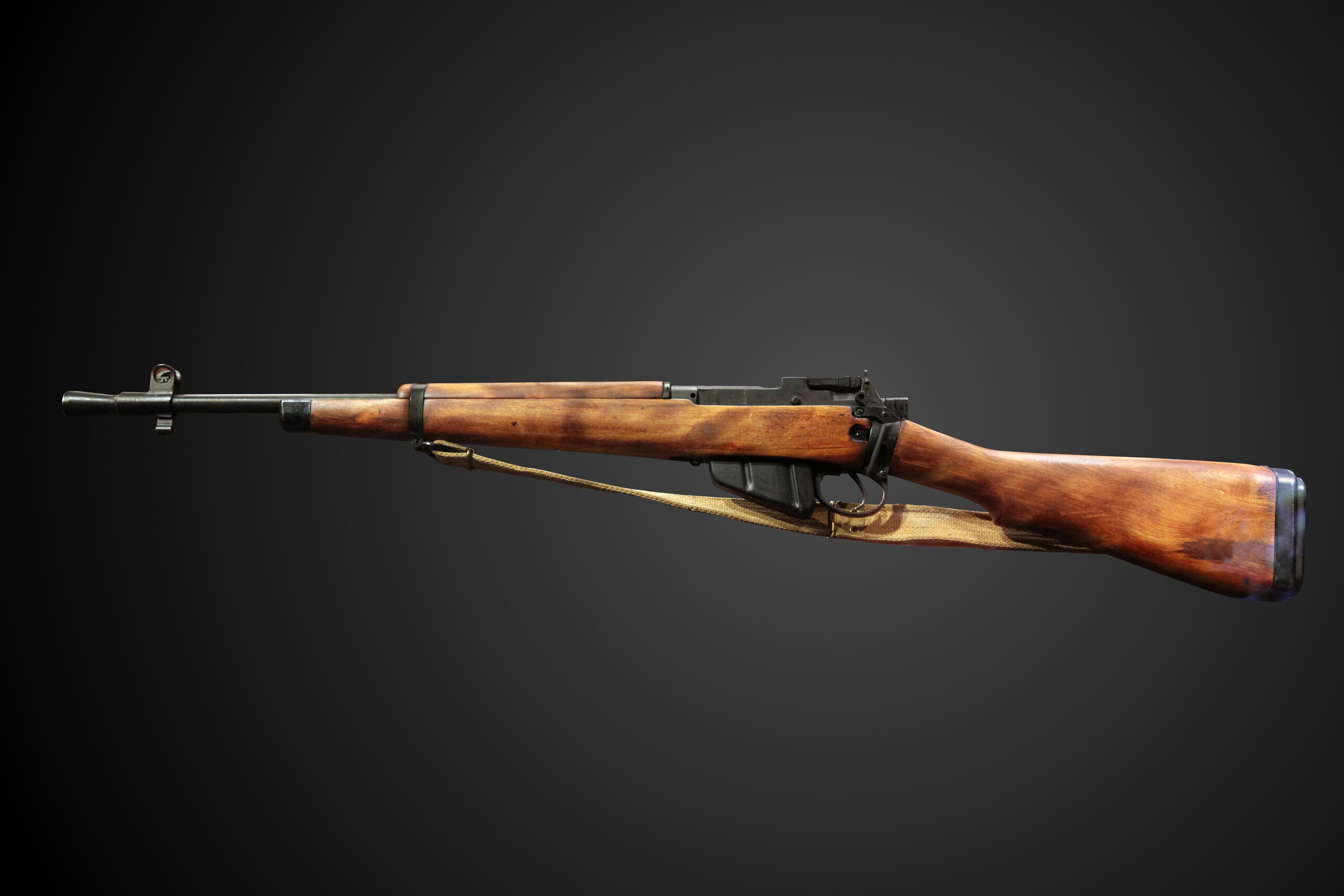
- Country: United Kingdom
- Year introduced to service: 1944
- Firing action: Bolt-action
- Cartridge / caliber: .303 British
- Magazine capacity: 10
- Approximate weight: ~7.1 lbs
- Why it mattered: Lightened carbine for jungle fighting
The Lee‑Enfield No.5 Mk I, often called the Jungle Carbine, was developed to give British troops a lighter rifle in difficult terrain. Shorter and easier to carry than earlier versions, it was intended for operations in dense jungle environments. Its design reflects how armies adapted their equipment to different battlefields.
Mosin-Nagant M91/30
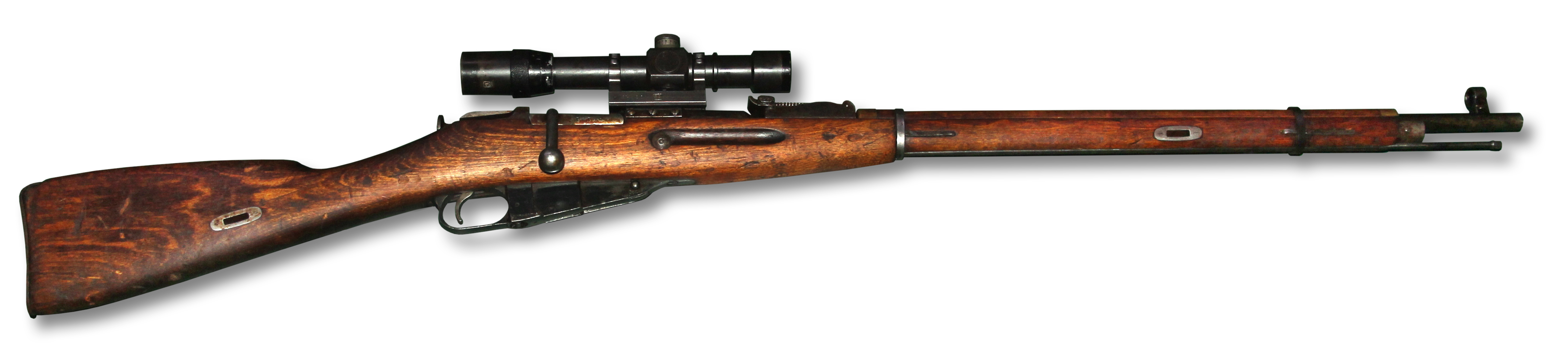
- Country: Soviet Union
- Year introduced to service: 1930
- Firing action: Bolt-action
- Cartridge / caliber: 7.62×54R
- Magazine capacity: 5
- Approximate weight: ~8.8 lbs
- Why it mattered: Mass produced for Red Army
The Mosin‑Nagant M91/30 was the most widely issued rifle of the Soviet Red Army during World War II. Produced in enormous numbers, it armed millions of soldiers on the Eastern Front. Rugged and simple, the rifle performed well in harsh conditions and became one of the most common firearms of the entire conflict.
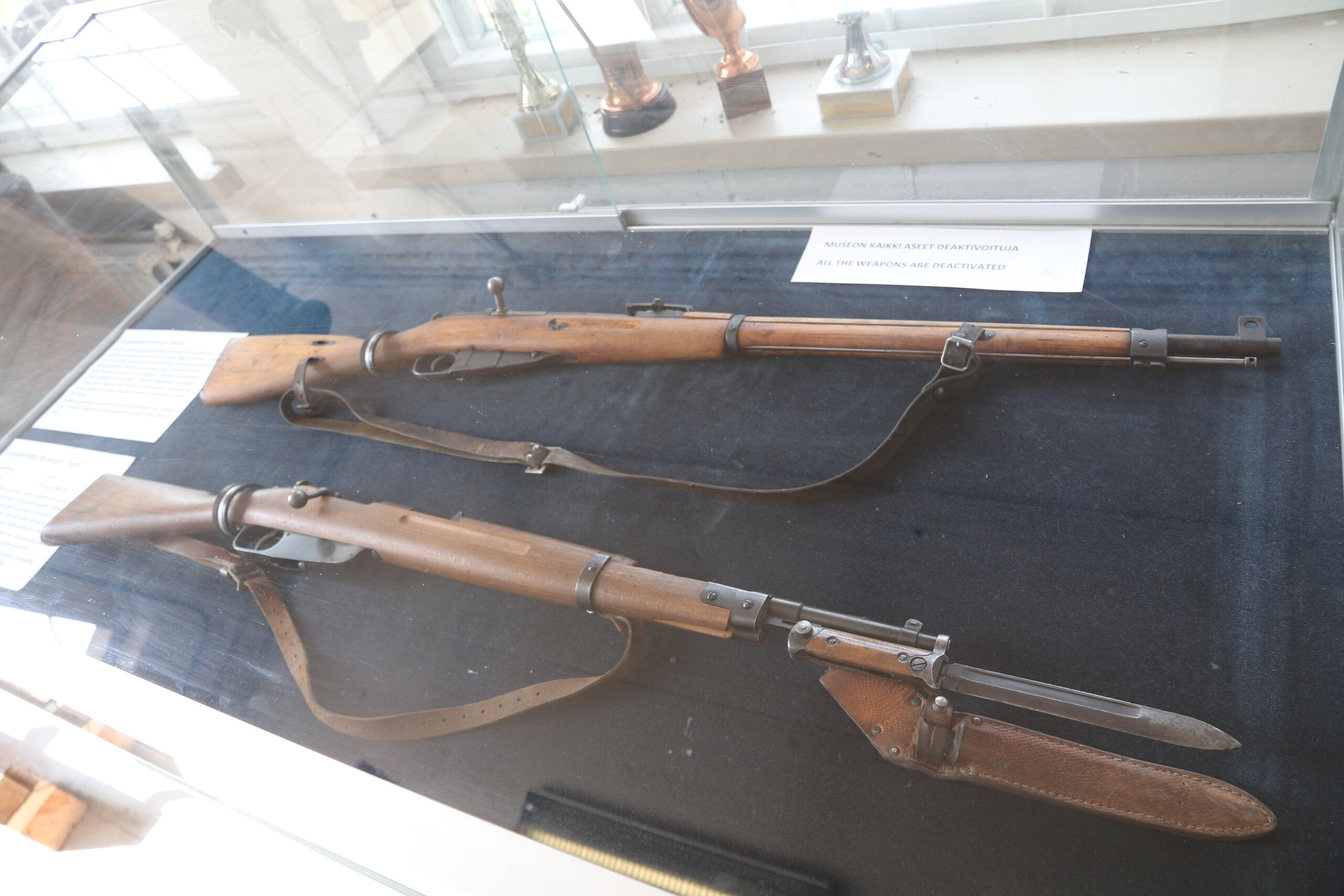
Mosin-Nagant M38
- Country: Soviet Union
- Year introduced to service: 1939
- Firing action: Bolt-action
- Cartridge / caliber: 7.62×54R
- Magazine capacity: 5
- Approximate weight: ~7.5 lbs
- Why it mattered: Short rifle for mobile troops
The Mosin‑Nagant M38 carbine offered a shorter and more maneuverable alternative to the standard infantry rifle. Designed for engineers, artillery crews, and other mobile troops, it allowed soldiers to carry a powerful weapon without the length of a full rifle. The carbine was especially useful in fast‑moving combat situations.
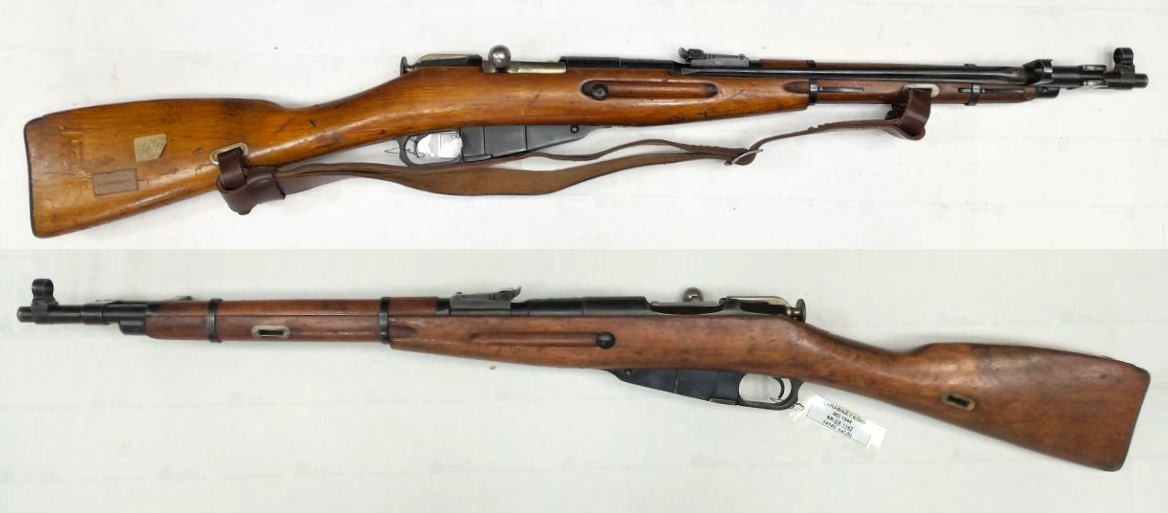
Mosin-Nagant M44
- Country: Soviet Union
- Year introduced to service: 1944
- Firing action: Bolt-action
- Cartridge / caliber: 7.62×54R
- Magazine capacity: 5
- Approximate weight: ~8.1 lbs
- Why it mattered: Integrated folding bayonet
The Mosin‑Nagant M44 carbine was introduced late in the war as an improved compact rifle for Soviet troops. Its permanently attached folding bayonet reflected the Red Army’s emphasis on close combat. Though arriving late in the conflict, the design became widely used in the final stages of the war and afterward.
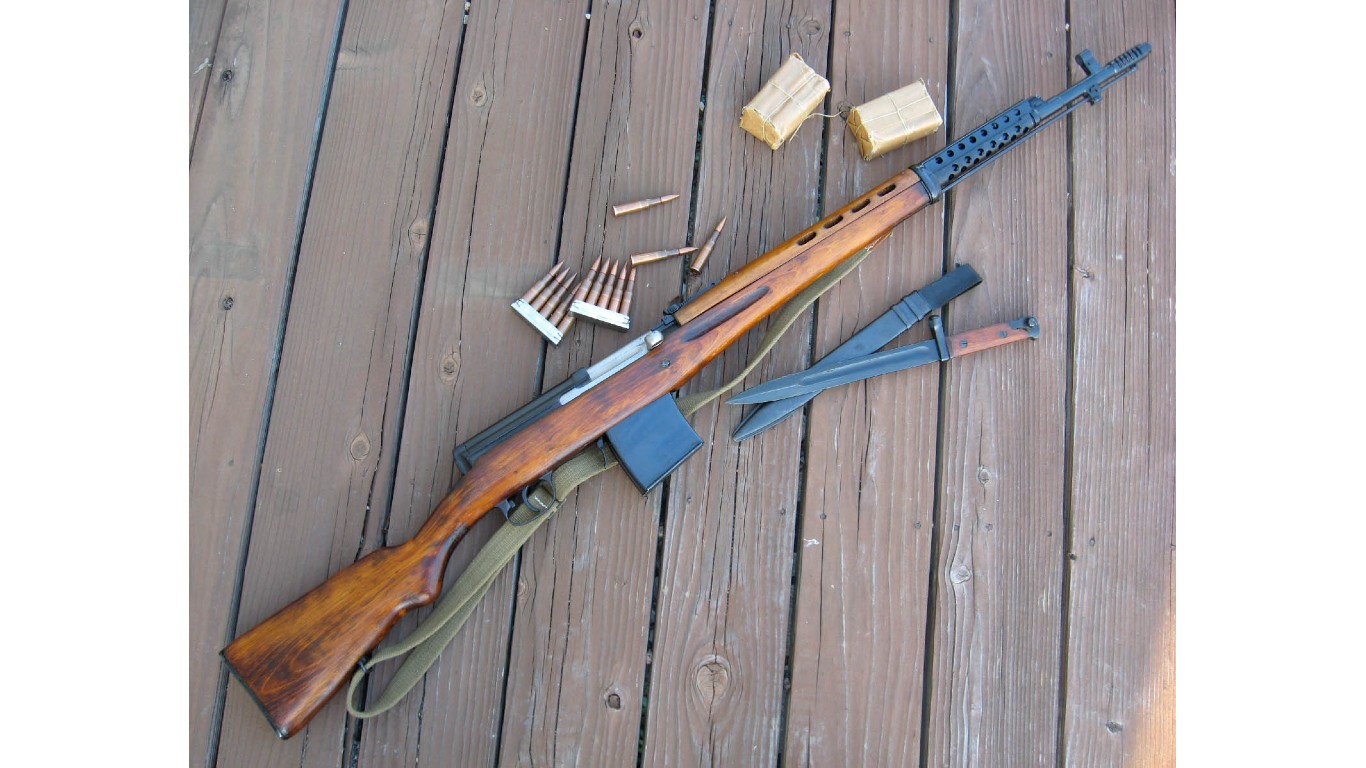
SVT-40
- Country: Soviet Union
- Year introduced to service: 1940
- Firing action: Semi-automatic
- Cartridge / caliber: 7.62×54R
- Magazine capacity: 10
- Approximate weight: ~8.5 lbs
- Why it mattered: Early Soviet semi-auto rifle
The SVT‑40 was one of the earliest attempts to issue a semi‑automatic rifle on a large scale. Soviet planners hoped it would increase infantry firepower against German forces. Although production challenges limited its widespread use, the rifle demonstrated the Soviet Union’s interest in modernizing its small arms.
AVT-40

- Country: Soviet Union
- Year introduced to service: 1942
- Firing action: Select-fire
- Cartridge / caliber: 7.62×54R
- Magazine capacity: 10
- Approximate weight: ~9 lbs
- Why it mattered: Full-auto variant of SVT
The AVT‑40 was an experimental automatic version of the SVT rifle. Intended to provide additional firepower to infantry units, it proved difficult to control in full automatic mode and was produced only in limited numbers. Even so, it reflects wartime experimentation with increasing infantry firepower.
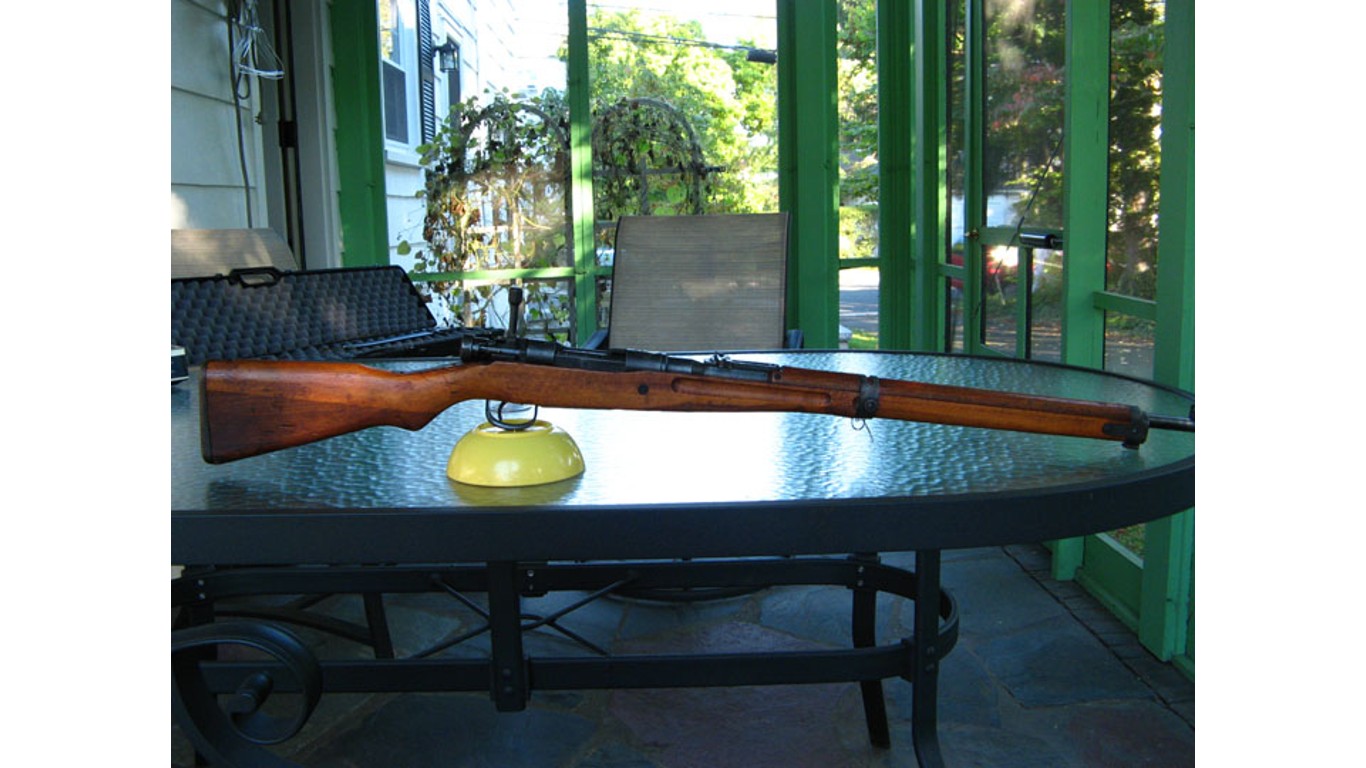
Arisaka Type 99
- Country: Japan
- Year introduced to service: 1939
- Firing action: Bolt-action
- Cartridge / caliber: 7.7×58 Arisaka
- Magazine capacity: 5
- Approximate weight: ~8.2 lbs
- Why it mattered: Primary late-war Japanese rifle
The Arisaka Type 99 became the standard Japanese rifle during the later years of World War II. Chambered for a more powerful cartridge than earlier models, it was designed to improve combat effectiveness. Japanese troops carried it across the Pacific, from island garrisons to major battles against Allied forces.
Arisaka Type 38
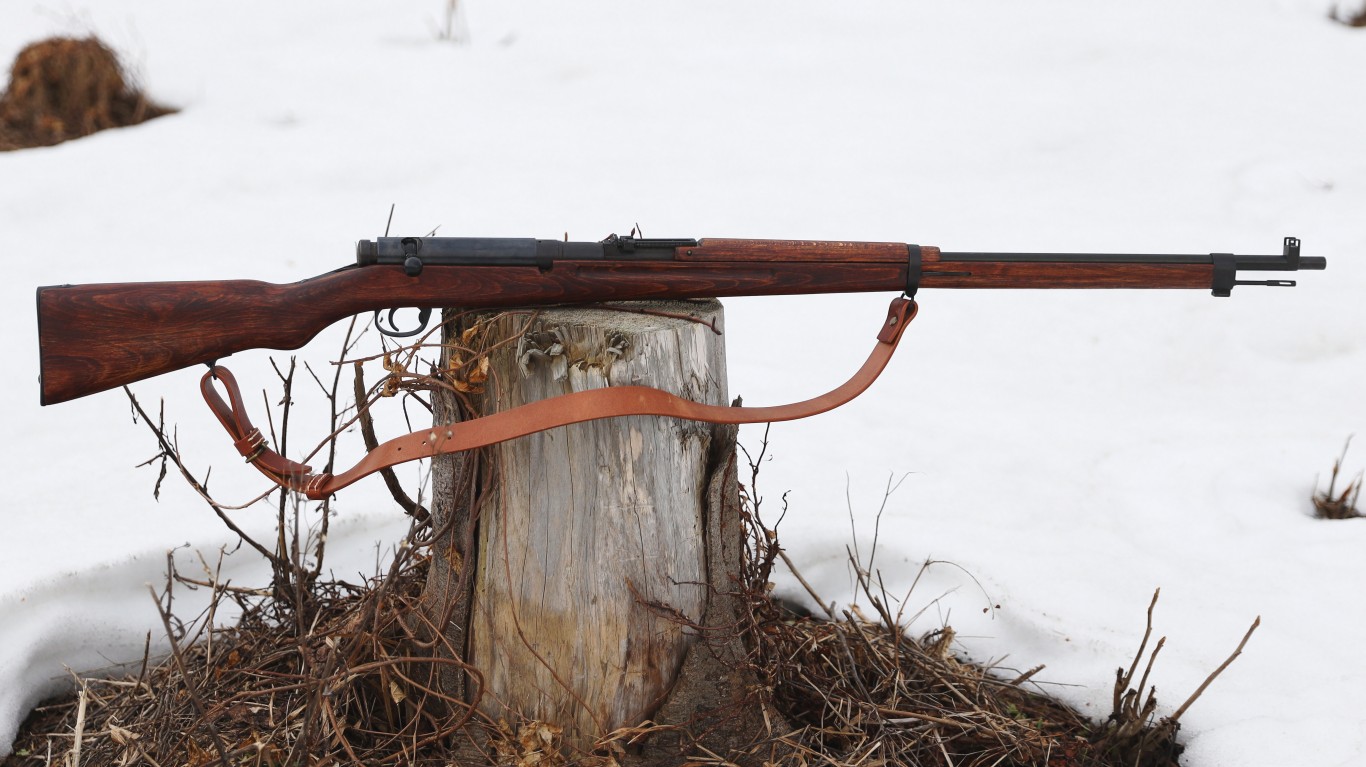
- Country: Japan
- Year introduced to service: 1905
- Firing action: Bolt-action
- Cartridge / caliber: 6.5×50 Arisaka
- Magazine capacity: 5
- Approximate weight: ~8.4 lbs
- Why it mattered: Long-serving Japanese service rifle
The Arisaka Type 38 had been in service for decades but remained widely used during World War II. Known for durability and reliability, it accompanied Japanese troops in campaigns across Asia and the Pacific. Its continued use highlights how many nations relied on older designs during the conflict.
Carcano M91/38
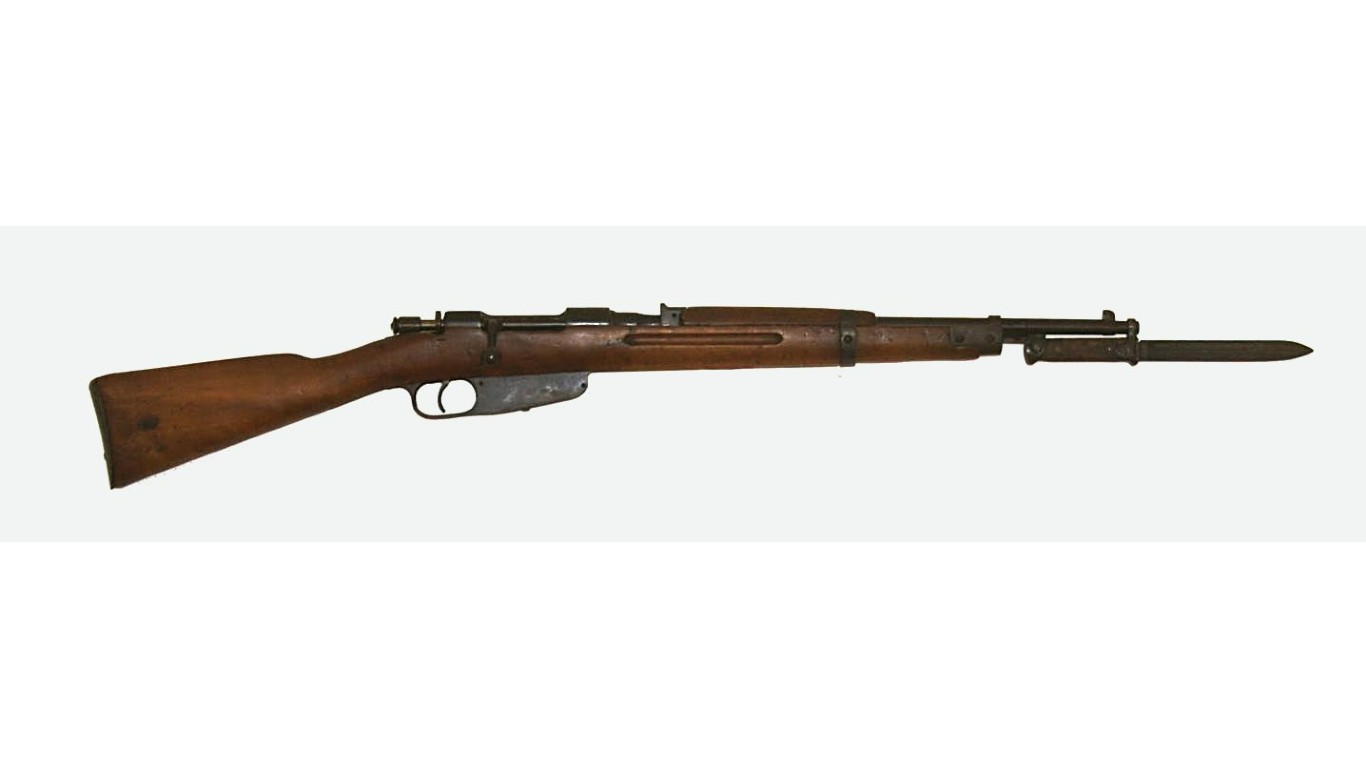
- Country: Italy
- Year introduced to service: 1938
- Firing action: Bolt-action
- Cartridge / caliber: 6.5×52 Carcano
- Magazine capacity: 6
- Approximate weight: ~7.5 lbs
- Why it mattered: Short rifle for Italian forces
The Carcano M91/38 represented a shortened version of Italy’s long‑serving service rifle. Designed to be easier to handle in combat, it was widely issued to Italian troops during World War II. Although often criticized, the rifle was produced in large numbers and formed the backbone of Italian infantry equipment.
Carcano M1891
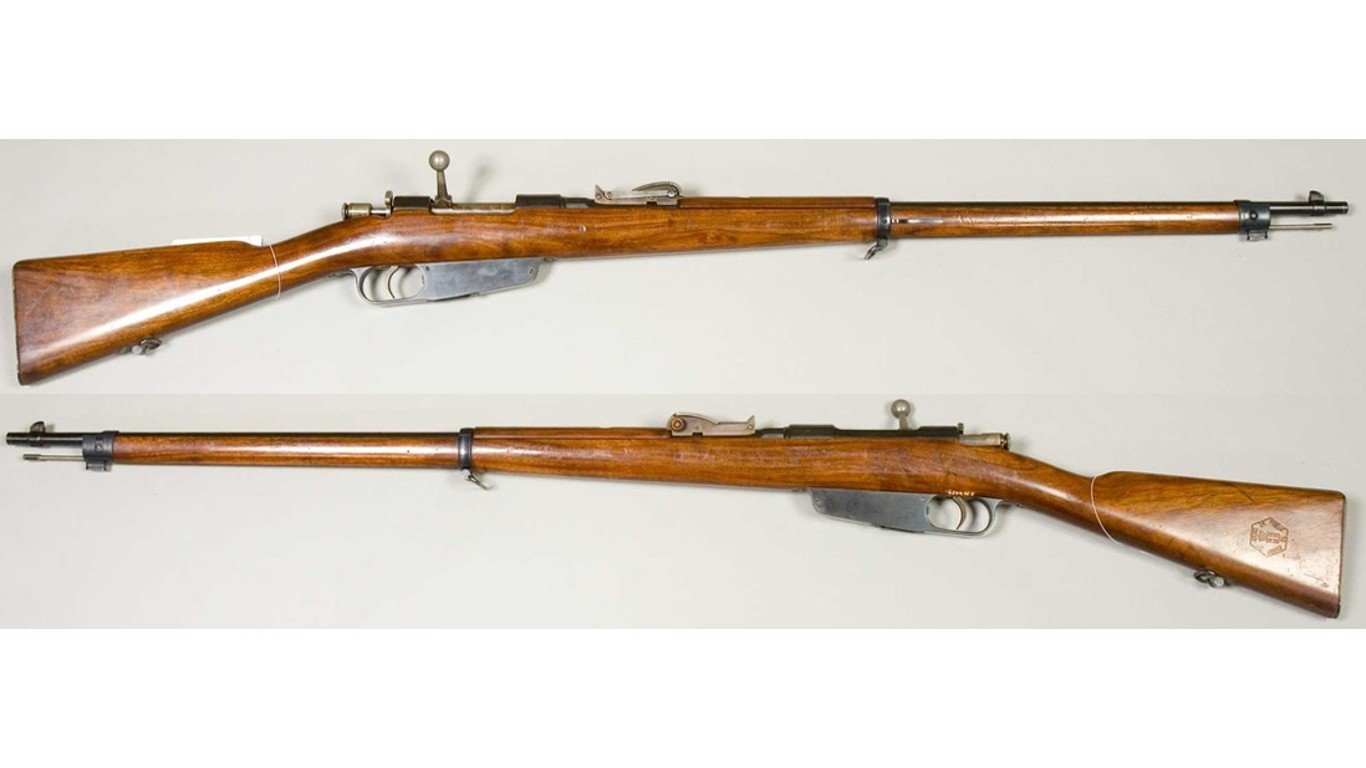
- Country: Italy
- Year introduced to service: 1891
- Firing action: Bolt-action
- Cartridge / caliber: 6.5×52 Carcano
- Magazine capacity: 6
- Approximate weight: ~8.4 lbs
- Why it mattered: Standard Italian service rifle
The Carcano Model 1891 had been Italy’s standard rifle for decades before World War II began. Despite its age, it remained widely used throughout the conflict due to the country’s existing stockpiles and production capacity. It illustrates how many armies entered the war equipped with older but familiar weapons.
MAS-36
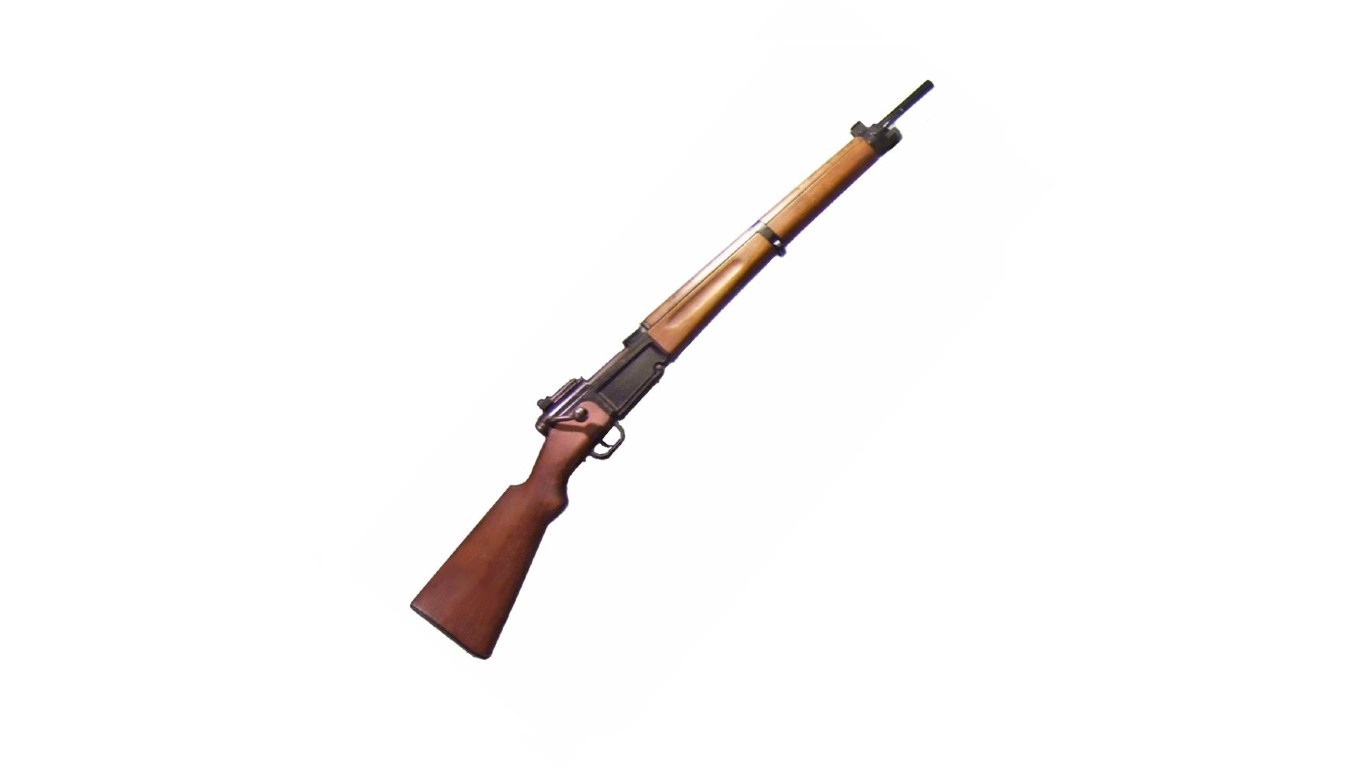
- Country: France
- Year introduced to service: 1936
- Firing action: Bolt-action
- Cartridge / caliber: 7.5×54 French
- Magazine capacity: 5
- Approximate weight: ~8.3 lbs
- Why it mattered: Primary French rifle at war start
The MAS‑36 was France’s primary service rifle at the start of World War II. Designed to be simple and rugged, it was easier to manufacture than earlier French rifles. Although France fell early in the war, the weapon continued to see use among various forces throughout the conflict.
Berthier Mle 1907/15

- Country: France
- Year introduced to service: 1907
- Firing action: Bolt-action
- Cartridge / caliber: 8×50 Lebel
- Magazine capacity: 3
- Approximate weight: ~9 lbs
- Why it mattered: Older rifle still in service
The Berthier Mle 1907/15 was an older rifle still issued to French troops when World War II began. Originally developed before World War I, it remained in service due to limited modernization. Its continued use shows how many countries relied on older weapons during the early years of the conflict.
Hanyang 88
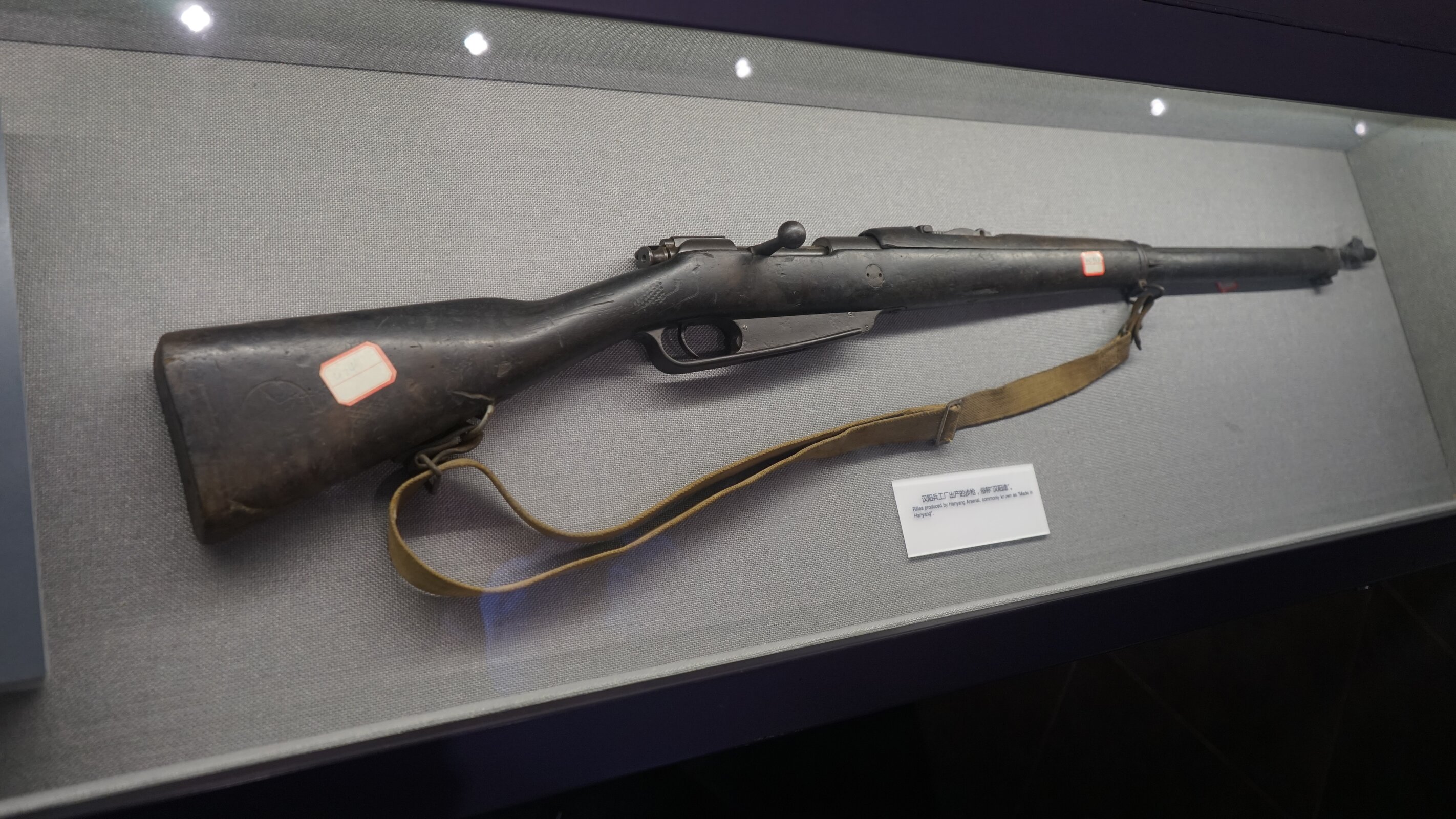
- Country: China
- Year introduced to service: 1895
- Firing action: Bolt-action
- Cartridge / caliber: 7.92×57 Mauser
- Magazine capacity: 5
- Approximate weight: ~9 lbs
- Why it mattered: Chinese Mauser-pattern rifle
The Hanyang 88 rifle was one of the most common firearms used by Chinese forces during the war against Japan. Based on earlier German Mauser designs, it was produced domestically for decades. The rifle armed large numbers of troops despite China’s limited industrial resources.
Type 24 (Chiang Kai-shek)
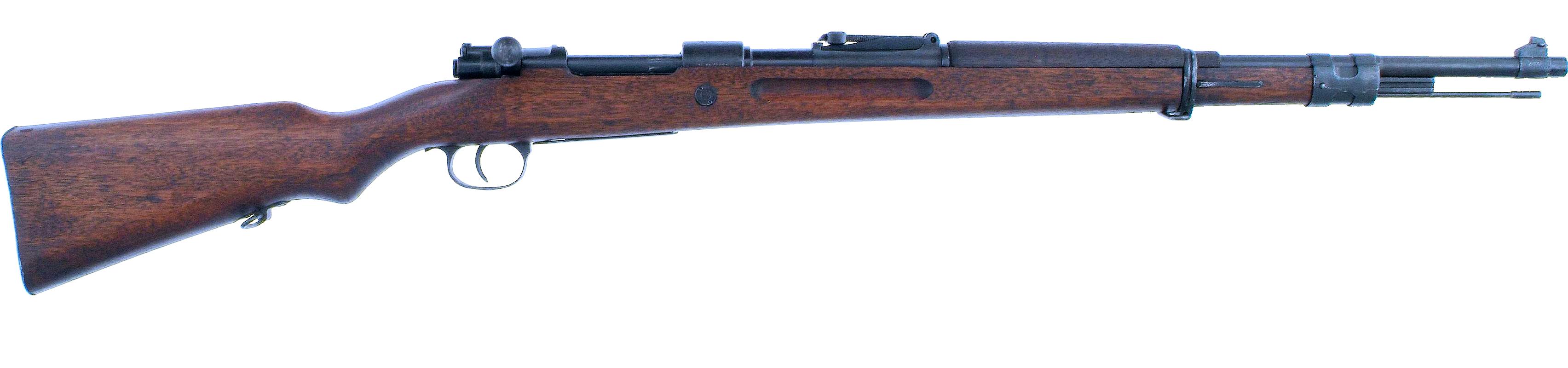
- Country: China
- Year introduced to service: 1935
- Firing action: Bolt-action
- Cartridge / caliber: 7.92×57 Mauser
- Magazine capacity: 5
- Approximate weight: ~9 lbs
- Why it mattered: Used by Nationalist forces
The Type 24 rifle, often called the Chiang Kai‑shek rifle, became a standard weapon for Chinese Nationalist forces. Based on the Mauser design, it provided reliable performance in difficult conditions. It was used widely during China’s long struggle against Japanese invasion.
wz. 29
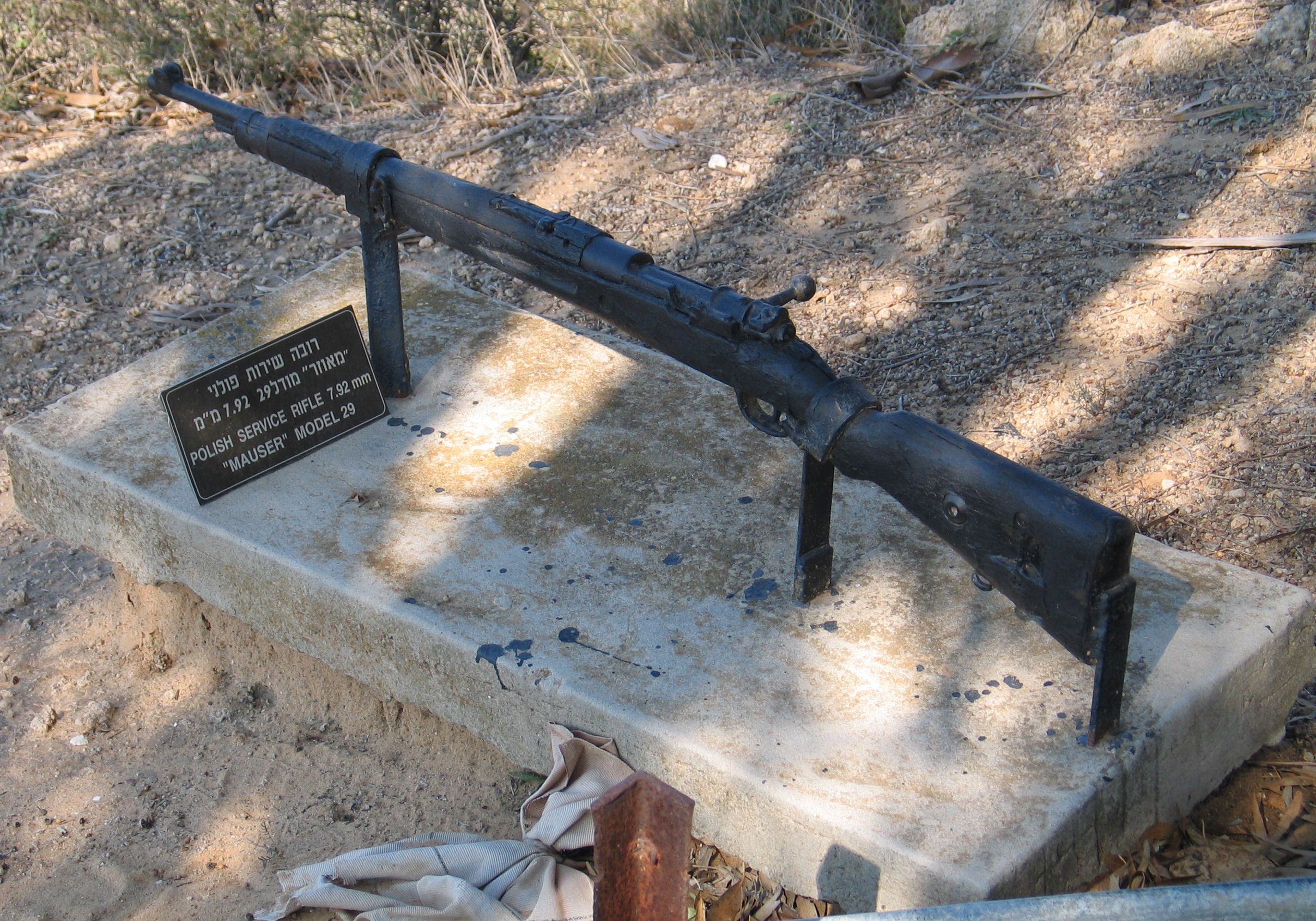
- Country: Poland
- Year introduced to service: 1929
- Firing action: Bolt-action
- Cartridge / caliber: 7.92×57 Mauser
- Magazine capacity: 5
- Approximate weight: ~9 lbs
- Why it mattered: Standard Polish Mauser
The Polish wz. 29 rifle served as the primary infantry weapon of Poland at the outbreak of World War II. Based on the Mauser system, it was well built and accurate. Polish troops carried it during the country’s defense against the German invasion in 1939.
vz. 24
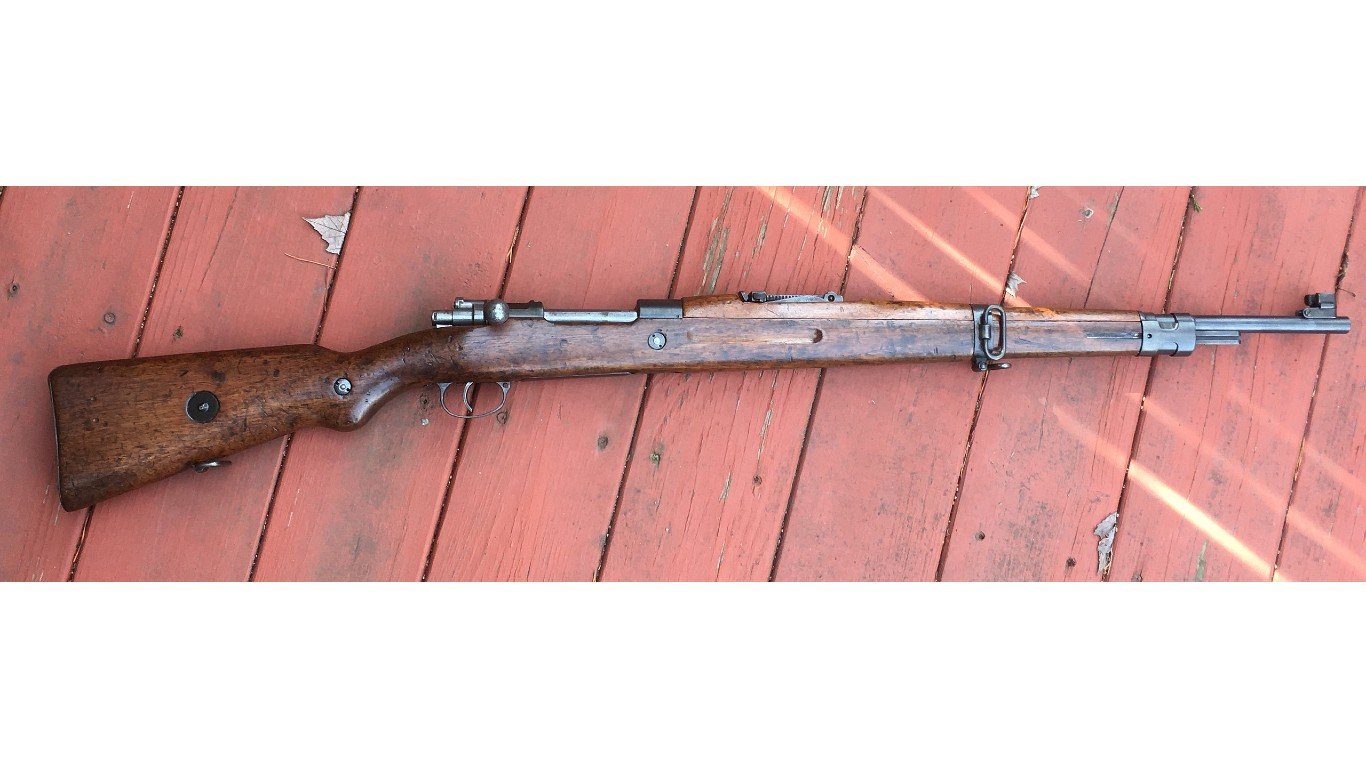
- Country: Czechoslovakia
- Year introduced to service: 1924
- Firing action: Bolt-action
- Cartridge / caliber: 7.92×57 Mauser
- Magazine capacity: 5
- Approximate weight: ~9 lbs
- Why it mattered: Widely exported Mauser design
The vz. 24 rifle was one of the most widely exported Mauser‑pattern rifles in the world before and during World War II. Produced in Czechoslovakia, it was used by numerous countries and armies. Its widespread distribution reflects the global arms trade leading into the war.
Contact [email protected] for any questions or corrections.
Chris Lange is a financial and geopolitical writer with more than a decade of experience covering a myriad of topics. He has published thousands of articles for 24/7 Wall St., with past coverage focused heavily on stocks, IPOs, healthcare, defense, global affairs, and technology.
His work has been quoted, or referenced by a number of outlets including Business Insider, USA Today, Yahoo Finance, MSN, The Motley Fool, and many other publications. A graduate of Southwestern University, he studied business with a focus on investments and has previous experience in banking and startups.
When not reading or writing the news, he is following his passion for Lacrosse, playing chess, or building solar projects with his dad.