Lethal Loadouts: What Today’s Paratroopers Carry Into Combat
Airborne units are typically the first American forces to reach a crisis zone, which means their equipment must prepare them for immediate contact the moment they land. Today’s paratroopers jump with a loadout that combines firepower, communication tools, protective gear,…

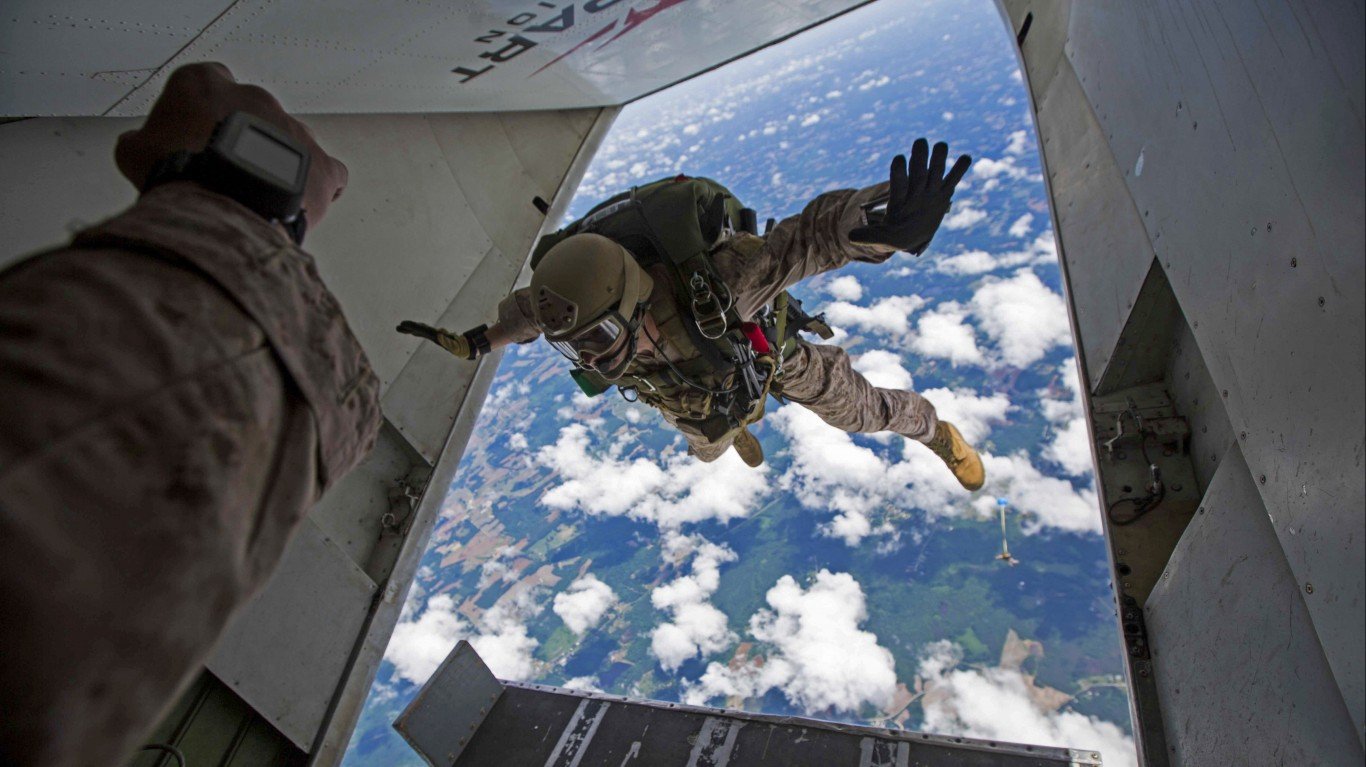
Airborne units are typically the first American forces to reach a crisis zone, which means their equipment must prepare them for immediate contact the moment they land. Today’s paratroopers jump with a loadout that combines firepower, communication tools, protective gear, and mission-sustaining essentials. Here, 24/7 Wall St. is taking a closer look at the modern paratrooper’s loadout.
To determine what paratroopers carry into combat, 24/7 Wall St. reviewed various historical and military sources. We included supplemental information for each entry regarding the primary function, category, as well as why each is important to the overall paratrooper toolkit.
Paratroopers hold a unique place in modern warfare, combining elite infantry skills with the ability to deploy directly into contested territory from the air. Trained to jump from aircraft at low or high altitude, paratroopers are designed to seize key terrain, disrupt enemy defenses, and establish footholds where traditional ground forces cannot arrive quickly.
Units like the 82nd Airborne Division emphasize speed, discipline, and adaptability, operating with lighter equipment while still maintaining significant combat power. Their training reflects this mission, focusing on rapid assembly after landing, decentralized command, and fighting in isolated conditions.
In today’s military, paratroopers remain a strategic response force rather than a relic of the past. While large-scale airborne assaults are rare, the capability itself carries deterrent value, because the U.S. can project combat power almost anywhere on short notice. Paratroopers regularly serve as the first conventional troops on the ground during crises, reinforcing allies, securing airfields, and stabilizing volatile regions before heavier forces arrive.
Here is a look at what paratroopers carry into combat:
Why Are We Covering This?
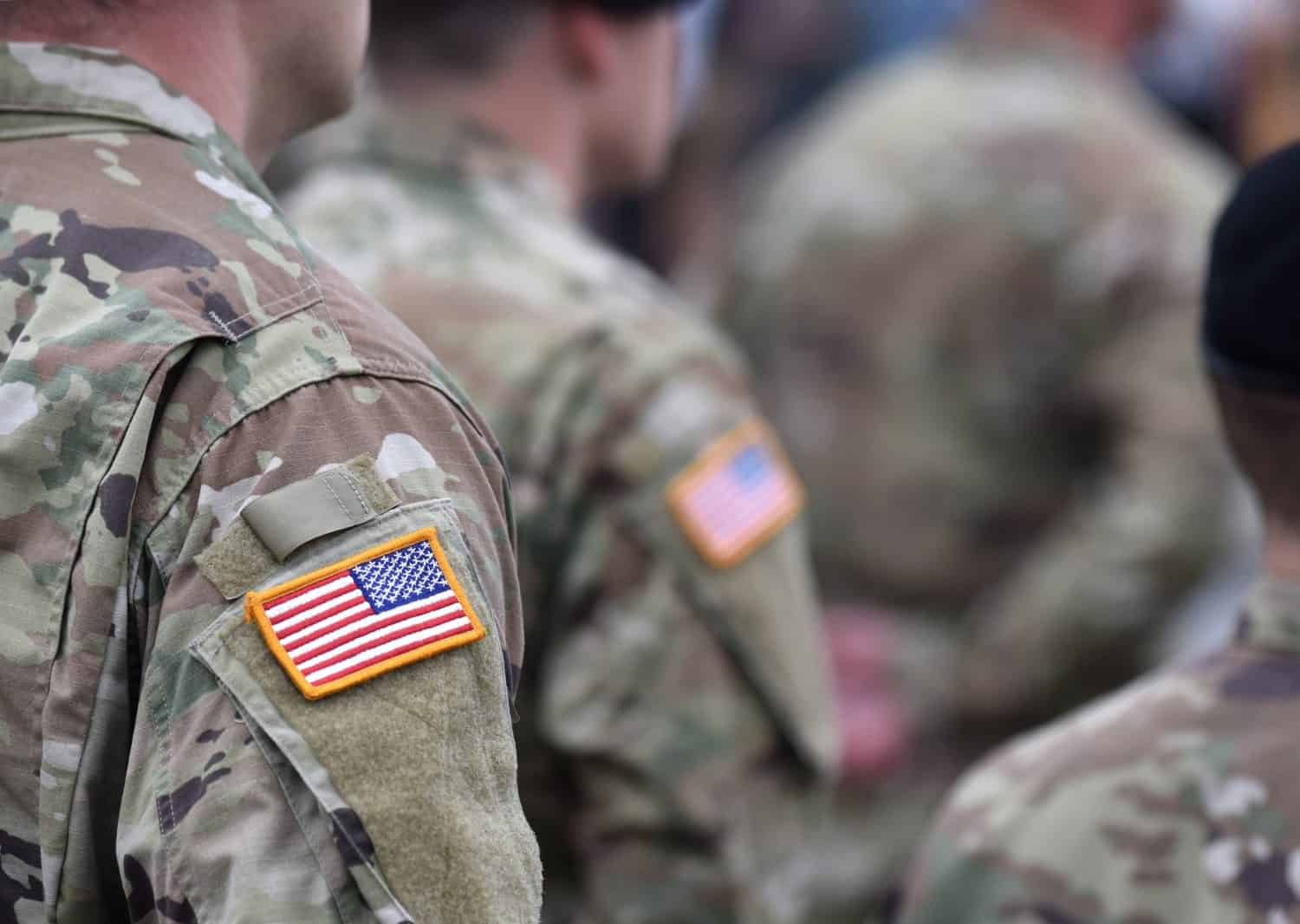
Modern airborne forces remain some of the most rapidly deployable units in the world, yet few people understand the enormous weight that today’s paratroopers carry into combat. Their equipment reflects decades of lessons learned from Afghanistan, Iraq, and countless rapid-response missions where light infantry had to fight immediately after landing, often without vehicles or close support. Understanding exactly what paratroopers bring with them, gives a clearer picture of how these units operate, how they survive in isolation, and how modern warfare continues to evolve around mobility, communication, and precision.
The Modern Paratrooper’s Mission Profile

Today’s paratroopers are built for missions that require speed, precision, and immediate combat readiness. Whether seizing airfields, holding terrain until heavier forces can arrive, or responding to crises around the world, airborne troops operate at the tip of the spear. Their gear reflects the reality that they may have to fight the moment they hit the ground, often without vehicles, heavy support, or instant resupply.
The Unique Challenge of Airborne Operations
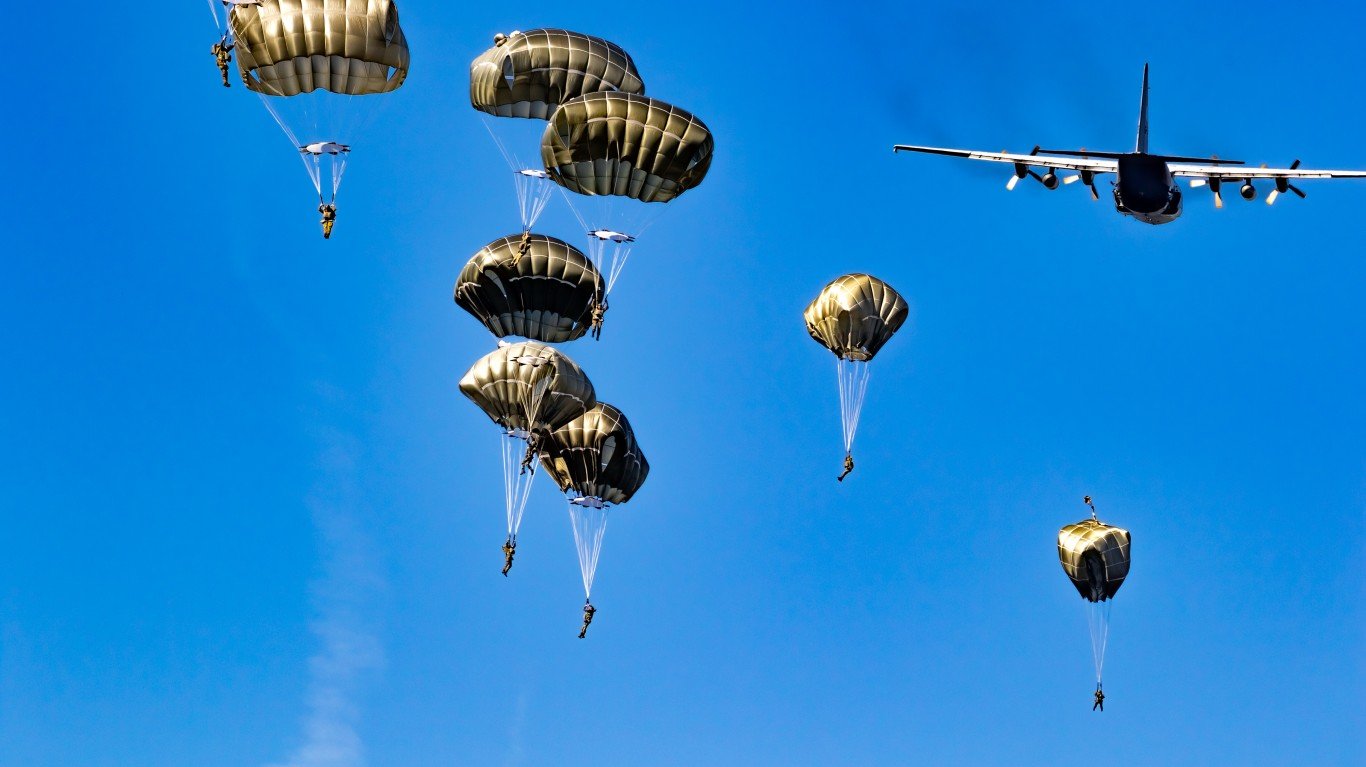
Airborne operations demand equipment that can survive a parachute jump, absorb impact, and perform instantly under fire. Paratroopers must balance firepower with mobility while carrying loads that push the limits of endurance. When resupply may be hours or days away, every item must be durable, reliable, and capable of supporting the fight from the first minute to the last.
How Gear Has Evolved Since World War II
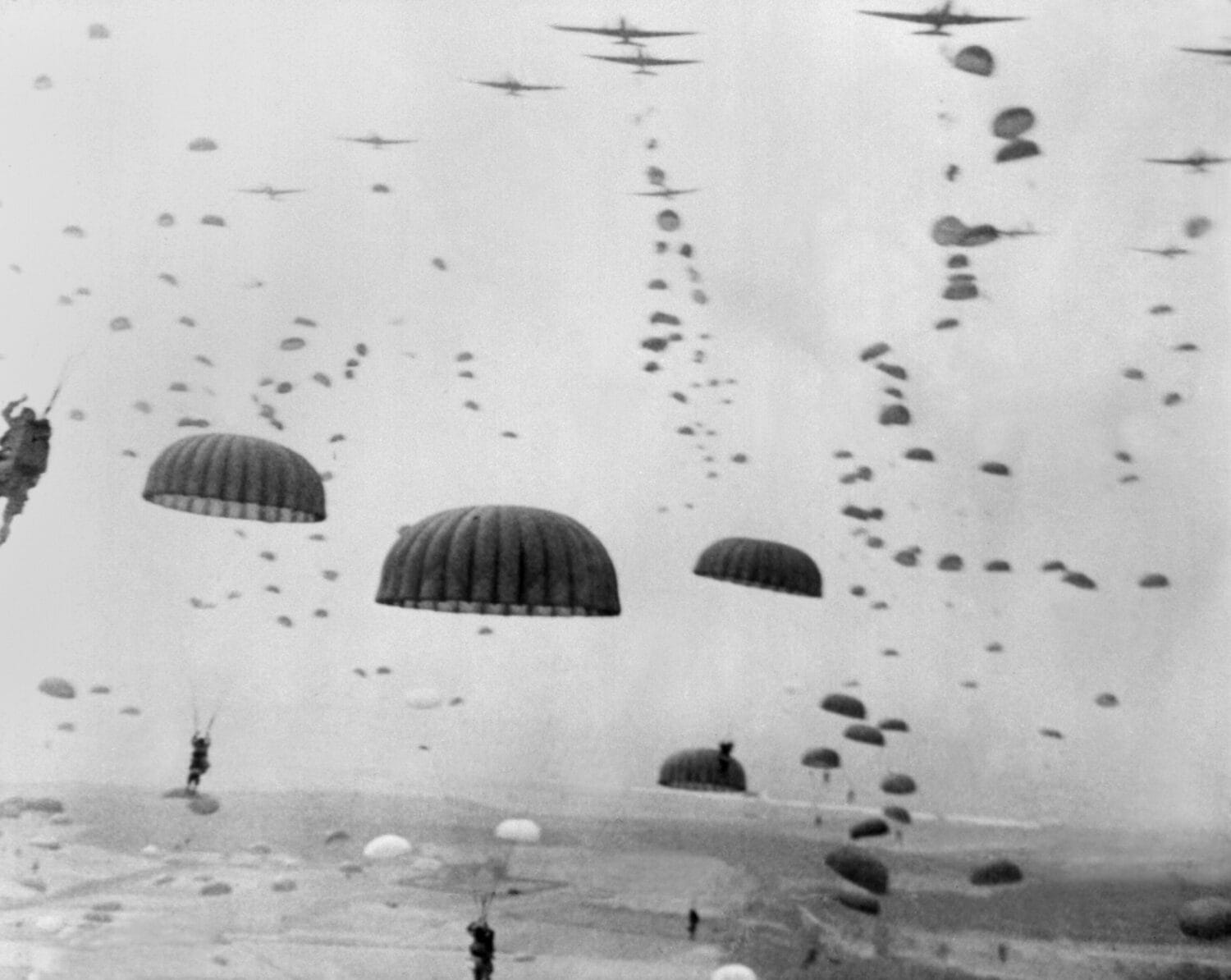
The equipment of today’s airborne soldiers is a far cry from what paratroopers carried in World War II. Advances in optics, communications, armor, and night-fighting technology have transformed how airborne missions unfold. Modern gear gives paratroopers greater accuracy, awareness, and survivability, reflecting decades of experience gained from conflicts across Europe, Asia, and the Middle East.
Why Every Item Carries Extra Weight
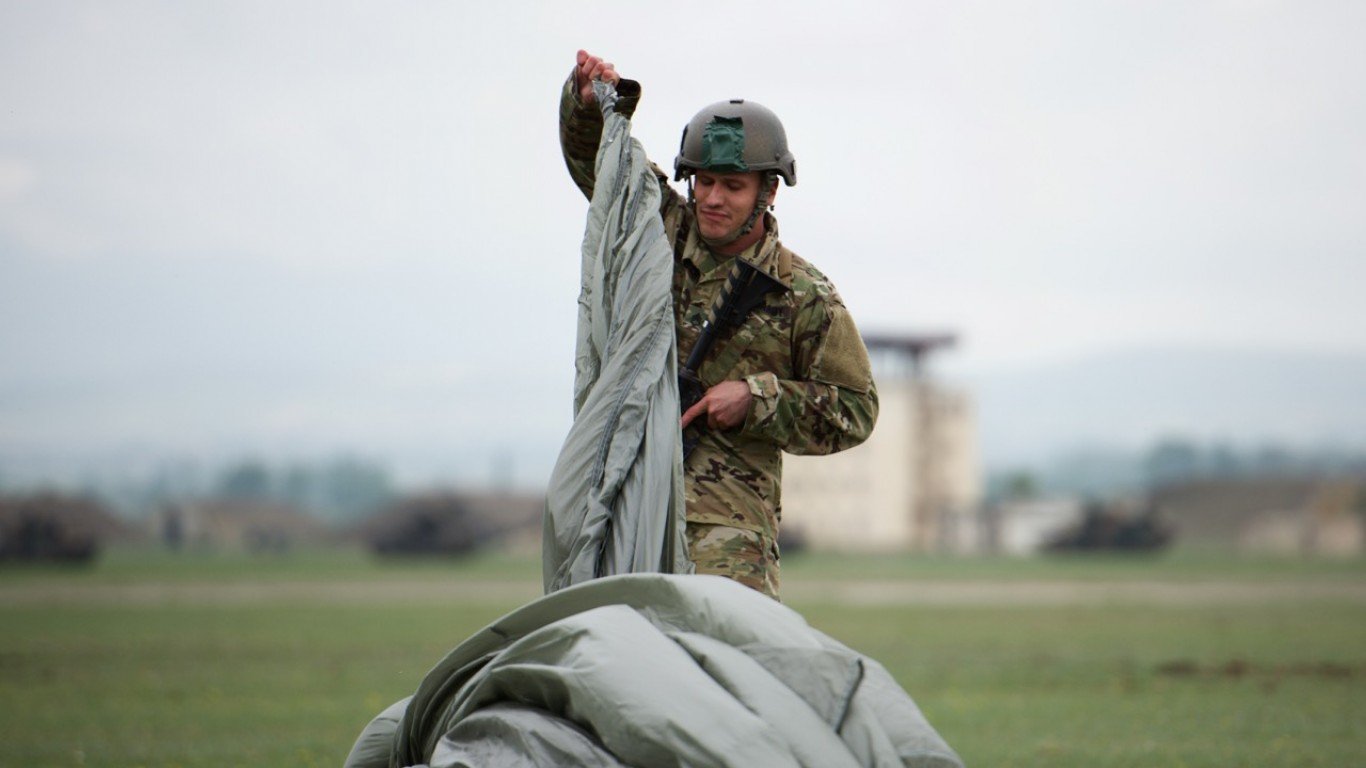
Unlike mechanized forces, paratroopers carry nearly everything they need on their backs. A typical jump load can exceed 90 to 120 pounds, forcing every piece of equipment to justify its weight. From ammunition to communications gear, each item is chosen because it directly contributes to mission success — or to keeping a soldier alive long enough to complete it.
What This List Reveals About Modern Airborne Combat
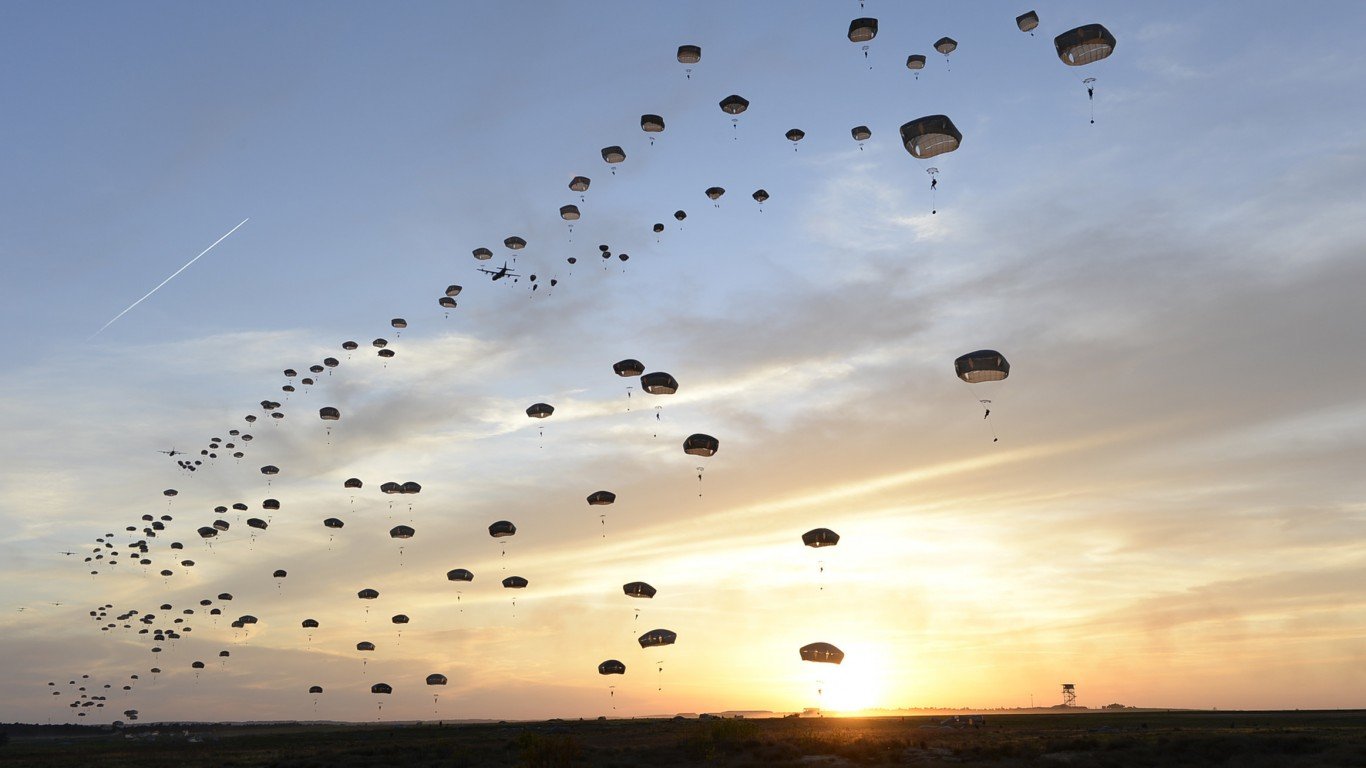
This list is more than an inventory of equipment. It reveals how airborne forces think, how they operate, and how they survive in some of the harshest combat environments on Earth. By exploring what today’s paratroopers carry into combat, we gain insight into the demands of modern warfare and the capabilities of the units asked to respond first when the world shifts.
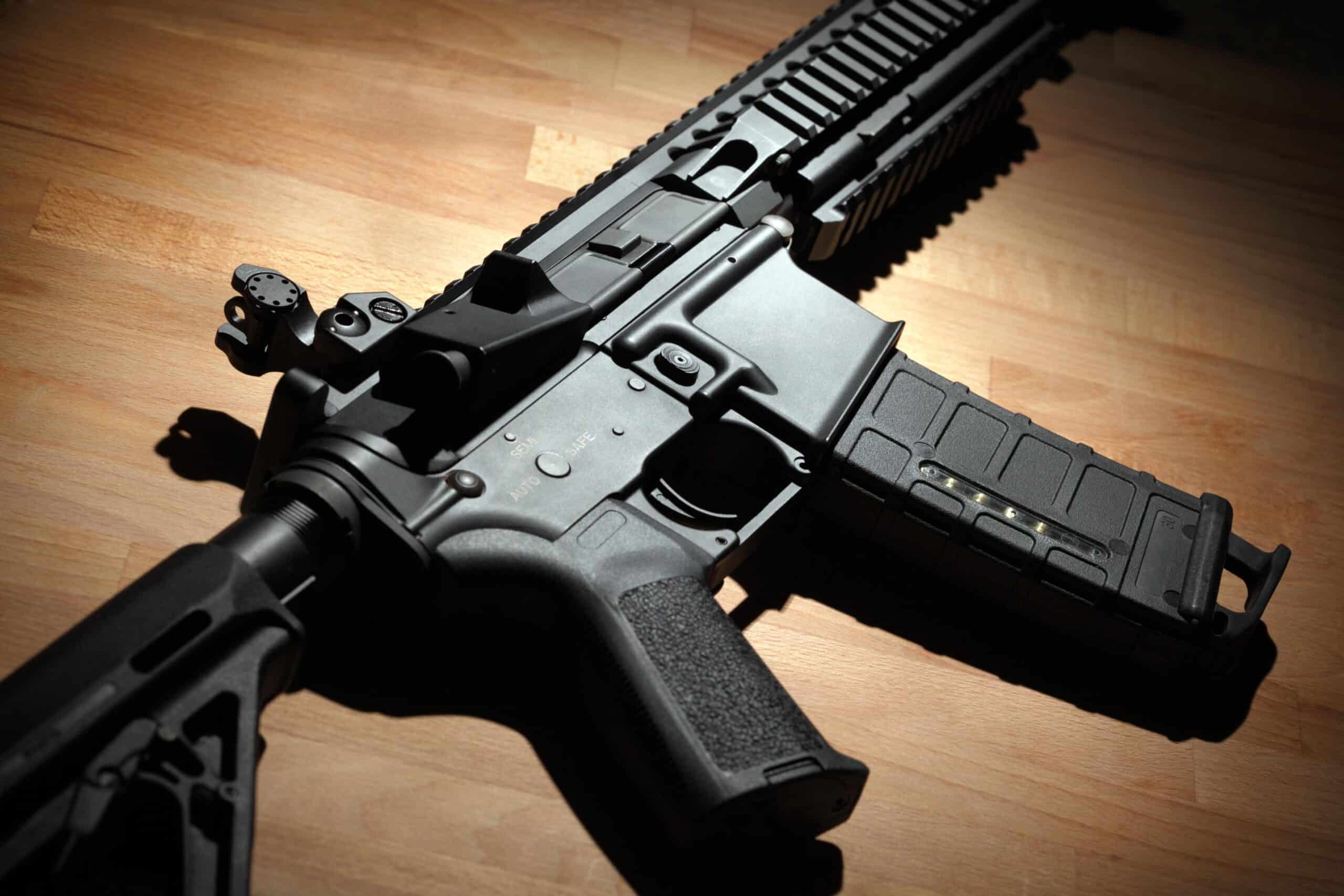
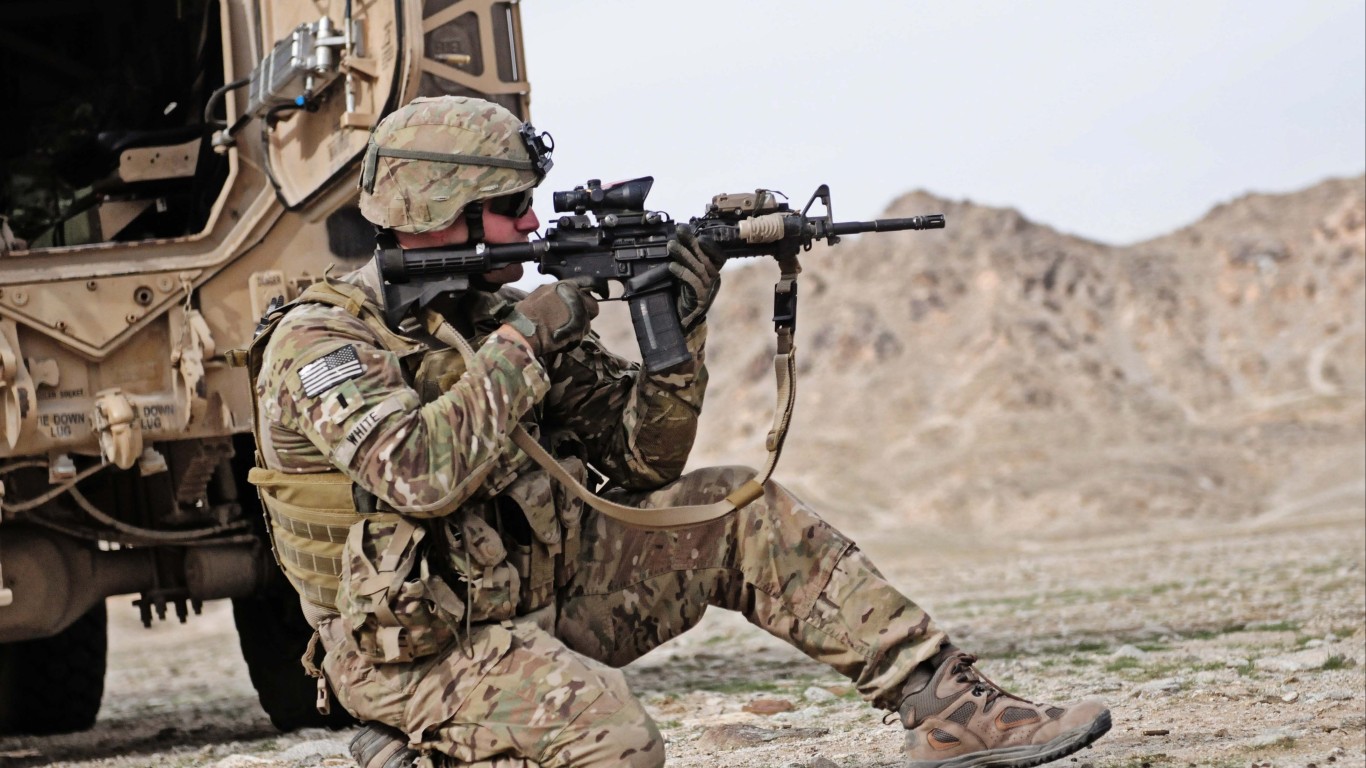
M4A1 Carbine (SOPMOD)
- Category: Weapon
- Primary function: Primary rifle for close and mid‑range combat
- Who it is used by: 82nd Airborne, 173rd Airborne
- Weight: ~7.3 lbs (unloaded)
- Why it matters: Versatile, modular firepower
The M4A1 is the backbone of modern airborne infantry, offering reliable semiautomatic and automatic fire with extensive SOPMOD attachments. Paratroopers outfit it with optics, lasers, and lights to adapt to any environment immediately after landing. Its light weight and modularity make it essential for rapid‑entry operations where mobility and precision matter.
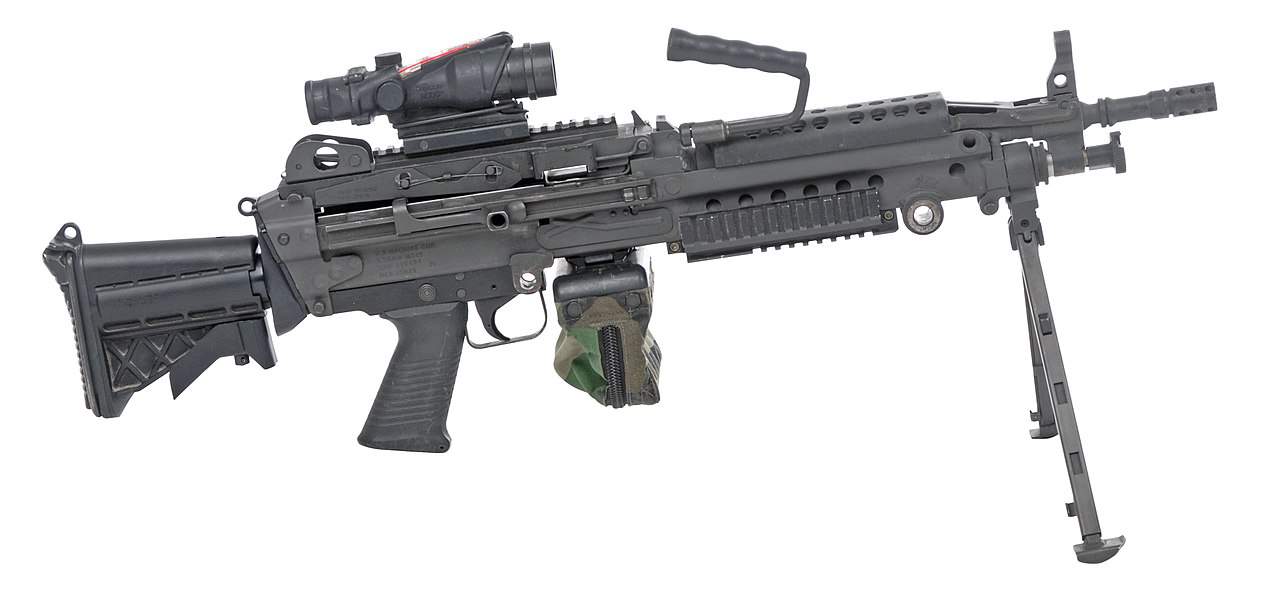
M249 SAW
- Category: Weapon
- Primary function: Provides squad‑level suppressive fire
- Who it is used by: Airborne infantry squads
- Weight: ~17 lbs
- Why it matters: Delivers continuous suppressive fire
The M249 SAW gives airborne squads the sustained firepower needed to dominate firefights after landing. Its high rate of fire allows paratroopers to fix or suppress enemy forces, enabling maneuver in open or urban terrain. Despite its weight, it remains indispensable for generating overwhelming fire superiority during initial airborne assaults.
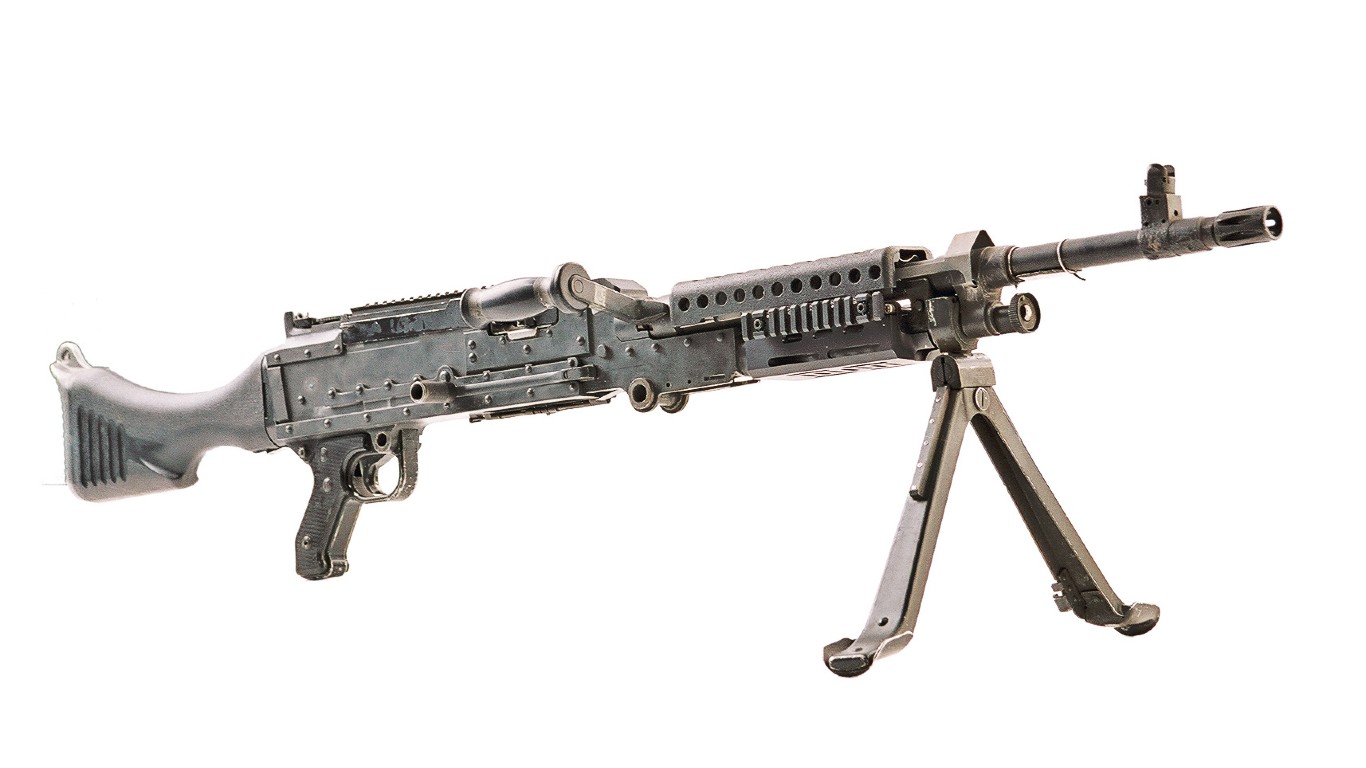
M240B/M240L Ammo (Distributed Carry)
- Category: Weapon
- Primary function: Machine‑gun ammunition carried across the squad
- Who it is used by: Airborne machine‑gun teams
- Weight: ~3–5 lbs per belt
- Why it matters: Ensures MG teams maintain firepower
Paratroopers commonly distribute 7.62 NATO belts among squad members to keep M240 teams supplied during intense contact. This shared burden ensures the machine‑gun never runs dry in critical moments. Sustained fire capability is essential in airborne missions where resupply may not arrive for hours or days.
M17/M18 Sidearm
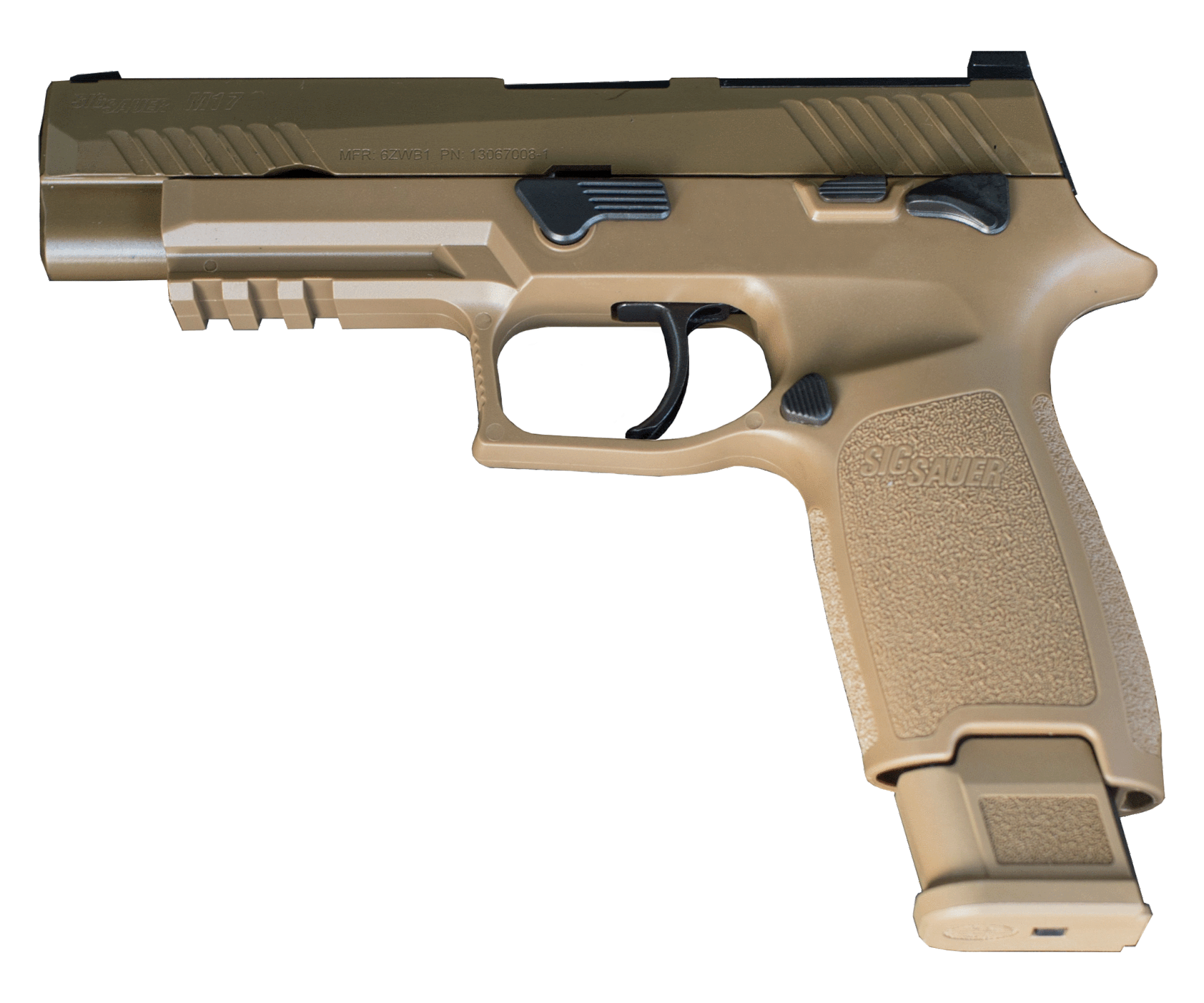
- Category: Weapon
- Primary function: Secondary defensive weapon
- Who it is used by: U.S. airborne forces
- Weight: ~1.7 lbs
- Why it matters: Backup weapon for close combat
The M17/M18 pistol provides a reliable secondary option when paratroopers cannot bring their rifle to bear. Lightweight and easy to draw under pressure, it offers critical redundancy during building clearing, airborne drops, or unexpected weapon malfunctions. Its modular grips and optics‑ready design reflect modern sidearm needs.
M320 Grenade Launcher
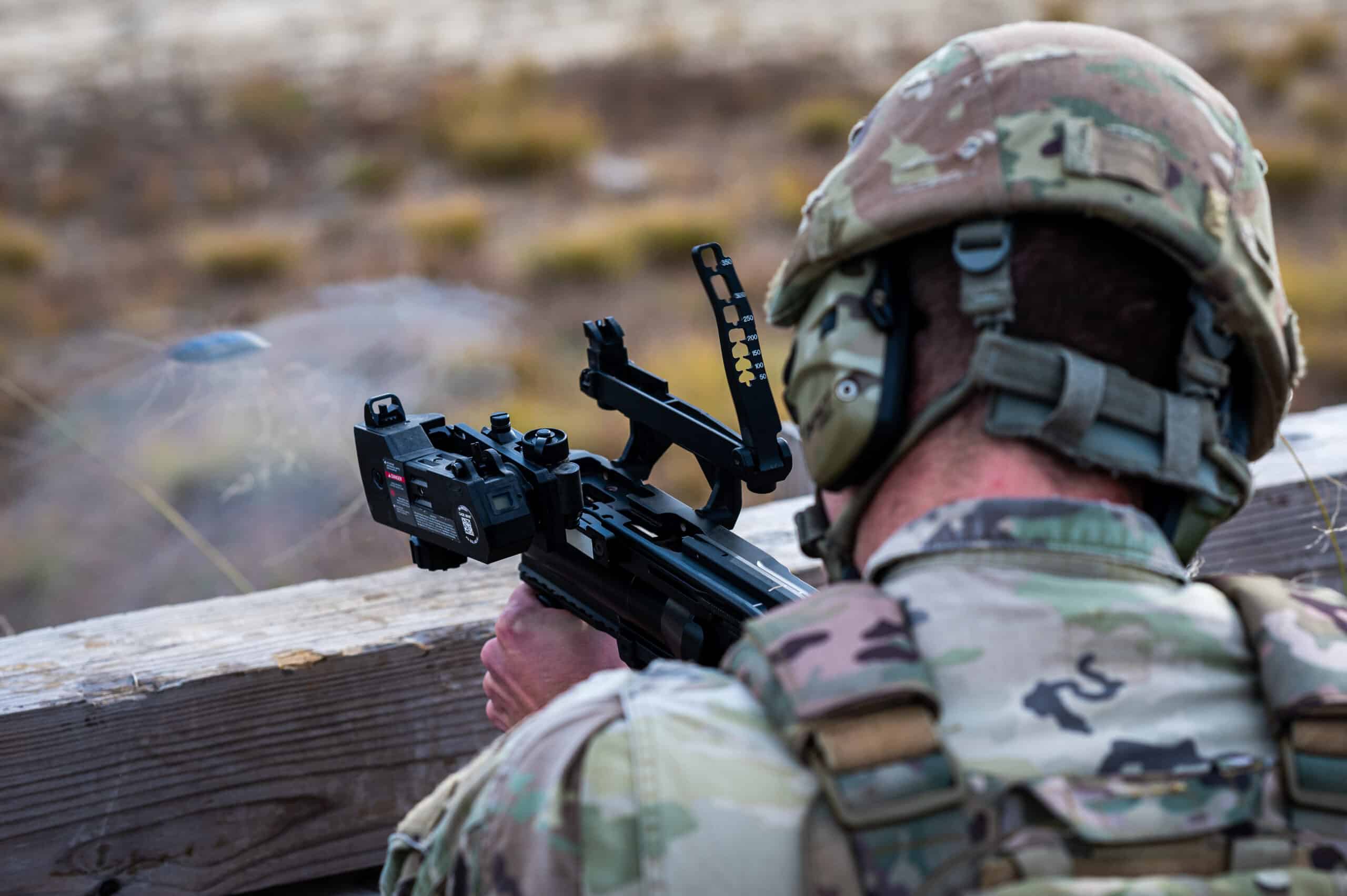
- Category: Weapon
- Primary function: Delivers explosive firepower at range
- Who it is used by: Airborne platoons
- Weight: ~3.9 lbs (standalone)
- Why it matters: Improves squad lethality
The M320 gives airborne units accurate 40mm explosive capability for targeting enemies behind cover or at distance. Whether used standalone or mounted, it allows paratroopers to initiate ambushes, clear rooms, or mark targets. Its precision and reliability outperform older launchers, making it essential for modern airborne operations.
AT4 Anti‑Armor Launcher
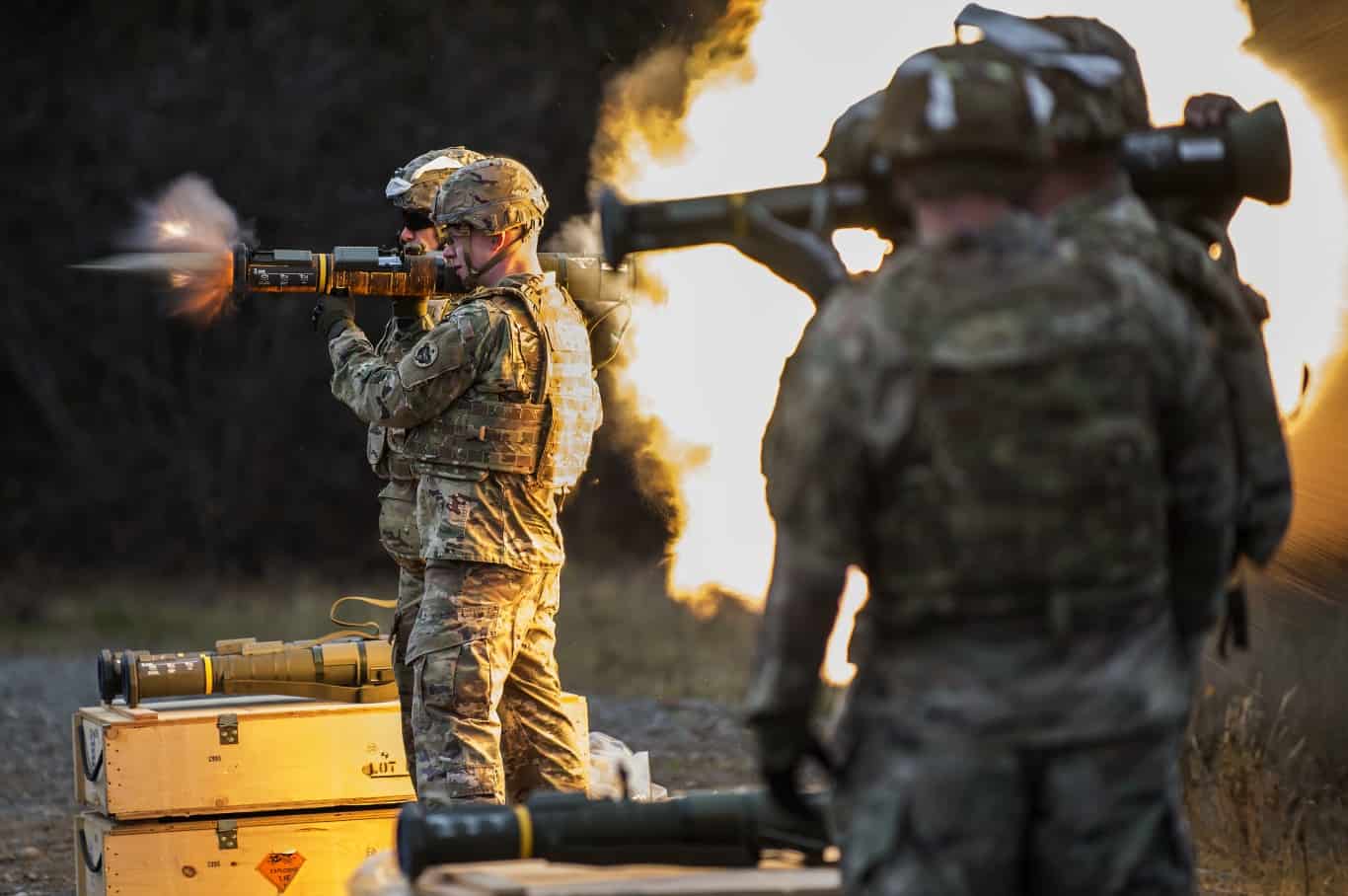
- Category: Weapon
- Primary function: Destroys light armor and fortifications
- Who it is used by: Airborne infantry
- Weight: ~14.8 lbs
- Why it matters: Portable anti‑armor punch
The AT4 provides paratroopers with a lightweight, single‑use launcher capable of defeating armored vehicles or hardened positions. Its simplicity allows rapid employment under stress, giving light infantry a powerful tool against threats typically handled by heavier units. It remains critical during early airborne phases when heavier weapons are not yet available.
M72 LAW
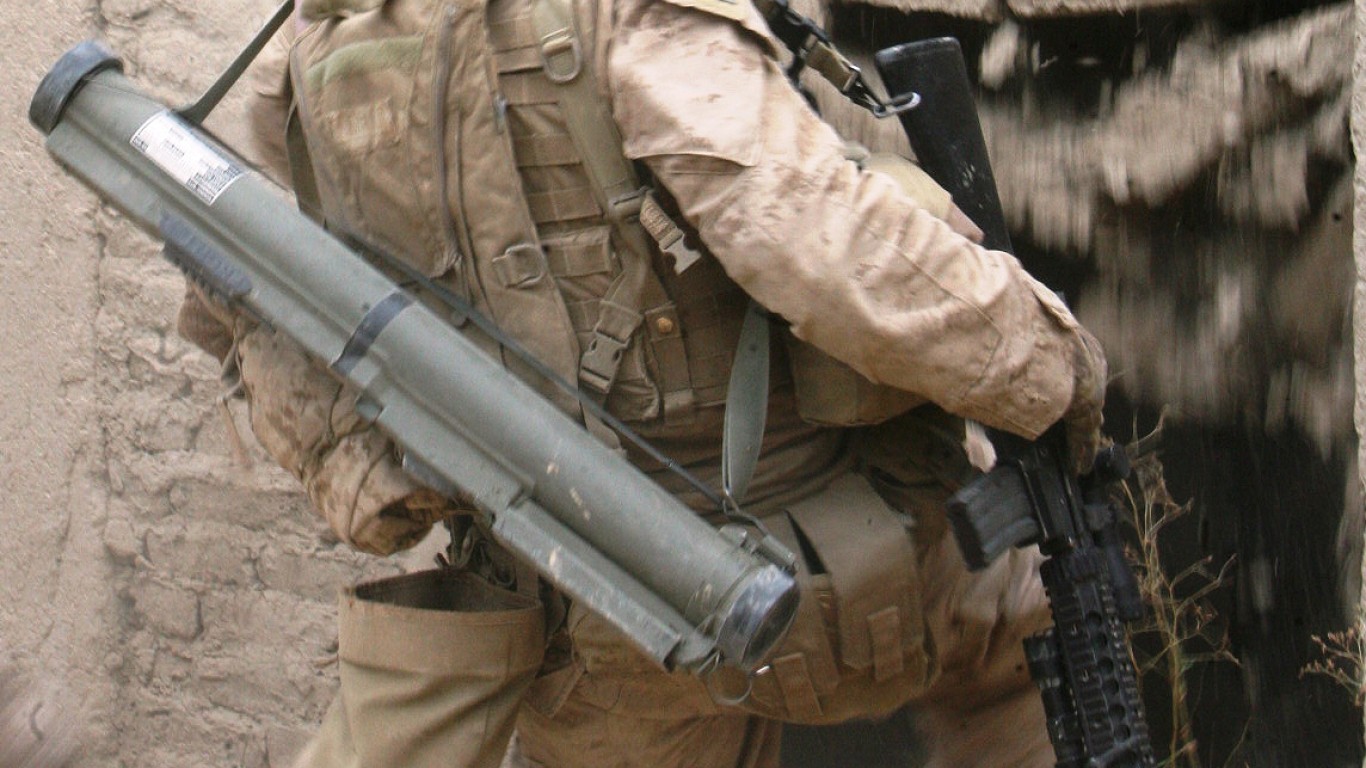
- Category: Weapon
- Primary function: Ultra-light anti‑armor/anti‑structure weapon
- Who it is used by: Airborne infantry
- Weight: ~5.5 lbs
- Why it matters: Easily carried and quickly fired
The M72 LAW offers airborne units a compact launcher ideal for destroying vehicles, bunkers, or obstacles. Its extremely low weight means soldiers can carry multiple tubes without sacrificing mobility. This makes the LAW one of the most flexible anti‑armor tools for paratroopers operating deep behind enemy lines.
Fragmentation Grenades (M67)
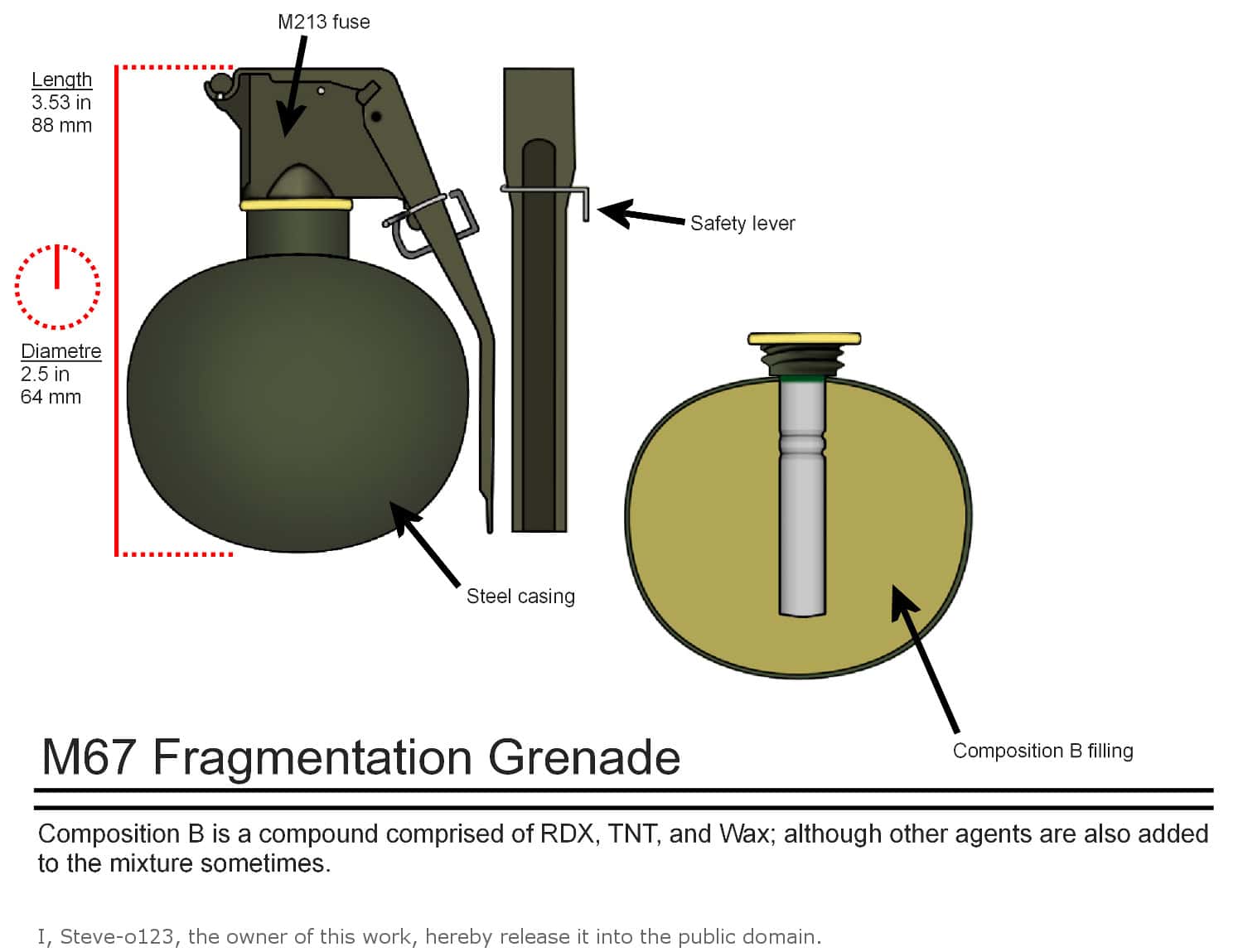
- Category: Weapon
- Primary function: Short‑range explosive for clearing threats
- Who it is used by: All airborne units
- Weight: ~14 oz each
- Why it matters: Essential for room clearing and ambushes
The M67 fragmentation grenade remains a cornerstone of close‑quarters combat. Paratroopers carry multiple grenades to clear trenches, bunkers, or rooms during fast‑moving operations. Its unpredictable fragmentation pattern and immediate lethality make it a key tool for airborne forces seizing contested drop zones or objectives.
Smoke Grenades

- Category: Weapon
- Primary function: Creates concealment or signaling
- Who it is used by: Airborne rifle squads
- Weight: ~16 oz
- Why it matters: Enables movement under concealment
Smoke grenades help paratroopers mask movement, mark landing zones, or signal supporting aircraft. In airborne assaults, smoke is often the difference between crossing open terrain safely or taking heavy fire. Their versatility makes them indispensable in both offensive and defensive operations.
Claymore Mine (M18A1)
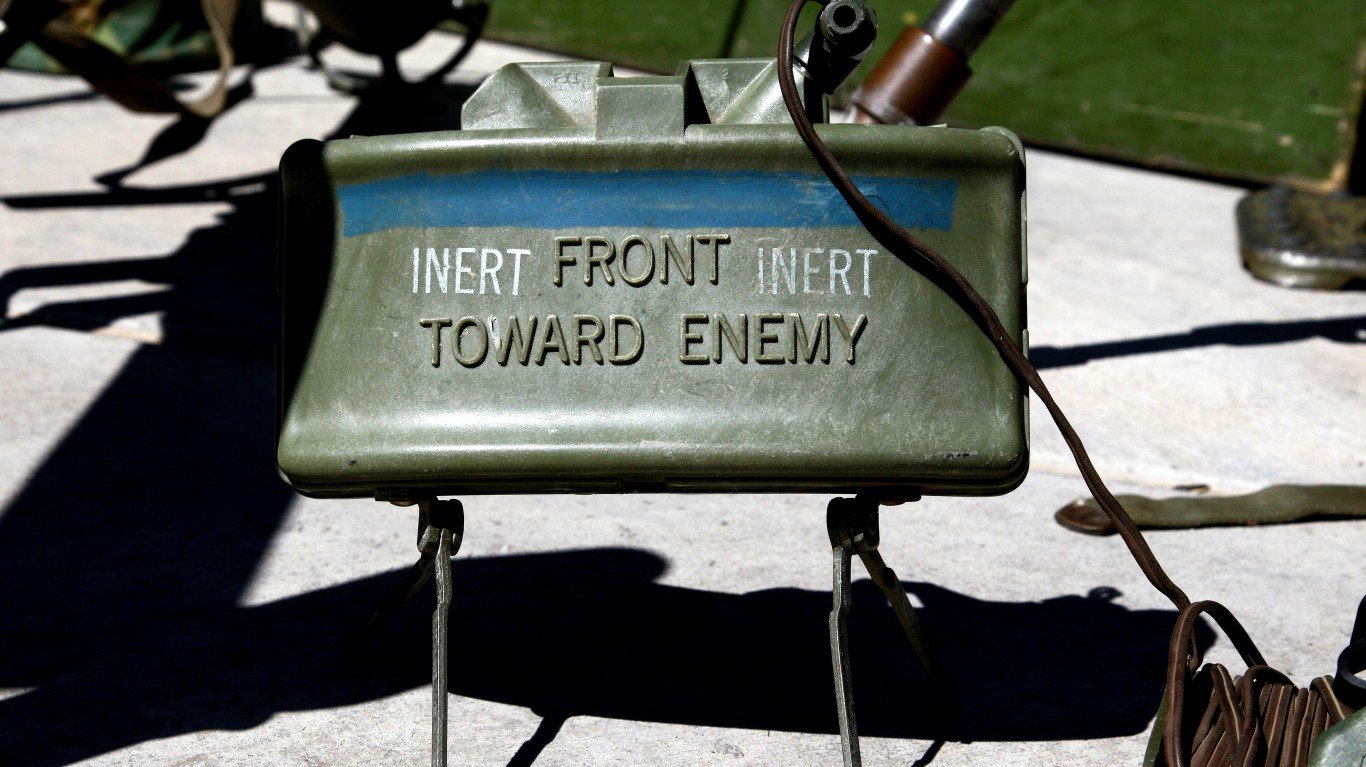
- Category: Weapon
- Primary function: Directional mine for ambush or defense
- Who it is used by: Airborne engineers & squads
- Weight: ~3.5 lbs
- Why it matters: Massive close‑range stopping power
The Claymore mine provides airborne units with a devastating defensive tool. Its steel‑ball fragmentation pattern can stop enemy waves or protect patrol bases. Lightweight and easy to emplace, it is especially valuable for paratroopers operating without vehicles or heavy weapons.
ACOG or LPVO Optic
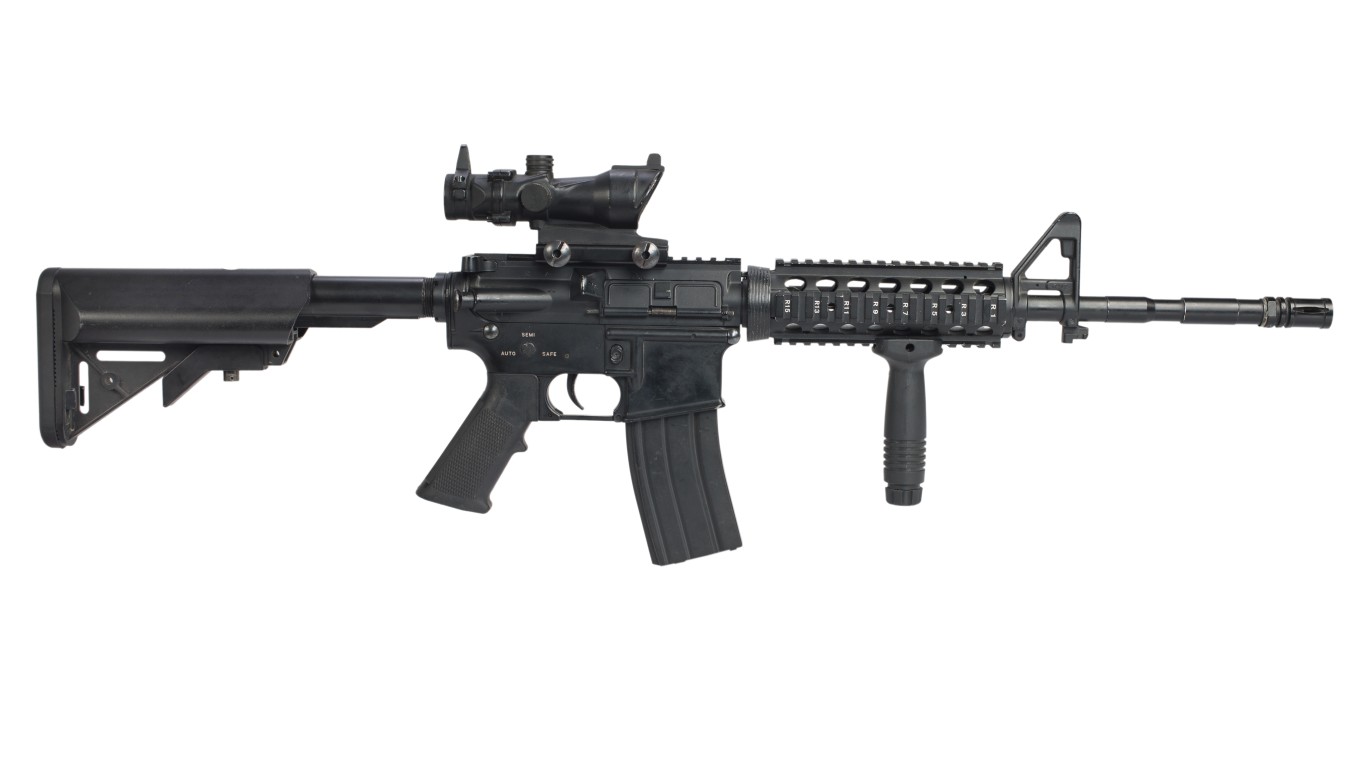
- Category: Optics
- Primary function: Enhances accuracy at distance
- Who it is used by: Airborne riflemen
- Weight: ~10–18 oz
- Why it matters: Improves lethality at all ranges
Optics like the ACOG or LPVO dramatically increase a paratrooper’s ability to identify and engage targets after landing. These sights provide magnification, durability, and rapid target transitions crucial in varied terrain. Their reliability makes them standard issue for modern airborne operations.
Backup Iron Sights / Micro Red Dot

- Category: Optics
- Primary function: Secondary aiming system
- Who it is used by: Airborne riflemen
- Weight: ~3–5 oz
- Why it matters: Essential redundancy
Paratroopers rely on backup sights or micro red dots in case of optic damage during jumps or combat. These lightweight systems ensure rifles remain functional despite harsh landings, debris, or battery failures. Redundancy is key when deep in enemy territory.
AN/PVS‑14 or PVS‑31 NVGs
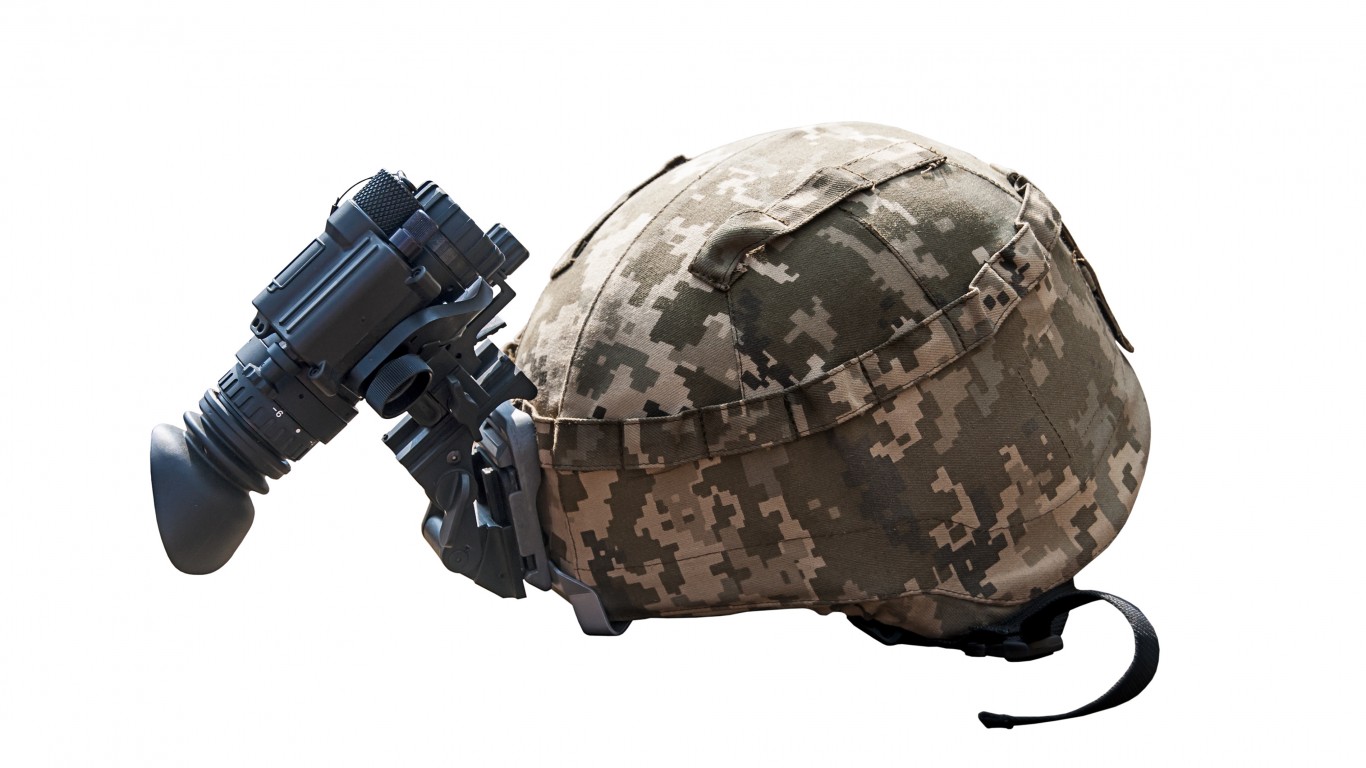
- Category: Optics
- Primary function: Night‑vision for low‑light operations
- Who it is used by: Airborne infantry
- Weight: ~12–18 oz
- Why it matters: Critical for night dominance
Night‑vision goggles give airborne units an overwhelming advantage during nocturnal operations. Whether clearing objectives or defending positions, NVGs allow paratroopers to move, navigate, and fight in darkness. Modern models offer improved depth perception and durability vital for airborne missions.
IR Laser / Illuminator (PEQ‑15 or MAWL)

- Category: Optics
- Primary function: Allows night‑time targeting with NVGs
- Who it is used by: All riflemen
- Weight: ~7 oz
- Why it matters: Enables accurate night engagement
Infrared lasers pair with NVGs to allow precise aiming in total darkness. Paratroopers use them for room clearing, target marking, and coordinated fire under night conditions. These devices ensure airborne units maintain lethality after sundown.
Weapon Light
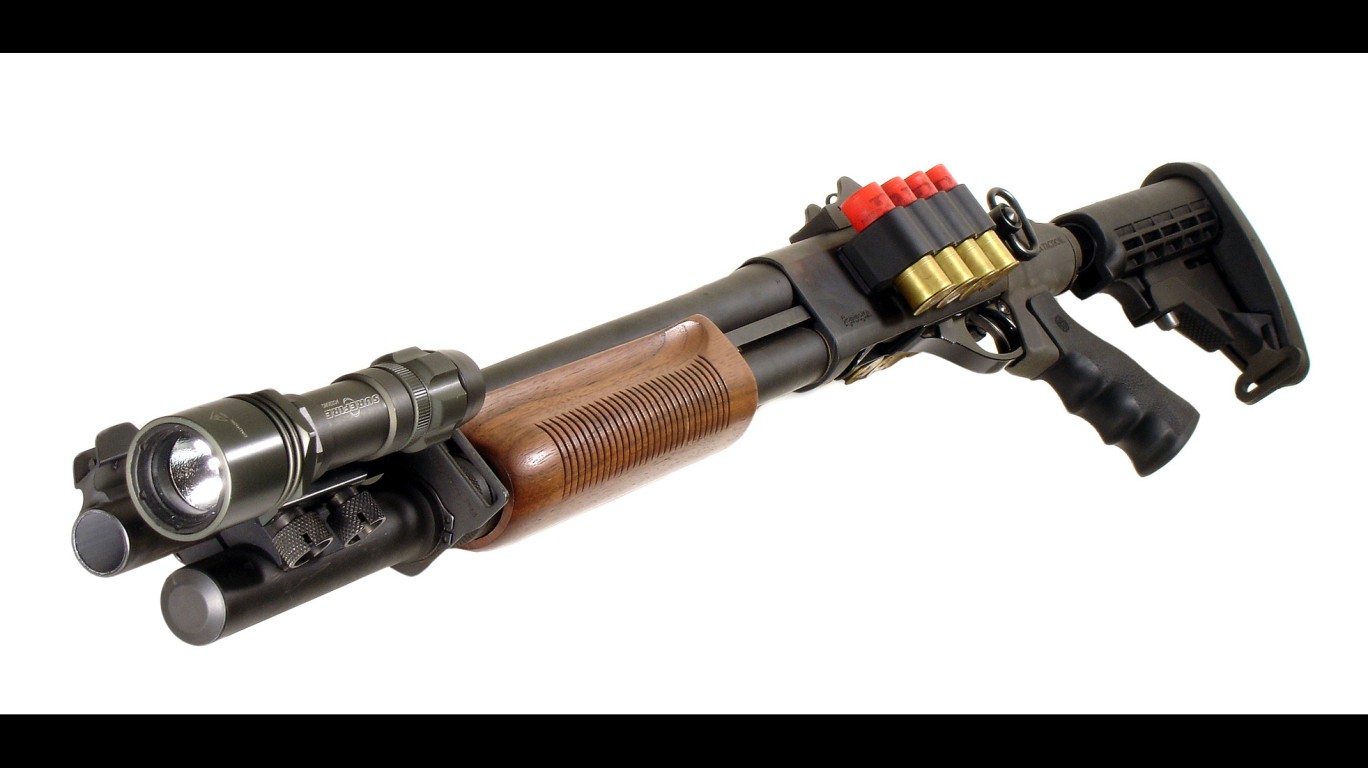
- Category: Optics
- Primary function: Illuminates targets in low visibility
- Who it is used by: Riflemen and team leaders
- Weight: ~4–6 oz
- Why it matters: Improves indoor and night fighting
Weapon lights provide immediate illumination during building clearing and nighttime patrols. Durable enough for airborne drops, they help paratroopers identify threats and avoid misidentification in chaotic environments. Reliable lighting is critical for close‑quarters combat.
Thermal Imager

- Category: Optics
- Primary function: Detects heat signatures
- Who it is used by: Airborne scouts and MG teams
- Weight: ~1–3 lbs
- Why it matters: Tracks hidden or camouflaged threats
Thermal imagers allow airborne teams to detect enemies through smoke, foliage, or darkness. These devices dramatically improve a squad’s situational awareness during reconnaissance or defensive operations. Their ability to spot concealed movement makes them invaluable.
T‑11 Parachute System

- Category: Airborne Equipment
- Primary function: Primary parachute for static‑line jumps
- Who it is used by: U.S. Army airborne units
- Weight: ~38 lbs
- Why it matters: Safest and most stable canopy
The T‑11 parachute provides greater stability, reduced descent rate, and improved safety compared to older designs. Its large canopy helps paratroopers land with heavy combat loads. As the current standard, it is engineered specifically for modern equipment‑intensive airborne missions.
T‑11 Reserve Parachute

- Category: Airborne Equipment
- Primary function: Backup canopy for emergencies
- Who it is used by: All paratroopers
- Weight: ~15.2 lbs
- Why it matters: Critical lifesaving redundancy
The reserve parachute gives paratroopers a second chance if the main canopy malfunctions. Its rapid‑deployment design allows life‑saving activation within seconds. This redundancy is essential during combat jumps where turbulence, collisions, or canopy damage are real risks.
Harness System & Riser Assembly

- Category: Airborne Equipment
- Primary function: Secures paratrooper to parachute
- Who it is used by: All airborne units
- Weight: ~8–10 lbs
- Why it matters: Supports heavy loads safely
The harness system distributes weight evenly while securing the paratrooper and equipment during descent. Built to endure shock forces, it remains one of the most important components of airborne safety. Modern rigs accommodate heavier rucks and weapon cases.
Parachutist Drop Bag / Weapons Case

- Category: Airborne Equipment
- Primary function: Protects weapons during jump
- Who it is used by: Airborne riflemen
- Weight: ~12–15 lbs
- Why it matters: Prevents damage during exit and landing
Drop bags keep rifles, machine guns, and gear safe during airborne insertion. They allow weapons to be carried externally while preventing breakage on landing. This ensures paratroopers can immediately fight after hitting the ground.
Jump Altimeter & DZ Card

- Category: Airborne Equipment
- Primary function: Provides altitude awareness & procedures
- Who it is used by: All jumpers
- Weight: ~3 oz
- Why it matters: Supports safe and accurate jumps
Altimeters help paratroopers monitor altitude during descent, while DZ cards provide mission‑specific instructions for landing. These tools improve safety and precision during large‑scale airborne operations where timing is critical.
Plate Carrier & Ballistic Plates
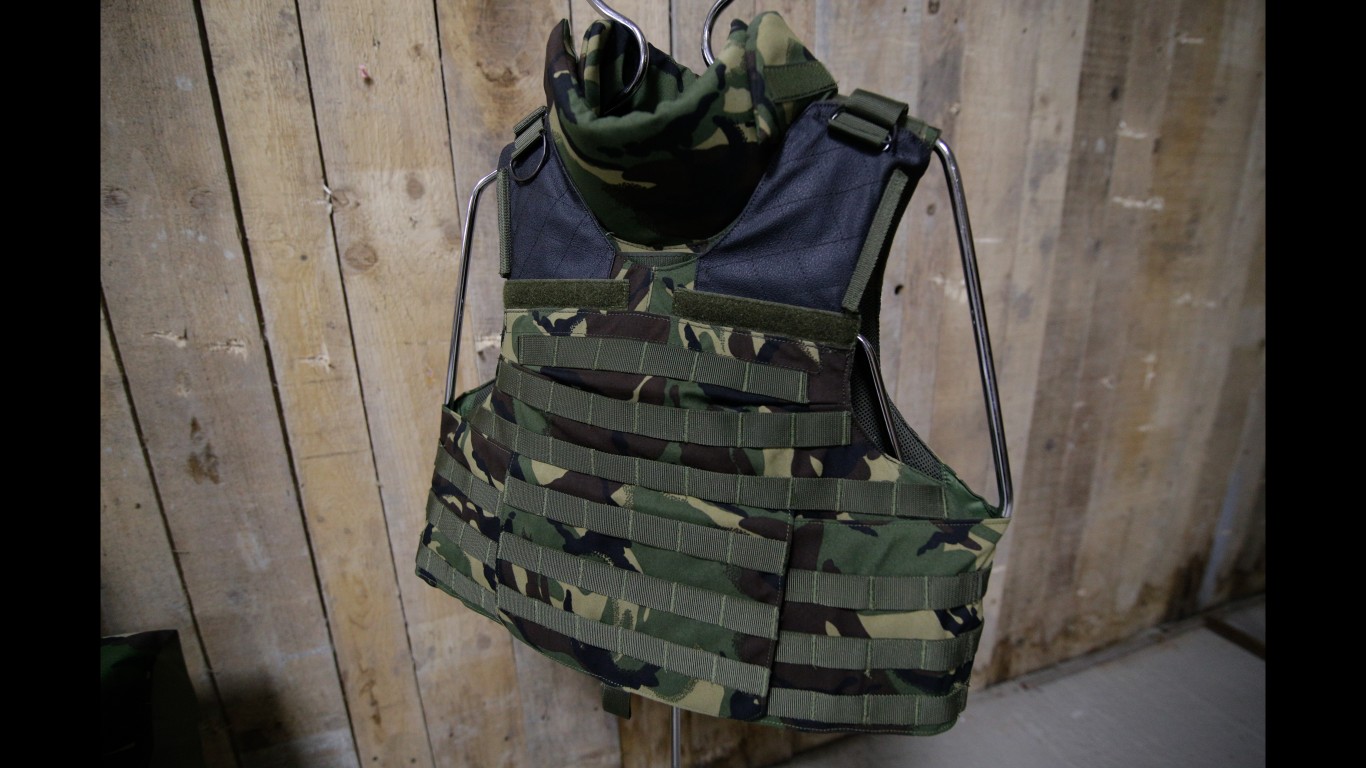
- Category: Gear
- Primary function: Provides torso protection
- Who it is used by: Airborne infantry
- Weight: ~20–25 lbs
- Why it matters: Stops rifle and fragmentation threats
Modern plate carriers shield vital organs from ballistic impacts. Though heavy, they are essential for surviving initial engagements after landing. Paratroopers rely on durable, modular systems that integrate ammo pouches, radios, and hydration gear.
Full Fighting Load
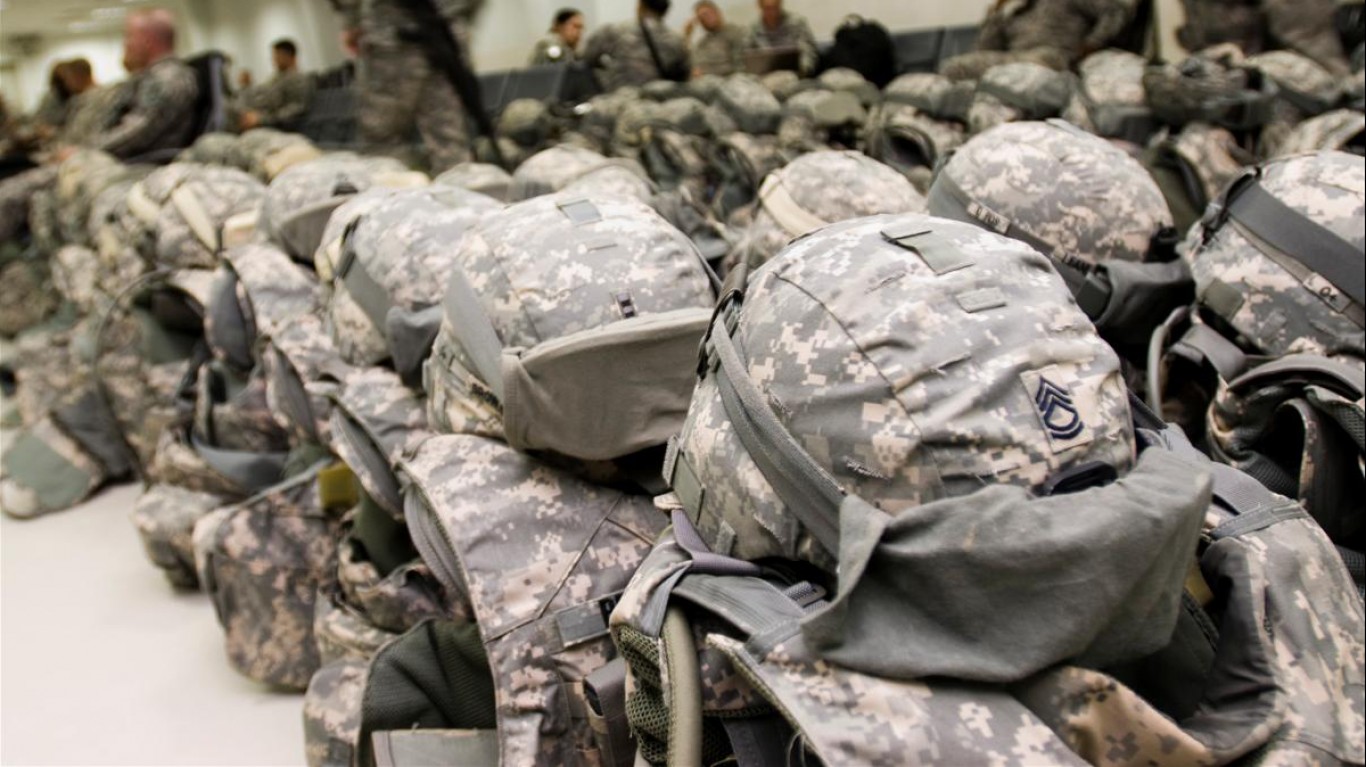
- Category: Gear
- Primary function: Ammunition, grenades, magazines
- Who it is used by: Airborne rifle squads
- Weight: ~30–40 lbs
- Why it matters: Ensures sustained combat power
A paratrooper’s fighting load includes rifle magazines, grenades, specialty munitions, and mission‑specific items. This load gives airborne troops the ammunition endurance needed to hold objectives until reinforcements arrive. Load distribution varies by role and mission.
Hydration System

- Category: Gear
- Primary function: Provides water supply during operations
- Who it is used by: All airborne troops
- Weight: ~1–3 lbs (empty)
- Why it matters: Prevents dehydration under stress
Hydration bladders or canteens allow paratroopers to operate for long periods without resupply. Water is critical during rapid‑movement missions, especially in hot climates or urban terrain. Modern hydration systems integrate seamlessly with plate carriers.
Rucksack

- Category: Gear
- Primary function: Carries sustainment and mission gear
- Who it is used by: Airborne infantry
- Weight: ~35–55 lbs
- Why it matters: Allows extended operations
Airborne rucksacks hold sleeping systems, extra ammo, batteries, medical kits, and mission gear. Their weight reflects the reality that paratroopers often operate without vehicles. Designed for strength and comfort, these rucks must survive airborne drops and rough terrain.
Knee Pads, Gloves, Eye Protection

- Category: Gear
- Primary function: Protects against impact and debris
- Who it is used by: All airborne units
- Weight: ~1–2 lbs
- Why it matters: Reduces injuries during landings and combat
Protective gear helps paratroopers avoid injury while maneuvering over rough terrain or clearing buildings. Landings alone can be hazardous, making knee pads and gloves essential. Eye protection shields against debris, fragmentation, and environmental hazards.
AN/PRC‑152 or PRC‑163 Radio
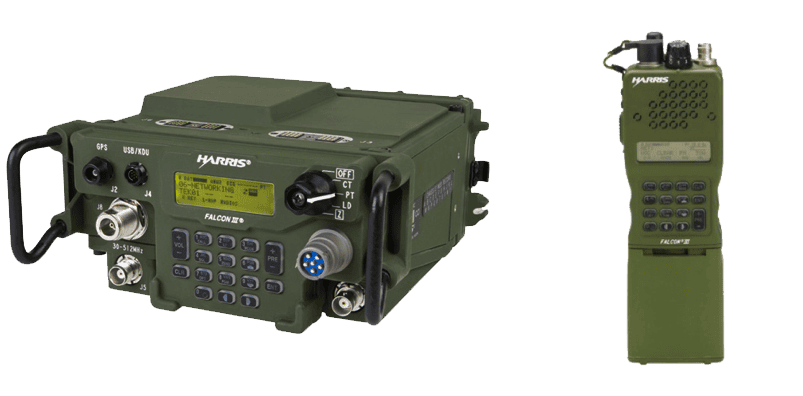
- Category: Communications
- Primary function: Provides encrypted squad comms
- Who it is used by: Team leaders
- Weight: ~2 lbs
- Why it matters: Enables command and control
Modern radios give airborne squads secure voice and data communication. Essential for coordinating movements, calling support, or maintaining contact after scattered landings, these radios are lifelines during airborne assaults. Their durability makes them suitable for harsh conditions.
GPS / DAGR Navigation Device
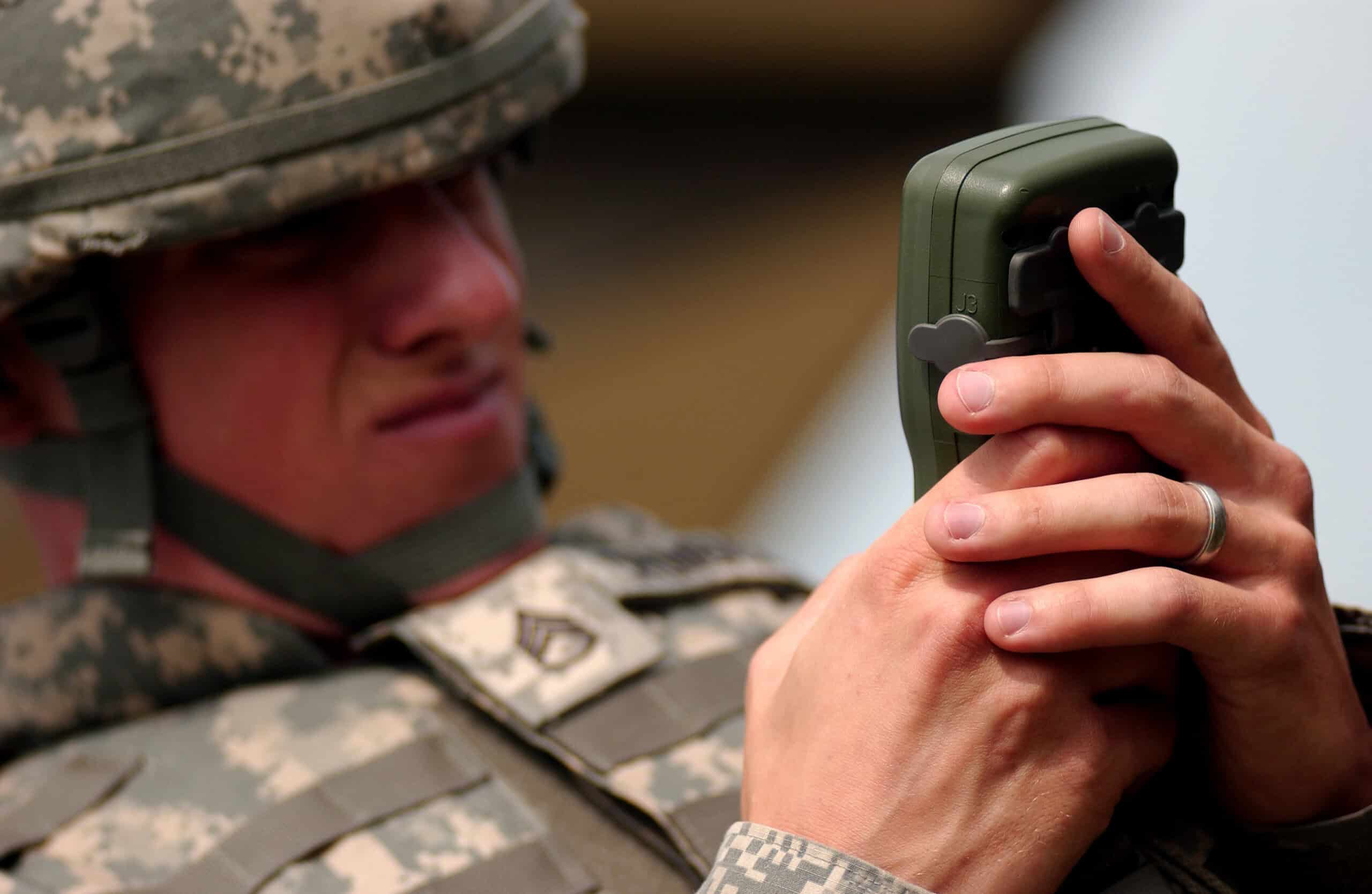
- Category: Communications
- Primary function: Provides land navigation capability
- Who it is used by: Squad and platoon leaders
- Weight: ~1 lb
- Why it matters: Improves navigation accuracy
The DAGR and other GPS tools allow airborne units to navigate quickly across unfamiliar terrain. After a jump, paratroopers may land dispersed, making accurate navigation essential for regrouping. These devices dramatically reduce the time required to reach objectives.
ATAK Smartphone System

- Category: Communications
- Primary function: Digital situational awareness tool
- Who it is used by: Airborne leaders
- Weight: ~0.5 lbs
- Why it matters: Enhances real‑time coordination
The Android Tactical Assault Kit (ATAK) gives paratroopers live mapping, troop tracking, and mission planning tools. It links squads to higher command and reduces confusion during complex operations. ATAK is becoming a central tool of modern light infantry.
IFF Infrared Strobe

- Category: Communications
- Primary function: Identifies friendly forces to aircraft
- Who it is used by: All airborne troops
- Weight: ~3 oz
- Why it matters: Prevents friendly fire at night
Infrared strobes help aircraft and supporting forces identify paratroopers during night operations. Invisible to the naked eye but clear through NVGs, they reduce accidental engagements and improve coordination during large‑scale airborne missions.
Contact [email protected] for any questions or corrections.
Chris Lange is a financial and geopolitical writer with more than a decade of experience covering a myriad of topics. He has published thousands of articles for 24/7 Wall St., with past coverage focused heavily on stocks, IPOs, healthcare, defense, global affairs, and technology.
His work has been quoted, or referenced by a number of outlets including Business Insider, USA Today, Yahoo Finance, MSN, The Motley Fool, and many other publications. A graduate of Southwestern University, he studied business with a focus on investments and has previous experience in banking and startups.
When not reading or writing the news, he is following his passion for Lacrosse, playing chess, or building solar projects with his dad.

![us+army+reserve | 2013 US Army Reserve Best Warrior Competiton: 10km Ruck March [Image 10 of 30]](https://247wallst.com/wp-content/uploads/2024/07/imageForEntry7-WO2-200x133.jpg)