Inside the Modern Infantryman’s Full Battle Load
The modern infantryman carries a combat load unlike anything seen in previous generations. Rifles, armor, radios, night-vision gear, batteries, medical supplies, and mission tools all compete for space on a soldier’s frame. Each item serves a purpose, but together they…

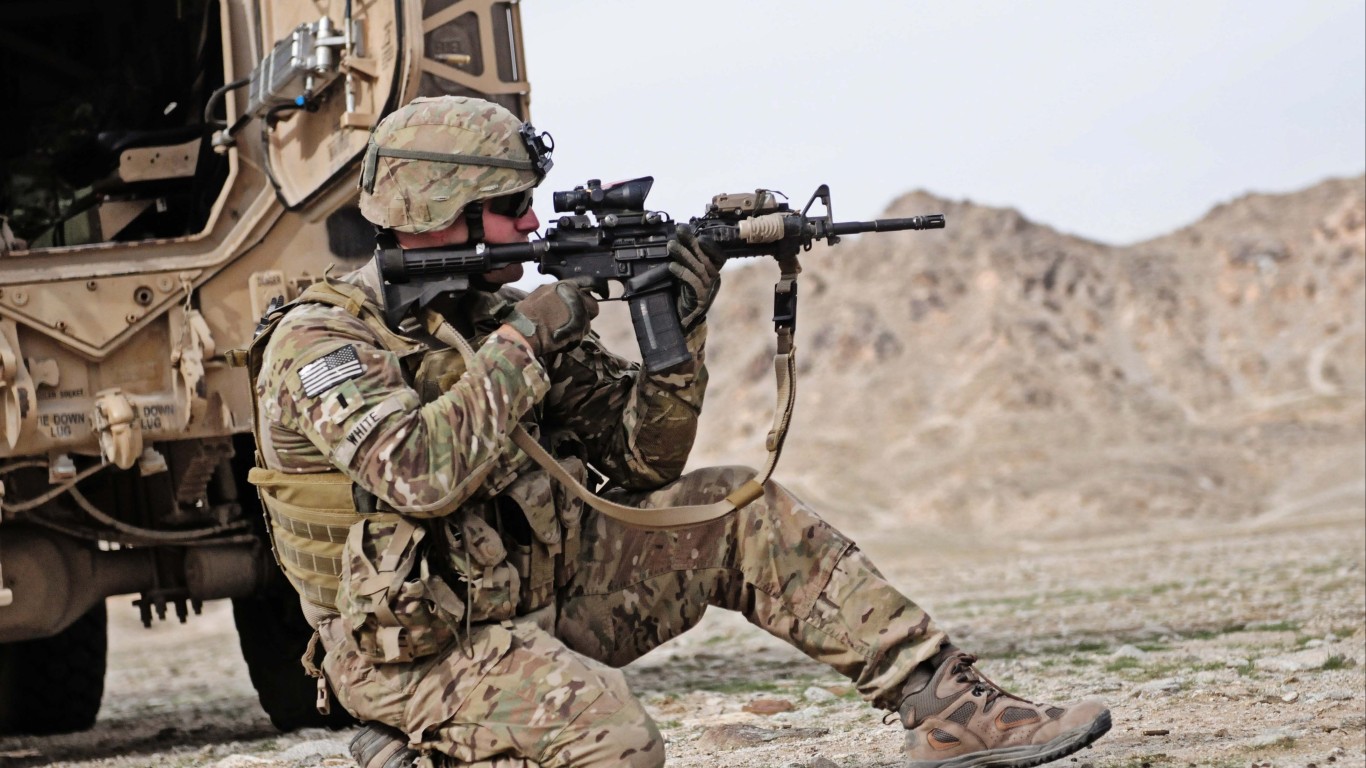
The modern infantryman carries a combat load unlike anything seen in previous generations. Rifles, armor, radios, night-vision gear, batteries, medical supplies, and mission tools all compete for space on a soldier’s frame. Each item serves a purpose, but together they create a burden that shapes how infantry fight and survive today. Here, 24/7 Wall St. is taking a closer look at the modern infantryman’s loadout.
To determine the loadout of the modern infantryman, 24/7 Wall St. reviewed various historical and military sources. We included supplemental information regarding the primary function, who it is used by and why it matters in the modern infantryman’s toolbox.
Here is a look at the modern infantryman’s loadout:
Why Are We Covering This?
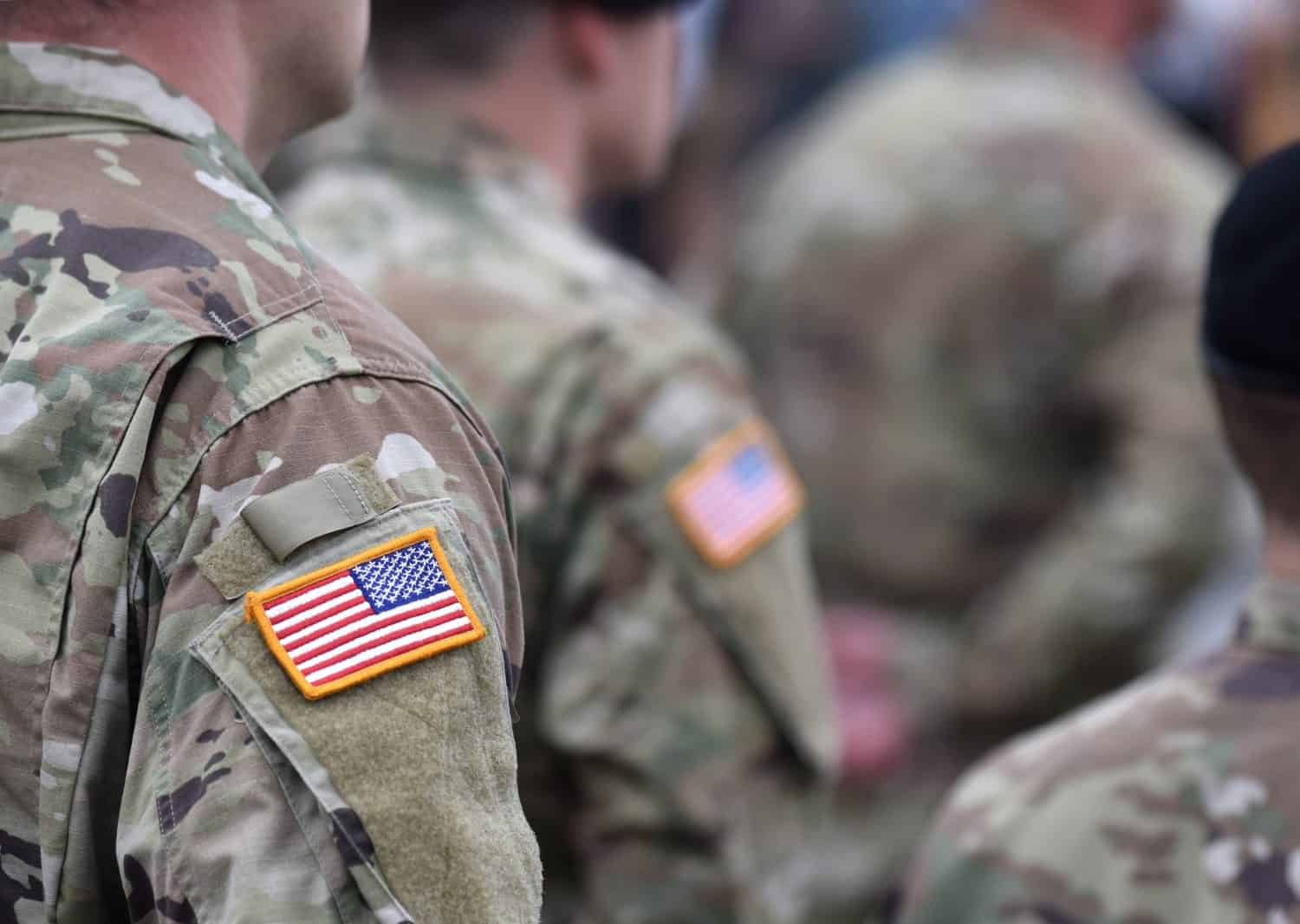
The modern infantryman carries more weight, responsibility, and technology than any generation before him. Understanding the full battle load reveals the reality behind today’s frontline soldier which is a blend of firepower, protection, communication, and survival gear that reflects the demands of modern warfare. From night-vision systems to advanced armor plates and digital tools, each item serves a purpose shaped by decades of combat experience. Again, understanding what infantry actually carry into the field, we gain some insight into how they fight, how they move, and how military doctrine has evolved in an era defined by long-range threats, urban combat, and precision-driven operations.
The Modern Infantryman’s Mission Has Changed
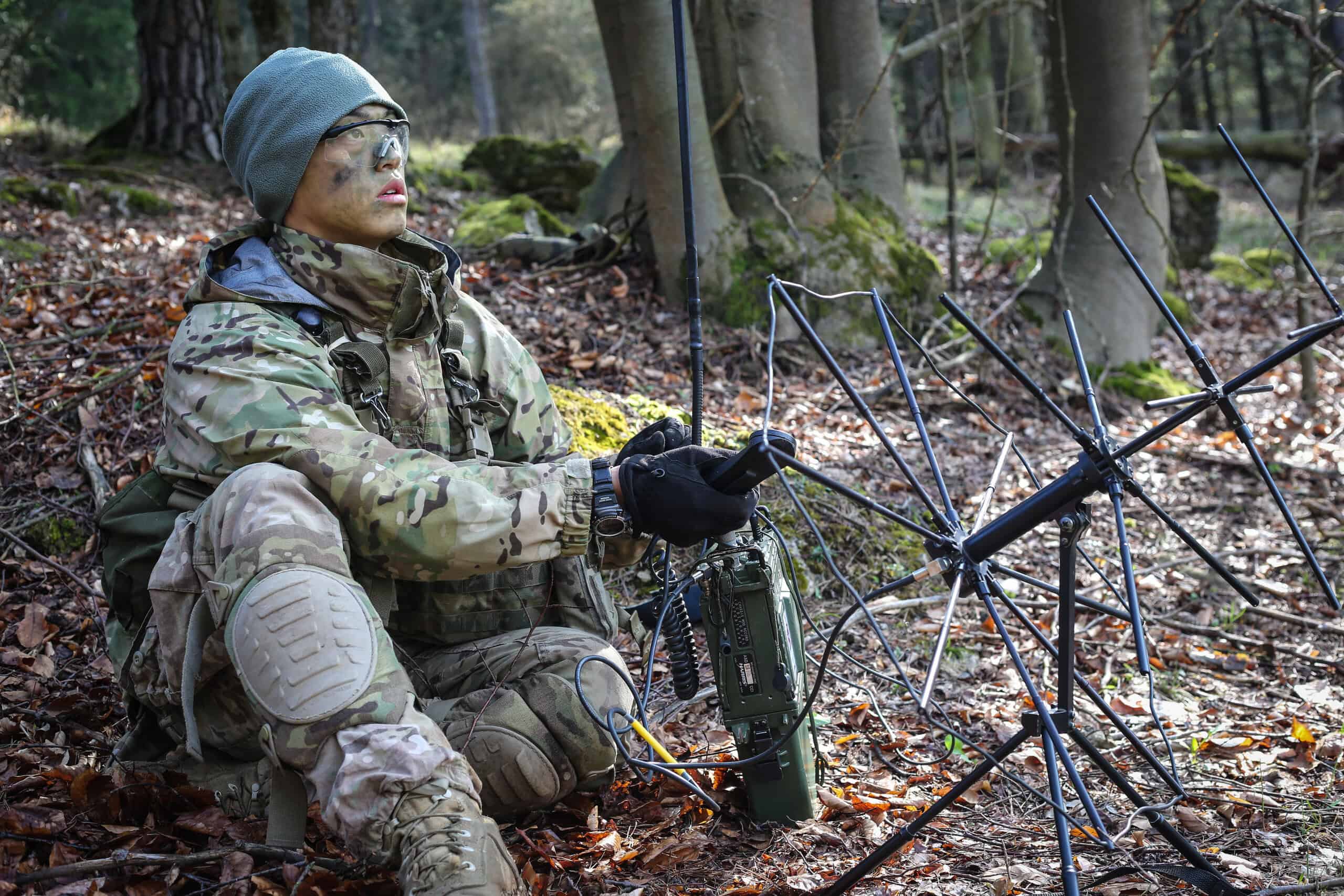
Today’s infantry soldier operates in an environment far more complex than the battlefields of previous generations. Their mission now requires seamless integration with drones, precision fires, digital communication systems, and night operations across every terrain imaginable. The equipment they carry reflects this expanded role, giving them the tools needed to survive and maneuver in a world shaped by new threats and faster decision cycles.
Why Today’s Soldiers Carry More Than Ever Before
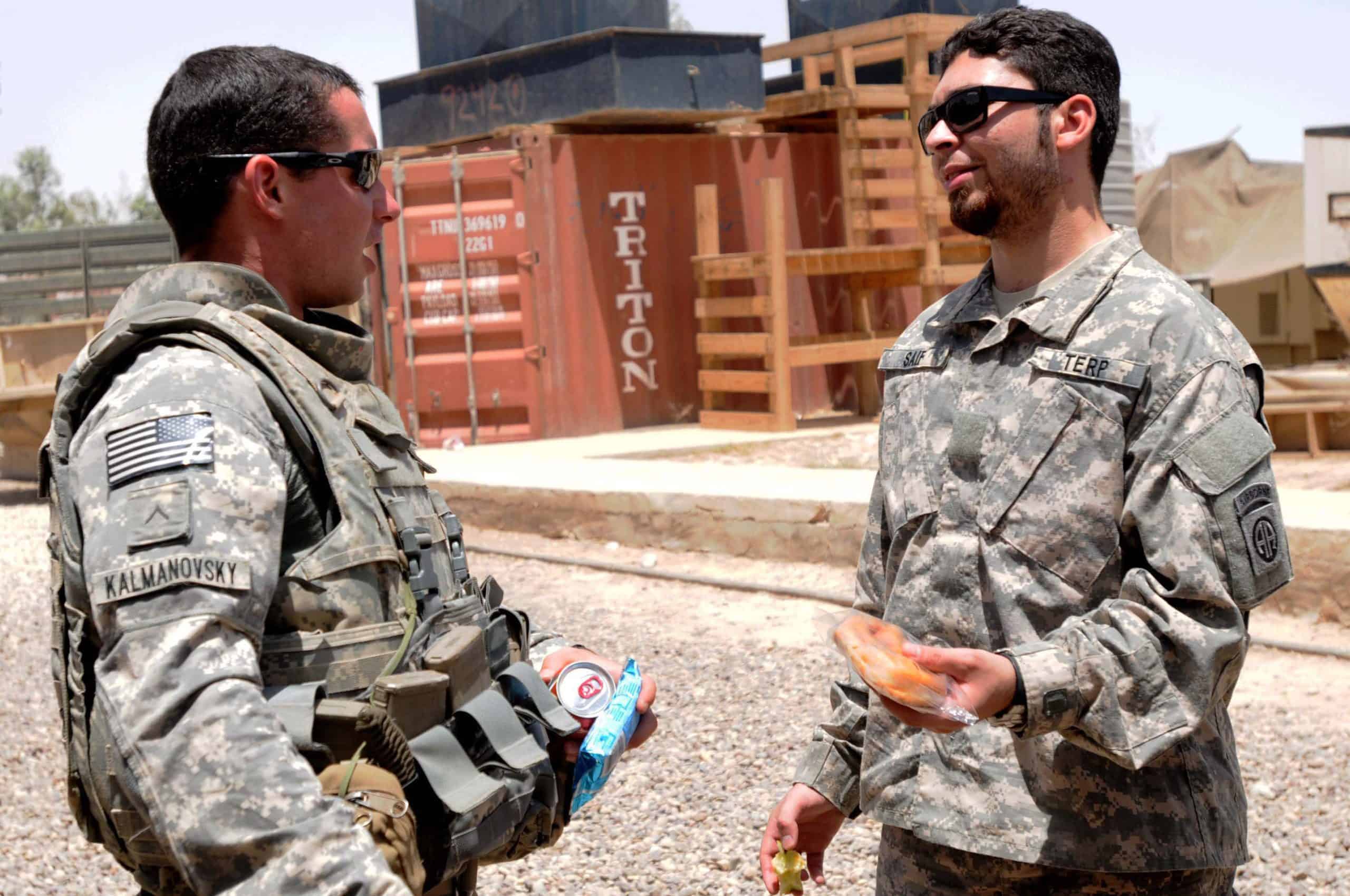
The modern infantryman carries far more gear than his predecessors, not because the battlefield is simpler, but because survival now depends on capabilities that didn’t exist decades ago. Advanced armor, improved optics, enhanced communication gear, and mission-sustainment tools all add weight — but each piece plays a critical role. The burden is heavier, but the payoff is greater lethality and greater protection.
Technology That Defines the Modern Battlefield
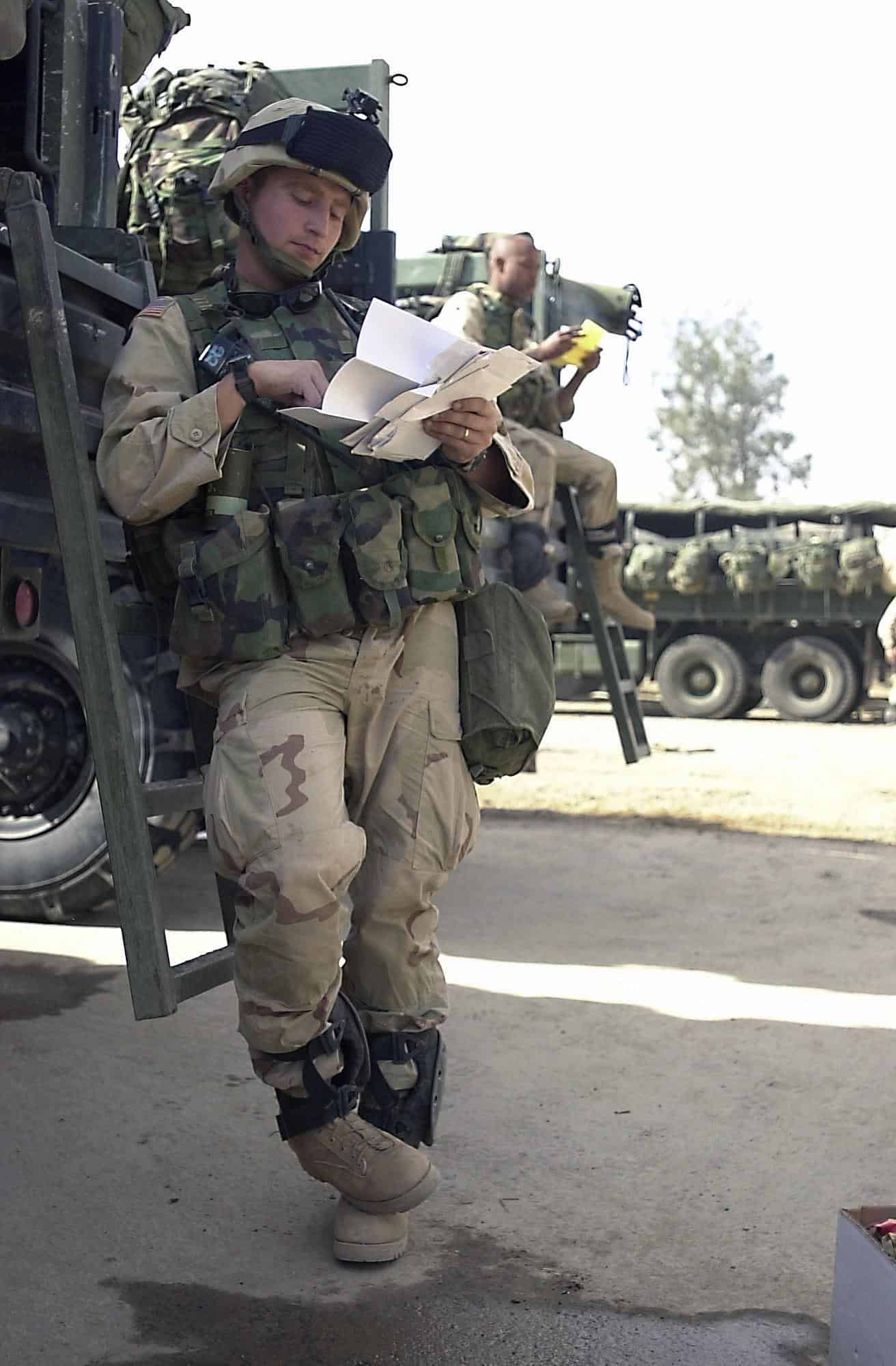
Night-vision devices, laser aiming modules, advanced optical sights, and digital systems like ATAK have transformed how infantry units fight. These tools allow soldiers to navigate, communicate, and engage with greater precision and awareness than ever before. Modern gear isn’t just an accessory — it is fundamental to winning in today’s multi-domain battlespace.
The Weight Burden Few Outside the Military See
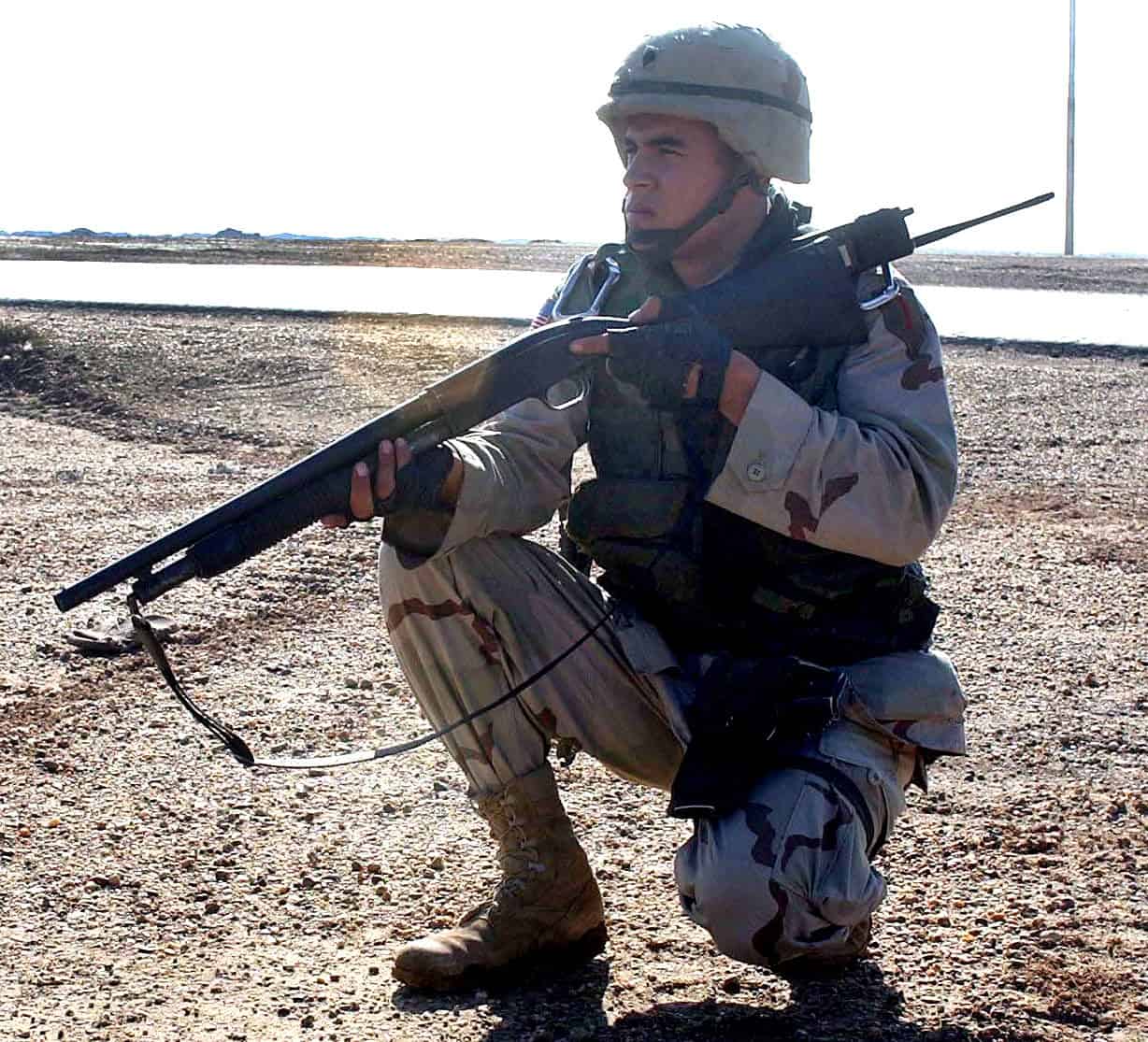
A full combat load for a modern infantryman can easily exceed 80 to 120 pounds, depending on mission requirements. This weight affects movement, endurance, and decision-making under stress. While technology has improved survivability and effectiveness, it has also demanded a higher physical cost — one that is rarely understood outside military circles.
What This Full Battle Load Reveals About Today’s Infantry
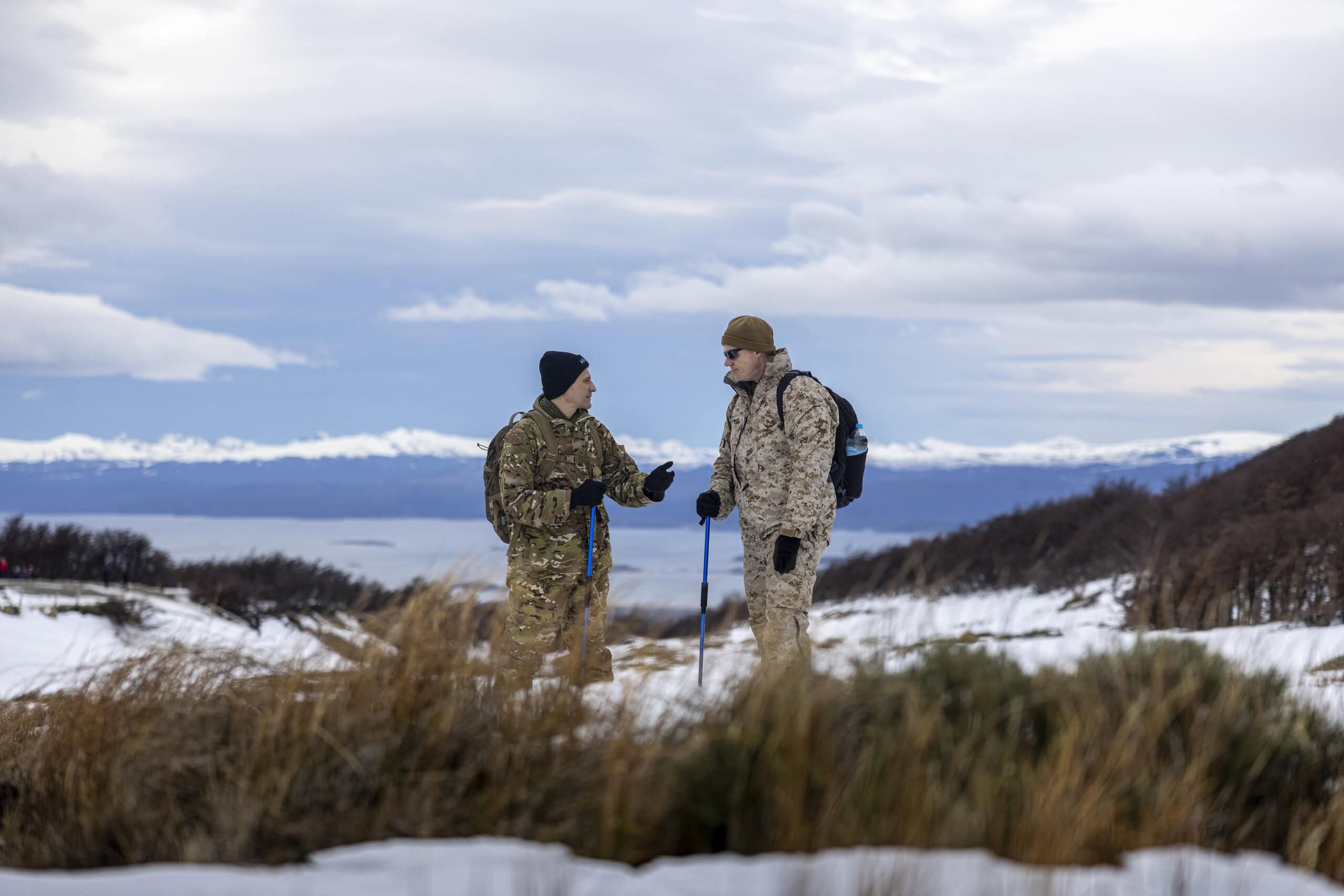
Examining the full battle load shows how dramatically infantry combat has evolved. These items reveal priorities shaped by asymmetric warfare, long patrols, night-dominant operations, and the need for constant communication. A soldier’s loadout is more than gear — it’s a blueprint of how modern militaries expect them to fight, survive, and win.
M4A1 Carbine with Optics

- Category: Weapon
- Primary function: Primary rifle for all combat engagements
- Who it is used by: Infantry riflemen
- Weight: ~7.3 lbs (unloaded)
- Why it matters: Core weapon of the modern infantryman
The M4A1 remains the backbone of infantry firepower. Outfitted with optics, lasers, and lights, it provides accuracy and adaptability across urban, desert, and forest environments. Infantry rely on its reliability and modularity to meet mission demands, making it central to nearly every engagement today.
M249/M240 Ammo (Distributed)
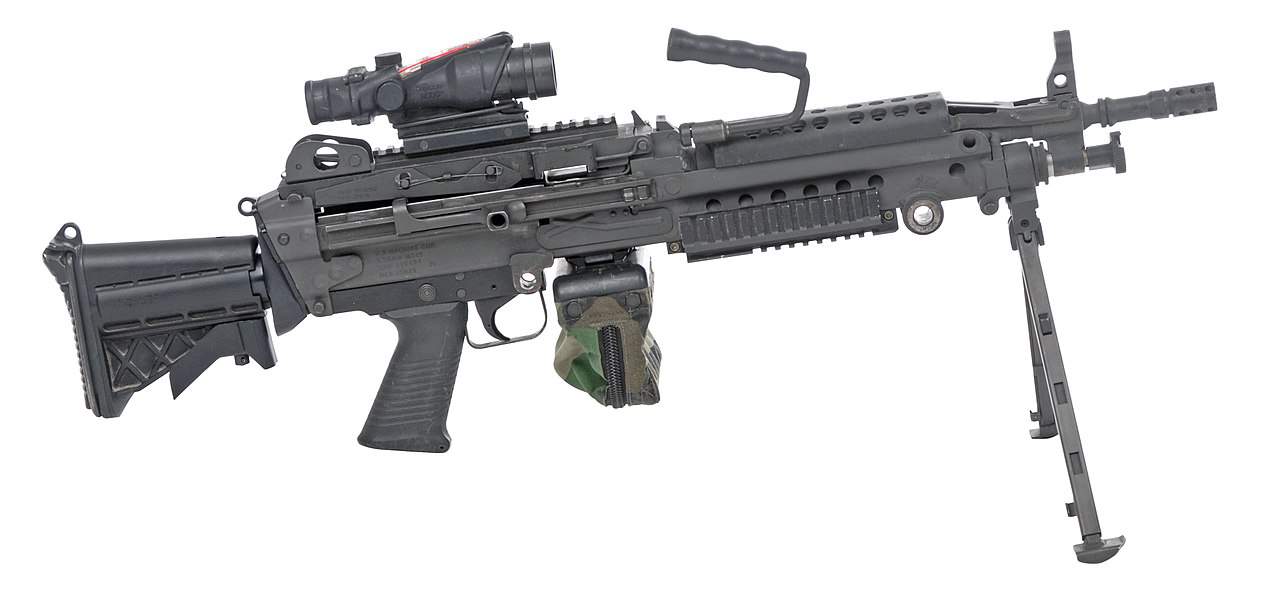
- Category: Weapon
- Primary function: Supports machine-gun teams with sustained fire
- Who it is used by: Infantry squads
- Weight: ~3–5 lbs per belt
- Why it matters: Ensures continuous suppression
Infantry squads distribute machine-gun ammunition across the formation to keep crew-served weapons firing. This shared burden allows machine gunners to maintain suppression, shape the battlefield, and give riflemen freedom of movement. It’s essential for winning close and mid-range engagements.
M17/M18 Sidearm
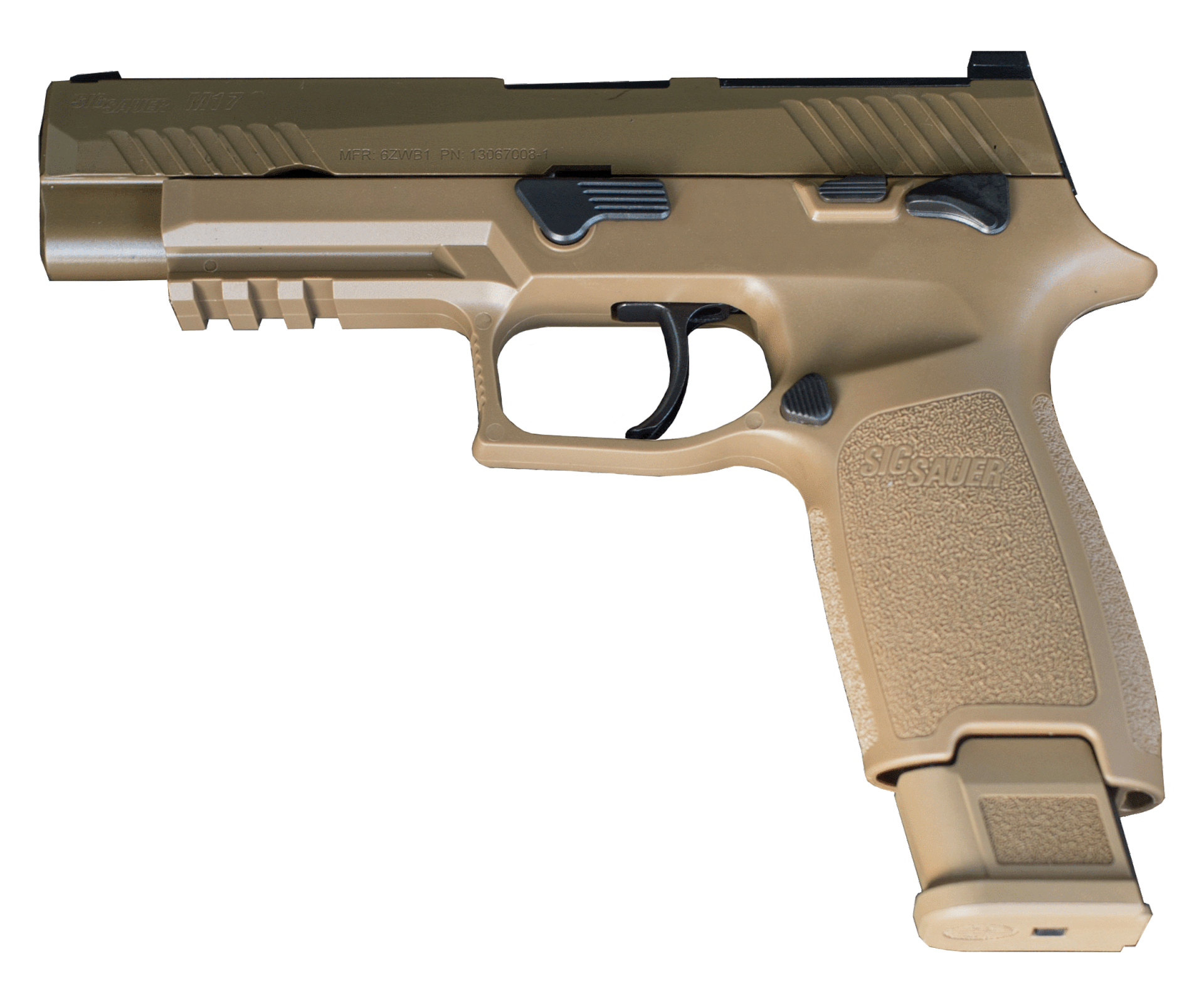
- Category: Weapon
- Primary function: Secondary defensive weapon
- Who it is used by: Infantry NCOs, leaders
- Weight: ~1.7 lbs
- Why it matters: Backup weapon for emergencies
The M17 and M18 pistols provide a lightweight, reliable backup option when rifles jam or close-quarters fighting makes long guns unwieldy. Leaders and key personnel often carry them for additional protection during high-risk operations.
M320 Grenade Launcher
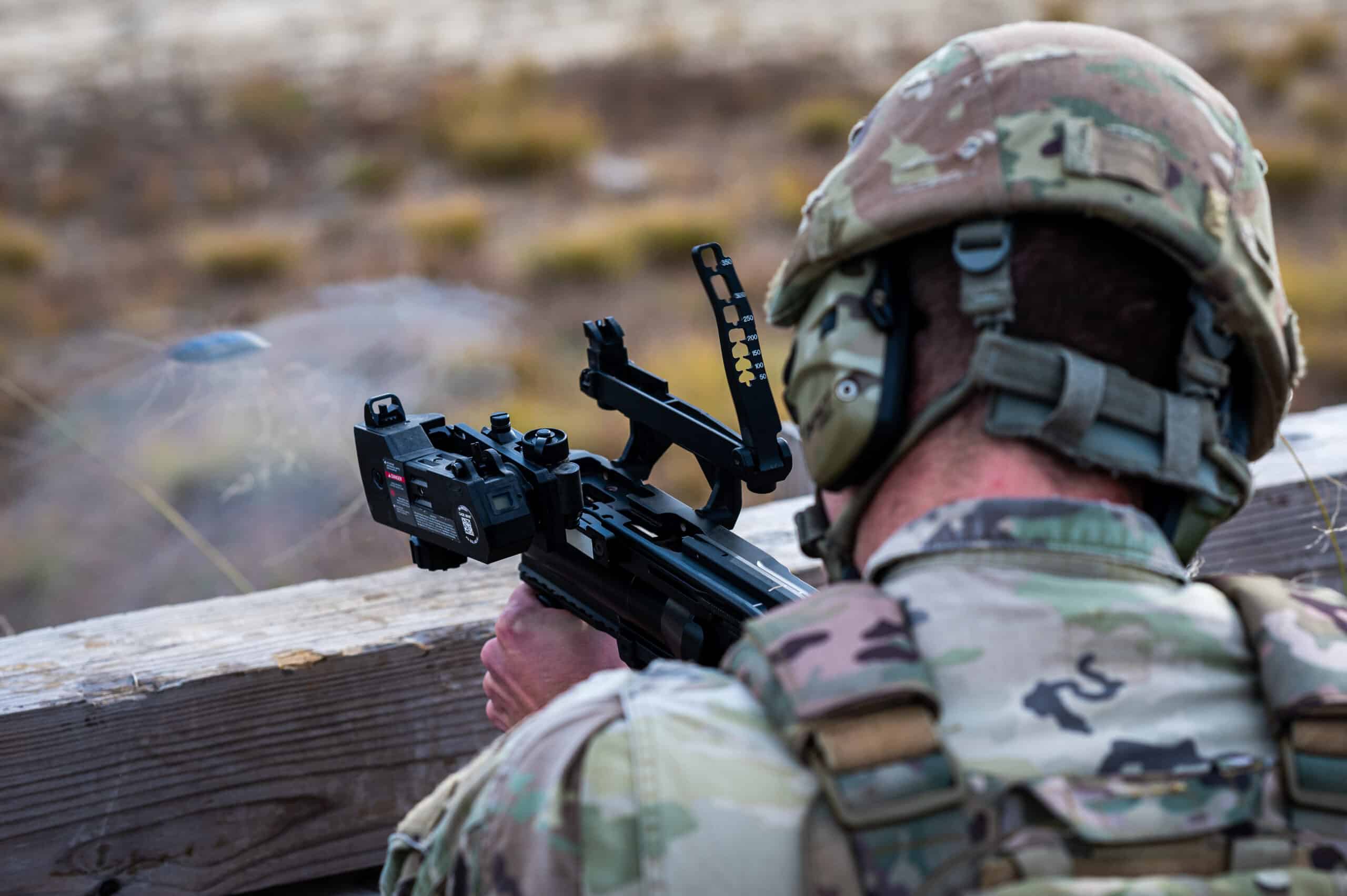
- Category: Weapon
- Primary function: Delivers explosive or smoke rounds
- Who it is used by: Grenadiers
- Weight: ~3.9 lbs
- Why it matters: Enhances infantry lethality
The M320 increases infantry firepower with precise 40mm grenades for clearing rooms, busting cover, or marking targets. Its standalone or mounted configuration gives grenadiers flexibility across mission types.
5.56/7.62 Ammunition Load
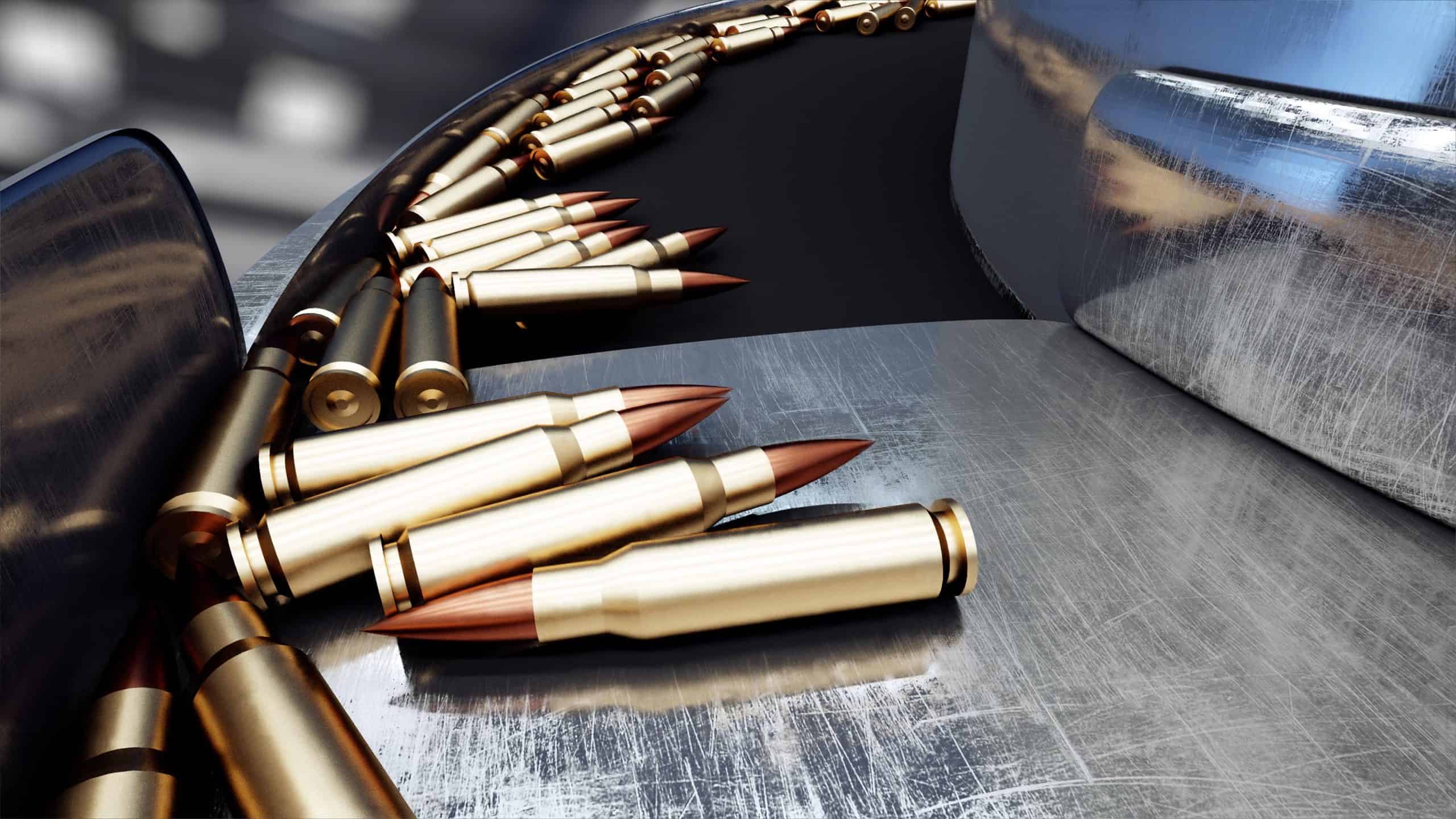
- Category: Weapon
- Primary function: Provides sustained rifle and MG fire
- Who it is used by: All infantry
- Weight: ~15–25 lbs
- Why it matters: Enables prolonged firefights
A modern infantryman carries multiple rifle magazines plus additional belts for machine gunners. Ammunition makes up a large portion of combat weight, ensuring fire superiority and the ability to maintain pressure during extended engagements.
M67 Fragmentation Grenades
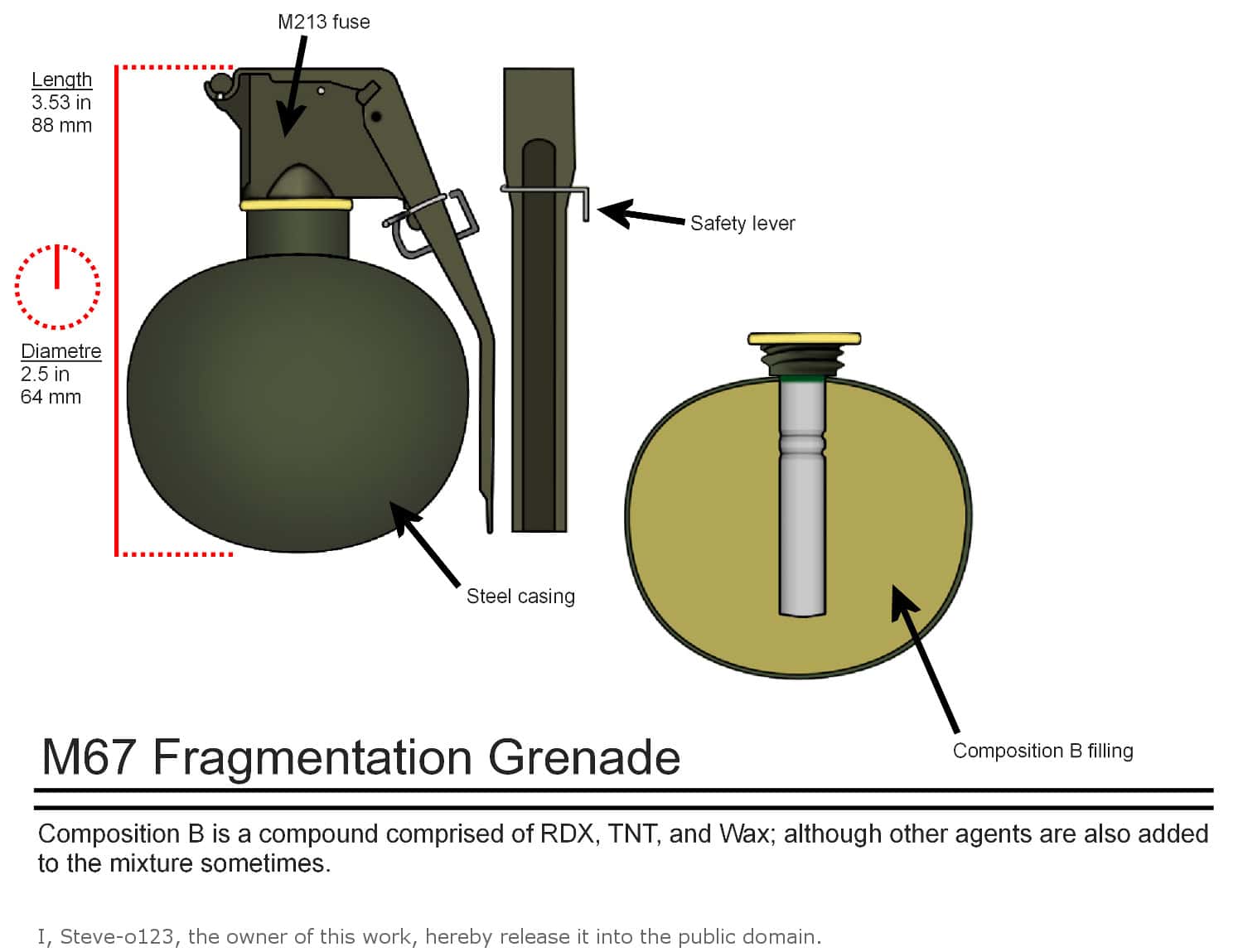
- Category: Weapon
- Primary function: Clears rooms, trenches, or cover
- Who it is used by: All infantry
- Weight: ~14 oz each
- Why it matters: Essential for close combat
Fragmentation grenades provide immediate explosive power to neutralize entrenched threats. Infantry use them frequently in urban and trench environments where enemies hide behind hard cover.
Smoke Grenades

- Category: Weapon
- Primary function: Provides concealment or signaling
- Who it is used by: Riflemen and leaders
- Weight: ~16 oz
- Why it matters: Critical for movement and comms
Smoke grenades mask maneuver, break line of sight, and help infantry reposition under fire. They’re also used for marking landing zones, calling air support, or signaling friendly forces.
AT4 or M72 LAW
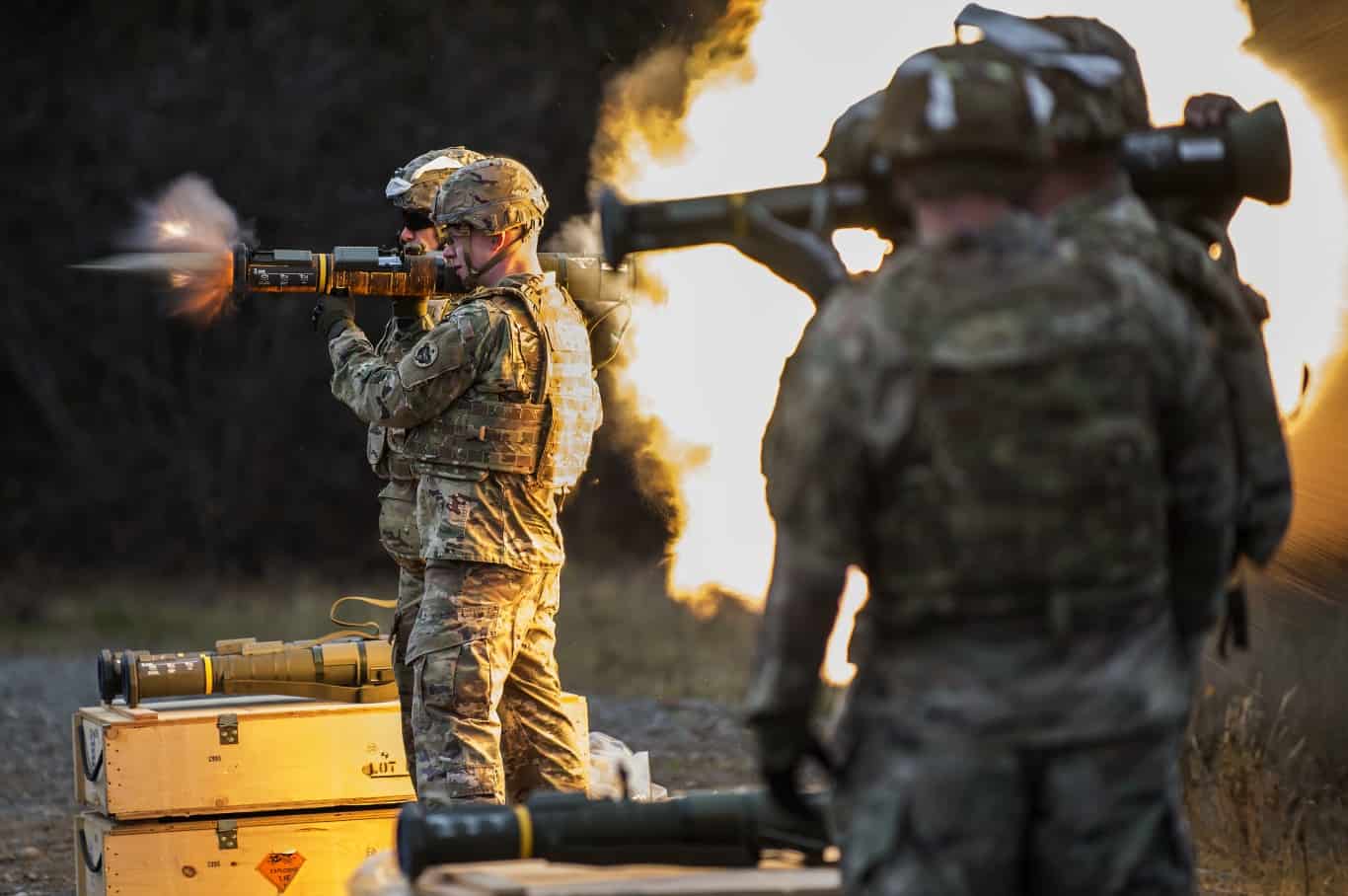
- Category: Weapon
- Primary function: Anti-armor and anti-fortification tool
- Who it is used by: All infantry
- Weight: ~5–15 lbs
- Why it matters: Portable anti-armor punch
Disposable launchers like the AT4 or LAW offer infantry a lightweight means of destroying vehicles, bunkers, or obstacles. They remain indispensable in scenarios where armor support is limited.
Breach Charges
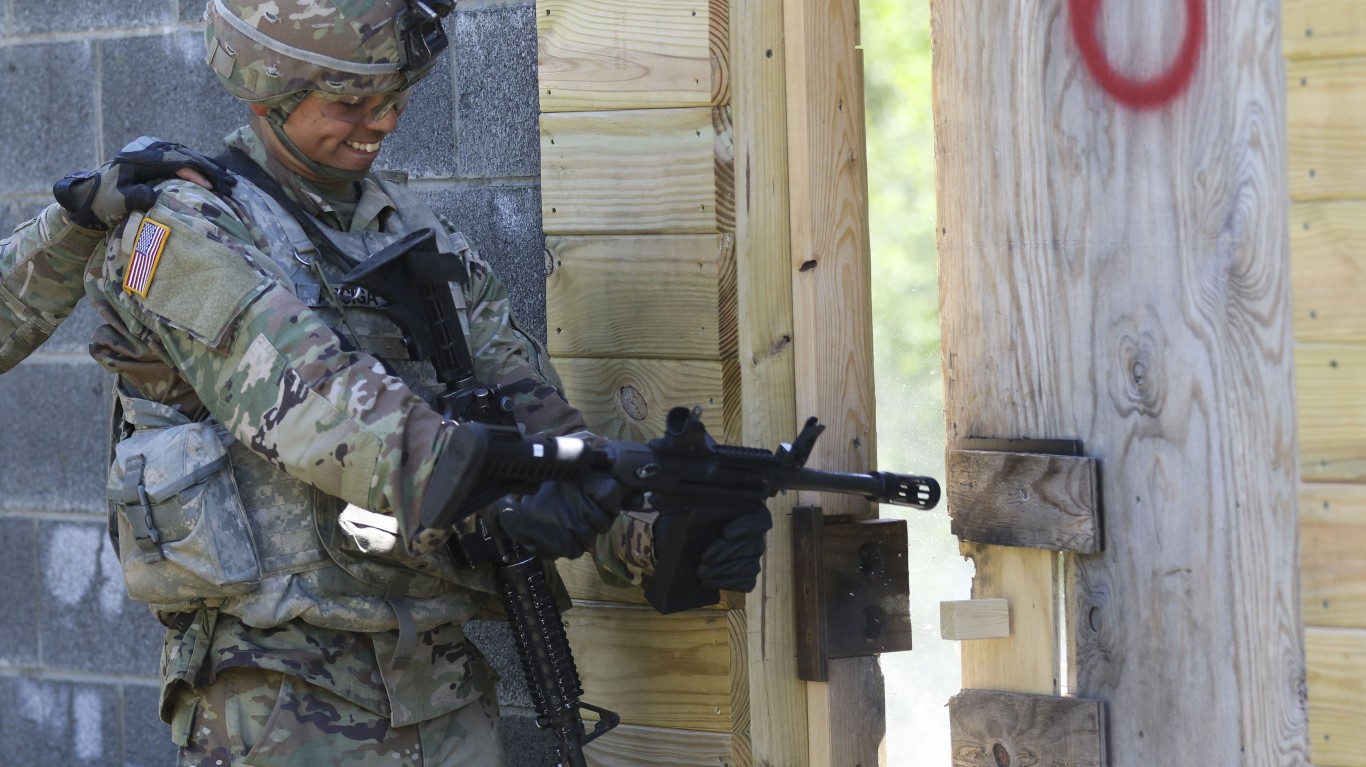
- Category: Weapon
- Primary function: Entry and obstacle removal
- Who it is used by: Breaching teams
- Weight: Varies
- Why it matters: Allows forced entry
Infantry breaching charges enable rapid entry through locked or fortified doors during urban combat. Though role-specific, they’re vital for maintaining momentum in assaults.
Claymore Mine
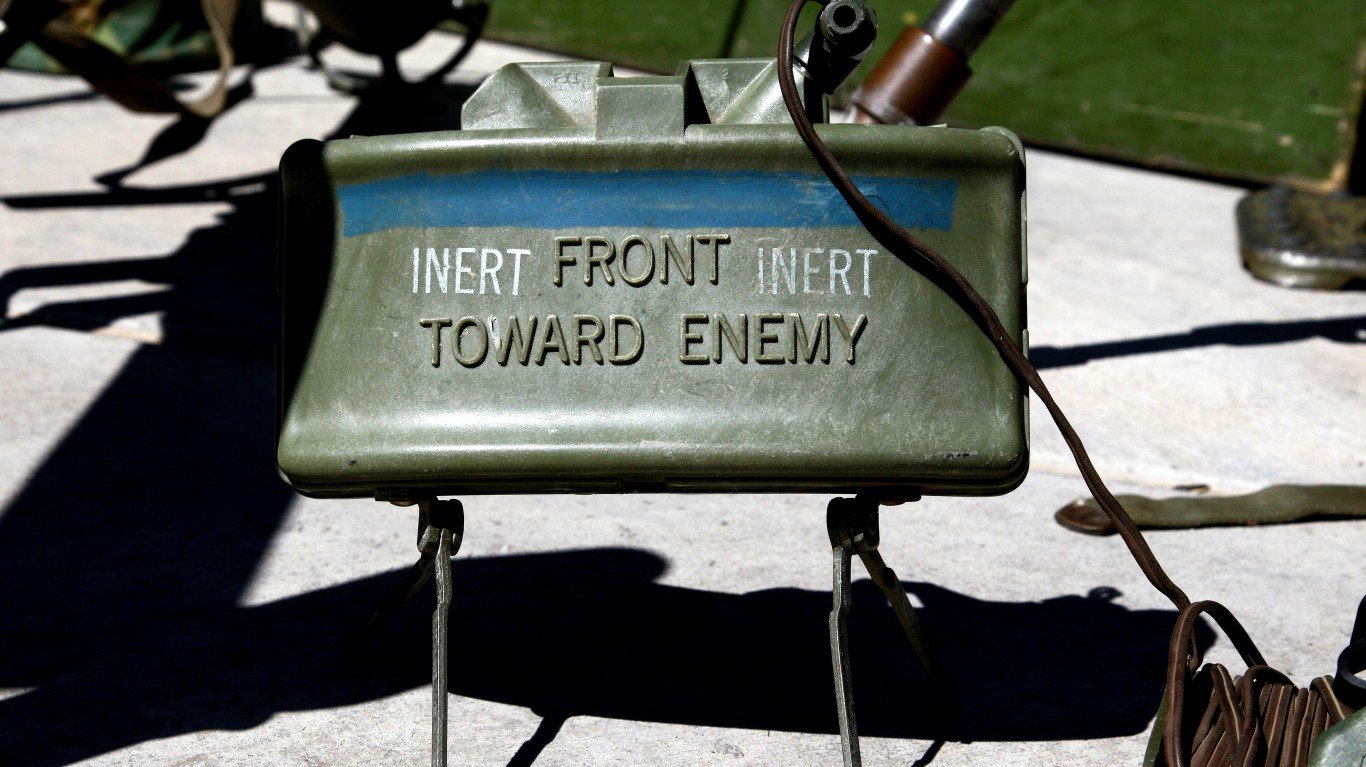
- Category: Weapon
- Primary function: Defensive perimeter or ambush tool
- Who it is used by: Infantry squads
- Weight: ~3.5 lbs
- Why it matters: Massive close-range effect
The Claymore is used to secure defensive positions or create kill zones during ambushes. It provides infantry units with a devastating standoff capability.
Plate Carrier with Plates
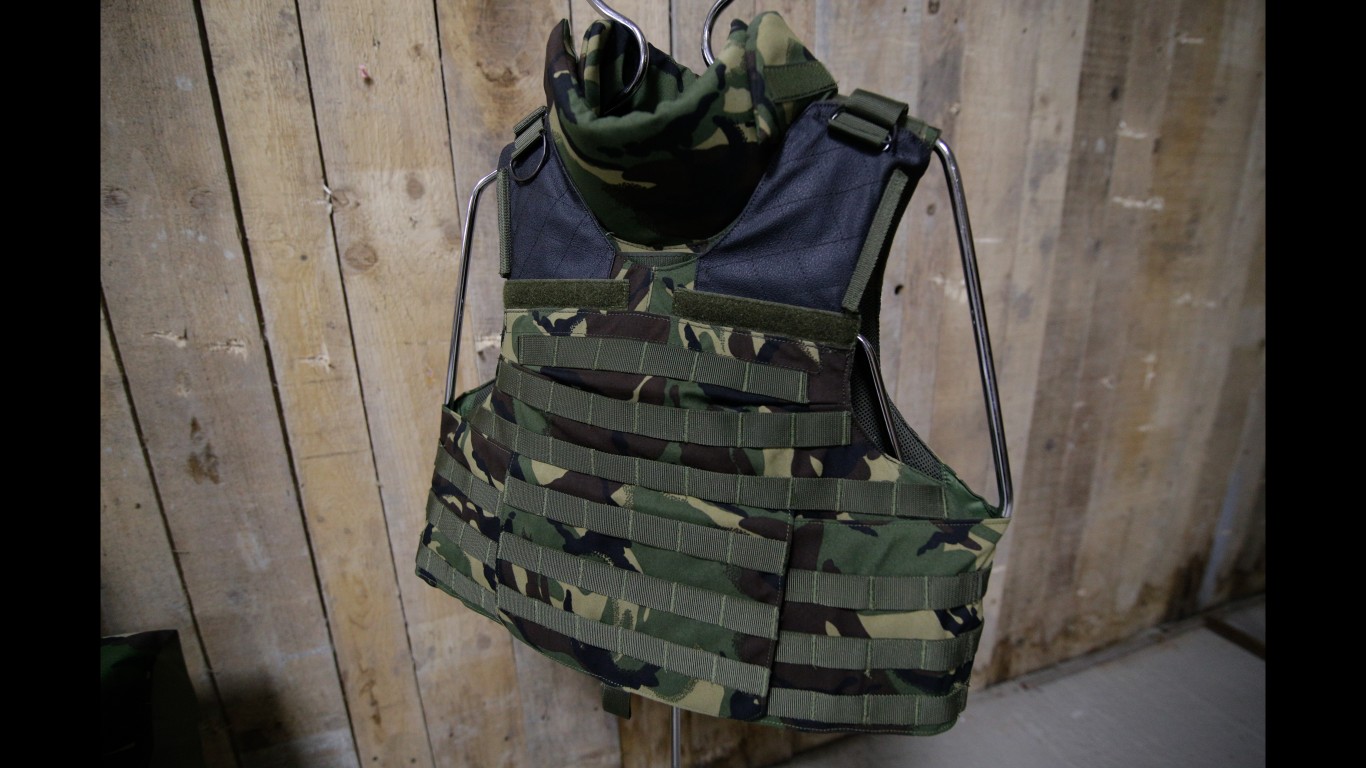
- Category: Armor
- Primary function: Protects vital organs from rifle fire
- Who it is used by: All infantry
- Weight: ~20–25 lbs
- Why it matters: Key survival equipment
Modern plate carriers provide crucial ballistic protection. Despite their weight, they dramatically reduce fatal injuries and integrate with pouches, radios, and hydration systems for efficiency.
Helmet System
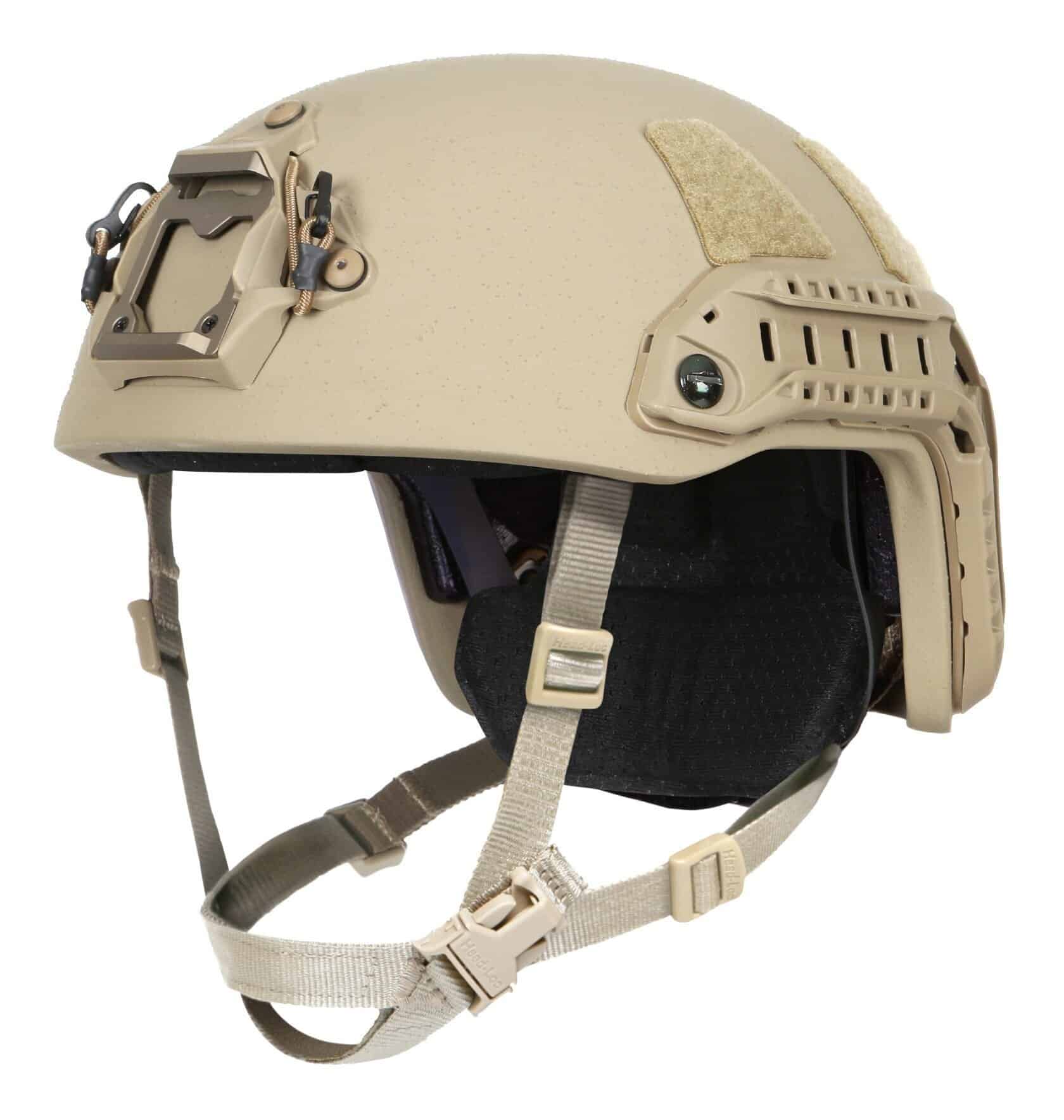
- Category: Armor
- Primary function: Head protection with NVG mount
- Who it is used by: All infantry
- Weight: ~3 lbs
- Why it matters: Supports night ops and protection
Modern helmets protect against shrapnel and blunt impact while serving as a mounting platform for night-vision devices and cameras.
Eye/Ear Protection
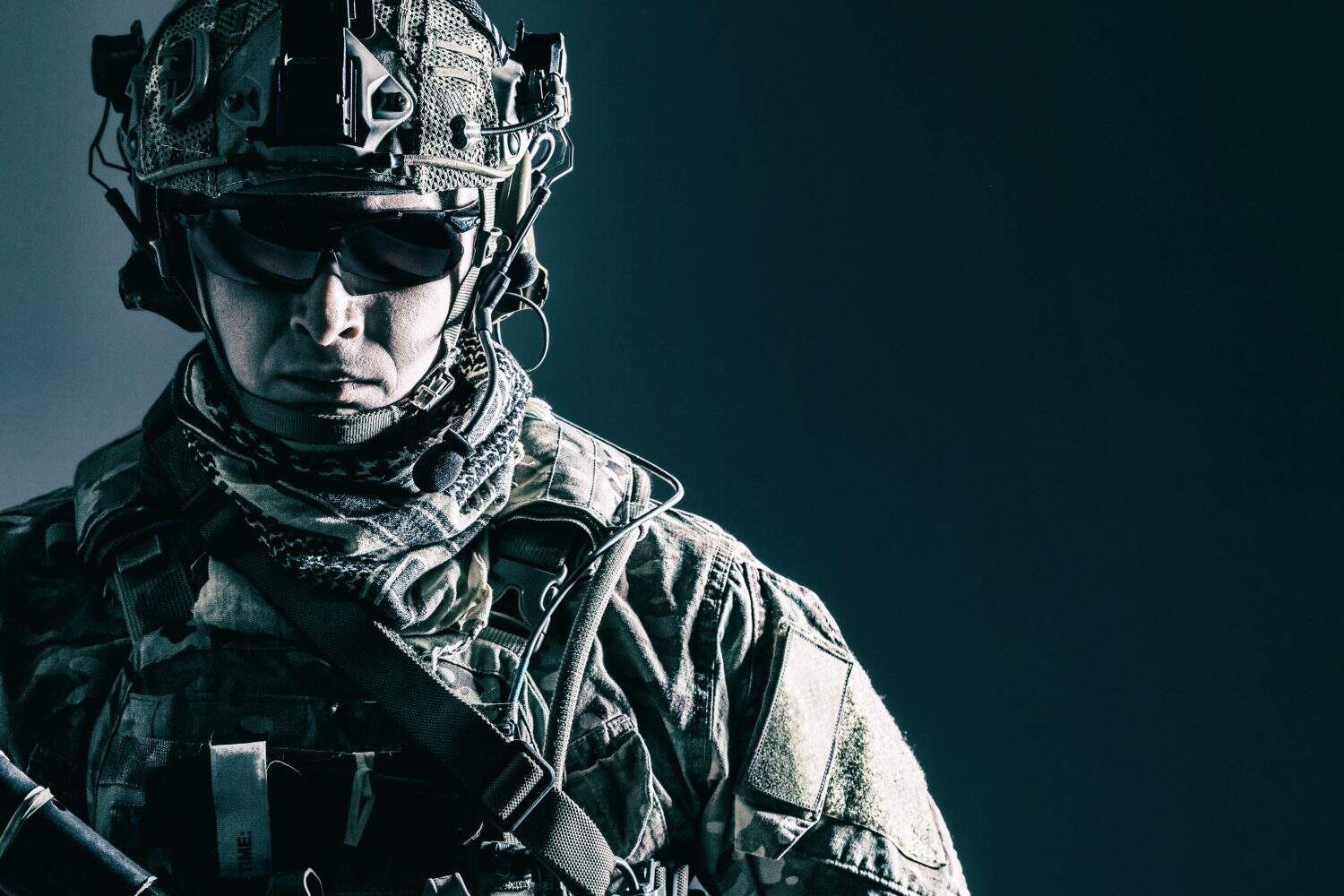
- Category: Armor
- Primary function: Shields hearing and vision
- Who it is used by: All infantry
- Weight: ~1 lb
- Why it matters: Prevents injury and improves awareness
Ballistic eyewear and electronic ear protection guard against fragmentation and gunfire noise. They enhance situational awareness and long-term soldier health.
Gloves & Knee Pads
- Category: Armor
- Primary function: Impact and abrasion protection
- Who it is used by: All infantry
- Weight: ~1–2 lbs
- Why it matters: Reduces injury rates
Protective gear helps infantry avoid injuries while maneuvering in urban, mountainous, or forest terrain. It’s standard for dismounted operations.
Fighting Load (Pouches/Mags)
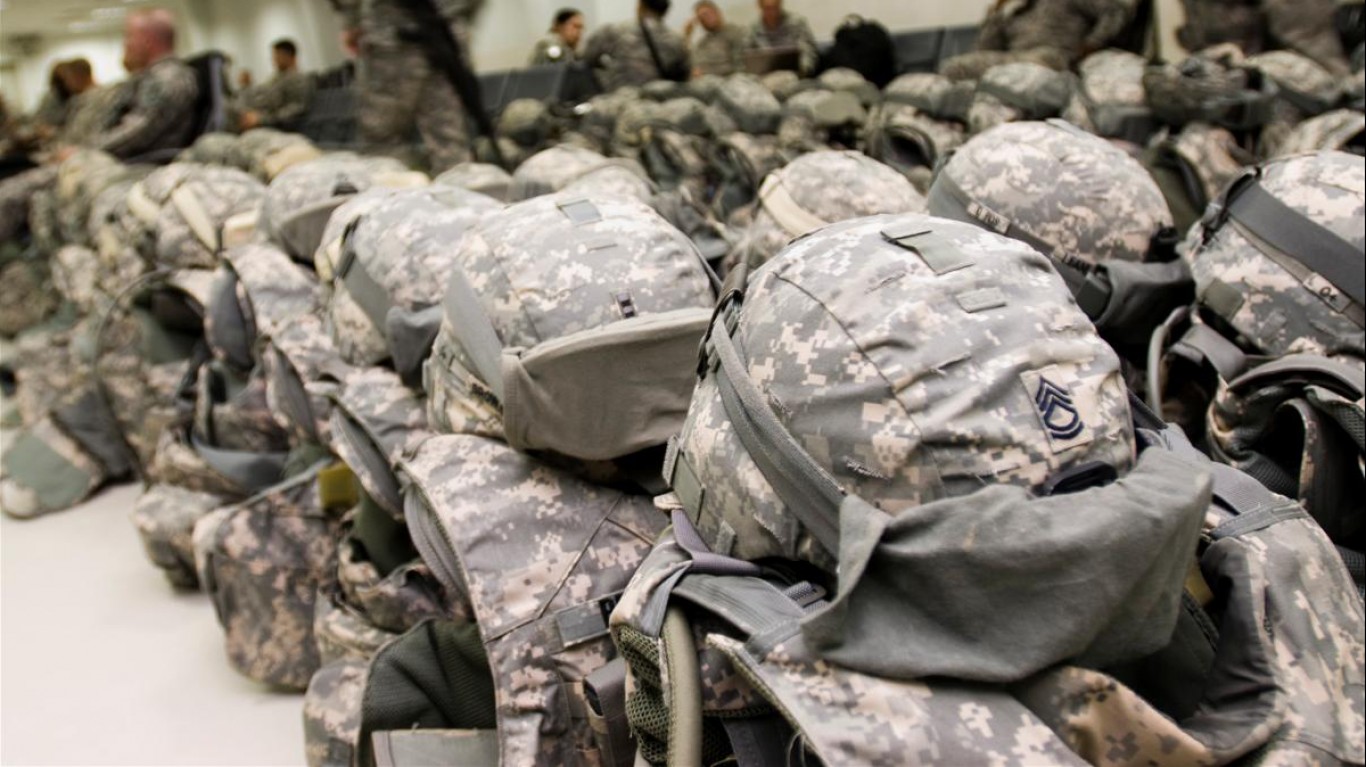
- Category: Armor
- Primary function: Carries ammunition and kit
- Who it is used by: All infantry
- Weight: ~10–25 lbs
- Why it matters: Ensures mission readiness
An infantryman’s fighting load organizes weapons, munitions, and survival items within easy reach. Proper configuration is critical for combat efficiency.
IFAK Medical Kit
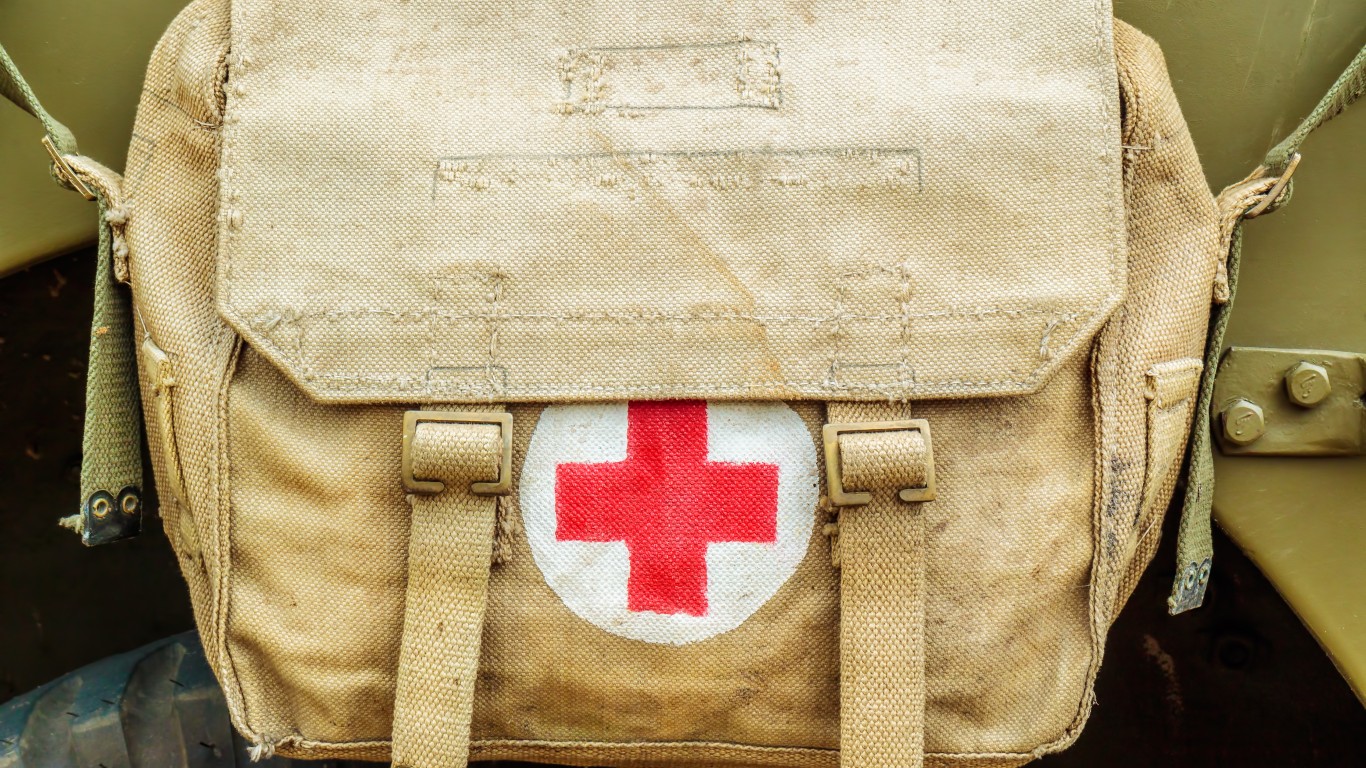
- Category: Armor
- Primary function: Provides self-aid during trauma
- Who it is used by: All infantry
- Weight: ~2 lbs
- Why it matters: Life-saving equipment
The IFAK contains tourniquets, pressure dressings, and chest seals to treat battlefield injuries. Immediate self-aid or buddy-aid saves lives before medics arrive.
Gas Mask / CBRN Mask
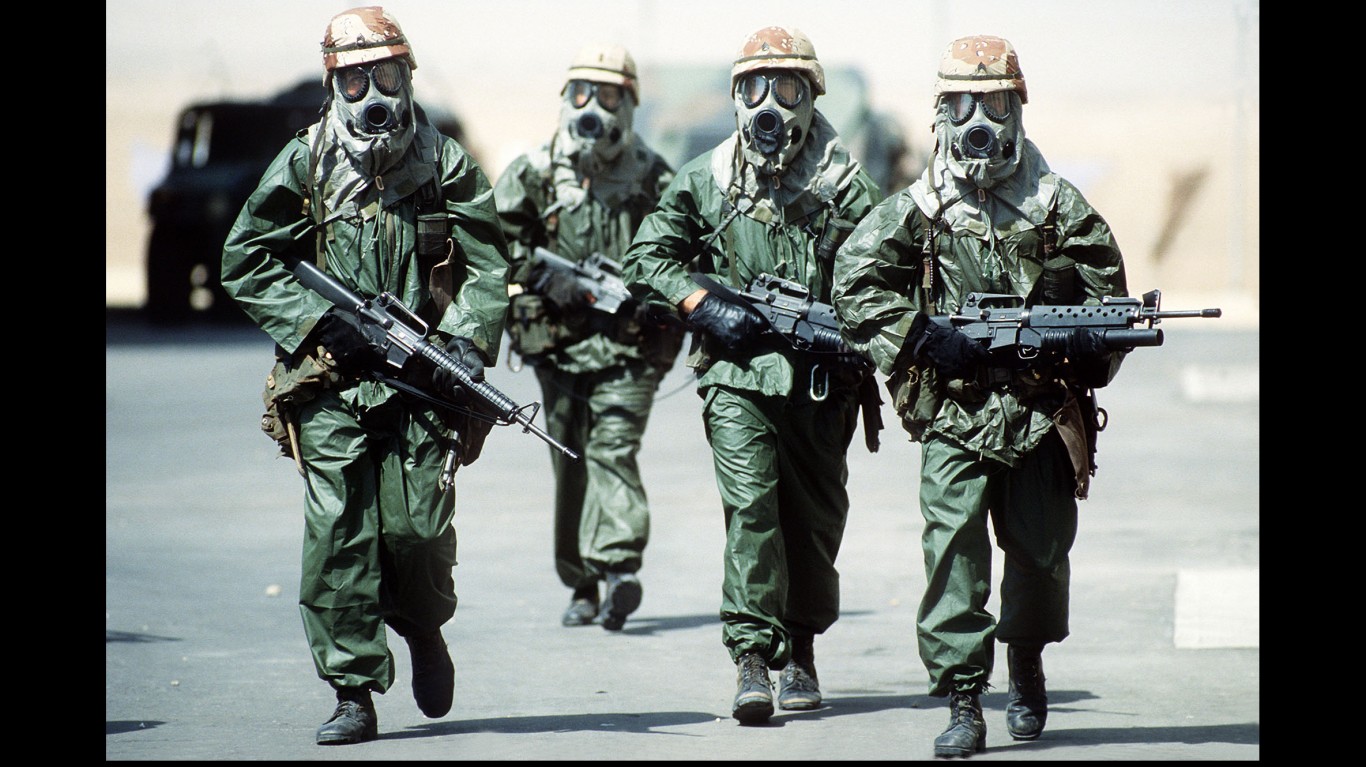
- Category: Armor
- Primary function: Protects from chemical hazards
- Who it is used by: All infantry
- Weight: ~2 lbs
- Why it matters: Required for NBC threats
Chemical and biological threats remain a concern, making protective masks mandatory for infantry. Masks also serve during riot control or hazardous material exposure.
NVGs (PVS-14/PVS-31)
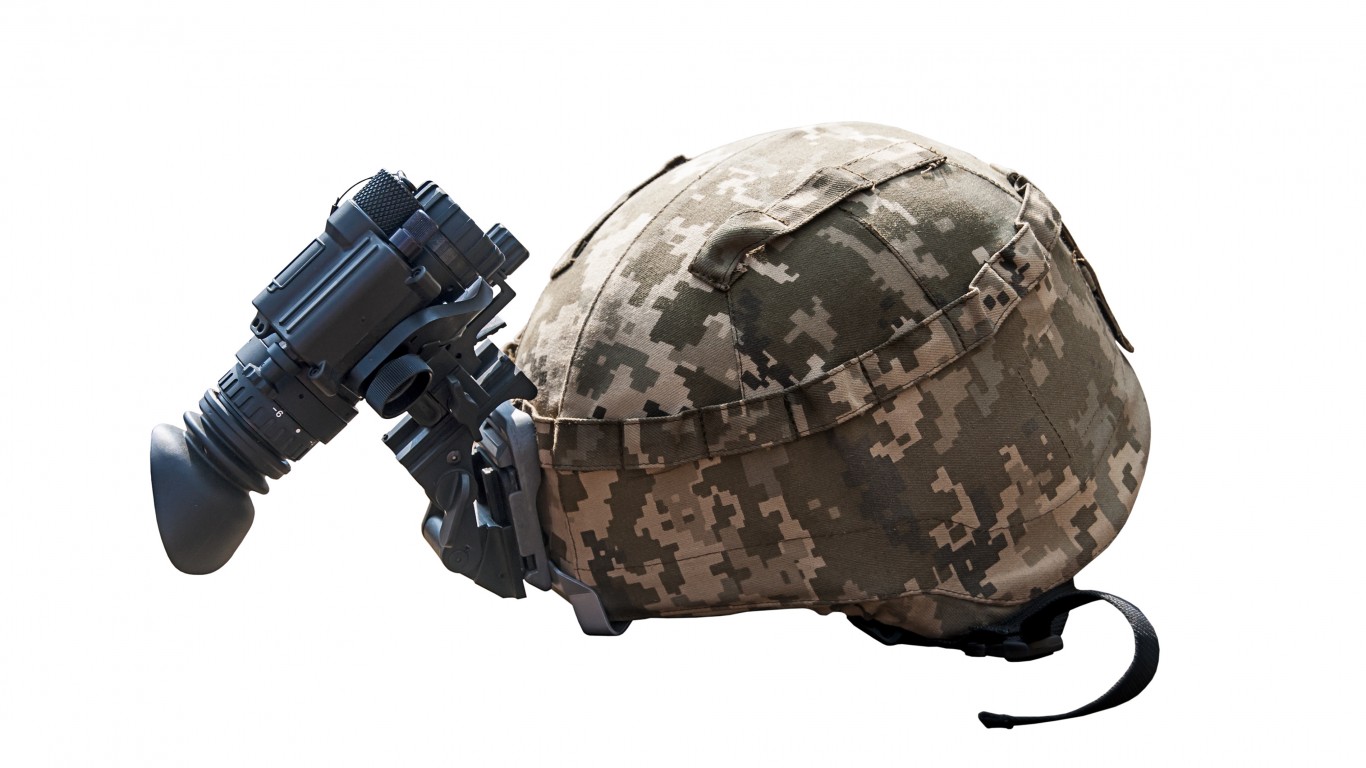
- Category: Optics
- Primary function: Night movement and engagement
- Who it is used by: All infantry
- Weight: ~12–18 oz
- Why it matters: Night dominance
Night-vision goggles give infantry unmatched capability in low-light engagements. They allow units to move, shoot, and communicate in darkness, a defining advantage of modern warfare.
IR Laser / Illuminator

- Category: Optics
- Primary function: Night aiming with NVGs
- Who it is used by: All riflemen
- Weight: ~7 oz
- Why it matters: Critical for night combat
IR lasers allow infantry to aim accurately under NVGs, enabling coordinated fire in darkness without revealing visible positions.
ACOG/LPVO Optic
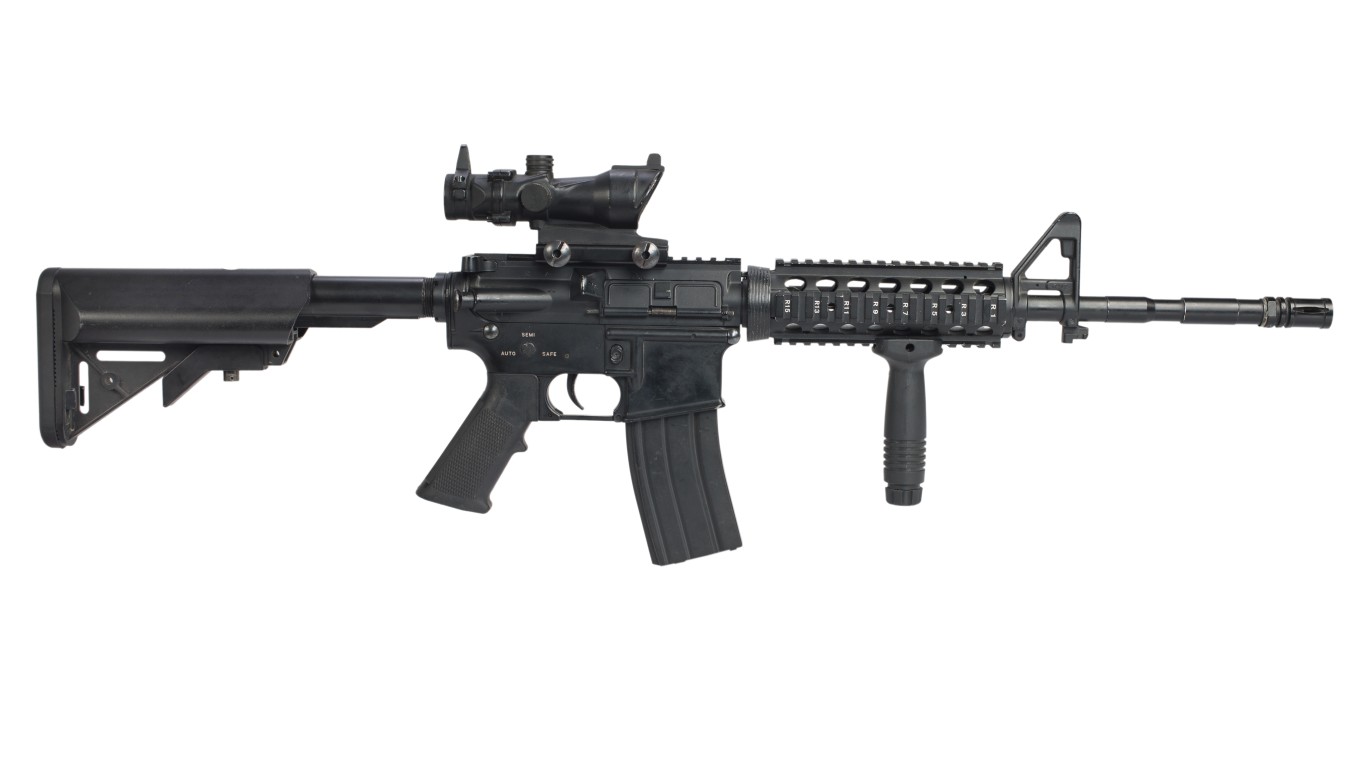
- Category: Optics
- Primary function: Improves accuracy and identification
- Who it is used by: Riflemen
- Weight: ~10–18 oz
- Why it matters: Boosts engagement range
Modern optics enhance target recognition and accuracy, giving infantry better performance in stressful and fast-moving engagements.
Weapon Light
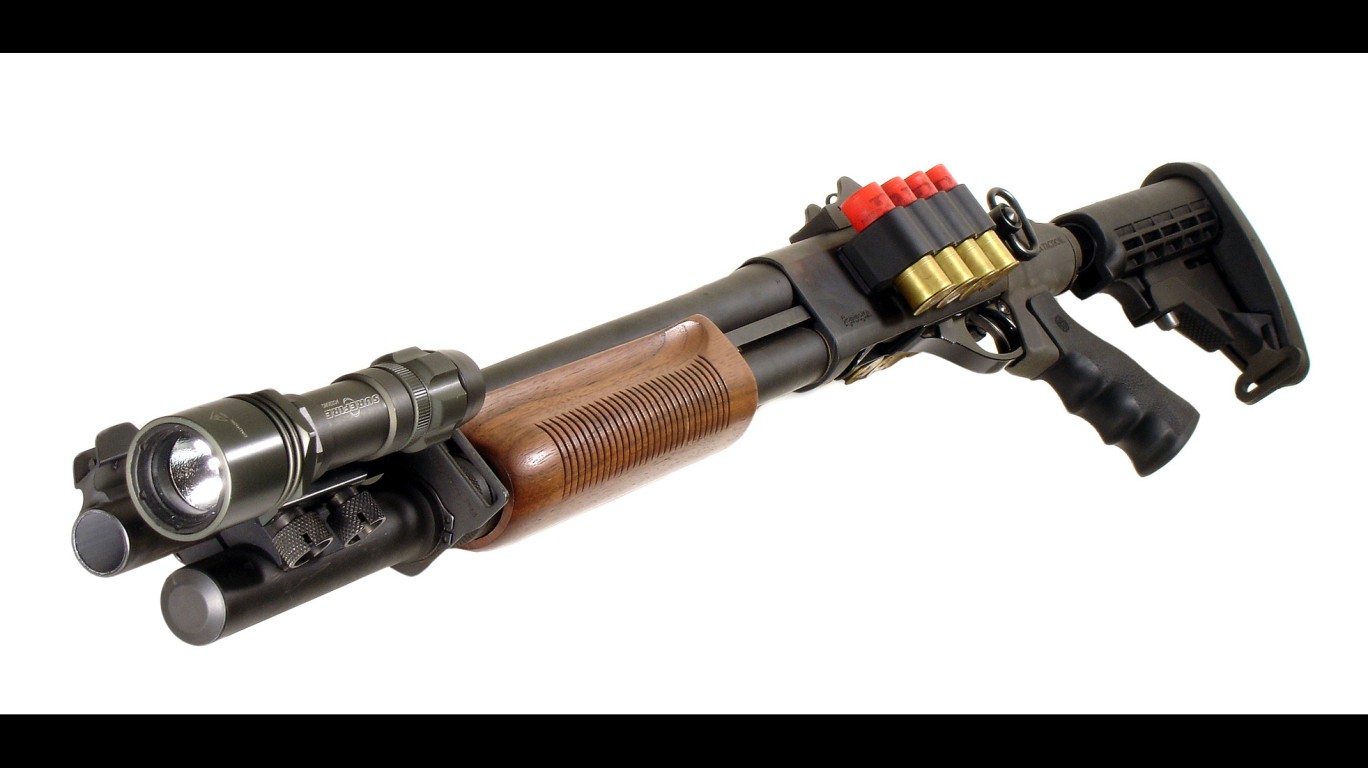
- Category: Optics
- Primary function: Illuminates dark areas
- Who it is used by: All infantry
- Weight: ~4–6 oz
- Why it matters: Essential for urban combat
Weapon lights help infantry clear buildings, detect threats, and maintain control in low-light environments. They’re indispensable in modern fighting.
Thermal Clip-On

- Category: Optics
- Primary function: Detects concealed heat signatures
- Who it is used by: Designated marksmen
- Weight: 1–3 lbs
- Why it matters: Enhances detection
Thermal optics allow infantry to detect ambushes, hidden enemies, and movement through smoke or foliage, dramatically improving awareness.
AN/PRC-152 or PRC-163 Radio
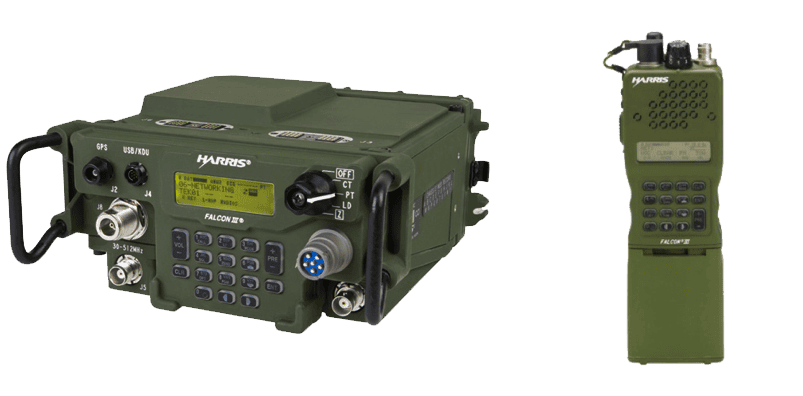
- Category: Comms
- Primary function: Squad and platoon comms
- Who it is used by: Leaders and RTOs
- Weight: ~2 lbs
- Why it matters: Enables coordination
Modern radios provide encrypted voice and data capability, linking infantry to command, vehicles, aircraft, and supporting fires. Communication is often the key to mission success.
GPS / DAGR
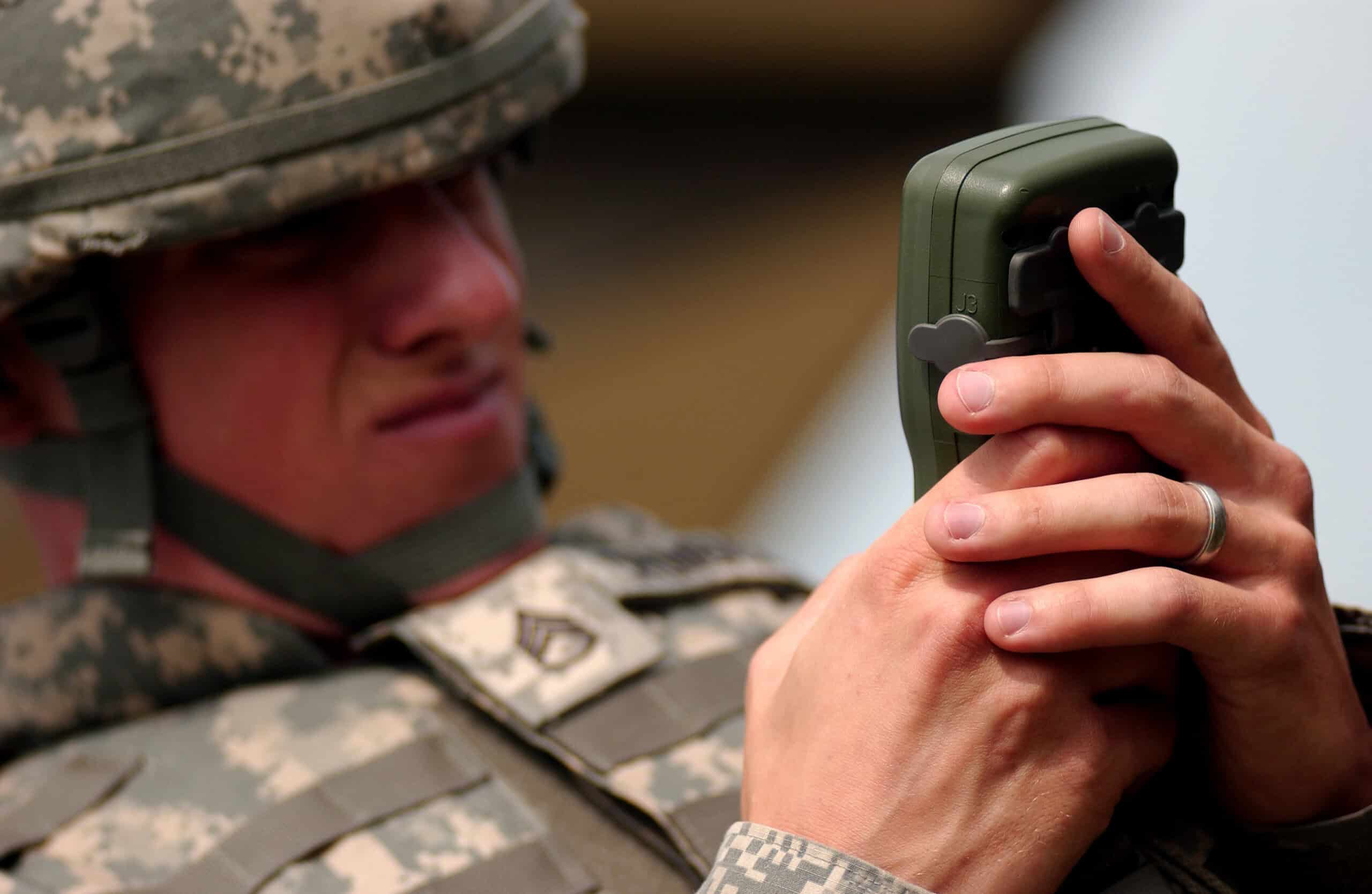
- Category: Comms
- Primary function: Navigation and location tracking
- Who it is used by: Team leaders
- Weight: ~1 lb
- Why it matters: Prevents disorientation
GPS systems ensure teams can navigate large, unfamiliar terrain. They’re vital during night ops and dispersed movement.
ATAK Smartphone System
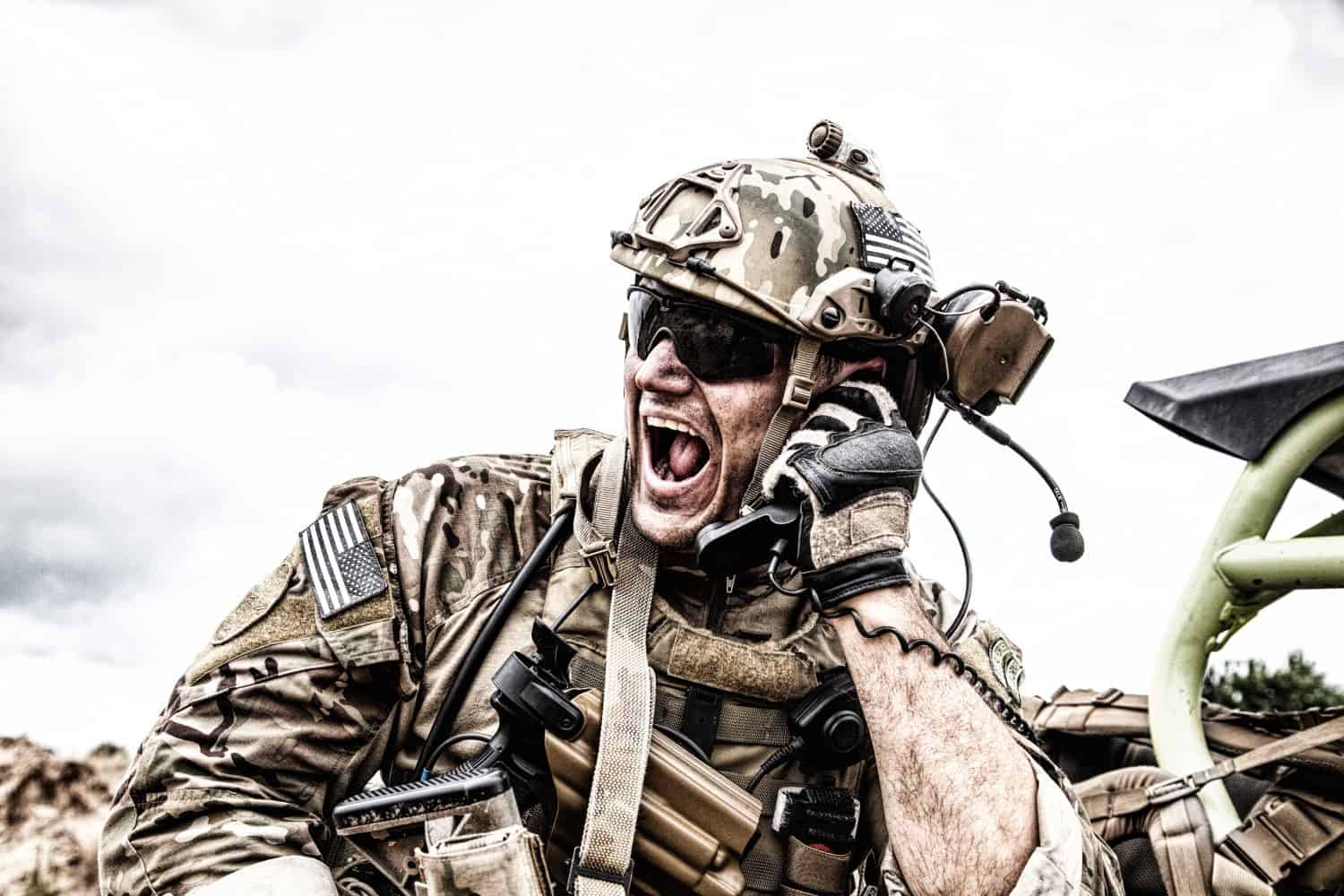
- Category: Comms
- Primary function: Digital situational awareness
- Who it is used by: Leaders
- Weight: ~0.5 lbs
- Why it matters: Transforms coordination
ATAK gives infantry real-time maps, markers, and blue-force tracking, dramatically reducing confusion and increasing mission tempo.
IR Strobe / VS-17 Panel

- Category: Comms
- Primary function: Identification for friendly forces
- Who it is used by: All infantry
- Weight: ~3 oz
- Why it matters: Prevents friendly fire
IR strobes and VS-17 panels signal position to friendly aircraft and vehicles. They reduce the risk of accidental engagements, especially at night.
Hydration System

- Category: Sustainment
- Primary function: Provides water supply
- Who it is used by: All infantry
- Weight: ~1–3 lbs empty
- Why it matters: Prevents dehydration
Hydration bladders allow infantry to operate for long hours under harsh conditions. Water is mission-critical, especially in desert and jungle deployments.
Rucksack

- Category: Sustainment
- Primary function: Carries extended mission gear
- Who it is used by: All infantry
- Weight: ~35–55 lbs
- Why it matters: Enables long-duration ops
Rucksacks hold food, water, batteries, spare clothing, and mission tools. Infantry often operate without vehicles, making the ruck vital for survival.
Entrenching Tool
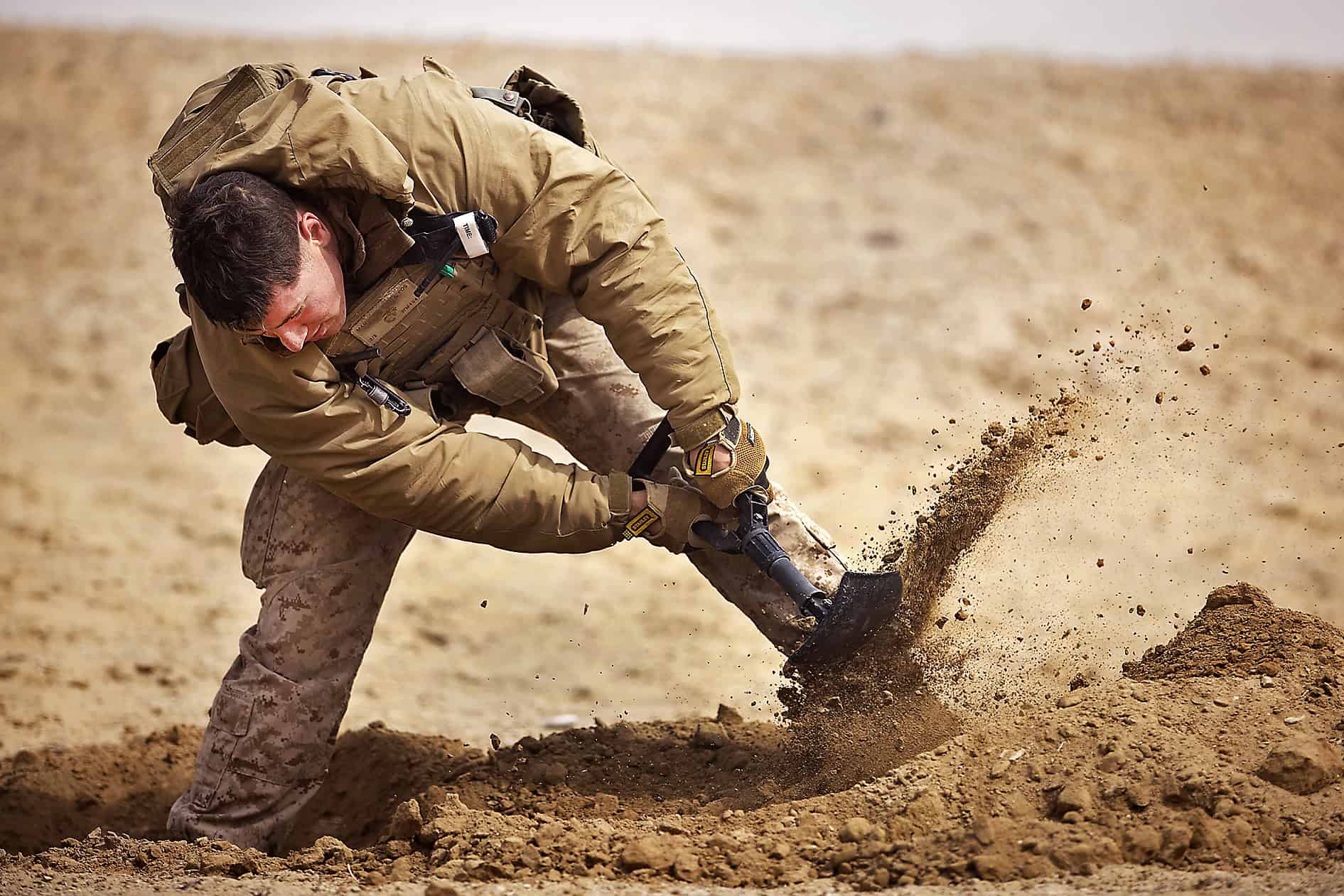
- Category: Sustainment
- Primary function: Digging and fieldcraft tasks
- Who it is used by: All infantry
- Weight: ~2.5 lbs
- Why it matters: Supports defensive positions
The entrenching tool helps infantry build defensive positions, dig fighting holes, and perform emergency field tasks. It remains a timeless part of the kit.
Multitool/Knife
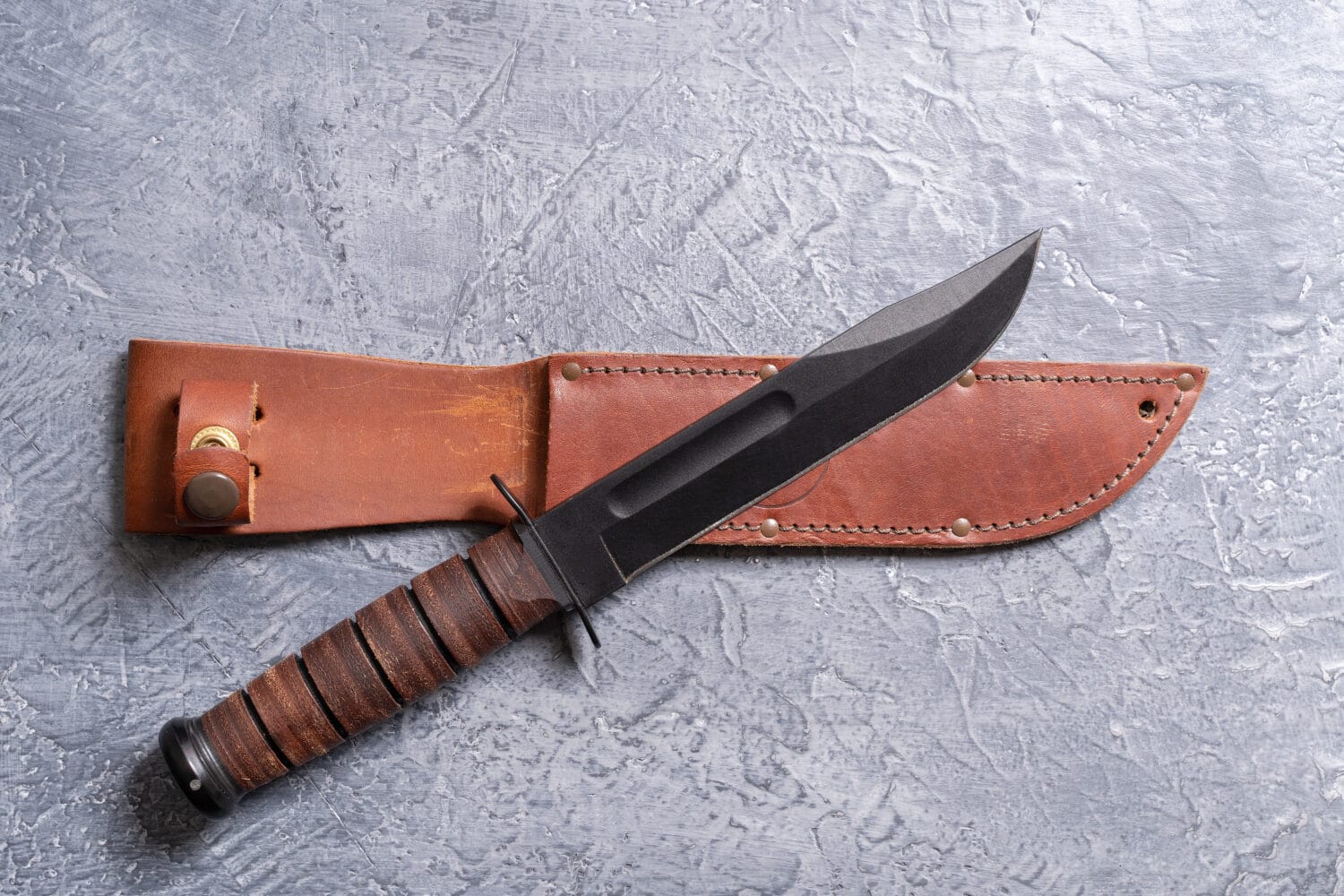
- Category: Sustainment
- Primary function: Utility and emergency cutting
- Who it is used by: All infantry
- Weight: ~0.5 lbs
- Why it matters: Supports maintenance and survival
A multitool or knife helps infantry perform weapon maintenance, cut materials, or solve unexpected problems in the field. It’s small but indispensable.
Contact [email protected] for any questions or corrections.
Chris Lange is a financial and geopolitical writer with more than a decade of experience covering a myriad of topics. He has published thousands of articles for 24/7 Wall St., with past coverage focused heavily on stocks, IPOs, healthcare, defense, global affairs, and technology.
His work has been quoted, or referenced by a number of outlets including Business Insider, USA Today, Yahoo Finance, MSN, The Motley Fool, and many other publications. A graduate of Southwestern University, he studied business with a focus on investments and has previous experience in banking and startups.
When not reading or writing the news, he is following his passion for Lacrosse, playing chess, or building solar projects with his dad.
![us+army+reserve | 2013 US Army Reserve Best Warrior Competiton: 10km Ruck March [Image 10 of 30]](https://247wallst.com/wp-content/uploads/2024/07/imageForEntry7-WO2-200x133.jpg)