There Are More Slaves in the World Than Ever – These Countries Have the Most
24/7 Wall St. Key Takeaways: Countries with a high prevalence of modern slavery share common challenges, including restricted civil liberties, authoritarian rule, and poor labor protections. In some cases, slavery is sponsored by the government (as it is in the…


24/7 Wall St. Key Takeaways:
- Countries with a high prevalence of modern slavery share common challenges, including restricted civil liberties, authoritarian rule, and poor labor protections.
- In some cases, slavery is sponsored by the government (as it is in the two countries where modern slavery is most prevalent). In other cases, the government may overlook slavery to benefit the economy.
- Also, read “The Next NVIDIA.“
Many people believe that slavery is a thing of the past. However, modern slavery has reached alarming levels, with an estimated 50 million people worldwide impacted, according to Walk Free. This includes around 27.6 million in forced labor and 22 million in forced marriages.
Vulnerable populations—women, children, and migrants—are disproportionately affected. Women and girls comprise over half of those trapped in slavery. Children make up more than 12 million.
Below, we’ll cover the “where” questions of modern slavery. Where does it take place? What countries have the highest number of slaves? This article is countdown-style, so the country with the highest prevalence of modern slaves will be at the bottom.
Why We’re Covering This?

Slavery has a huge economic impact, and it is often made worse by poor economic situations. Not only do economic downturns lead to fewer dollars going towards freeing slaves, but it also puts more people at risk for slavery.
10. Kuwait
- Slavery estimates: 55,000
- Prevalence of Slavery: 13.0 per 1,000 people
In Kuwait, migrant workers constitute a large portion of the labor force, particularly in domestic and construction work. Many slaves in Kuwait are in a “forced labor” situation.
Migrant Worker Vulnerabilities Under Kafala
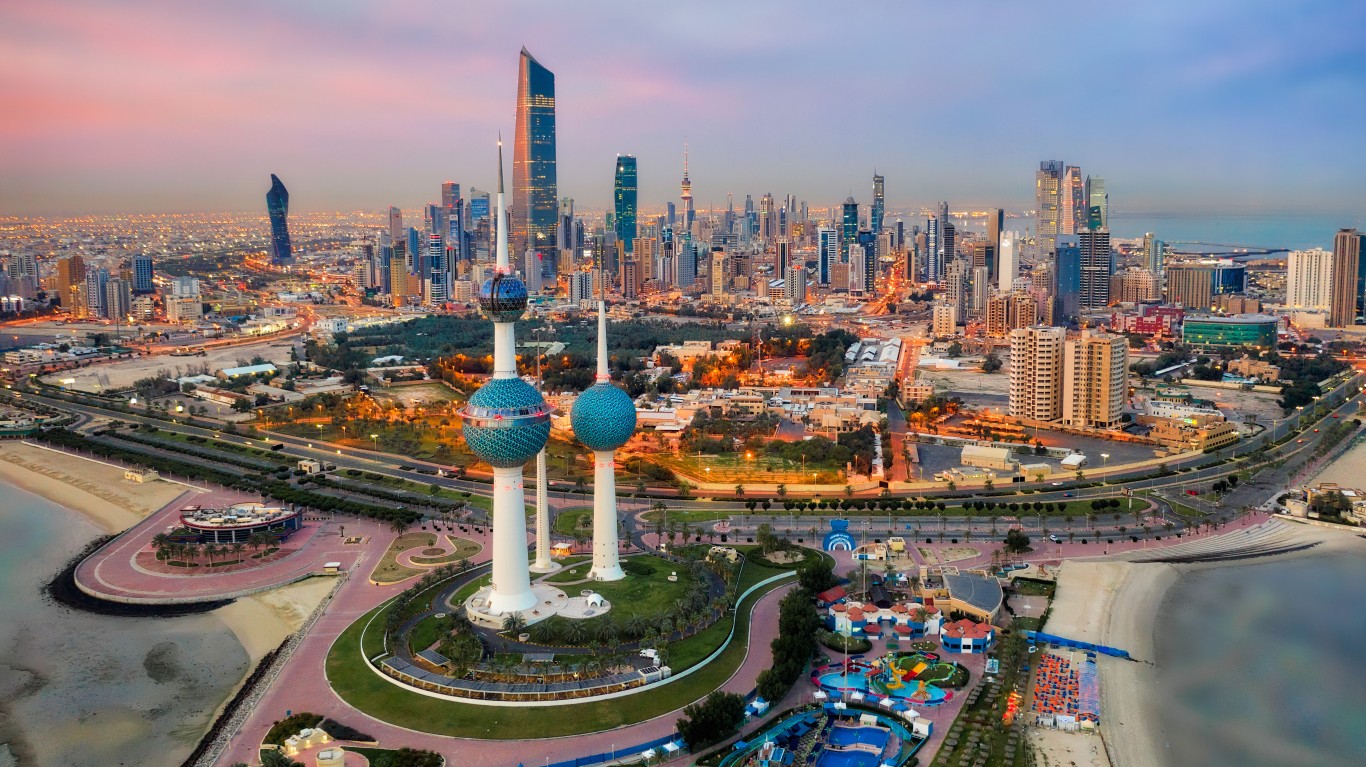
The kafala system ties workers to their employers, creating an environment where abuse and exploitation are commonplace. Domestic workers are at an exceptionally high risk for forced labor, many of whom are women migrants. Often, these workers have restricted movements and withheld wages, keeping them in a constant state of forced labor.
9. Afghanistan
- Slavery estimates: 505,000
- Prevalence of Slavery: 13.0 per 1,000 people
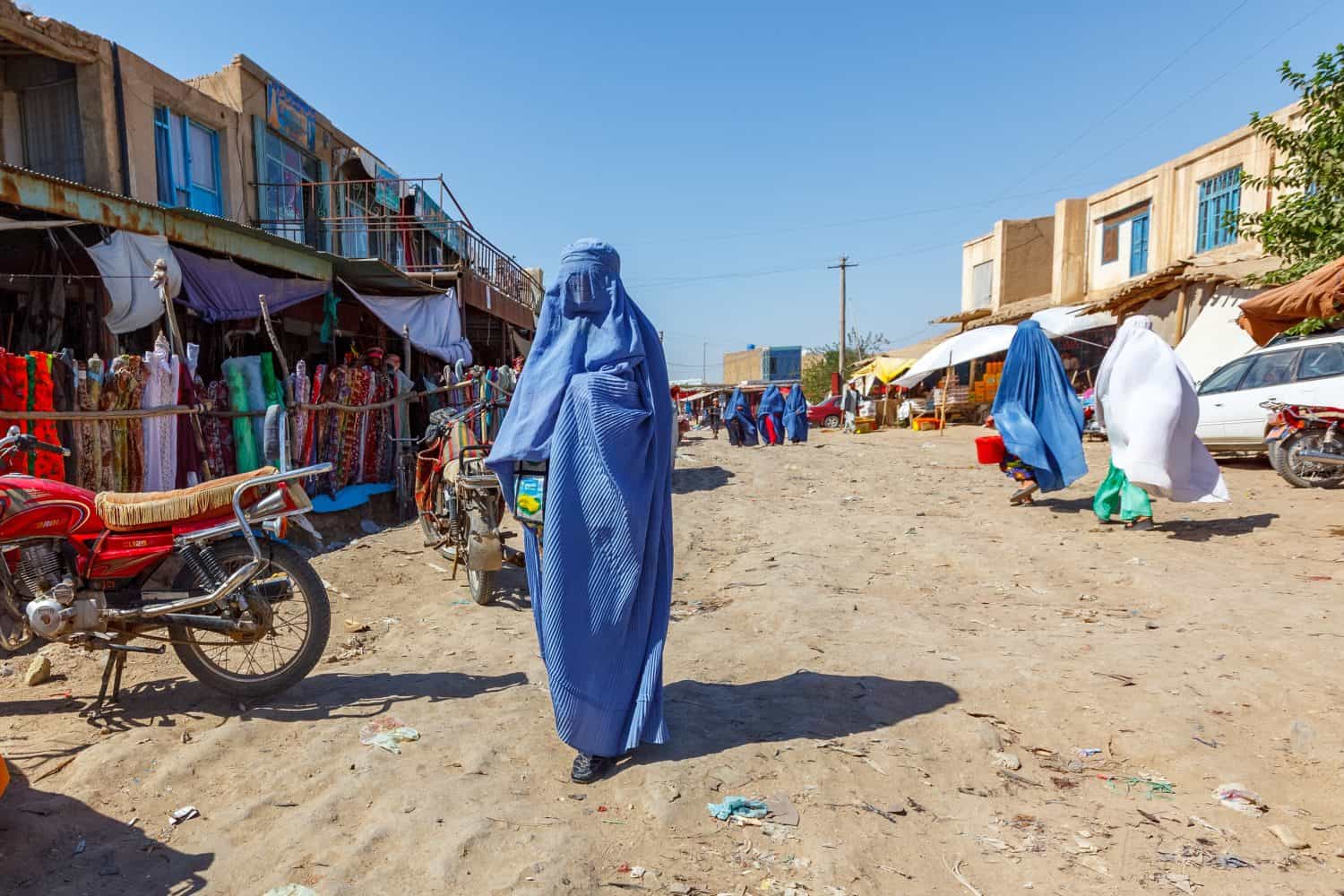
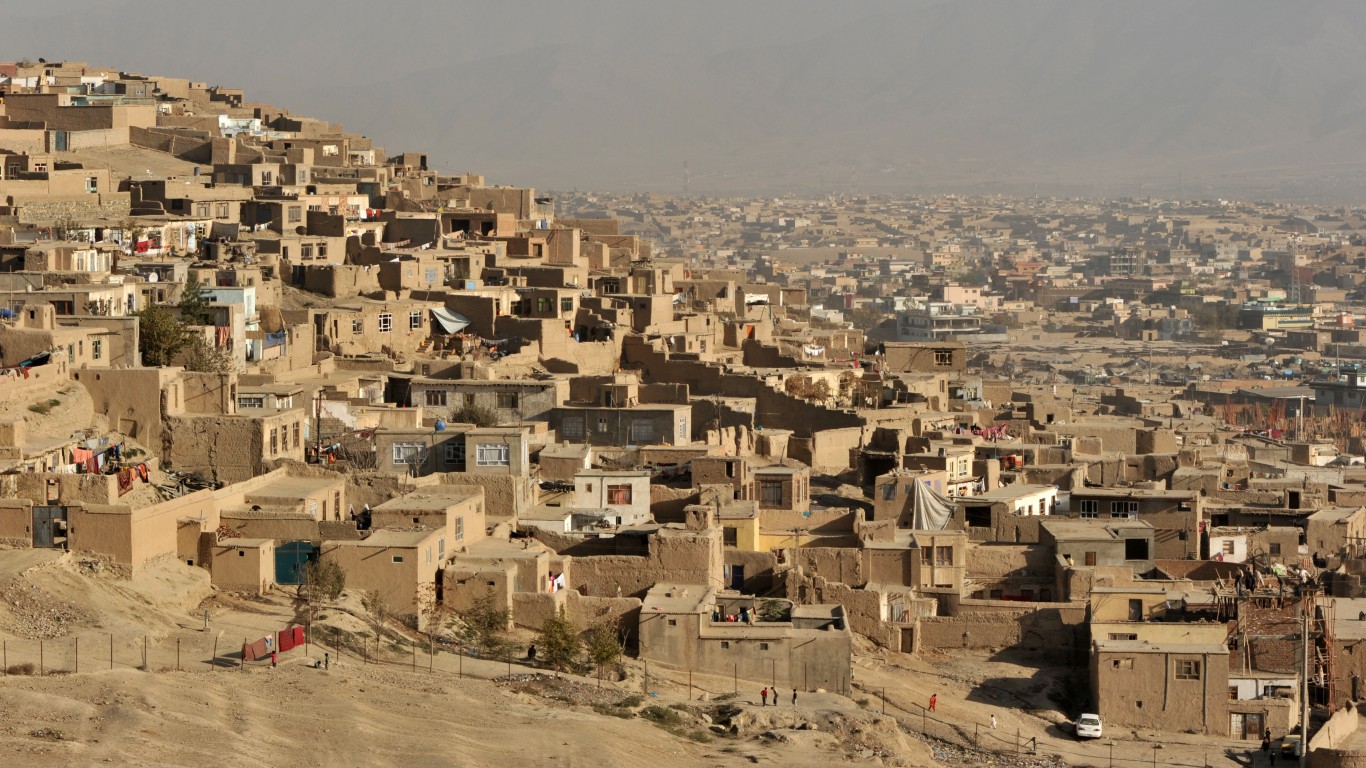
Afghanistan’s instability and ongoing conflicts have left the population very open to modern slavery. Both forced labor and child marriage are common and counted as slavery by modern organizations.
Child Marriage and Forced Labor
In rural areas, many families feel forced to sell their daughters into marriage to escape poverty and care for their other children. Child labor is also widespread, with children often working to support their families in mines, agriculture, and small-scale industries.
8. Russia

- Slavery estimates: 1,899,000
- Prevalence of Slavery: 13.0 per 1,000
Russia is a rather large, developed country, so you may be surprised to learn that slavery isn’t all that uncommon. This is largely because of its large economy and extensive border, making it a destination for migrant workers.
Exploitation of Migrants
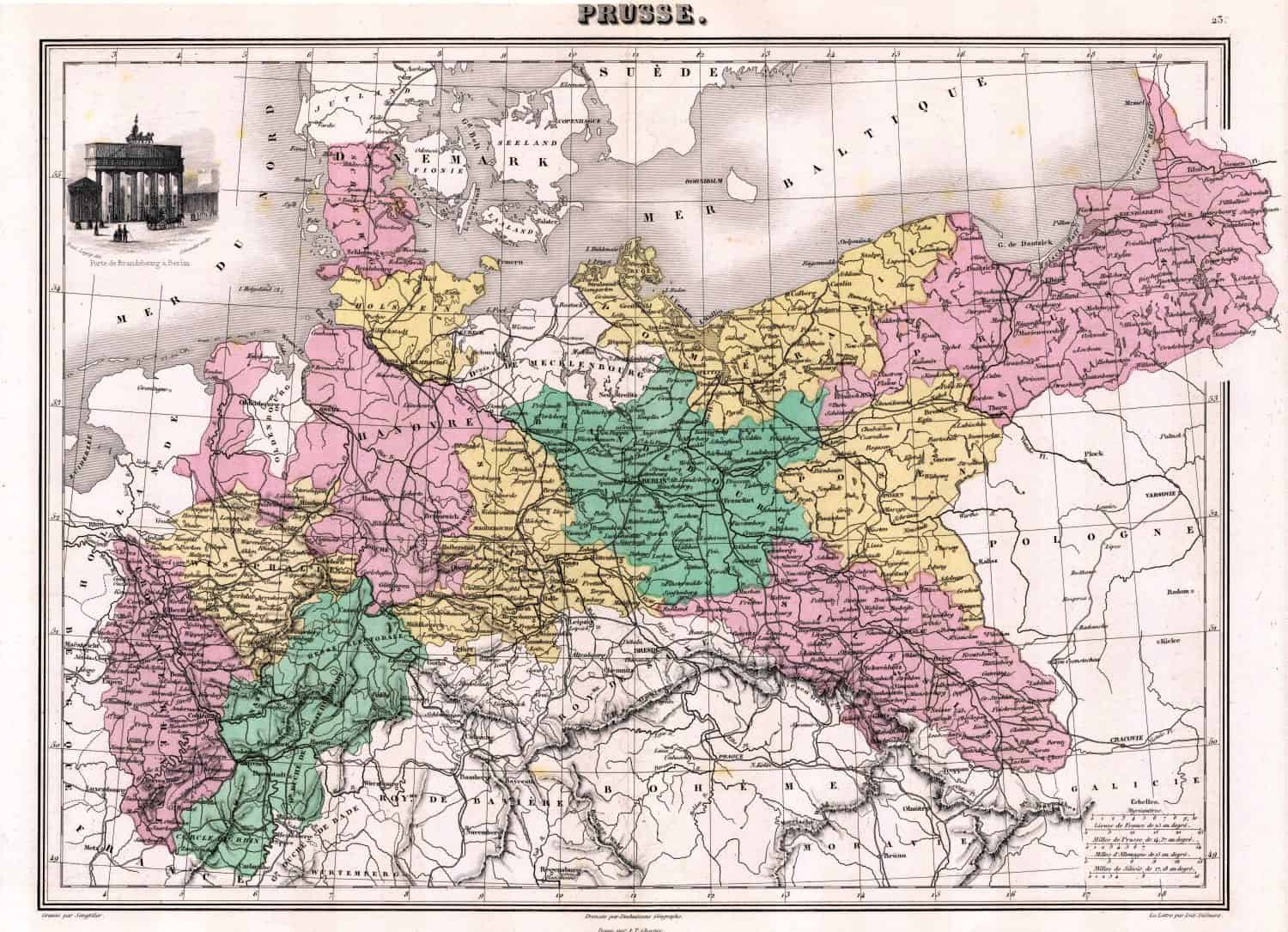
Corruption and limited labor protections mean that many migrants and refugees are forced into exploitative labor in construction, agriculture, and unregulated sectors. Migrants often face harsh conditions and withheld wages, keeping them in their downtrodden positions.
7. United Arab Emirates
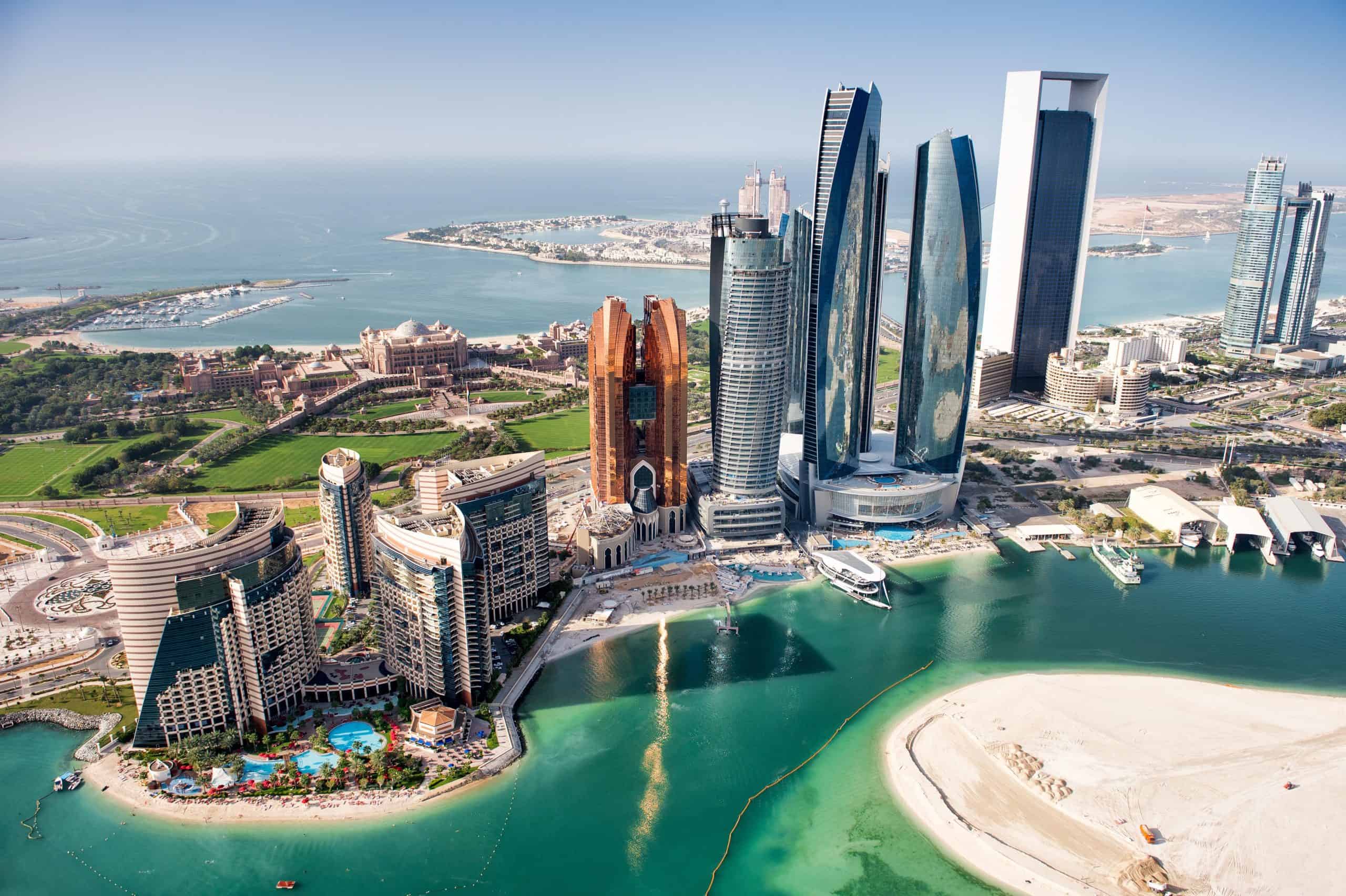
- Slavery estimates: 132,000
- Prevalence of Slavery: 13.4 per 1,000
The UAE’s kafala system leaves many migrant workers without basic labor rights or protections. Labor rights are null in most areas.
Labor Rights and the Kafala System
Migrants are the majority of the workforce in sectors like construction, hospitality, and domestic work, where abusive practices are common. Some companies purposefully withhold passports and pay, preventing workers from escaping.
6. Tajikistan
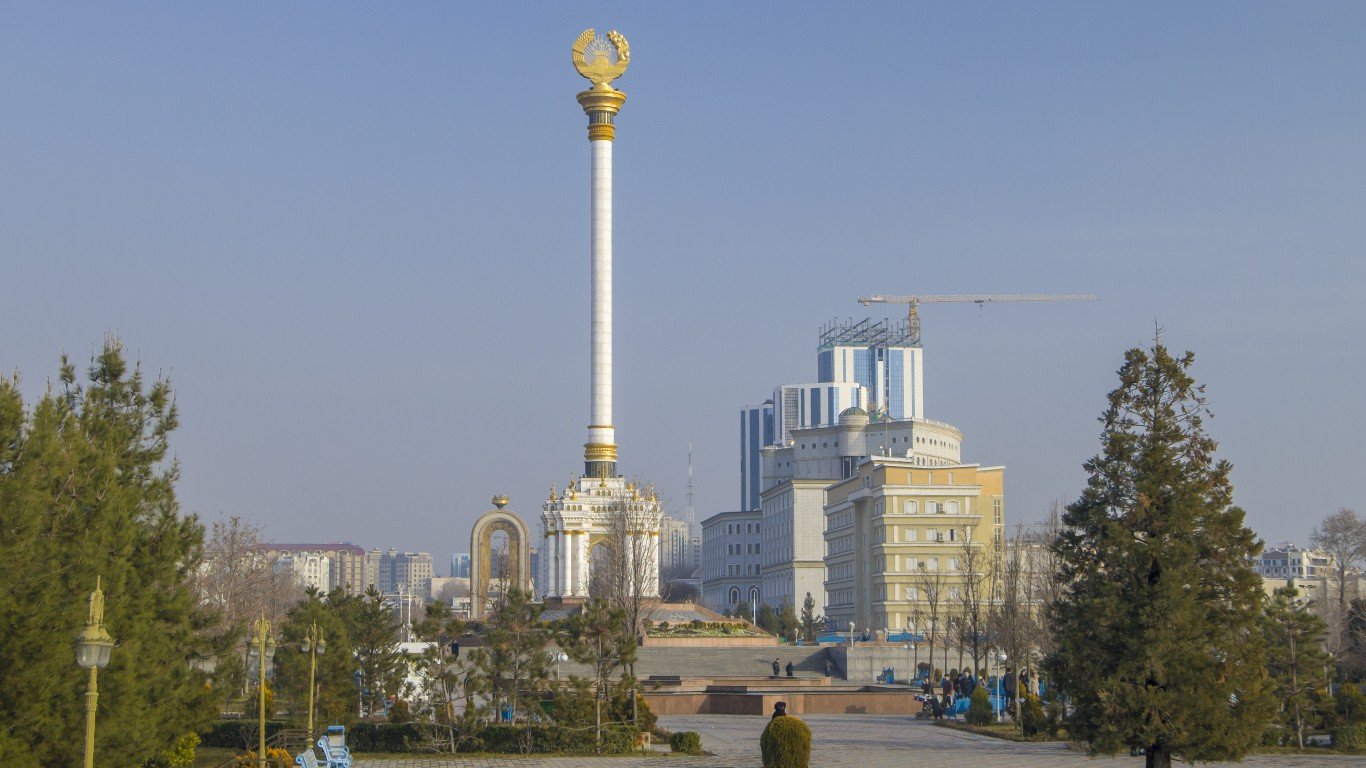
- Slavery estimates: 133,000
- Prevalence of slavery: 14 per 1,000
Tajikistan has a very high prevalence of child and forced labor, particularly within the agricultural sector. In many cases, slaves pick cotton or participate in other forms of rural labor.
Child Labor in Agriculture
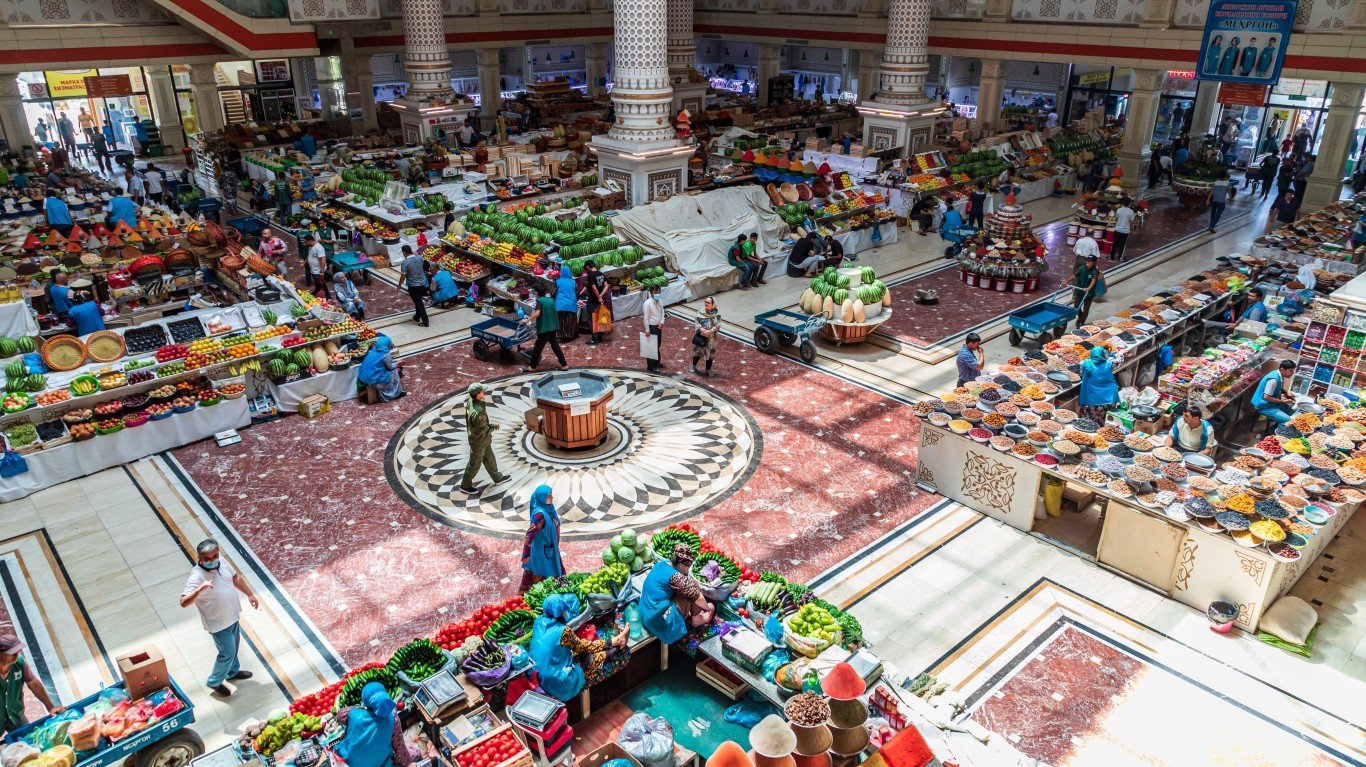
Children are commonly “employed” on these rural farms, too. Economic hardship and limited labor protections have allowed these practices to continue, as many experts consider slavery to be the backbone of Tajikistan’s economy.
5. Turkey

- Slavery estimates: 1,320,000
- Prevalence of Slavery: 15.6 per 1,000
With millions of refugees, Turkey has become a hub for human trafficking and forced labor. Migrant workers are very vulnerable to exploitation, especially in agriculture, construction, and low-wage manufacturing.
Refugee Labor and Human Trafficking
Often, refugees are forced to work long hours under harsh conditions. Turkey lacks legal protections and financial support for refugees, which leaves them open to abuse.
4. Saudi Arabia
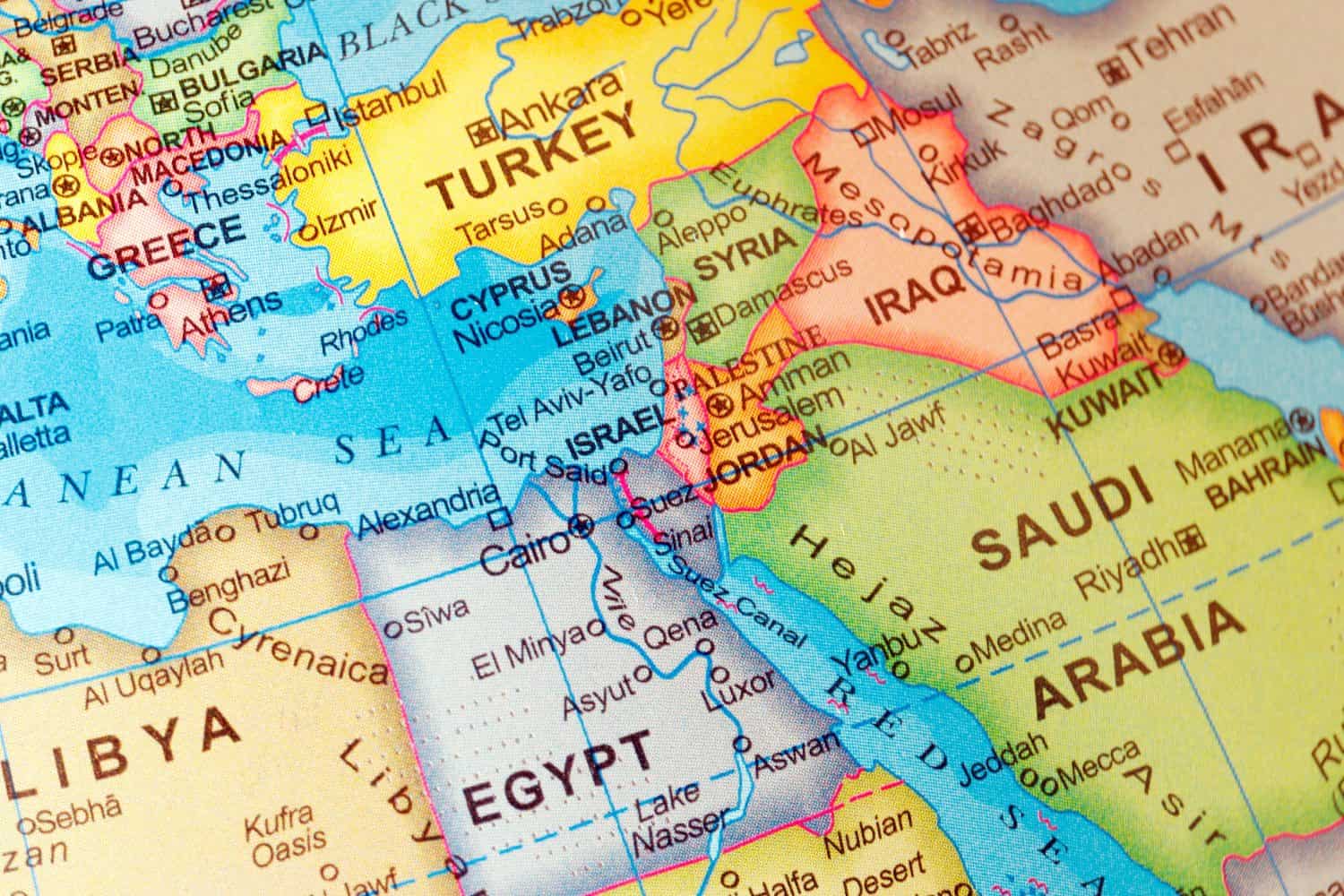
- Slavery estimates: 740,000
- Prevalence of slavery: 21.3 per 1,000
Saudi Arabia may be a wealthy country, but they rely heavily on migrant labor. This is regulated under the kafala (sponsorship) system, which we’ve already mentioned several times in this article.
What is the Kafala System?
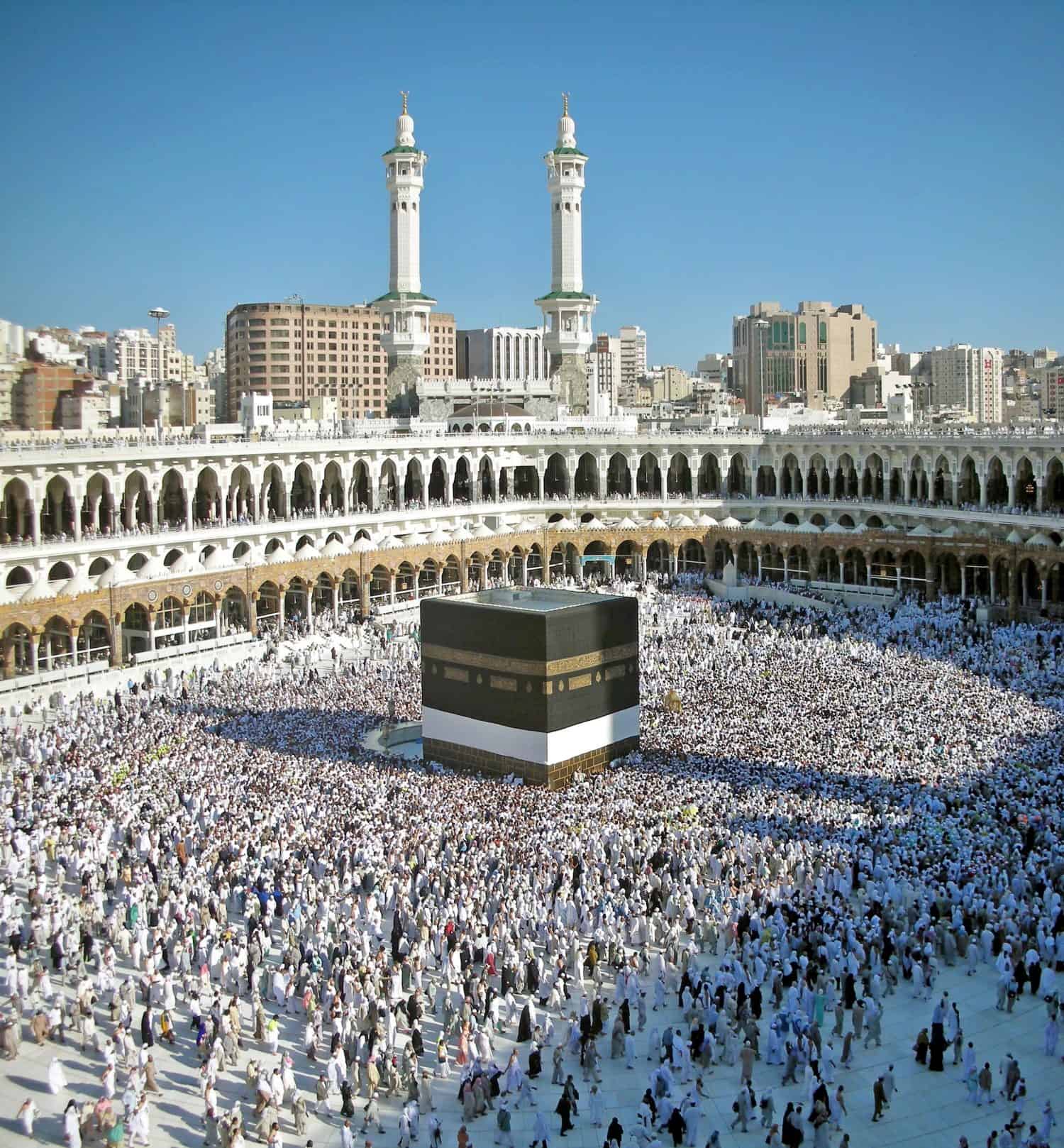
This system grants employers substantial control over migrant workers, leaving them vulnerable to forced labor, unpaid wages, and physical abuse. Domestic workers, in particular, are at high risk, as they often live within employers’ homes, making escape difficult.
3. Mauritania
- Slavery estimates: 149,000
- Prevalence of Slavery: 32.0 per 1,000
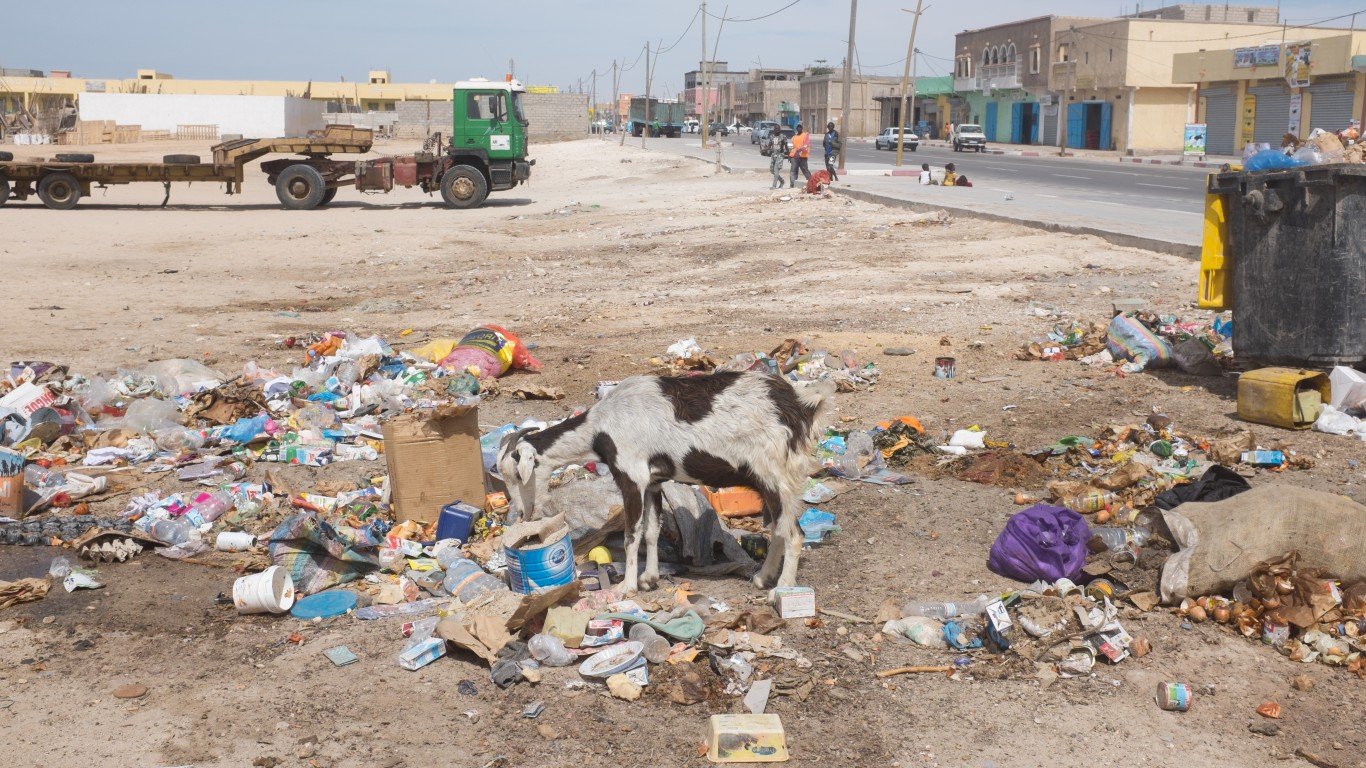
Mauritania officially abolished slavery in 1981. However, deep-rooted, hereditary slavery is still very common in minority communities, particularly among Afro-Mauritanians and Haratine.
Legacy of Hereditary Slavery
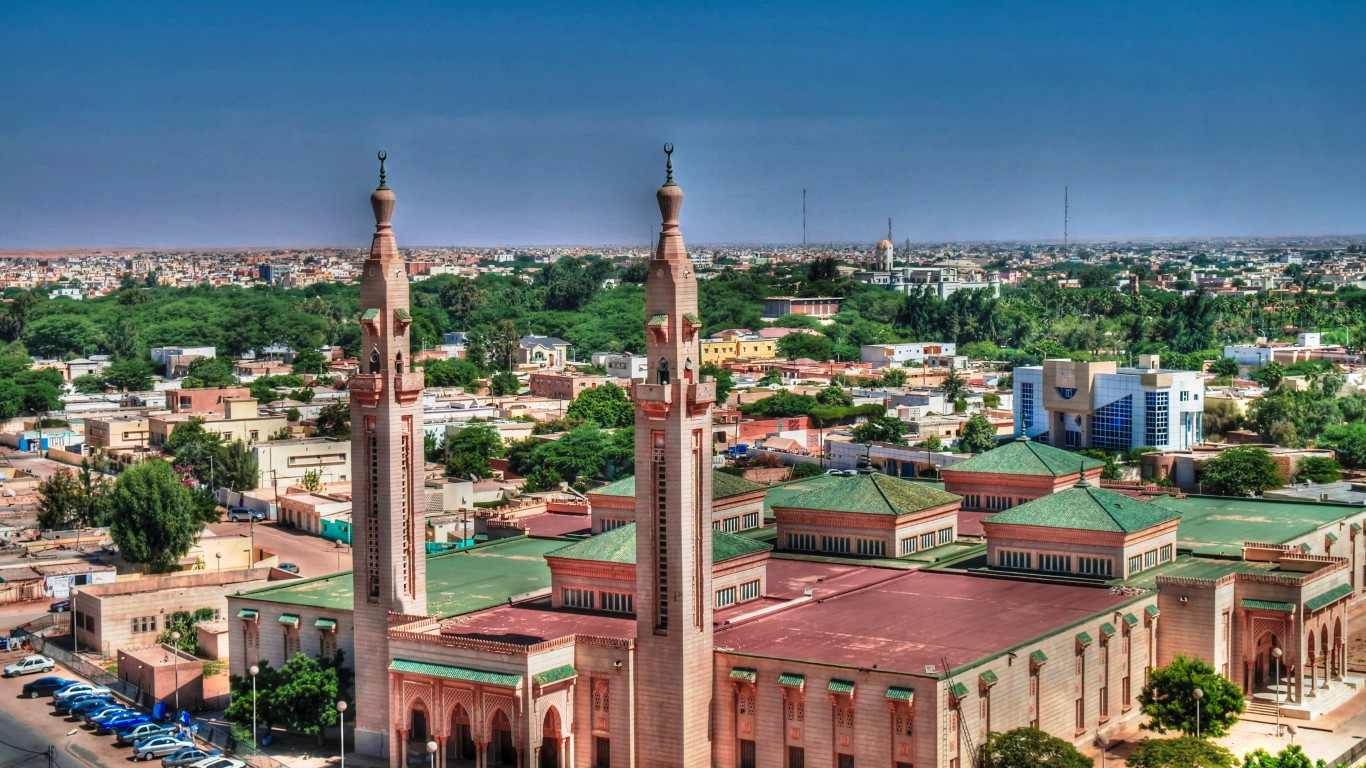
While no longer legally slaves, modern slaves in Mauritania are kept in slavery through generational poverty, limited access to education, and weak legal enforcement. Old patterns of slavery still exist throughout the country, and many former enslaved families rely on former masters for basic needs.
2. Eritrea
- Slavery estimates: 320,000
- Prevalence of Slavery: 90.3 per 1,000
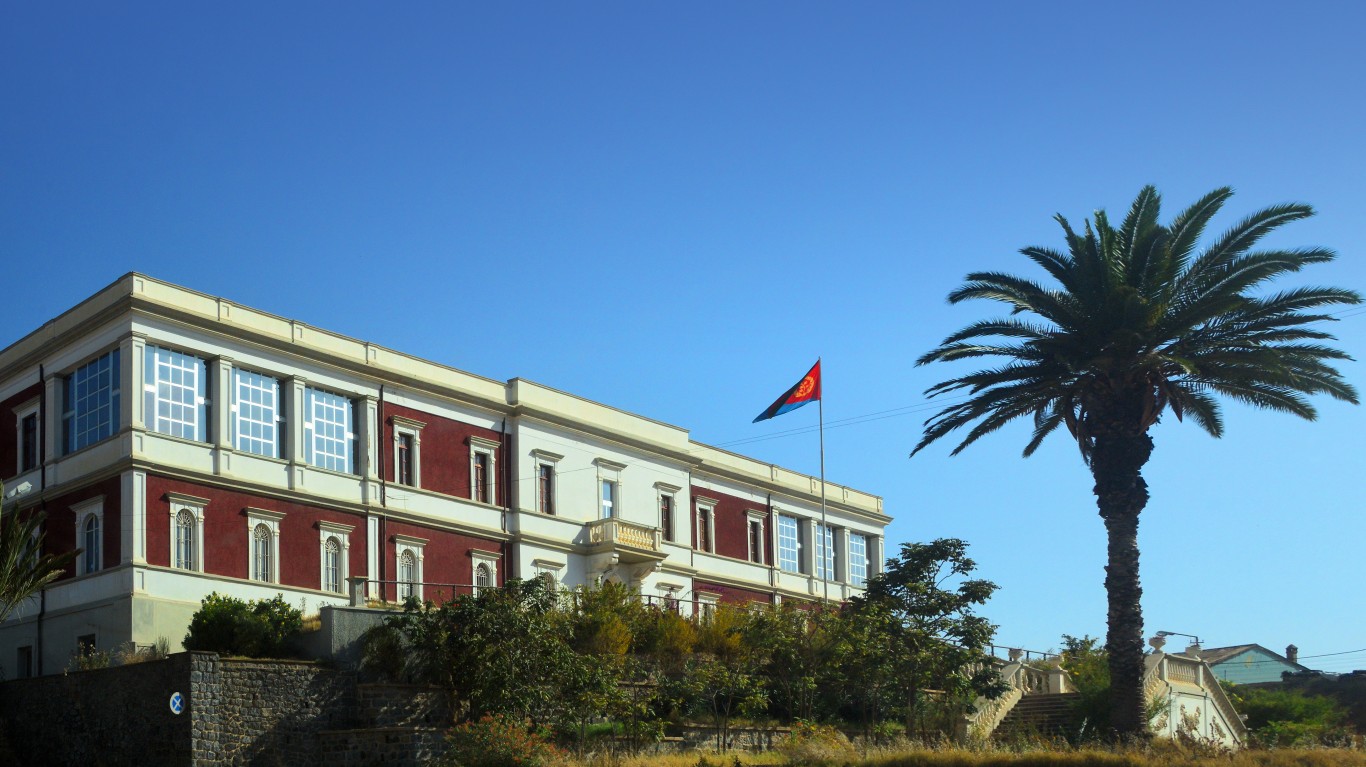
Eritrea enforces indefinite military conscription, often under the guise of national service, leading to forced labor that spans decades. This enlistment goes beyond the military, though. Many young men and women are put to work in state-sponsored industries.
Conscription
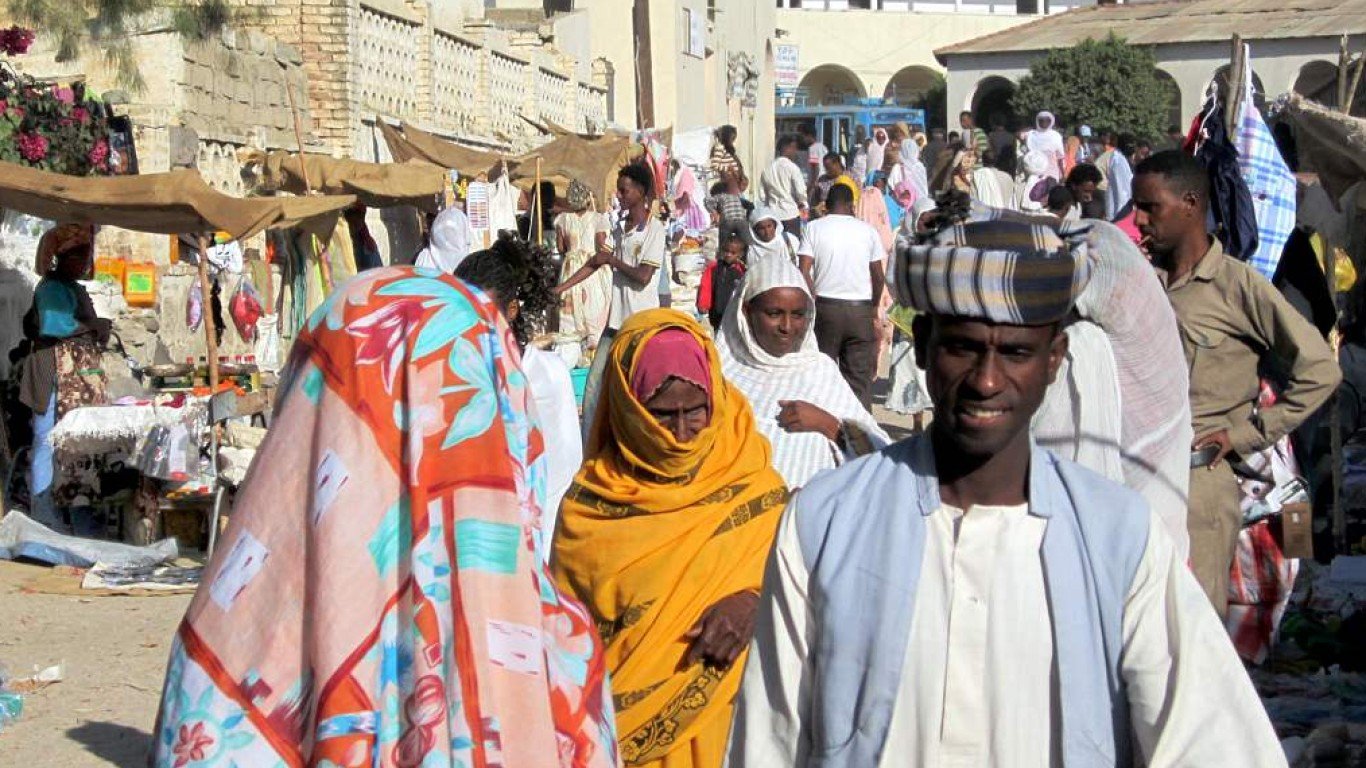
Both men and women can be conscripted in Eritrea, and they often end up in work camps. Many Eritreans flee to avoid this form of slavery, although this often puts them at risk of exploitation and trafficking elsewhere.
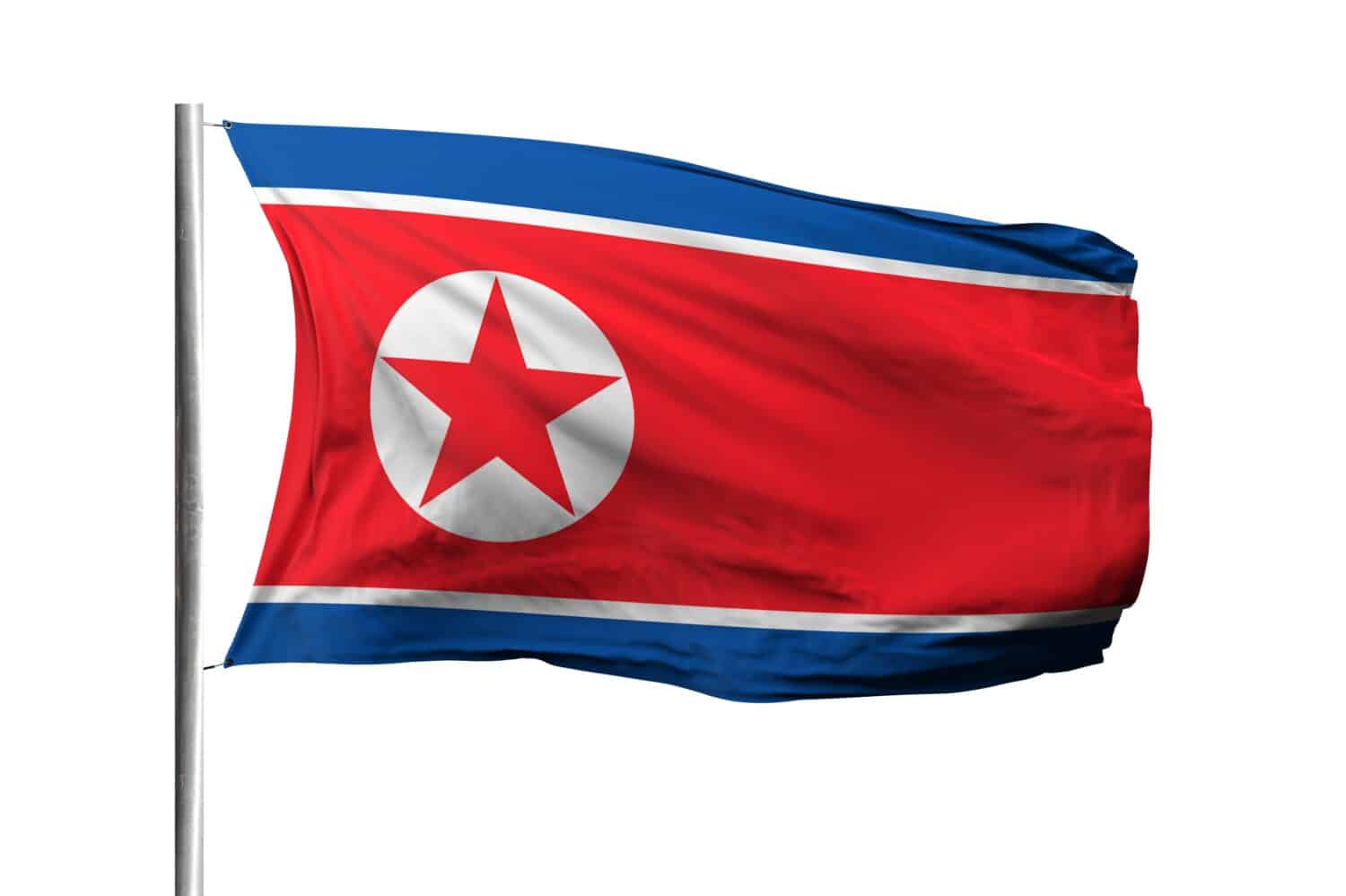
1. North Korea
- Slavery estimates: 2,696,000
- Prevalence of slavery: 104.6 per 1,000
North Korea has one of the world’s highest rates of state-imposed forced labor. Citizens are often forced into unpaid labor in state-sponsored industries, such as mining, agriculture, and construction.
State-Imposed Forced Labor
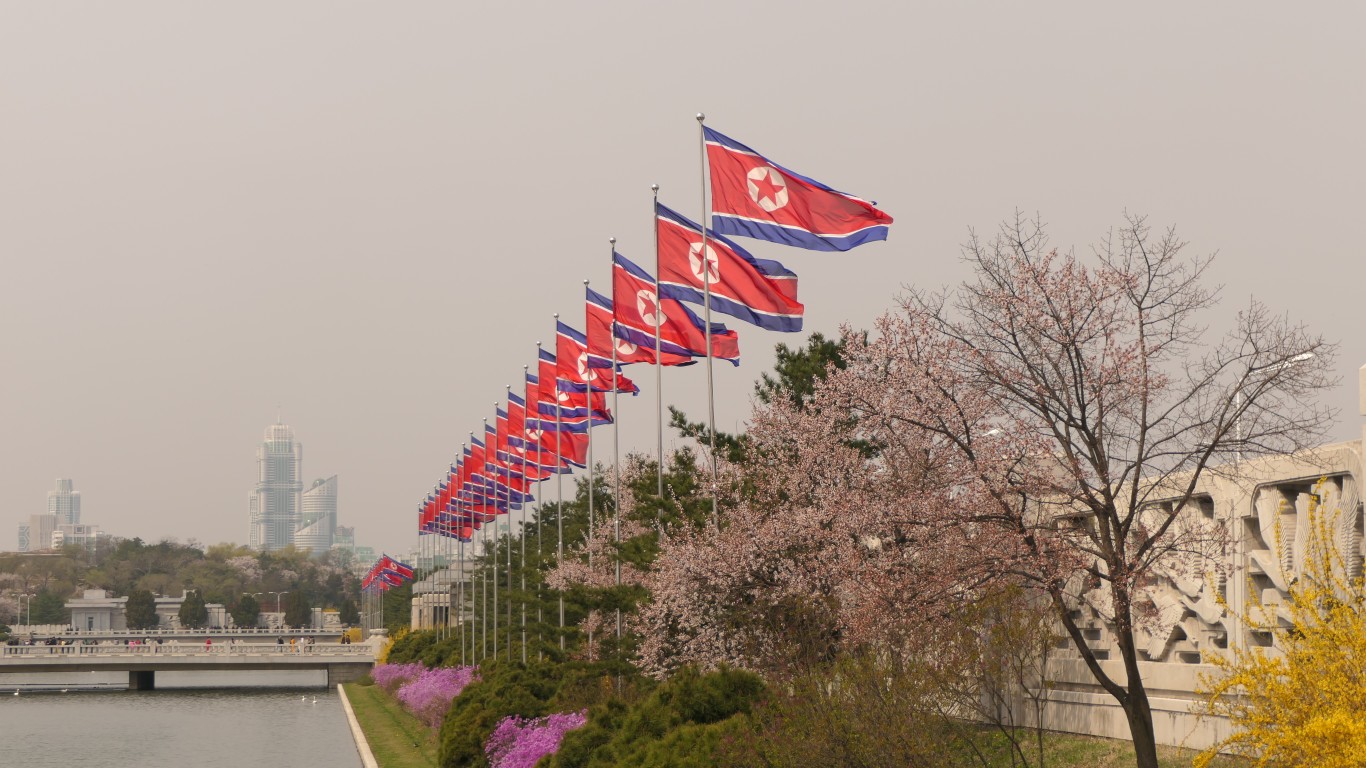
Many individuals try to escape North Korea in an attempt to avoid forced labor. However, these people often face severe punishments. Human rights abuses are widespread in the country, with nearly one in ten North Koreans in some form of forced labor.
Contact [email protected] for any questions or corrections.
Kristin Hitchcock is a financial expert who has been writing on topics related to retirement for over eight years. Her knowledge spans a wide range of areas, including navigating the complexities of Social Security, developing sustainable investment strategies, and helping individuals achieve their retirement goals.
Throughout her career, she has written for various platforms, including several retirement communities, to ensure that seniors have access to clear and actionable financial advice.
Kristin is also an active investor with more than ten years of experience in a diverse range of investment strategies, including short-term trades, dividend stocks, and options. She enjoys simplifying complex trading concepts by writing easy-to-follow guides that help readers meet their investment goals.