I Used to Think a Pension Was the Ultimate Retirement Tool, but Then I Learned These 10 Drawbacks
One of the most challenging things anyone can do in life is to plan for their retirement. While everyone hopes to make enough to live a fantastic lifestyle after working for decades, there is every reason to believe you won’t…

This post may contain links from our sponsors and affiliates, and Flywheel Publishing may receive compensation for actions taken through them.

One of the most challenging things anyone can do in life is to plan for their retirement. While everyone hopes to make enough to live a fantastic lifestyle after working for decades, there is every reason to believe you won’t be able to do so without careful financial planning.
For many workers, this financial planning includes the support of a pension plan earned after years of working for the same company. The hope is that a well-structured and secure pension plan will be the backbone of any retirement plan. Unfortunately, as beneficial as a pension plan can be, they don’t come without drawbacks.
10. Fine Print
As with everything around retirement, there is a lot of fine print with pension plans and benefits. There is a variety of rules related to benefits, payouts, lump sums, vesting, and more, which you need to understand early on to make the right life decisions.
Get Help

Working with a financial advisor or someone specializing in pension plans can make all the difference. If you ask the right questions and get the right answers, you shouldn’t be surprised when you are ready to take your pension and leave the workforce.
9. Early Penalties
The prevailing hope is that we can all retire before we are at a point where we can’t enjoy traveling and life without an alarm clock. However, the reality is that if you choose to retire early, you have to know that your pension benefits could be reduced or penalized.
Reduce Penalty Concerns
As it stands, you have to plan for retirement by not just relying on a pension plan. This means diversifying your retirement income by opening up a 401(k) account or looking at ways to phase your retirement date to avoid early withdrawal penalties.
8. Tax Considerations
Unfortunately, pension income isn’t tax-free, which means it will be subject to whatever tax bracket you are in, which means you will lose money on any benefits paid out. If you are in a high pension bracket, pension payouts could also push you into another tax bracket, which means you are paying even more than you might have originally intended.
Manage Tax Payments
If you realize that tax payments could be a factor as soon as you start receiving money, you should set aside money that could offset any money lost if you get moved into another tax bracket. You could also consider retirement in a state with lower taxes or no state income tax, though this could mean moving away from family, so it also has some drawbacks.
7. Pension Laws
While there is always a hope that pension laws will work in your favor as they are changed at the government level, this isn’t always the case. This level of uncertainty might be something to seriously consider if you have any worries over eligibility requirements or benefit levels over time.
Keeping Informed

The best thing you can do is stay informed and remain active on everything pension-related in your company. You might want to discuss this with a financial advisor if a change in laws looks likely to pass, as well as talk to a pension specialist in your company who can help you understand any potential implications.
6. Pension Longevity

A primary drawback to pension plans that should be a warning to most people with these plans is that pensions may not provide a sufficient level of income if you live longer than expected. This is especially concerning for anyone who takes the lump sum pension option and runs out of money too early, which can lead to financial hardship.
Minimize Longevity Risk
If you have any concerns about the longevity of your pension earnings, one of the first things you can do is look at annuity options. This type of plan, usually paid as a lump sum or monthly payment, guarantees a lifetime income, reducing overall financial concerns about a pension running out too early.
5. No Investment Control
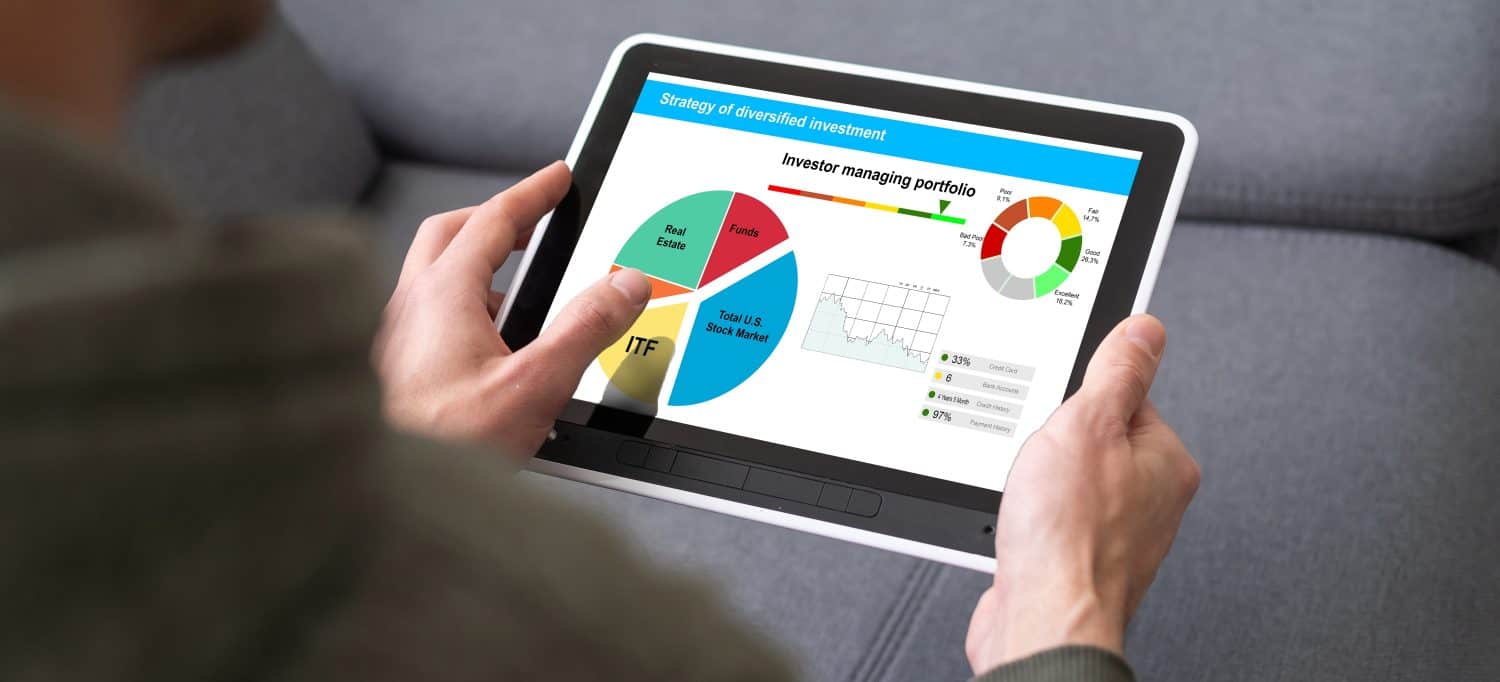
While there is a good chance you don’t want to be in control of investing your pension while working, you also don’t have any control over how it’s invested either. In other words, this is a double-edged sword in that poor investment decisions by a fund manager can have a lifelong impact on pension earnings.
Take Control

For this reason, the topic of a 401(k) continuously comes up frequently as you have more ability to self-direct accounts like a 401(k) or an IRA account. This would mean that any poor investment decisions would fall entirely on your shoulders, but it’s better this way than not having any control at all.
4. Not Portable

For anyone in the pension world, you already know that pensions are closely tied to a single employer. This means that changing jobs, for any reason, could result in losing some of these or even all of the benefits if you don’t meet the exact vesting requirements at the time.
Know Your Requirements

Ultimately, if you have any indications you might want or need to change jobs, it’s up to you to know the implications. This means understanding your vesting requirements and any options that might allow you to roll over pension benefits into a different account. This is why 401(k) accounts are so popular as they can be rolled from one employer to another.
3. Inflation Considerations

Unfortunately, pension plans are always subject to cost-of-living adjustments, which means that times of high inflation (like we’re currently in) may not allow your pension plan to keep up with your expenses. To say it differently, your pension plan won’t have the same buying power over time.
Diversify Your Portfolio

One of the smartest ways to counter this potential inflation concern is to invest in inflation-protected securities like a Treasury Inflation-Protected Security (TIPS). This would allow you to earn at a pace that keeps up with inflation while considering other diversified ways to grow your assets.
2. Plan Termination
However unlikely a scenario is where your pension plan terminates, you must prepare for any situation where a business could terminate a pension plan. This could result from a business declaring bankruptcy, meaning that pension benefits would only be received as a portion of the promised earnings.
Understanding This Risk

There is hope that the Pension Benefit Guaranty Corporation, a government agency that protects the retirement incomes of more than 31 million American workers, could step in. However, this agency has limitations and a ceiling on how much a “portion” of your current pension would be allowed for payout. Thus, you might consider lump sum payouts to avoid any risk over time.
1. Underfunded Pensions

One of the biggest concerns anyone looking to rely on a pension plan for retirement should focus on is underfunding. Simply put, a pension plan won’t have enough money or assets to fulfill future payouts or obligations to future pension earners. This is a significant concern for millions of pension earnings, whether due to poor investments or mismanagement.
Manage Underfunded Risk

It goes without saying that to minimize the risk of relying solely on an underfunded pension, you have to diversify beyond this plan. This means utilizing other retirement income sources like a 401(k) or an IRA account that can reduce any financial concerns you might have while retired.
Contact [email protected] for any questions or corrections.
David Beren has been a Flywheel Publishing contributor since 2022. Writing for 24/7 Wall St. since 2023, David loves to write about topics of all shapes and sizes. As a technology expert, David focuses heavily on consumer electronics brands, automobiles, and general technology. He has previously written for LifeWire, formerly About.com. As a part-time freelance writer, David’s “day job” has been working on and leading social media for multiple Fortune 100 brands. David loves the flexibility of this field and its ability to reach customers exactly where they like to spend their time. Additionally, David previously published his own blog, TmoNews.com, which reached 3 million readers in its first year. In addition to freelance and social media work, David loves to spend time with his family and children and relive the glory days of video game consoles by playing any retro game console he can get his hands on.