7 Lesser-Known Social Security Programs and Provisions
While many know that Social Security provides retirement benefits to those 62 and over, there is far more to the program than what’s commonly known by much of the public. Since its creation 89 years ago, this program has been…

This post may contain links from our sponsors and affiliates, and Flywheel Publishing may receive compensation for actions taken through them.

While many know that Social Security provides retirement benefits to those 62 and over, there is far more to the program than what’s commonly known by much of the public. Since its creation 89 years ago, this program has been about helping Americans in more ways than most people are familiar with.
Some surprising and lesser-known Social Security programs are available in the US, offering various benefits and assistance. Administered by the Social Security Administration, these programs are still funded through payroll taxes and the Social Security trust fund, but most people don’t even know they exist.
7. Child Benefits
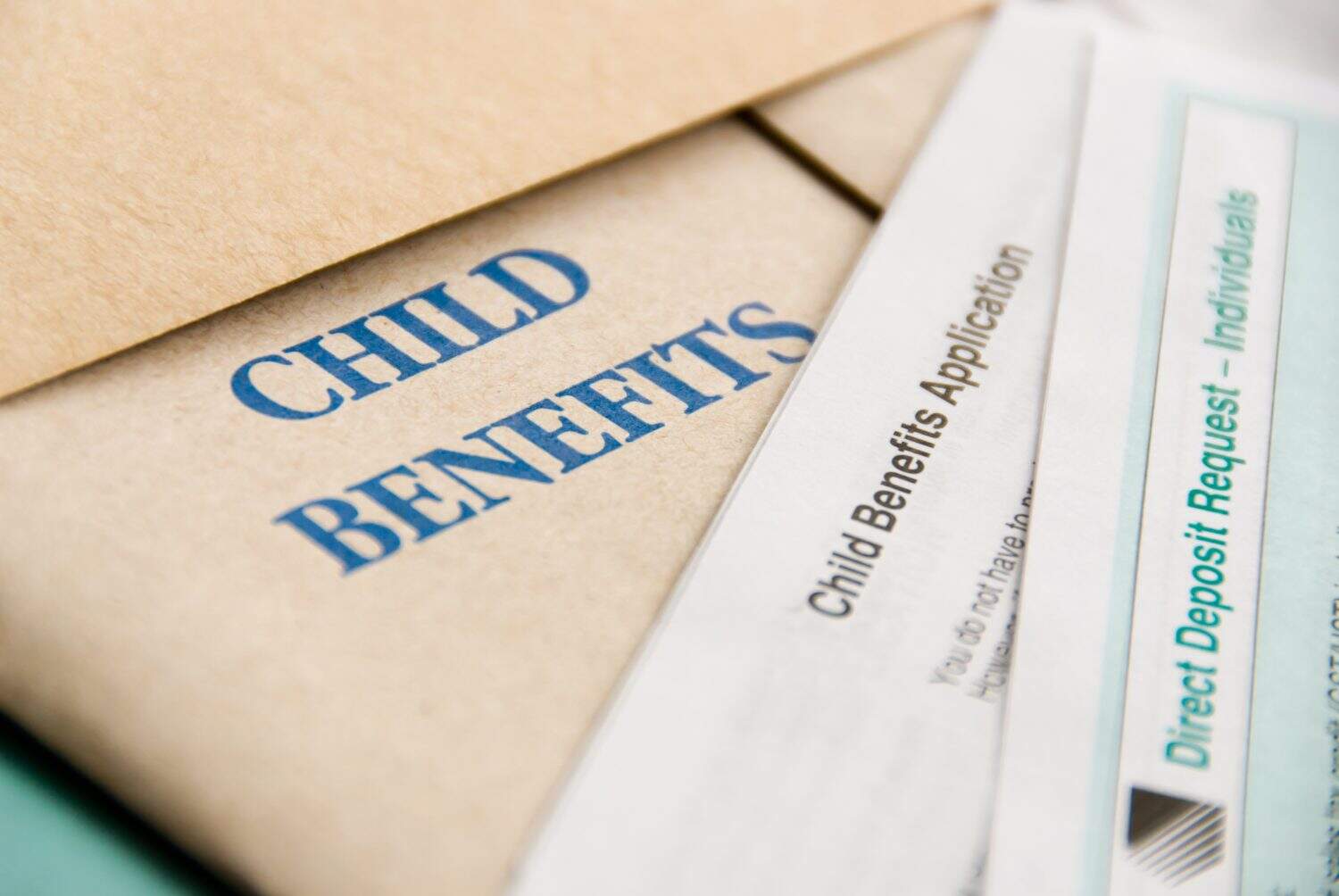
Child-in-Care benefits are another lesser-known Social Security program available to any individual caring for a child under 16 or a disabled child of any age. First introduced in 1939, the program only supports around 100,000 recipients yearly, and this benefit is often overlooked due to the specific requirements necessary to participate.
Key Requirements

With the ability to receive, on average, between $800 and $1,200 in benefits, there is no question that more people should try to qualify. To take advantage of this, you must be married or divorced to a worker eligible for Social Security and care for their disabled child before age 22 or a child under 16. Benefits are up to 50% of the worker’s PIA and are paid independently from other family benefits that might be eligible.
6. Divorced Spouse Benefits

While it’s more well-known that a surviving spouse can receive the Social Security benefits of a deceased spouse, divorced spouse benefits are much less notable. Available since 1965, it’s estimated that only 300,000 recipients take advantage of this program, which can boost financial security with up to 50% of the ex-spouse’s primary insurance amount.
Great for Benefits

It’s not unheard of for divorced spouses to receive, on average, an additional $1,000 in monthly payments, which can provide a strong lifeline to divorced spouses with limited savings. The caveat is that you must have been married for 10 years and have old records around both marriage and divorce.
5. Parents’ Benefits

Yet another lesser-known program that often goes under the radar, parents’ benefits can provide monthly payments to dependent parents of a deceased Social Security-covered worker. These payments support parents who relied on their child for at least half of their financial support. This is undoubtedly one of the most overlooked Social Security programs, with more than 1,000 parents receiving it annually.
Eligibility Requirements

To qualify for this program, the parents must be 62 and over, unmarried, and dependent on at least 50% of the deceased’s benefits for support. The deceased must have been fully qualified for Social Security with at least 40 quarters of benefits, and the parents can not be eligible for higher benefits based on their own working record.
4. Disabled Adult Child

For a family with a disabled adult child, the Social Security Administration assists with benefits to unmarried adults before age 22. If the disability persists beyond 22, payments can continue for lifelong needs, which is notable for a program that currently supports around 1 million recipients. Enacted in 1956, this has become a critical income source as part of the Social Security Administration for disabled adults who are often overlooked.
Key Considerations

According to the Social Security Administration, the DAC benefit offers up to 50% of a parent’s living Primary Insurance Amount or 75% of a deceased parent’s PIA. The most common disabilities include autism and cerebral palsy. A family can apply for these in some cases and, based on average earnings, receive monthly benefits between $800 and $1,500 to help cover living costs.
3. Lump-Sum Death Payment

Run by the Social Security Administration, the Lump-Sum death payment is a one-time payment of $255 to a surviving spouse or eligible children. The caveat is that this payment is only handed out to the family of a deceased Social Security-covered worker and is designed to help cover any funeral or related costs. This is one of the oldest Social Security programs that is still in existence.
Limited Help Amount

Considering the average funeral cost can range between $5,000 and $10,000, the $255 amount, which has been unchanged for decades, obviously offers limited help. There is no question that inflation has eroded how much help this dollar amount can provide in 2025. Still, you can apply for Social Security on the website, by phone, or at a local office with a death certificate and proof of relationship to the deceased.
2. Special Minimum Benefit

If someone has a long career in a low-income job, they may be eligible for a Special Minimum Benefit from the Social Security Administration. Using the Primary Insurance Amount formula, this 1972 program targets domestic workers and farmworkers with at least 11 years of coverage and earnings above $17,370 as of 2025.
Calculating Benefits

Acting as a critical safety net for these low-income earners, at max value, you can receive up to $1,050 monthly for 30 years as of 2025. This benefit is adjusted for inflation, and it’s only paid if it exceeds the standard Primary Insurance Amount for each individual to help a low earner stay above the poverty line. For most people, a benefit amount is likely around $200 – $300 until they hit 30 years of earnings.
1. Supplemental Security Income

Known as Supplemental Security Income, the SSI program from the Social Security Administration is designed to provide monthly cash payments to low-income individuals who are disabled, blind, or aged. This program has been in place since 1974, and applicants must be U.S. citizens with an income below $11,604 annually or $17,400 for couples.
Key Considerations

If you meet the qualifications for this program, you can receive federal payments starting at $484 for “essential individuals” monthly or $1,450 for couples. The program’s payment amount is designed to work within strict income and resource limits, which can reduce payments. You can apply for this program at a Social Security office if you have proof of income, monthly resources, and medical documentation.
Contact [email protected] for any questions or corrections.
David Beren has been a Flywheel Publishing contributor since 2022. Writing for 24/7 Wall St. since 2023, David loves to write about topics of all shapes and sizes. As a technology expert, David focuses heavily on consumer electronics brands, automobiles, and general technology. He has previously written for LifeWire, formerly About.com. As a part-time freelance writer, David’s “day job” has been working on and leading social media for multiple Fortune 100 brands. David loves the flexibility of this field and its ability to reach customers exactly where they like to spend their time. Additionally, David previously published his own blog, TmoNews.com, which reached 3 million readers in its first year. In addition to freelance and social media work, David loves to spend time with his family and children and relive the glory days of video game consoles by playing any retro game console he can get his hands on.